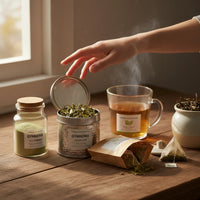
Rooibos Tea for Wellness: Flavor, Benefits, Sourcing & Brewing Tips

Rooibos tea has captured the curiosity of wellness seekers for its naturally sweet character, vibrant color, and the presence of plant compounds that are closely studied in the context of immune‑associated wellness. For those discovering herbal teas or wishing to deepen their tea practice, understanding rooibos—from its unique flavor profile and traditional cultural uses, to what’s actually in each cup—can transform how you shop and enjoy this caffeine-free favorite. This guide delivers accessible, consideration-focused information on rooibos’s components, simple brewing and blending methods, quality-sourcing pointers, and mindful ways to make rooibos part of a daily wellness routine.
Exploring Rooibos Tea’s Flavor and Traditional Uses
Rooibos (Aspalathus linearis), native to South Africa, has a legacy that spans centuries. Its naturally caffeine-free leaves yield a ruby-red brew, often described as slightly sweet, nutty, and subtly earthy—a taste many find comforting on its own or as a base for blends.
What Does Rooibos Taste Like?
- Naturally Mild and Sweet: Rooibos is less astringent than green or black tea, making it approachable for first-time herbal tea drinkers.
- Nuanced Aromatics: Expect mild hints of earthiness, honey, and a gentle vanilla undertone, which can be enjoyed alone or enhanced with other herbs.
Rooibos in Tradition
Long used by Indigenous communities in the Cederberg region, rooibos has been valued not only for hydration but also as a staple in daily rituals. Historically, it has been steeped to create warm, soothing beverages without concerns about caffeine or bitterness, and it continues to enjoy popularity both in traditional contexts and modern wellness circles.
The Key Plant Compounds in Rooibos Linked to Immune-Associated Wellness
Much of rooibos tea's reputation arises from its naturally occurring plant constituents, which researchers frequently examine for their roles in immune-associated processes. Without making specific health or medical claims, it’s helpful to understand which compounds are present in a typical cup.
Polyphenols: Nature’s Powerful Plant Molecules
Polyphenols are a broad group of naturally occurring compounds found in many plants. In rooibos, several specific polyphenols have been spotlighted:
- Aspalathin: Unique to rooibos, aspalathin is a flavonoid that has attracted researchers’ attention due to its structure and antioxidant properties.
- Notable Flavonoids: Quercetin, luteolin, and orientin are also present, each contributing to rooibos’s antioxidant activity.
These molecules have been explored for their capacity to interact with the body’s natural defense systems and help protect cells from oxidative stress—concepts often tied to discussions around immune-associated wellness.
Absence of Caffeine and Low Tannin Content
Another notable trait: rooibos is naturally caffeine-free and lower in tannins than black or green teas. This allows for frequent enjoyment—day or night—and may appeal to those wanting a gentle, non-bitter herbal option for their routine.
Beginner’s Guide to Brewing the Best Quality Rooibos Tea
Getting the most out of your rooibos tea has as much to do with how you brew and serve it as with the leaves you select. Here’s a step-by-step primer for beginners, designed to highlight rooibos’s flavor while capturing its full spectrum of plant compounds.
Selecting Your Premium Rooibos
- Look for Organic or Premium Grade: Shop for rooibos that is non-GMO and certified organic. This supports both sustainability and peace of mind.
- Examine Color: High-quality rooibos will display vibrant reddish-brown tones and an even texture.
- Check Sourcing Info: For best quality, prefer brands transparent about their sourcing, such as Herbal Goodness, which works directly with South African growers.
How to Brew Rooibos for Optimal Enjoyment
- Water Temperature: Use freshly boiled water, ideally between 200°F and 212°F.
- Leaf Quantity: Add 1–2 teaspoons of rooibos per 8-ounce cup.
- Steeping Time: Steep for 5–7 minutes. Rooibos doesn’t over-steep and can be left in water longer for a stronger brew.
- Serving Suggestions: Enjoy plain, with a dash of lemon, or a splash of non-dairy milk for a comforting twist.

Consider pairing rooibos with other caffeine-free, antioxidant-rich teas for variety. Organic Hibiscus Tea 24 Bags makes an excellent companion, offering both versatility and added polyphenols for your daily ritual.
Gentle Blending Ideas: Enjoying Rooibos with Caffeine-Free Herbs
Rooibos pairs gently with many other botanicals, creating endless options for caffeine-free blends. Here are beginner-friendly combinations that respect the subtlety of rooibos while adding complexity and variety:
Soothing Evening Blend
- Rooibos + chamomile + a hint of organic orange peel
Warming Winter Cup
- Rooibos + dried ginger + cinnamon
Refreshing Summer Cooler
- Rooibos + peppermint + lemon balm (served chilled over ice)
An easy way to experiment is through bundled options like the Organic Herbal Tea Trio – Build-Your-Own Bundle, letting you mix and match rooibos with other herbal favorites according to season or mood.

With any blend, it’s wise to start with small amounts and adjust to your flavor preference. These gentle combinations make it easy to expand your daily tea ritual. If you enjoy making your own blends, our organic herbal teas offer maximum creativity and fresh variety.
How to Shop for Rooibos Tea: Sourcing, Labels, and Quality Tips
Buying high-quality rooibos means understanding what to look for on packaging and which sourcing details matter most. Here’s what to keep in mind if you’re ready to buy the best rooibos tea for your needs.
Reading the Label
- Single-Origin Details: Labels specifying South African origin generally indicate quality and authenticity.
- Organic Certification: Look for USDA Organic or equivalent certifications for added assurance.
- Ingredients List: Opt for pure rooibos, or herbal blends with clear, natural inclusions.
Shopping Options
- Loose Leaf vs. Tea Bags: Premium rooibos is often available in loose-leaf form, providing more control over brew strength. However, high-quality tea bags are a convenient alternative for busy days.
- Trusted Retailers: For best quality, shop with reputable brands like Herbal Goodness that focus on ethical sourcing and sustainability. Look for customer reviews and transparent supply chain information.
Comparing Price and Value
- Best Price vs. Best Quality: The cheapest rooibos isn’t always the best deal. Consider factors like freshness, harvest date, and organic credentials when selecting the right option to order online or in-store.
Making Rooibos Tea a Mindful Part of Your Wellness Routine
Developing a regular rooibos tea practice is about more than brewing a tasty beverage. Here are gentle, beginner-friendly strategies for tuning in to how rooibos fits your daily routine, helping you maximize its enjoyment and track your personal experience over time.
Establish a Consistent Ritual
- Pick a Time: Morning moments or evening wind-down—rooibos adapts to any schedule, inviting mindfulness.
- Experiment with Flavors: Track which blends or brewing strengths bring the most satisfaction or comfort.
- Teaware Matters: Use a favorite mug or teapot to add positive, sensory elements to your routine.
Journaling Your Rooibos Practice
Many find it helpful to jot down notes about their rooibos experience, such as flavor impressions, times consumed, or mood changes. This personal tracking makes it easier to adjust your brewing habits and appreciate the evolving nuances of the herb. Adding other wellness teas to your journal—such as Soursop Leaf Tea | Organic Graviola 24 Bags – Immunity & Cell Renew—can help you expand your wellness practice and compare different benefits.

Key Takeaways for Those New to Rooibos Tea
- Flavor: Naturally sweet, gentle, and caffeine-free, rooibos is approachable for any palate.
- Plant Compounds: Rich in polyphenols, especially aspalathin, rooibos is frequently studied for its connections to immune wellness.
- Buying Guide: Shop for premium, organic, and ethically sourced rooibos for best results.
- Mindful Enjoyment: Blending, journaling, and being intentional with your daily cup can deepen both your enjoyment and awareness.
For those curious about where to buy rooibos tea of superior quality, or looking for creative ways to enjoy it, starting with fresh, authentic rooibos from a trusted source like Herbal Goodness can lay the foundation for a rewarding, everyday ritual.
FAQs:
- What are the most important plant compounds in rooibos tea for immune-associated wellness?
Researchers commonly study polyphenols in rooibos, with aspalathin, quercetin, and luteolin being especially notable. These compounds are valued for their antioxidant properties and are thought to support the body’s natural defense mechanisms.
- How can I buy the best quality rooibos tea?
Shop for rooibos labeled as single-origin from South Africa, with organic certification when possible. Choose reputable brands that clearly state their sourcing and quality standards to ensure premium quality.
- What is the best way to brew rooibos tea for optimal flavor?
Brew rooibos with freshly boiled water (200–212°F), steeping 1–2 teaspoons per 8-ounce cup for 5–7 minutes. Its gentle flavor profile benefits from longer steeping without bitterness.
- Can rooibos tea be blended with other caffeine-free herbs?
Yes. Rooibos pairs well with chamomile, mint, ginger, and citrus peels, allowing you to create gentle, flavor-rich blends tailored to your preference—all without caffeine.
- Is it better to buy rooibos as loose leaf or tea bags?
Loose leaf rooibos allows more control over blend strength and quality, while tea bags offer convenience. Opt for premium options in either format, noting freshness and sourcing.
- Where can I order premium, organic rooibos tea online?
Look to reputable wellness brands like Herbal Goodness, which partner with trusted South African growers and offer organic, sustainably sourced rooibos for sale online.
- How can I track my rooibos tea routine for better enjoyment?
Keep a tea journal, noting blends, times, and personal impressions. This mindful tracking helps you refine your daily tea practice and appreciate rooibos’s nuanced qualities.
Author Name:
Herbal Goodness Editorial Team
Author Bio:
The Herbal Goodness Editorial Team specializes in holistic health and superfoods, blending science and nature to educate and empower our community.
References:
Introducing Graviola to Young Taste Buds: Fun, Family-Friendly Flavor Exploration
Graviola in the Classroom and at Home: Creative Activities to Teach Kids About Tropical Plants
Why Social Impact Matters in Plant-Based Wellness