





Repackaged Organic Papaya Seed Extract: What Buyers Should Check

Online shoppers are seeing more and more listings for 'repackaged' and discounted organic papaya seed extract. While some deals seem irresistible, they raise important questions about quality and transparency. For anyone seeking the benefits of organic papaya seed extract, understanding exactly what “repackaged” really means—and how to vet such offers—protects your well-being and your wallet. This guide breaks down the key things to look for, offering practical ways to assess product authenticity, storage, and safety before making a choice.
What Does 'Repackaged' Papaya Seed Extract Mean?
'Repackaged' organic papaya seed extract simply refers to the practice of taking the extract from its original manufacturer’s packaging and placing it into a different container or package—often under a different label or brand. This can happen for several reasons:
- Bulk Resale: Distributors sometimes buy bulk amounts and repackage smaller, individual bottles for sale.
- Private Label: Some businesses source organic papaya seed extract from a manufacturer, then label it as their house brand.
- Discounted Stock: Products approaching expiration or from overstock might be repackaged to clear inventory.
- Retail Variations: Sometimes, product is repackaged to meet specific retailer requirements or to fit shipping models.
It’s important to note that while these practices are not inherently risky, they add an extra layer of consideration for buyers who want reassurance about what’s inside the bottle.
Why Do Sellers Offer Discounted or Repackaged Products?
Discounted, repackaged organic papaya seed extract ends up online for several reasons:
- Overstock Liquidation: Large batches nearing expiration or slow-moving stock may be repackaged and sold at a discount instead of being wasted.
- Changing Brand Strategy: Shifting branding or packaging invokes repackaging, and leftover stock gets discounted.
- Damaged Packaging: If original containers are cosmeticly damaged—but contents remain sound—sellers might repackage and resell at a lower price.
For the careful buyer, these scenarios aren’t necessarily concerning, but it does present a greater need to confirm authenticity and freshness.
Buyer’s Checklist: Practical, Non-Technical Ways to Evaluate Quality
Buying repackaged organic papaya seed extract doesn’t have to be a gamble. Here are several straightforward checks to help you confidently assess any deal:
1. Check for Batch Codes and Lot Numbers
Batch codes or lot numbers are unique identifiers assigned to a specific production run. They help with traceability and accountability.
Why check this?
- Reliable companies track their products from production to sale.
- A legitimate batch code allows you to contact the brand or supplier for additional details.
- Absence of a batch code may indicate informal or uncontrolled handling.
What to do:
- Look for a printed batch or lot code on the packaging, not just a sticker on the outside box.
- If in doubt, contact the reseller or manufacturer to verify details.
2. Inspect Seals and Tamper-Evident Packaging
A secure seal—either an inner freshness seal or a shrink-wrapped cap—shows that the product hasn’t been opened or altered after packaging.
Why important?
- Seals provide reassurance against contamination or adulteration, especially during repackaging.
- Lack of seal isn’t always a red flag, but it deserves careful questioning.
What to do:
- Confirm that the lid is tightly sealed when you receive the product.
- If buying in-store, check for unbroken seals. For online purchases, review product photos and customer feedback.
3. Request or Review a Certificate of Analysis (COA)
A Certificate of Analysis (COA) is a laboratory document verifying the contents, purity, and sometimes the organic status of the papaya seed extract.
Why ask for a COA?
- Confirms product specs and organic claims, especially if it’s been repackaged.
- Transparent sellers often provide COAs for peace of mind.
What to do:
- Request a recent COA from the seller, preferably with a batch code that matches your package.
- Review COA sections for date, product identity, and testing for food-grade requirements.
4. Confirm Expiration or Best-Before Dates
Even the best organic papaya seed extract has a shelf life, and repackaging means new labels might obscure the original date.
Why check expiration dates?
- Ensures you’re getting a product at peak quality, not something past its prime.
- Transparent sellers will include a clear, readable expiration or best-before date on the bottom or side of the container.
What to do:
- Verify that a date is printed on your purchase, not just stamped on the outer box.
- Aim for products that give you at least several months before expiry.
5. Ask About Solvents and Food-Grade Processing
Extracts of papaya seed can be made using several food-grade solvents. Transparency about how the product is processed matters, especially if packaging is not original.
What to ask:
- Which solvent (if any) was used in extraction—water, alcohol, glycerin, etc.
- Is the repackager able to confirm the product was made in a food-grade, certified setting?
If you're keen to maximize the health benefits of papaya, Body Detox Papaya Seed | Organic 15X Liquid Extract for Gut is a product whose food-grade credentials and third-party testing are well documented.
Tip:
- Look for verifiable certifications on the label or ask for documentation.
6. Storage Conditions: Before and After Repackaging
Proper storage is crucial for any botanical ingredient. Organic papaya seed extract should be kept away from direct sunlight, excess heat, and moisture—both before and after repackaging.
Questions to consider:
- Was the product stored in a climate-controlled environment before repackaging?
- Are there visible signs of moisture or clumping inside the package?
- Is the container opaque and airtight?
What to do:
- Check the physical integrity of the packaging.
- When in doubt, ask the seller about their storage and handling standards.
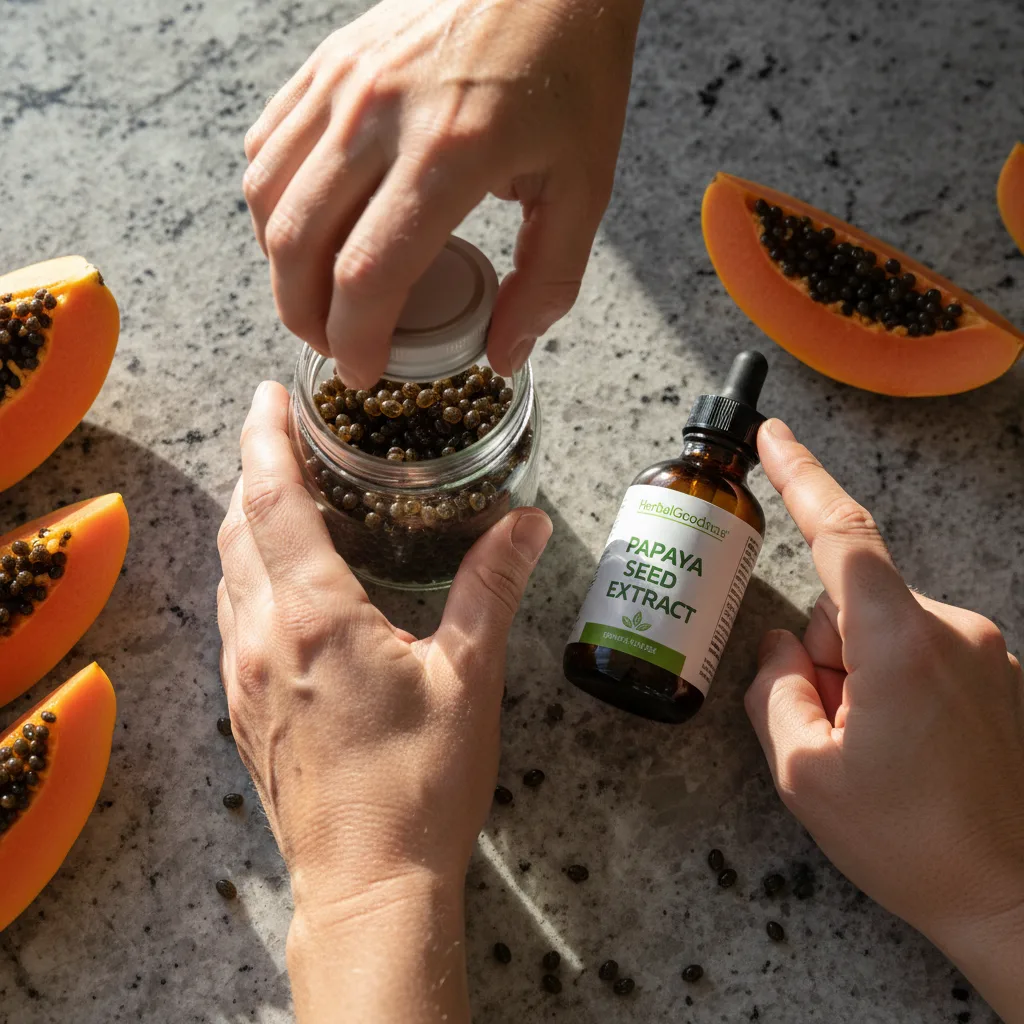
Transparency and Trust: Why It Matters in Repackaged Extracts
When shopping for repackaged and discounted organic papaya seed extract, the ideal seller is transparent about every step—from sourcing to delivery. Trustworthy suppliers don’t hesitate to answer questions or provide proofs like batch codes and COAs. Some brands, such as Herbal Goodness, are proactive about traceability and certified quality, emphasizing consumer confidence even when products are repackaged for logistical reasons.
Being attentive to packaging details, asking the right questions, and seeking documented proof are all simple, effective ways to distinguish a reliable deal from a questionable one. These steps are especially important if you’re purchasing from a new source or an unfamiliar online marketplace.

Products like Organic Papaya Seed Extract 15X Liquid | Gut & Colon Cleanse Support offer detailed traceability and certifications, helping buyers feel secure about their purchase regardless of packaging updates. If you need a high-value option, consider the Organic Papaya Leaf Extract 16oz | 15X Liquid – Best Value Size, which is also monitored for quality from raw material to finished product.
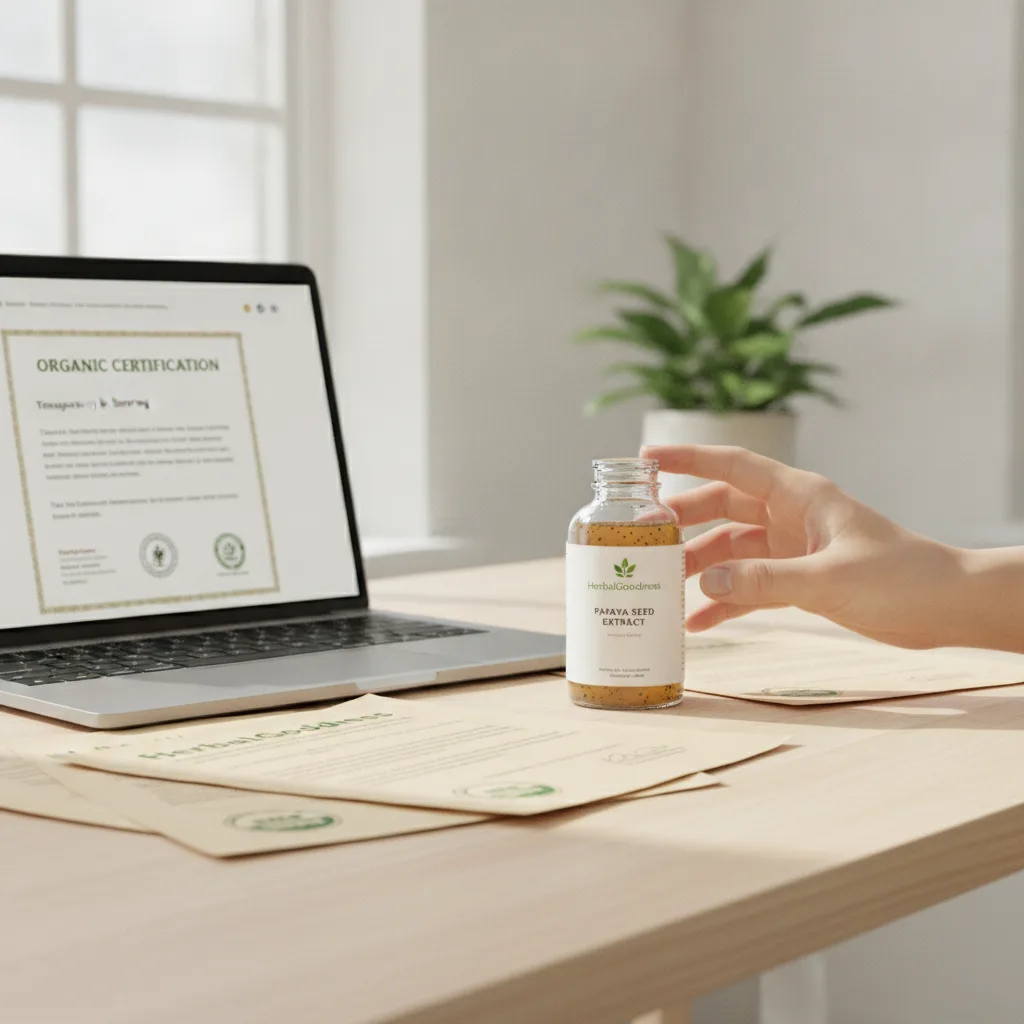
Being vigilant by relying on things like COAs, storage details, and clear expiration dates can make all the difference between a sound investment and a disappointing product. Shoppers can also consider alternatives such as Papaya Seed Powder Capsules 60ct | 600mg – Gut & Colon Cleanse Support for convenient, supplement-based benefits if their primary product has questionable quality.
Summary: Confidently Evaluating Repackaged Papaya Seed Extract Deals
Choosing organic papaya seed extract in repackaged or discounted form can offer excellent value—as long as the product’s journey is transparent and the seller can back up their promises. Following a checklist for batch codes, seals, COAs, expiration dates, solvent disclosures, and proper storage increases your confidence in what’s inside the bottle. With a little due diligence, you can fully enjoy the potential of organic papaya seed extract, even when shopping deals online.
Frequently Asked Questions
Question 1: How can I be sure repackaged papaya seed extract is genuine?
Answer: Check for batch codes, request a recent COA, ensure the product is sealed, and review expiration dates. Consider products with transparent documentation, such as Organic Papaya Seed Extract 15X Liquid | Gut & Colon Cleanse Support.
Question 2: Are there safe alternatives if I can’t verify a product?
Answer: Yes, you might choose supplements like Papaya Seed Powder Capsules 60ct | 600mg – Gut & Colon Cleanse Support or Body Detox Papaya Seed | Organic 15X Liquid Extract for Gut, both of which offer quality assurance and convenient usage.
Question 3: Why do some sellers repackage products?
Answer: Common reasons include bulk resale, overstock liquidation, private labeling, or refreshing brands and packaging. While this isn’t always risky, extra diligence is needed to confirm quality—especially for health products.
Question 4: What should I look for in a quality papaya seed supplement?
Answer: Ensure proper seals, batch or lot numbers, a current COA, and a readable expiration date. Products like Organic Papaya Leaf Extract 16oz | 15X Liquid – Best Value Size offer these quality controls.
Question 5: How should papaya seed extract be stored?
Answer: Papaya seed extract should be kept away from heat, light, and moisture in an airtight, opaque container. Reputable brands provide information on storage conditions and may have this confirmed through certifications.
Question 6: Can I request a COA for any papaya supplement?
Answer: Yes! Responsible sellers are willing to share a recent Certificate of Analysis. This is especially important for products advertised as organic or repackaged.
Before choosing a repackaged or discounted organic papaya seed extract, review the seller’s transparency and certification details for a safe and confident purchase.
About the Author
Herbal Goodness Editorial Team
The Herbal Goodness Editorial Team specializes in holistic health and superfoods, blending science and nature to educate and empower our community.
References
Introducing Graviola to Young Taste Buds: Fun, Family-Friendly Flavor Exploration
Graviola in the Classroom and at Home: Creative Activities to Teach Kids About Tropical Plants
Why Social Impact Matters in Plant-Based Wellness
Share this

Popular posts


FAQs
1. What are the main benefits of drinking bamboo leaf tea?
Drinking bamboo leaf tea supports hydration, relaxation, skin wellness, and antioxidant balance.
2. What is bamboo leaf extract used for?
It’s used for general body wellness, skin elasticity, hair and nail support, and overall vitality.
3. Can bamboo leaf help with skin care and body wellness?
Yes, bamboo leaf is rich in silica and antioxidants, which promote healthy skin, strong nails, and a youthful glow.
4. What forms of bamboo leaf are available?
You can find dried bamboo leaf, powder, extract, drops, oil, and bamboo leaf green tea.
5. Are there any side effects of bamboo leaf?
Bamboo leaf is generally safe when consumed in moderation. Always consult your healthcare provider before starting any new herbal supplement.