Private-Label Herbal Supplements: Starting with Wholesale Suppliers
Launching a successful line of private-label herbal supplements is an increasingly popular way for brands and entrepreneurs to enhance their portfolios with plant-based wellness products. Today’s market offers greater accessibility and flexibility for makers—whether new to the industry or expanding existing offerings. This comprehensive guide demystifies the private-label process for herbal supplements by guiding you through supplier relationships, product formats, labeling considerations, testing standards, minimum order requirements, packaging options, and essential questions to ask before you commit. If you’re interested in understanding how private-labeling herbal supplements works with wholesale suppliers, this article is tailored for your research and planning stage.
The Foundations of Private-Label Herbal Supplements
Private-label herbal supplements are wellness products manufactured by one company and branded for sale by another, allowing brands to offer unique botanicals under their own name. The supplier produces, tests, and packages the supplements, while your brand customizes the labels, packaging, and—sometimes—the formulation itself. This model provides a turnkey way to enter the herbal industry and meet growing consumer demand for plant-based supplements.
Advantages of the Private-Label Approach
- Brand Differentiation: Offer unique products bearing your own brand identity.
- Streamlined Production: Rely on experienced manufacturers already set up to create, test, and package products at scale.
- Lower Barriers to Entry: Avoid the need for in-house manufacturing facilities or complex supply chains.
- Quality Assurance: Access third-party tested and compliant products aligned with industry standards.
Navigating the Supplier Relationship: What to Expect
Choosing the right wholesale supplier is foundational for quality, compliance, and brand reputation. Herbal supplement suppliers often offer varying degrees of customization, bulk order structures, and support through the private-label process.
Key Factors When Vetting Herbal Supplement Suppliers
- Experience and Expertise: Evaluate the supplier’s history and knowledge in formulating, producing, and labeling herbal products.
- Product Range: Review the different botanicals, blends, and delivery formats available (liquids, capsules, powders, teas).
- Testing and Certification: Confirm whether third-party testing is standard and what quality certifications their products hold.
- Compliance and Transparency: Seek clear information on sourcing, ingredient transparency, facility standards, and documentation.
- Support Services: Assess the support provided—including R&D, label design, compliance guidance, and logistics.
Looking for a trusted private-label herbal supplement partner? Click here to fill our form and explore our wholesale options.
Exploring Herbal Supplement Formats
Selecting product formats is a critical step that influences consumer appeal, shelf life, and your brand’s positioning. Wholesale private-label suppliers typically offer:
Common Herbal Product Formats
- Capsules: Popular for ease of use and portability; ideal for single herbs or blends.
- Powders: Versatile and easy to add to beverages or recipes.
- Liquid Extracts (Tinctures): Traditionally valued for their fast absorption and dose flexibility.
- Teas: Appealing for those preferring whole-herb infusions.
Herbal Goodness and similar premium brands provide high-quality options tailored to various wellness audiences, using formats that align with herbal tradition and modern convenience. Understanding your target audience’s preferences can help determine which formats to offer. For example, if your primary customers demand convenient immunity solutions, you might consider adding Soursop Leaf Graviola Extract - - Organic 15X Liquid Extract - Cell Renew & Immunity to your potential product list.
Understanding Minimum Order Quantities (MOQs) and Lead Times
Minimum order quantities (MOQs) are a common part of the wholesale herbal supplement process. MOQs vary based on the format, packaging complexity, and supplier capabilities. Setting realistic expectations around these numbers can help you plan your launch and investment strategy effectively.
- Liquid Extracts & Powders: Typically have higher MOQs due to batch production needs.
- Capsules: MOQs may be more manageable, especially for single-ingredient products. For example, Blood Platelet Plus - 60/600mg 20X Strength Capsule - Platelet Boost is an example of a single-ingredient format often available at lower minimums.
- Teas: Depending on bulk packaging or individual sachets, MOQs vary. Private-label teas such as Soursop Leaf Tea Graviola Leaves - Organic 24/2g Tea Bags - Immunity & Cell Renew could be tailored for your audience based on MOQ and packaging needs.
Lead times range from a few weeks to several months, dependent on sourcing and availability of herbs, label and packaging customization, and product testing and certification cycles. Ask your supplier for estimated timelines based on the products and packaging options you choose.
Labeling and Ingredient Considerations
An accurate and compelling label is essential—not only for compliance but also to appeal to informed consumers. Your private-label supplier should provide detailed ingredient breakdowns, standard supplement facts, and guidance to ensure regulatory adherence.
Core Elements of a Compliant Herbal Supplement Label
- Product Name & Description
- Ingredient List (including botanical names and part used)
- Supplement Facts Panel
- Suggested Use
- Allergen Information (if applicable)
- Manufacturer Details
- Batch/Lot Numbers and Expiry Date
Work closely with your supplier to ensure your private-label herbal supplement meets all labeling requirements relevant to your market. Many suppliers offer compliance support as part of their private-label service to help you meet standards like those demonstrated by Papaya Leaf Extract 16oz – Organic 15X Liquid Papaya Leaf Herbal Supplement.
Packaging Options for Private-Label Herbal Supplements
Packaging isn’t just about aesthetics—it impacts product integrity, shelf life, and brand perception. Wholesale suppliers typically offer a variety of packaging solutions tailored to herbal supplement formats. A product such as Graviola Soursop Leaf Extract – 10X 60/600mg Capsules - Cell Renew & Immunity exemplifies proper capsule packaging that preserves potency.
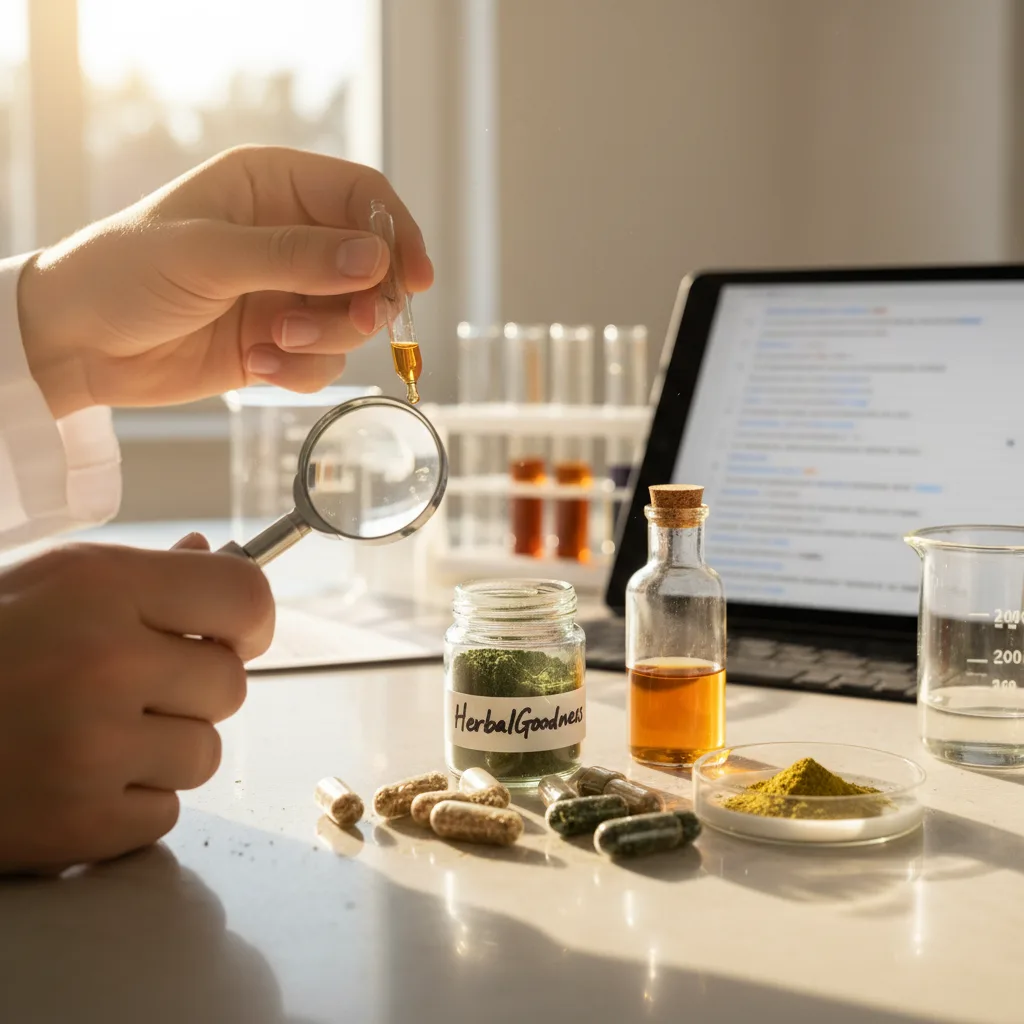
Packaging Options by Format
- Capsules: Bottles, blister packs
- Powders: Tubs, pouches, single-serve sachets
- Liquid Extracts: Dropper bottles, vials
- Teas: Loose-leaf bags, pyramid sachets, boxed options
Consider eco-friendly options or unique touches that help your products stand out. Some suppliers, such as Herbal Goodness, emphasize sustainable packaging using recyclable materials, which aligns with modern consumer values. Confirm what options your selected partner offers before you finalize your order, and review how solutions like Bulk Herbs & Roots Online for Tea, Tinctures & DIY Wellness - Organic 4oz Bags offer bulk flexibility.
Third-Party Testing and Quality Standards
Trust and transparency hinge on robust testing protocols. Wholesale herbal supplement suppliers who value third-party testing and quality assurance often provide batch-specific certificates of analysis detailing purity, potency, and safety standards. These documents can be requested to support your brand’s integrity and inform your customers with confidence. Many herbal extracts, such as Papaya Leaf Extract - Organic - 15X Liquid - Blood Platelet, are produced with these standards in mind.

Ask potential suppliers:
- What tests are performed for each product?
- Are certificates of analysis available with every batch?
- What steps are taken to ensure purity and consistency?

Quality control is not only a core expectation—it’s a valuable differentiator in the herbal supplement market. Choosing high-integrity partners means your brand delivers on its wellness promises, whether you offer advanced liquid extracts or spotlight products like Papaya Leaf Extract Blood Support - 10X 60/450mg Capsules - Blood Platelet.
Essential Questions to Ask Private-Label Herbal Supplement Suppliers
As you assess wholesale partners, being thorough with your questions ensures fewer surprises and a more successful partnership. Consider posing the following:
- What is your policy on minimum order quantities for each product format?
- Can I see sample certificates of analysis?
- Do you offer assistance with label creation and regulatory compliance?
- Are there additional costs for custom packaging or formulations?
- What are your average lead times for reorders?
- How are changes in ingredient availability or sourcing managed?
- Do you provide support for sustainability initiatives?
A transparent, collaborative relationship with your private-label supplier is crucial to your venture’s sustained success. As your business grows, evaluating products such as Papaya Seed Powder - Organic 4oz Bag - Colon & Gut Cleanse can help you expand your private-label wellness range with innovative options.
Starting Your Private-Label Herbal Supplement Journey
Taking the first step into private-label herbal supplements is both exciting and complex. Careful planning, clear communication, and a well-chosen supplier underpin a smooth launch and a resilient brand. As you move from research toward action, focus on supplier transparency, third-party quality assurances, and packaging presentation that resonates with your intended customers. With the guidance above as your blueprint, you can navigate the world of private-label herbal supplements with greater confidence and clarity.
Ready to launch your own private-label herbal supplement line? Click here to fill our form to get started with our wholesale program.
FAQs:
- What are private-label herbal supplements?
Private-label herbal supplements are products manufactured by a supplier and branded under the name of another company. This model allows businesses to offer botanically based wellness products with their own branding, without direct involvement in production.
- Which product formats can I private-label with a wholesale supplier?
Most wholesale suppliers offer capsules, powders, liquid extracts (tinctures), and teas for private-labeling. You can choose the format that best fits your target audience and brand vision.
- How do minimum order quantities work for herbal supplements?
Minimum order quantities (MOQs) refer to the smallest batch size a supplier will produce or package for a private-label client. MOQs vary by product form, packaging complexity, and supplier policies, so always confirm specifics in advance.
- What should I look for when choosing a wholesale herbal supplement supplier?
Look for suppliers with established expertise, transparency about sourcing, robust third-party testing protocols, flexible packaging solutions, compliance knowledge, and responsive support throughout the private-label process.
- Do private-label herbal supplements include third-party testing?
Many reputable wholesale suppliers include third-party testing to verify quality, identity, and consistency. Always ask for certificates of analysis for each batch and inquire about the scope of testing offered.
- Can I customize the labels and packaging?
Yes, private-label suppliers generally allow customization of labels and various packaging formats, subject to compliance guidelines and production capabilities. Discuss your preferences with the supplier early in the process.
- How long does the private-label process take from start to finish?
Timelines depend on ingredient availability, customization requests, third-party testing requirements, and packaging choices. Most orders take several weeks to a few months from initial order to delivery.
Author Name:
Herbal Goodness Editorial Team
Author Bio:
The Herbal Goodness Editorial Team specializes in holistic health and superfoods, blending science and nature to educate and empower our community.
References:
Dietary Supplement Labeling Guide – U.S. Food & Drug Administration
Good Manufacturing Practices (GMPs) for Dietary Supplements – NIH Office of Dietary Supplements