





Papaya Leaf Tinctures: Homemade vs. Online Options Explained

Are you curious about integrating a new herbal approach into your wellness routine and considering papaya leaf tinctures? As the interest in botanical supplements grows, papaya leaf tinctures have become increasingly appreciated for their role in herbal traditions. Whether you’re drawn to making your own tincture at home or considering a ready-made online option, understanding the differences can help you confidently choose the right approach for your needs. This guide navigates the practical aspects, preparation methods, safety, flavor, and storage considerations of papaya leaf tinctures, supporting informed, low-commitment experimentation for beginners.
Understanding Papaya Leaf Tinctures: Foundations for Beginners
Papaya leaves have been valued for generations in various cultures, often used as teas, infusions, and, more recently, tinctures. A tincture is a concentrated liquid extract made by soaking plant material in a solvent—commonly alcohol, glycerin, or vinegar—to draw out certain beneficial compounds. The resulting liquid offers a convenient, portable way to include herbal preparations in your wellness routine.
For those just starting, it’s important to understand the key varieties:
- Alcohol-Based Tinctures: Traditionally prepared with neutral spirits, these have a long shelf life and robust extraction capability.
- Alcohol-Free Tinctures: Often made with vegetable glycerin or vinegar, these appeal to those wanting to avoid alcohol but may have a shorter shelf life and a different taste profile.
Knowing these basics can help you evaluate homemade versus store-bought options in more detail.
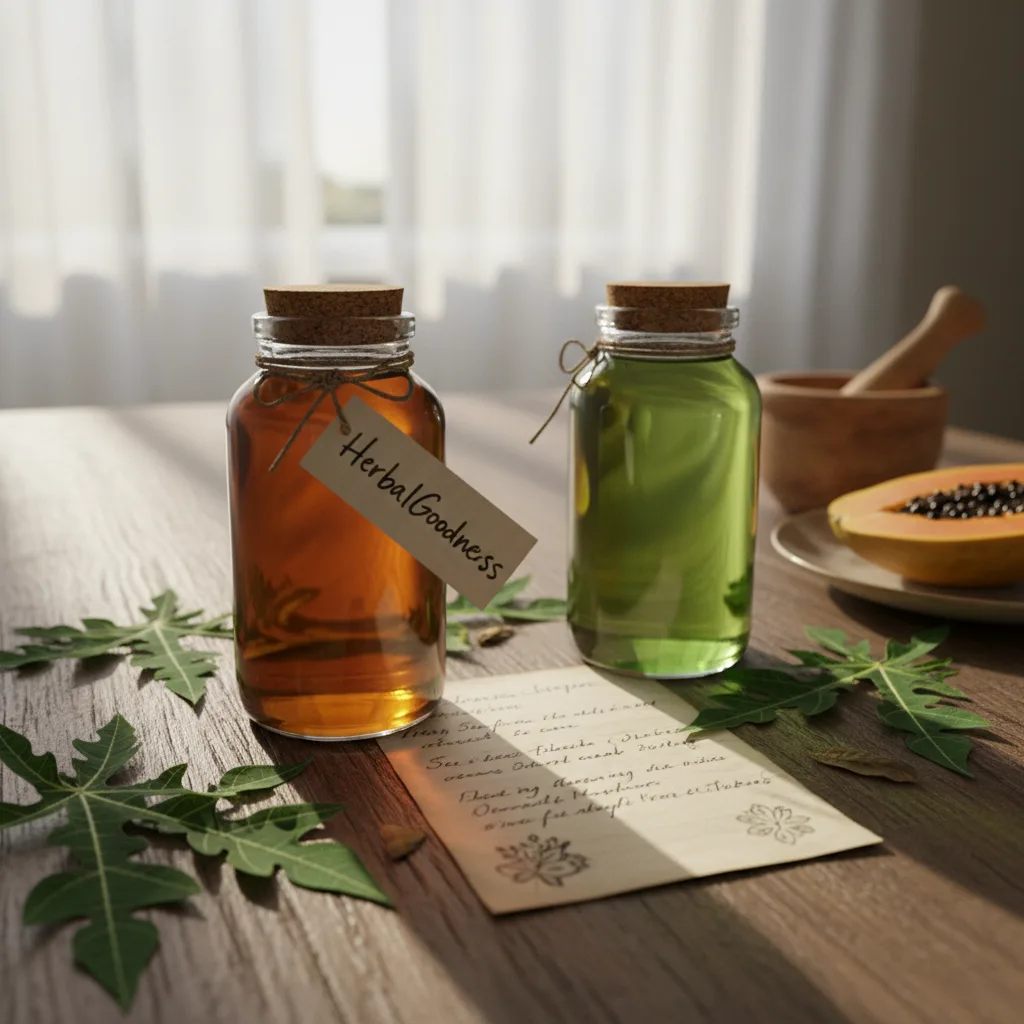
Preparing Papaya Leaf Tinctures: Homemade Methods Explained
Essential Considerations for At-Home Preparation
Making a papaya leaf tincture at home can offer hands-on experience and the satisfaction of customizing your blend. The process, while straightforward, does require some attention to detail:
- Ingredient Sourcing
- Quality matters. Fresh or dried papaya leaves sourced from reputable suppliers or cultivated in clean environments are best. Avoid material that is wilted or questionable in appearance.
- Solvent Choice: Alcohol vs. Alcohol-Free
- Alcohol (usually 80–100 proof vodka or grain spirit) is effective for extracting a broad range of plant compounds.
- Alcohol-free methods use food-grade vegetable glycerin or apple cider vinegar. These extracts may carry a sweeter or tangier flavor and generally have a shorter shelf life.
- Basic Preparation Steps
- Chop or shred leaves to increase surface area.
- Fill a jar halfway with leaves.
- Cover with your chosen solvent, ensuring all leaves are submerged.
- Seal the jar and store in a cool, dark place, shaking daily for 2–4 weeks.
- Strain out the leaves, bottle the tincture, and label with the preparation date and solvent used.
If you want a shortcut or convenience, a pre-made Papaya Leaf Extract - Organic 1oz 15X Liquid - Blood Platelet can be a useful alternative. This option provides a standardized format, especially valuable for those new to herbal tinctures.
Expected Pros and Cons of Homemade Tinctures
Advantages:
- Full control over ingredients and solvent
- Customizable batch size and flavor strength
- Educational, hands-on process
Considerations:
- Time commitment: requires several weeks of steeping
- Taste may vary by batch
- Storage and sanitation play a big role in product quality
Store-Bought Papaya Leaf Tinctures: What to Know When Shopping Online
Online options offer ready-to-use convenience and the assurance of standardized processing. But not all tinctures are created equal—understanding product labels and how brands like Papaya Leaf Extract - Organic 16oz 15X Liquid Extract ensure high quality helps you make better decisions.
Evaluating Online Tinctures: What to Look for
- Label Transparency
- Ingredients should be clearly listed, including the source of papaya leaves, type of solvent, and any added flavors or stabilizers.
- Alcohol-free or vegan options should be clearly marked.
- Manufacturing and Sourcing Information
- Reputable brands offer details about their sourcing, extraction methods, and quality controls. Look for third-party certifications or standards.
- Batch and Expiry Dates
- Ensure freshness by checking manufacture and best-by dates.
- Product Reviews and Educational Resources
- Check for helpful resources or customer feedback that demonstrate the company’s knowledge and engagement with their community.
Pros and Cons of Purchasing Ready-Made Tinctures
Advantages:
- Consistency in flavor and potency
- Less time and effort invested
- Typically longer shelf life compared to many homemade options
Considerations:
- Less flexibility to customize
- May contain additional preservatives or flavors
- Quality varies between brands—reading labels is essential
If you're focused on specific wellness support, options like Papaya Leaf Extract Blood Support - 10X 60/450mg Capsules - Blood Platelet are also available, making it simple to add targeted herbal benefits to your routine. These capsules may appeal to those preferring an encapsulated or travel-friendly option.
Key Differences: Comparing Flavor, Storage, and Shelf Life
Flavor Expectations: Homemade vs. Online
- Homemade Tinctures: Taste may be more pronounced or variable, depending on leaf quality, solvent, and steeping duration. Alcohol-based tinctures tend to have a stronger herbal note, while glycerin-based products taste milder and sweeter.
- Online Tinctures: Typically more consistent, though flavor intensity can vary by brand and extraction process. Alcohol-free options are often selected for mildness or specifically for those sensitive to strong herbal flavors.
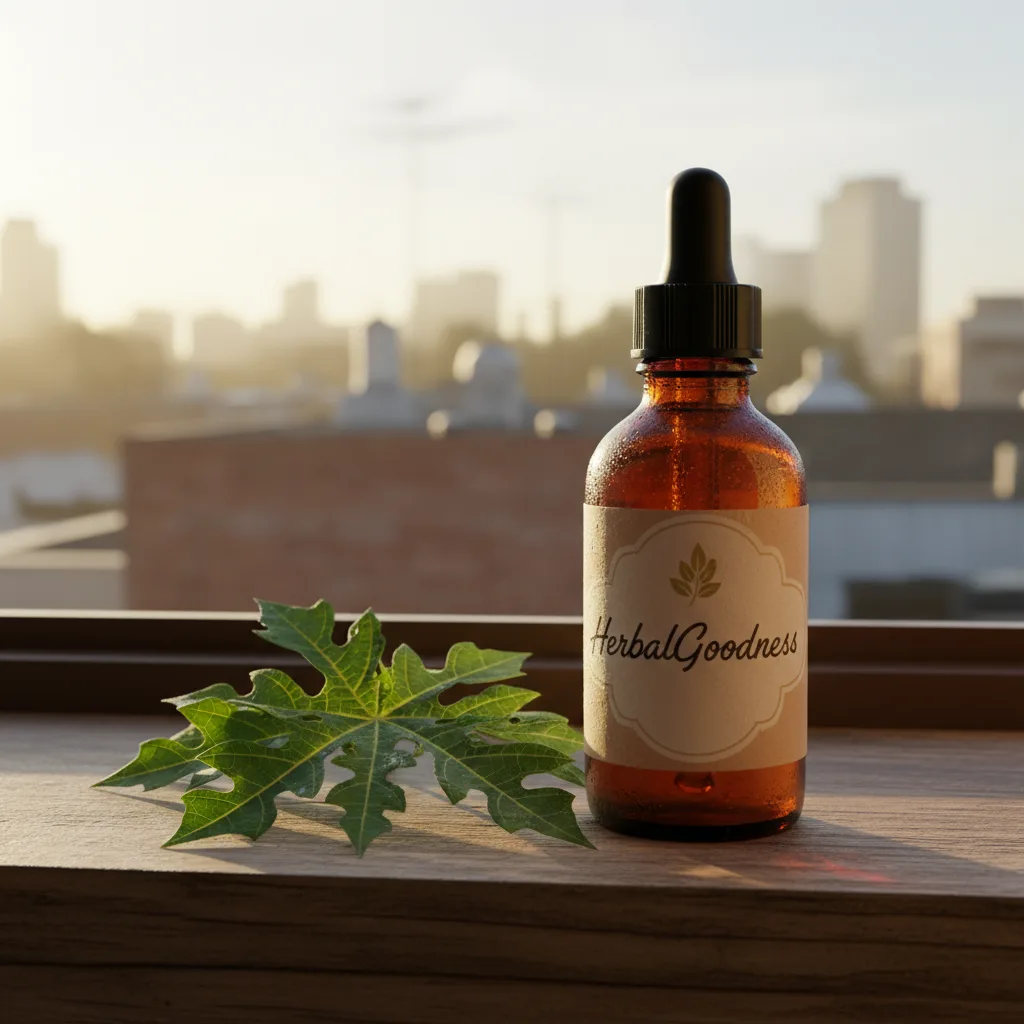
Storage Guidelines and Practical Shelf Life
- Homemade Alcohol Tinctures: Store in a cool, dark place. Generally keep well for up to 2 years if properly sealed and free of contaminants.
- Homemade Alcohol-Free Tinctures: These tend to last 3–6 months, sometimes up to a year, but should be monitored for changes in smell, clarity, or taste.
- Store-Bought Tinctures: Commercial tinctures often include best-by dates and standardized packaging to support a longer shelf life. Storage recommendations should always be followed closely.
Storing your tinctures as directed can help maintain the potency and freshness whether you've prepared an alcohol-based tincture at home or are opening a newly delivered bottle.
Safety & Handling Tips for All Tinctures
- Always label containers with preparation date and contents.
- Use clean, sterilized jars and utensils to reduce contamination risk.
- Keep tinctures out of direct sunlight and away from heat sources.
- For homemade options, regularly check for signs of spoilage, such as cloudiness or off smells.
Deciding What’s Right for You: Low-Commitment Experimentation
Choosing between making a papaya leaf tincture at home or purchasing one online often comes down to your comfort level, time, and curiosity. Here’s a supportive framework for experimentation:
- Try Homemade if: You enjoy DIY activities, want to control every ingredient, or are curious about the process itself.
- Try Store-Bought if: You value convenience, need standardized quality, or prefer a ready-to-use format without waiting weeks for extraction.
- Consider Batch Size: Beginners may appreciate starting with a small homemade batch to sample flavor and experience. Store-bought tinctures often come in quantities that easily support a low-commitment trial.
Experimenters hoping to broaden their botanical supplement approach can consider integrating Papaya Leaf Extract - Capsules 600mg - 10X Strength into their routine for an alternate texture and delivery method, or explore blends like Blood Platelet with Papaya Leaf - Organic 1oz 15X Liquid Extract - Platelet & Bone Marrow for more targeted support.
Reading Labels and Choosing Quality: What Beginners Should Know
Knowing how to read labels is essential for anyone starting with tinctures. Look for these key details:
- Source of Papaya Leaf: Transparent mention of whether leaves are organic, wildcrafted, or conventionally grown.
- Solvent Type: Alcohol, glycerin, or vinegar clearly listed.
- Additives or Sweeteners: Especially important for those seeking alcohol-free, allergen-sensitive, or vegan options.
- Concentration/Ratio: Some tinctures list the ratio of plant material to solvent (e.g., 1:3 or 1:5), signaling strength and dilution.
Herbal Goodness and similar reputable brands often provide educational support and ingredient traceability to help beginners feel informed and confident with their choices.
Summary: Finding Your Papaya Leaf Tincture Pathway
Every journey with herbal wellness is highly personal. Both homemade and online papaya leaf tinctures offer unique advantages, from creative batch experiments to reliable, high-quality products delivered to your door. Considering your preferences for time, flavor, control, and convenience can help you select the best starting point for your exploration. Remember to always prioritize clear information, safe preparation, and proper storage as you discover which form aligns best with your wellness goals.
FAQs:
- What is the difference between alcohol-based and alcohol-free papaya leaf tinctures?
Alcohol-based tinctures are prepared using spirits like vodka or grain alcohol, drawing out a wider range of compounds and typically lasting longer. Alcohol-free options use glycerin or vinegar, offering a different taste and often suiting those who prefer to avoid alcohol.
- How long does a homemade papaya leaf tincture last?
Homemade alcohol-based tinctures can last up to two years if stored well. Alcohol-free varieties generally have a shorter shelf life, often between three to six months, depending on storage conditions.
- Are store-bought papaya leaf tinctures safer than homemade versions?
Store-bought tinctures are typically standardized, with clear labeling and quality controls. Homemade tinctures depend on ingredient sourcing and preparation hygiene, so following clean procedures is important for safety.
- What should I look for on a papaya leaf tincture label?
Seek clear disclosure of the papaya leaf source, solvent type, batch and best-by dates, and any additional ingredients or sweeteners. Details about concentration or extraction ratios are also helpful for beginners.
- What does papaya leaf tincture taste like?
Flavor varies by preparation. Alcohol-based tinctures can have a strong herbal note, while glycerin or vinegar-based extracts are milder or sweeter. Store-bought tinctures usually offer consistency in taste.
- Can I use dried or fresh papaya leaves for tincture?
Both forms can be used, but dried papaya leaves are often more shelf-stable and easier to source year-round. Fresh leaves should be free from wilting or contaminants.
- Is a papaya leaf tincture a good choice for beginners?
Yes, both homemade and online tinctures are approachable for beginners, especially when starting with small batches or single bottles to sample the experience.
Author Name:
Herbal Goodness Editorial Team
Author Bio:
The Herbal Goodness Editorial Team specializes in holistic health and superfoods, blending science and nature to educate and empower our community.
References:
Tinctures: Making Alcohol & Alcohol-Free Herbal Extracts – University of Minnesota Extension
Share this

Popular posts


FAQs
1. What are the main benefits of drinking bamboo leaf tea?
Drinking bamboo leaf tea supports hydration, relaxation, skin wellness, and antioxidant balance.
2. What is bamboo leaf extract used for?
It’s used for general body wellness, skin elasticity, hair and nail support, and overall vitality.
3. Can bamboo leaf help with skin care and body wellness?
Yes, bamboo leaf is rich in silica and antioxidants, which promote healthy skin, strong nails, and a youthful glow.
4. What forms of bamboo leaf are available?
You can find dried bamboo leaf, powder, extract, drops, oil, and bamboo leaf green tea.
5. Are there any side effects of bamboo leaf?
Bamboo leaf is generally safe when consumed in moderation. Always consult your healthcare provider before starting any new herbal supplement.