Papaya Leaf Juice for Home: Culinary, Cosmetic, and Garden Uses to Explore

Exploring new ingredients can spark creativity and inspiration in the home, and papaya leaf juice is one of those fascinating discoveries waiting to be explored. While the tropical papaya fruit is widely celebrated, its leaves offer unique properties and versatility that surprise many curious home enthusiasts. From introducing bitter notes in your kitchen experiments, to adding shine in hair rinses, offering natural color for crafts, keeping spaces fresh, and encouraging compost, papaya leaf juice is a multifaceted addition to any modern home. Whether you're eager to try natural alternatives or simply love exploring botanical ingredients, there are countless non-medical applications to discover. Below is an in-depth look at how fresh papaya leaf juice can be used creatively and practically across culinary, cosmetic, cleaning, and garden routines — all with safety and beginner-friendly preparation in mind.
Unlocking the Potentials of Papaya Leaf Juice in Your Kitchen
Creative Culinary Applications
Fresh papaya leaf juice is most recognized for its pronounced bitter flavor, providing an exciting touch for those seeking depth in seasonal experiments or looking to balance sweetness naturally. Here are innovative ways to bring papaya leaf juice into your kitchen:
- Bittering Agent: A dash of juice stirred into teas, tonic waters, or shrubs introduces a sharp, complex edge reminiscent of trendy bitters used in cocktails. For a convenient start, try infusing a bit of Papaya Leaf Tea - Organic 24/2g Tea Bags in your favorite blends.
- Flavor Accents: Blend a few drops into homemade chutneys, marinades, or vinaigrettes for an intriguing note that stands out in salads or grilled vegetables.
- Soup and Broth Enhancements: Swirl a small amount into hearty broths or soups that could benefit from a contrast to rich, umami flavors. Use sparingly due to its intense taste.
- Homemade Herbal Ice Cubes: Freeze the juice in ice trays with herbs such as mint or basil for refreshing, subtly bitter cubes ideal for summer beverages.
Tip: Always start with tiny amounts. Papaya leaf juice is potent, and a little goes a long way.
Easy Recipes Using Papaya Leaf Juice
1. Papaya Leaf Spritz
- 1 cup sparkling water
- 1/2 tsp papaya leaf juice, strained
- Squeeze of lime
- Pinch of raw sugar or honey (optional)
Stir together for a zesty, bitters-inspired refresher. For added wellness, you might enjoy Papaya Leaf Extract - Organic 16oz 15X Liquid Extract as a convenient alternative.
2. Herbal Salad Dressing
- 3 tbsp olive oil
- 2 tsp apple cider vinegar
- 1/4 tsp papaya leaf juice
- Small clove garlic, minced
- Salt and black pepper to taste
Whisk and drizzle over crisp greens for a unique flavor.

Beauty and Self-Care: Gentle Uses for Hair and Skin
Papaya leaf juice can be a gentle addition to beauty and self-care routines when handled with care. Its natural plant compounds are appreciated in traditional hair and skin rinses. If you are seeking botanical ways to support your hair, Hair Growth - 15X Liquid Extract - Hair & Follicles might complement these routines.
DIY Hair Rinse
Many users value papaya leaf juice for natural shine and a light, invigorating sensation.
- How to Prepare a Hair Rinse:
- Dilute 1 tablespoon fresh papaya leaf juice in 2 cups of cool, filtered water.
- Pour over freshly-washed hair, gently massaging, then rinse with water.
Always perform a patch test before first use to check for sensitivity.
Skin Rinse and Self-Care Soaks
In self-care routines, natural botanical extracts are popular for their refreshing qualities and simple rituals.
- How to Prepare:
- Add 1–2 teaspoons of filtered and strained papaya leaf juice to a basin of lukewarm water.
- Dip a soft cloth and gently dab on skin or soak hands/feet.
For both hair and skin, always dilute and avoid sensitive areas. For a more targeted approach to radiant skin, check out Radiantly Good Looking - 2fl.oz - Skin & Anti-Aging.

Creative Household Uses: Natural Dye, Cleaner, and Beyond
Papaya Leaf Juice as a Natural Dye
Papaya leaf juice displays a subtle green hue and is used as a natural pigment for small crafts and textiles.
- Fabric Patch Dye: Dip small swatches of natural fabric (such as cotton or linen) into diluted juice for a gentle tint.
- Paper Crafts: Brush juice onto handmade paper for an earthy green wash. The color tends to fade with washing and light exposure, so it's ideal for temporary or decorative crafts.
For those looking for multi-tasking wellness options, Papaya Leaf Extract Blood Support - 10X 60/450mg Capsules - Blood Platelet aligns with the natural focus of papaya leaf home uses.
Cleaning Hacks
Thanks to its natural plant enzymes, papaya leaf juice is valued in certain folk cleaning traditions.
- Countertop Freshener: Add 1 tablespoon of juice to a bowl of warm water and use as a surface wipe (test first on an inconspicuous spot).
- Fresh Produce Rinse: Mix a few drops into a rinse bath for leafy greens and vegetables to help freshen them up. Always rinse again with plain water.
Papaya leaf juice should not be used on marble, stone, or surfaces sensitive to acids.
Garden Uses: Compost Helper and Plant Care
Botanical juices can offer more than just flavor in the kitchen. For garden enthusiasts, papaya leaf juice can be pressed into service as part of organic routines.
Compost Activator
The enzymes and nutrients in papaya leaf juice can contribute to compost piles, encouraging the transformation of kitchen and yard waste. If you enjoy supporting a holistic approach to wellness, try pairing your homegrown compost with Organic Papaya Seed Powder 4oz | Gut Cleanse & Digestive Support, a natural addition to your green lifestyle.
- How to Use:
- Dilute 3–4 tablespoons of juice in a watering can filled with water.
- Pour over compost layers to introduce moisture and green material.
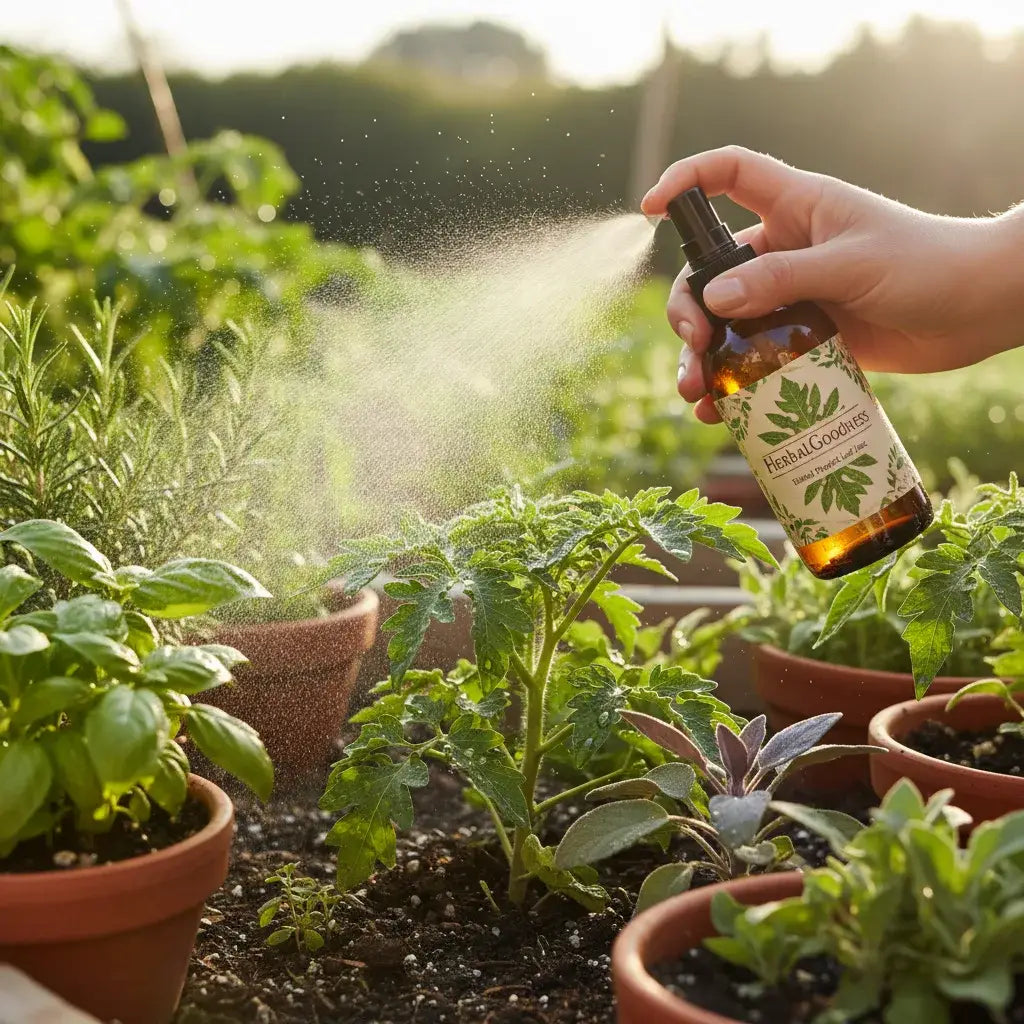
Natural Garden Spray (For Use on Decorative Plants)
Some householders like to lightly spray diluted plant juices onto ornamental foliage as part of routine watering. Always test on a small area and never use on edible crops without thorough rinsing, as papaya leaf juice is bitter and potent. Another plant-based garden booster to try: Sea Moss - Raw Dried from St Lucia - 8oz Bag - Nature's MultiVitamins for nutrient-rich gardening.
Extracting Papaya Leaf Juice: Safe Preparation Methods
Selecting Fresh, Clean Leaves
Always use fresh, young papaya leaves that have been thoroughly washed under running water to remove dust or debris. Organic leaves are preferred for home use.
Simple Extraction Technique
- Cut leaves into strips, discarding the tough stems.
- Blend with a small amount of cold water until finely chopped.
- Pour the mixture through a fine mesh strainer or cheesecloth into a clean bowl, pressing to extract the green juice.
- Skim foam, if present, and use or store immediately.
Flavoring and Balancing Bitterness
Papaya leaf juice is very bitter. To mask or complement this:
- Mix with other flavorful fresh juices, such as lemon, cucumber, or green apple.
- Add a touch of honey, agave, or muddled ginger depending on your chosen use.
- Blending the juice with cooling herbs (mint, basil) softens the sharpness in drinks and culinary applications.
For an extra boost of digestive support in your culinary adventure, consider the Papaya Seed Powder Capsules – Gut & Colon Cleanse Support.
Storage and Safety for Beginners
- Refrigerator: Store juice in a clean, airtight glass jar in the fridge for up to 48 hours. Always label with the date.
- Freezing: Portion into ice cube trays for longer storage.
- Labeling: Mark containers clearly to avoid confusion with other juices.
Always discard juice if there is any change in smell, color, or appearance. If convenience is important, you might enjoy Papaya Leaf Extract Blood Support - Organic 1oz 15X Liquid Extract - Platelet Health for a shelf-stable alternative.
Fun Ideas for Home Experimenters
- Add papaya leaf juice to bath soaks for an intriguing green tint.
- Combine with coconut oil for a homemade hair mask (test on a small section first). For an optimized beauty regimen, try Beauty Builder - 1oz 15X Liquid Extract - Anti-Aging & Skin Elasticity in your rotation.
- Paint garden markers or pots for an eco-friendly crafting session.
- Try as a mild pre-rinse for garden tools before their final rinse.
Embracing plant-based solutions inspires both curiosity and creativity. With just a handful of fresh leaves and a blender, papaya leaf juice opens doors to culinary intrigue, gentle beauty rituals, easy cleaning upgrades, and greener gardening — all while keeping preparation simple and natural.
FAQs:
- What does papaya leaf juice taste like?
Papaya leaf juice has a pronounced bitter taste with earthy green notes. It's intense, so a little goes a long way in culinary and beverage applications.
- How do you make papaya leaf juice at home?
Wash young papaya leaves, chop, and blend with water. Strain through cheesecloth to collect the bright green juice, discarding solids. Use immediately or refrigerate briefly.
- Can papaya leaf juice be used on skin and hair?
Yes, diluted papaya leaf juice is popular in traditional home rinses for hair shine and gentle skin soaks. Always test on a small patch first for sensitivity.
- Is papaya leaf juice safe for all surfaces and laundry?
Avoid using papaya leaf juice on marble, stone, or delicate surfaces, as its acidity may cause staining. It's best for temporary craft dyeing or gentle cleaning on non-porous surfaces.
- Can you freeze papaya leaf juice for later use?
Yes, freeze juice in ice cube trays and store in airtight bags. Thaw individual cubes as needed for recipes, beauty routines, or cleaning solutions.
- What are some creative uses of papaya leaf juice in the garden?
Diluted papaya leaf juice can be poured on compost as a green activator and sprayed (in low concentrations) on ornamental plant leaves. Always test on a small area first.
- How long does papaya leaf juice last in the fridge?
Fresh papaya leaf juice can be kept in a sealed glass jar in the refrigerator for up to 48 hours. Discard if there are any changes in aroma, color, or clarity.
Author Name:
Herbal Goodness Editorial Team
Author Bio:
The Herbal Goodness Editorial Team specializes in holistic health and superfoods, blending science and nature to educate and empower our community.
References:
Introducing Graviola to Young Taste Buds: Fun, Family-Friendly Flavor Exploration
Graviola in the Classroom and at Home: Creative Activities to Teach Kids About Tropical Plants