Papaya Leaf Extract in Skincare: Extraction, pH, and Stability Tips

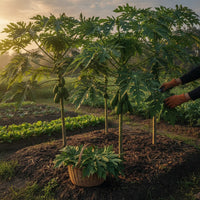
The art of formulating with botanical extracts brings vibrancy and authenticity to handmade skincare, and papaya leaf extract is cherished among herbal enthusiasts for its remarkable characteristics. Whether you are a small-batch maker, an indie skincare brand, or a curious DIYer, understanding the fundamentals of papaya leaf extract sourcing, extraction methods, pH compatibility, and lot stability is essential before you blend that first batch.
Formulators, especially those focused on clean beauty, demand more from their ingredients than ever before. This means knowing how and why you select certain extracts, and how details like extraction solvent, pH, and preservation can affect your end product’s look, feel, and shelf-life. Here, we dive deeper into the technical basics of papaya leaf extract for topical formulations—with enough detail to inspire confidence and experimentation while safeguarding product integrity.
How Extraction Method Shapes Papaya Leaf Extract for Skincare
Water Extraction: The Classic Herbal Approach
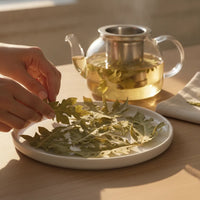
Water-based papaya leaf extracts are highly valued for their accessibility and gentle character. This method typically delivers a light green, translucent extract with a distinctly "fresh-cut" herbal scent. Water extracts tend to capture hydrophilic (water-loving) components—think enzymes and water-soluble phytochemicals, while leaving behind heavier oils and waxes.
- Color: Pale green to yellowish, sometimes with tea-like clarity
- Scent: Clean, grassy, fresh green tea
- Texture: Thin, watery
- Best For: Mists, toners, sheet masks, and water-phase of emulsions
Exploring papaya leaf in tea form, such as Papaya Leaf Tea | Organic 24 Premium Bags – Caffeine-Free, is an easy entry point for those new to the botanical, as it highlights the extract's naturally fresh qualities while offering digestive support in a convenient format.
Glycerin Extraction: Hydration and Stability for Sensitive Skin
Glycerites unite papaya leaf’s herbal actives with vegetable glycerin’s humectant properties. This method is beloved for gentle formulas and adds softness without notable greasiness. Glycerin-extracted papaya leaf typically produces a slightly denser, sweet-smelling liquid, often pale green-brown in hue.
- Color: Light olive or amber
- Scent: Mildly sweet, vegetal, less sharp than water extracts
- Texture: Syrupy, humectant-rich feel
- Best For: Serums, essence gels, calming cleansers, sensitive or dry skin-focused products
For skin-calming blends, working with Papaya Leaf Extract - 1oz 15X Organic Liquid offers a potent and travel-friendly ingredient. Its liquid format can be easily added to DIY serums or masks for targeted hydration and herbal nourishment. Those seeking a larger, value-friendly option may prefer the Organic Papaya Leaf Extract 16oz | 15X Liquid – Best Value Size for bigger batch cosmetic projects.
Oil Extraction: For Lipids and Sensory Luxury
Oils like jojoba, sunflower, or fractionated coconut can be used as carriers for oil-soluble papaya leaf compounds. Oil infusions pull out different actives than water or glycerin extractions do, and are excellent for products aiming for emollience, richness, or barrier support.
- Color: Deep green or golden, depending on infusion time and plant-to-oil ratio
- Scent: Earthy, green, with notes of pressed leaves
- Texture: Oily, luxurious, leaves a subtle sheen
- Best For: Balms, facial oils, creams, salves, and lipid-rich emulsions
The lipidic character of oil extractions is especially useful for craft balms and rich creams. Pairing these with the concentrated essence found in Papaya Leaf Extract 10X Capsules 600mg | Platelet & Digestive Aid supports diverse formulation options, from ingestibles to supportive topicals for intensive routines.
Ethanol and Hydroalcoholic Extraction: Potency and Versatility
Ethanol acts as a powerful solvent, extracting both water- and alcohol-soluble compounds and concentrating them for strong aroma and color. Papaya leaf ethanol extracts tend to display a vibrant green pigment and sharper, more complex leafiness in scent.
- Color: Emerald green to olive
- Scent: Herbal, grassy, more intense than water or glycerin
- Texture: Watery, quickly absorbed
- Best For: Toners (in low-alcohol percentages), spot treatments, or actives added to emulsions (with solubilizers as needed)
The versatility of alcohol-extracted papaya leaf is appealing to both at-home experimenters and boutique makers. Integrating Blood Platelet Support with Papaya Leaf | Organic 15X Liquid Extract, which also features supporting phytonutrients, can boost your formulations’ functional profile while helping maintain stability.
CO2 Extraction: Clean, Potent, and Lipophilic
CO2 extraction is a modern, solvent-free process using pressurized carbon dioxide. This method yields a highly concentrated papaya leaf extract, rich in oil-soluble actives and nearly solvent-free. These extracts are prized for their potency, clean sensory profile, and broad-spectrum lipid molecules.
- Color: Deep, rich green
- Scent: Pure, intense, less oxidized than other solvent extracts
- Texture: Viscous oil or paste, depending on fractionation
- Best For: High-impact serums, premium creams, balms, and luxury skincare
Extraction Method Takeaways for Formulators
- Extraction choice dictates end-use: Lighter extracts for watery products, heavier/lipidic for oils and creams
- Sensory attributes—color, scent, texture—will vary widely
- Each method changes the actives present; research which extraction aligns with your goal

Understanding pH and Preservative Compatibility in Papaya Leaf Topicals
Why pH Matters with Papaya Leaf Extract
pH, the measure of how acidic or alkaline your formula is, plays a significant role in both product stability and compatibility. The pH of papaya leaf extract itself varies based on extraction method. Water and glycerin extracts often fall between 4.5 and 6.5, while oil infusions do not have a true pH (aqueous pH only applies where water is present). Alcohol extracts may be slightly more acidic.
Key Tips for Formulators:
- Check the pH of your specific extract batch, especially for sensitive skin products
- Target a finished product pH in the skin-friendly range (usually around 4.5–6), unless your formula specifically requires otherwise
- Some preservatives (e.g., potassium sorbate) only work in a narrow pH range. If your formula shifts outside these ranges, support with compatible systems
Those working with Papaya Leaf Extract - 1oz 15X Organic Liquid or Organic Papaya Leaf Extract 16oz | 15X Liquid – Best Value Size for custom formulations should always monitor the pH of the finished product to ensure a safe and stable blend. Proper pH is not only vital for skin compatibility but also for activating preservative systems, which is particularly critical in water or glycerin extracts that lack alcohol's self-preserving qualities.
Preservative Considerations
Botanical extracts offer a fertile substrate for microbial spoilage. When working with papaya leaf extracts, consider:
- Water and glycerin extracts (especially homemade): Always require adequate preservation
- Alcohol extracts (>20% ethanol): Claim some self-preserving properties, but always check and monitor
- Oil infusions: Typically shelf-stable due to absence of water, but still risk oxidation
Test your finished formula for preservative efficacy, especially for commercial or repeated personal use. Respect supplier recommendations and stability reports—these outline which preservatives are compatible (and at what concentrations) for papaya leaf extracts.
<formulators wishing to enhance their topical blends' efficacy can experiment with both the Organic Papaya Leaf Extract 16oz | 15X Liquid – Best Value Size and Papaya Leaf Tea | Organic 24 Premium Bags – Caffeine-Free in varied extraction and blending scenarios, paying close attention to the preservation needs of each system. Proper preservation ensures your handcrafted creations remain safe, effective, and shelf-stable.

Simple At-Home Stability and Sensory Checks for Small-Batch Formulations
Visual and Sensory Changes to Monitor
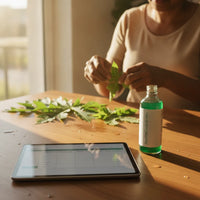
Once you’ve blended your papaya-based creation, you want assurance that it will stay fresh and functional. For makers without a formal lab, a few simple checks are invaluable:
1. Color Change:
- Log the initial extract and product color in natural light
- Watch for unexpected browning, fading, or separation during storage
2. Scent Evolution:
- Papaya leaf extracts can shift scent as plant actives degrade
- A sudden off-odor or sourness is a warning sign
3. Texture and Separation:
- Oil infusions can cloud or separate if water sneaks in
- Emulsions can separate over time if improperly stabilized
- Stir, shake, and observe over a few weeks for early warning signs
Quick DIY Stability Practices
- Store sample batches in clear glass jars in varied environments (dark/cool, light/warm)
- Monitor for visible mold, texture changes, or sediment buildup
- Compare to a fresh control batch for changes
- Document everything — label jars with batch date, pH, and ingredients
For longer shelf life or retail use, formal lab testing (preservative efficacy, microbial challenge) is always encouraged. Still, for at-home or hobby makers, consistent observation and well-documented trialing help ensure safety and enjoyment. Investing in a reliable extract, such as Papaya Leaf Extract 10X Capsules 600mg | Platelet & Digestive Aid, can reinforce confidence in the active quality of your base ingredient and the long-term integrity of your skincare.

Sourcing Quality Papaya Leaf Extract: Key Lab Data and Labeling Tips
Data to Request from Suppliers
Transparency is essential when evaluating papaya leaf extracts for cosmetic use. Make sure suppliers offer:
- Certificate of Analysis (COA): Details appearance, odor, pH, solvent residue, microbial counts
- Extraction Method: Specifies water, glycerin, oil, ethanol, or CO2 process
- Preservative System Used: Full disclosure of food-grade or cosmetic preservatives (if applicable)
- Solubility: Water, oil, or alcohol solubility information
- Shelf Life and Storage Guidance: Optimal conditions to preserve actives
If using Herbal Goodness or another supplier, care for these aspects—as clean labeling, batch traceability, and safety documentation are essential for both compliance and peace of mind. Choosing Blood Platelet Support with Papaya Leaf | Organic 15X Liquid Extract provides not just functional support but peace of mind through clear labeling and research-backed formulation.
Decoding Ingredient Labels: What to Look For
- INCI Names: International Nomenclature (e.g., Carica Papaya (Papaya) Leaf Extract)
- Additional Ingredients: Note carriers, solvents, and preservatives like potassium sorbate, sodium benzoate, or phenoxyethanol
- Claims of Organic, Non-GMO: Confirm documented proof and certifications
A Holistic Formulating Mindset
Formulating with papaya leaf extract for skincare is equal parts science and sensory art. Start by choosing the right extraction—water, glycerin, oil, ethanol, or CO2—to suit your product’s purpose. Honor the nuances of pH and preservative compatibility, since every batch of botanic material can subtly shift. Commit to simple but regular at-home stability checks, and never be afraid to dig deeper into supplier documentation before adding new ingredients to your routine or brand.
As herbal and green beauty continues to deepen its standards, these practical basics empower makers of every level to create safer, more beautiful, and botanically vibrant skincare. An educational path grounded in thoughtful formulation and ingredient integrity yields products that are as reliable as they are inspired.
Frequently Asked Questions
Question 1: What extraction method is best for papaya leaf skincare?
Answer: The best extraction method depends on your target product. Water extracts are perfect for mists and toners, glycerin extracts for serums and sensitive skin, and oils for balms and rich creams. Consider trying Papaya Leaf Extract - 1oz 15X Organic Liquid for easy blending.
Question 2: How can I ensure the stability of my homemade papaya extract product?
Answer: Label your jars with batch info, regularly observe for color or scent changes, and always compare against a fresh control. Investing in high-quality ingredients such as Organic Papaya Leaf Extract 16oz | 15X Liquid – Best Value Size ensures a strong start.
Question 3: Does papaya leaf extract require preservatives?
Answer: Yes, if you use water or glycerin extractions, adequate preservation is vital, especially in DIY or low-alcohol blends. Use commercial standards when making topical products to keep them safe and effective.
Question 4: What pH is suitable for topical papaya leaf extract products?
Answer: Aim for a finished product pH between 4.5 and 6 for skin compatibility. Test your batch if you use extracts like Papaya Leaf Extract - 1oz 15X Organic Liquid and adjust as needed.
Question 5: How do I select a high-quality papaya leaf extract?
Answer: Request a Certificate of Analysis (COA), confirm extraction methods, and look for transparency in ingredients. For functional and label clarity, Blood Platelet Support with Papaya Leaf | Organic 15X Liquid Extract is a reputable option.
Question 6: Can I use papaya leaf extract capsules in topical formulations?
Answer: Most capsules like Papaya Leaf Extract 10X Capsules 600mg | Platelet & Digestive Aid are designed for ingestion, but the powder inside can sometimes be used for DIY masks or treatments after proper research.
Question 7: Is papaya leaf tea a good ingredient for skincare blends?
Answer: Yes, Papaya Leaf Tea | Organic 24 Premium Bags – Caffeine-Free can be brewed and used as a gentle base for water-phase formulations or calming soaks.
Ready to start formulating or sourcing quality papaya leaf extract? Use these best practices and always prioritize trusted suppliers with transparent lab data to ensure your skincare creations are vibrant, safe, and effective.
About the Author
Herbal Goodness Editorial Team
The Herbal Goodness Editorial Team specializes in holistic health and superfoods, blending science and nature to educate and empower our community.
Related Articles
Alcohol vs Alcohol-Free Papaya Leaf Liquid Extract: Which Is Best?
How to Compare Papaya Leaf Extract Brands: A Practical Checklist Guide
How to Make Papaya Leaf Extract at Home: Easy Step-by-Step Small Batch Guide
Is It Safe to Take Papaya Leaf Extract Every Day? A Research-Based Guide
Papaya Leaf Extract vs Papaya Enzyme: Key Differences, Uses, and Label Guidance