Packaging Choices for Herbal Tea Contract Manufacturing: Sustainability, Shelf Life & Consumer Experience
Selecting the right packaging format is a pivotal decision for herbal tea brands entering or expanding in the contract manufacturing space. The range of available packaging—from traditional loose-leaf bags to innovative cold-brew pouches and ready-to-drink bottles—reflects not just shifts in consumer tastes, but complex trade-offs around freshness, sustainability, and user experience. Understanding these choices allows brand owners and developers to align their product vision, operational strategy, and environmental values.
Understanding Popular Herbal Tea Packaging Formats
Herbal tea contract manufacturing offers brands a menu of packaging choices to fit diverse marketing and operational needs. Each format brings its own set of advantages and trade-offs for cost, shelf life, and consumer interaction. Here’s a non-technical overview of the common options:
If you’re exploring packaging formats and need a reliable supplier to support your product development journey,
click here to fill our form.
Loose-Leaf Packaging
Loose-leaf herbal teas are often packed in resealable pouches, canisters, or tins. This format appeals to tea enthusiasts who enjoy ritual, dosing control, and variety.
Key Considerations:
- Freshness: Properly sealed, high-barrier pouches or tins can help maintain aroma and botanical vibrancy, though loose-leaf may gradually lose volatile compounds once opened.
- Cost: Simple pouches are among the most cost-effective options; robust tins improve preservation and perceived value but increase material and shipping costs.
- Sustainability: Material choice varies—foil-lined pouches offer superior protection but are less eco-friendly. Paper and compostable pouch options are available.
- Consumer Experience: Appeals to buyers who enjoy measuring, blending, and controlling steep times—often considered a premium or artisan experience. For those seeking to purchase premium blends in this format, Bulk Loose Leaf Teas & Tisanes - Organic 4oz - Herbal Wellness Teas offer variety and customization for home use.
Single-Serve Sachets and Traditional Tea Bags
Individually portioned sachets or tea bags are the most widespread consumer preference for convenience and portability. Contract manufacturers typically fill these sachets with cut-and-sift herbal blends.
Key Considerations:
- Freshness: Individually wrapped sachets in moisture- and oxygen-barrier envelopes help preserve delicate herbal notes long-term.
- Cost: Economical at scale, but the cost per unit can increase if wrappers are biodegradable or feature premium materials.
- Sustainability: Sachets made from unbleached paper, plant-based fibers, or even compostable PLA are increasingly common. Overwrapping (outer envelopes) can be optimized to reduce landfill waste. For an example of eco-friendly sachets focusing on wellness, explore Bamboo Leaf Tea – 24/1.5g Tea Bags - Nature's Collagen & Biotin, which meet many consumers' expectations for both quality and convenience.
- Consumer Experience: Simple, no-mess format familiar to most tea drinkers; often chosen for food service, travel, or gifts.
Compostable and Specialty Tea Bags
With eco-conscious consumers in mind, compostable tea bags and sachets are gaining traction. Materials include plant-based fibers, corn starch derivatives, and stitched (not glued) structures.
Key Considerations:
- Freshness: Compostable options now approach conventional tea bags in protecting herbs from excess air and moisture, though trade-offs remain in barrier performance.
- Cost: Materials and manufacturing complexity may be higher, but align with brands prioritizing eco-values and transparent sourcing.
- Sustainability: Designed for minimal landfill impact—many suitable for at-home composting. Product certifications (e.g., certified compostable, biodegradable) help brands communicate their environmental commitments.
- Consumer Experience: Signals sustainability directly to shoppers; some compostable bags can have a different texture or aesthetic. The Soursop Leaf Tea Graviola Leaves - Organic 24/2g Tea Bags - Immunity & Cell Renew demonstrates this commitment by delivering wellness in a convenient, compostable sachet.

Cold-Brew and Infusion Pouches
Cold-brew pouches contain loose herbs inside oversized bags designed for steeping directly in cold water. These are popular with brands targeting wellness, hydration, or on-the-go experiences.
Key Considerations:
- Freshness: Often individually wrapped for maximum flavor retention. Barrier pouches are important for shelf stability.
- Cost: Oversized silk or mesh bags and specialty wrappers add to costs, though the finished format adds value for innovation.
- Sustainability: PLA, plant-based fibers, and minimal outer packaging are common. Proper labeling ensures consumer awareness of disposal instructions.
- Consumer Experience: Reduces brewing complexity—just drop, infuse, and go. Excellent for retailers and brands expanding into ready-to-drink alternatives. Wellness Tea Blends – 4oz Organic Premium Herbal Infusions can be utilized for such innovative cold-brew formats.
Ready-to-Drink Herbal Tea Bottles
Ready-to-drink (RTD) herbal tea brings the finished beverage directly to shelves, often in glass or PET bottles. This is the most processed, shelf-stable format, often requiring more involved contract manufacturing partnerships.
Key Considerations:
- Freshness: Pasteurization, preservatives (where used), and vacuum or aseptic filling methods extend shelf life dramatically versus loose or bagged teas.
- Cost: Higher per-unit costs due to ingredient processing, bottling infrastructure, and distribution weight.
- Sustainability: Glass is infinitely recyclable and preferred for premium image; lightweight PET is easier to transport but may require additional recycling commitment. Some RTD brands adopt packaging derived from plant-based plastics.
- Consumer Experience: Ultimate convenience—no prep required. Often supports functional, wellness, or on-trend flavor combinations. For those who want immediate herbal goodness, ready-to-drink formats complemented with extracts such as Soursop Leaf Graviola Extract - - Organic 15X Liquid Extract - Cell Renew & Immunity offer great potential for product innovation.

Sustainability Considerations in Herbal Tea Packaging
As sustainability rises to the top of consumer buying criteria, herbal tea brands are choosing packaging that limits environmental impact and aligns with their mission. Here are some of the key questions and trends shaping the landscape:
- Material Sourcing: What percentage of the packaging is made from recycled or renewable resources?
- End-of-Life: Can consumers compost, recycle, or responsibly dispose of the packaging in typical residential waste streams?
- Certifications: Are materials third-party certified (compostable, biodegradable, recyclable, etc.)?
- Secondary Packaging: How is outer boxing or wrapping handled—can it be reduced, eliminated, or switched to more sustainable options?
- Transparency: Does the packaging clearly communicate sustainability (e.g., labeling, QR codes, website education)?
Brands must balance the drive for sustainability with product quality, shelf life, and budget realities—all considerations that herbal tea contract manufacturers help navigate. For loose blends, Bulk Herbs & Roots Online for Tea, Tinctures & DIY Wellness - Organic 4oz Bags offer economical options that align well with sustainability and volume needs.
How Packaging Influences Herbal Tea Shelf Life and Freshness
Shelf life is a central concern in contract manufacturing. Herbs and botanicals rely on packaging to protect against:
- Moisture: Excess humidity can degrade herbs, causing them to lose aroma and potency more rapidly.
- Oxygen: Prolonged exposure can dull flavor and aromatic compounds, especially in aromatic botanicals.
- Light: UV and visible light may accelerate fading and oxidation of delicate plant materials.
- Contamination: Air-tight packaging reduces exposure to dust, airborne substances, and accidental handling during transport.
Determining the right format involves quantifying expected shelf life, evaluating how the product will be stored and shipped, and matching packaging technology (e.g., foil-lined pouches, UV-blocking bottles) to herbal blend sensitivity. Solutions such as Papaya Leaf Extract 16oz – Organic 15X Liquid Papaya Leaf Herbal Supplement, packaged in secure UV-resistant bottles, exemplify these priorities for liquid formulas.
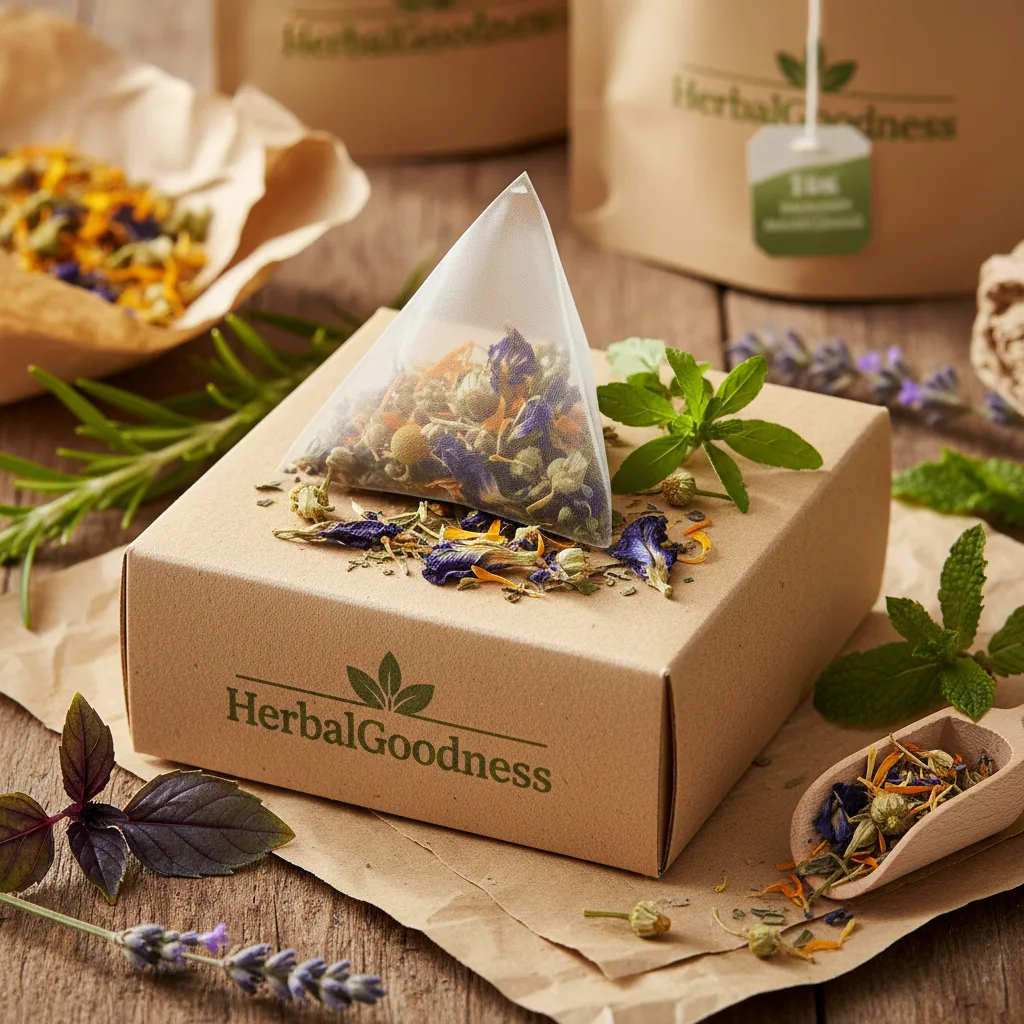
Consumer Experience: Beyond the First Impression
The way a consumer experiences herbal tea begins with the visual and tactile cues of packaging. It informs:
- First Impressions: Packaging materials, graphics, and even sound (e.g., popping a tin) can position the product as premium, accessible, or wellness-oriented.
- Ease of Use: Bagged formats simplify brewing, while loose-leaf may require infusers or strainers, influencing frequency of use. Herbal blends found in Herbal Tea Gift Set – Wellness Tea Gift Variety Collection - Organic 24 Teabags are frequently selected for convenience and quality packaging.
- Education: Packaging real estate is an opportunity to instruct (“steep for 5 minutes”), inform (origin, sustainability commitment), or inspire (brand story, wellness suggestions).
- Portability: On-the-go pack sizes increase occasions for use—critical in today’s fast-paced market.
Brands that thoughtfully pair packaging with consumer expectations set the stage for strong engagement and loyalty. For those seeking a signature wellness collection that showcases various packaging types, consider Organic Herbal Tea Trio as a branding case study.
A Simple Packaging Checklist for Herbal Tea Brands
Choosing a packaging route within contract manufacturing involves evaluating not just cost, but how the format projects your brand story and serves consumers.
Key Questions for Brands:
- What is your primary target market—enthusiasts, casual drinkers, wellness-focused consumers?
- How important is convenience? Will customers brew at home, or require single serve, on-the-go solutions?
- What’s your must-have shelf life? Will the tea be exposed to high humidity, heat, or prolonged transport?
- What role does sustainability play in your brand ethos and product positioning?
- Are you ready to invest in specialty formats (compostable, ready-to-drink) for brand differentiation?
- How much information do you want to provide on-pack (e.g., brewing instructions, certifications, sourcing stories)?
- What are your budget limits for both primary and secondary packaging—have you factored in total cost per serving, shipping weight, and storage?
Using this checklist helps ensure packaging decisions support the core goals of your herbal tea business and guide meaningful discussions with contract manufacturing partners. Choosing featured blends such as Hibiscus Tea - Organic 24/2g Tea bags - Heart Health can also serve as a reference for both formulation and presentation.
Ready to move from planning to execution with a trusted herbal supplier?
click here to fill our form.
Aligning Business Strategy with Packaging Decisions
Innovations in sustainable materials and brewing formats now allow herbal tea brands to align operational needs with customer values. By working closely with an experienced herbal tea contract manufacturer, brands can find solutions that:
- Optimize shelf stability and freshness, thanks to technical advances in packaging materials
- Reduce environmental footprint with compostable or recyclable options
- Enhance consumer experience, supporting education and loyalty
- Stay within practical budget and logistics limits
With intentional packaging choices, herbal tea brands can unlock new channels and delight a growing, engaged audience.
FAQs:
- What is the difference between loose-leaf and sachet packaging for herbal tea?
Loose-leaf packaging offers flexibility and a premium experience for consumers who enjoy dosing and customizing their brews. Sachets are portioned for convenience, require less preparation, and often appeal to those seeking ease and portability.
- Are compostable tea bags as effective as regular tea bags for preserving freshness?
Compostable tea bags have improved significantly in maintaining freshness, though traditional foil-lined or plastic-based wrappers typically offer longer-lasting protection. Choosing high-barrier compostable materials can help balance eco-friendliness and shelf life.
- How does packaging influence the shelf life of herbal tea?
Packaging serves as a critical barrier against moisture, oxygen, and light—all of which can degrade herbs over time. The correct choice of material and closure method can extend shelf life, preserving flavor and aroma.
- Which packaging formats are considered most sustainable in herbal tea contract manufacturing?
Compostable tea bags, pouches made from renewable plant fibers, and recyclable tins or glass jars are top choices among sustainable formats. Always verify certifications like compostability or recyclability for your market.
- What should brands consider when selecting packaging for herbal tea products?
Brands should align packaging decisions with product goals, target consumer preferences, expected shelf life, sustainability priorities, and budget. It’s helpful to use a checklist when discussing options with a contract manufacturer.
- How can ready-to-drink herbal tea packaging support brand differentiation?
Ready-to-drink herbal tea packaging offers ultimate convenience and allows for unique branding with bottle design or labeling. It appeals to consumers seeking immediate, portable options and can showcase innovative flavors or functional ingredients.
Author Name:
Herbal Goodness Editorial Team
Author Bio:
The Herbal Goodness Editorial Team specializes in holistic health and superfoods, blending science and nature to educate and empower our community.
References:
Guide to Tea Packaging– Speciality Food Magazine
Benefits of Sustainable Packaging – Environmental Protection Agency (EPA)