Organic Herbal Tea Supply Chains: Understanding Sourcing and Providers

Organic herbal tea supply chains guide dried leaves and botanicals from small farms through processing and packaging, eventually connecting with wholesale suppliers and reaching curious buyers or small retailers. If you've ever wondered how your fragrant herbal infusions begin their journey and what questions to ask your source, understanding this system empowers you to make informed, values-driven choices. This educational walkthrough reveals the foundational steps and responsibilities of each participant in the organic herbal tea supply chain, spotlighting principles of transparency, seasonality, packaging, and traceability.
Unpacking the Organic Herbal Tea Journey: From Field to Cup
Herbal teas, sometimes called tisanes, can include leaves, flowers, roots, or seeds of a wide range of botanicals. When these are grown organically, additional care is required throughout the supply chain—from cultivation to finished product—to preserve integrity and honor consumer trust.
The Role of Organic Farms and Growers
Organic tea cultivation begins with farms that adopt sustainable agricultural methods, refraining from the use of synthetic inputs. These farms may be family owned, cooperative-run, or certified by regulatory bodies. Key aspects typically include:
- Soil health management: Building rich organic matter with compost, natural cover crops, and rotation.
- Responsible water use: Implementing smart irrigation and protective drainage systems.
- Natural plant health: Nurturing diverse ecosystems to support pest resistance and promote pollinators.
Some organic herbal tea brands, such as Herbal Goodness, work closely with farmers or cooperatives to ensure that these nurturing practices are followed and documented. Certifications like USDA Organic or Fair Trade can add layers of third-party verification, but direct relationship-building is also valued for assuring quality and ethics.
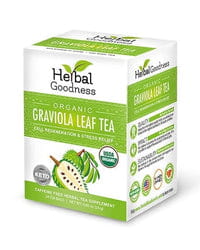
A great example of a product embodying these values is the Soursop Leaf Tea Graviola Leaves - Organic 24/2g Tea Bags - Immunity & Cell Renew, which sources organically cultivated botanicals and ensures the process is well documented. This approach sets the stage for full transparency across the entire tea journey.
Cooperative Systems and Collective Sourcing
Often, especially in regions where smallholder farms are common, growers form cooperatives. These groups:
- Pool resources for processing infrastructure and logistics.
- Negotiate collectively with processors or wholesale buyers.
- Share knowledge on organic growing practices.
- Facilitate traceability and certification through group compliance.
Membership in a cooperative can improve livelihoods and increase the consistency, quality, and quantity of herbal botanicals available to supply chains.
For those seeking premium ingredients for blends and infusions, working with trusted cooperatives or choosing transparent sources such as our Bulk Herbs collection is a way to support collective growing systems and the highest quality outputs.
The Processing Stage: Preserving Quality and Integrity
Once harvested, herbal botanicals undergo several processing steps to prepare them for the market. Common processes include:
- Cleaning and Sorting: Removing foreign matter, grading by size or appearance.
- Drying: Air-drying, sun-drying, or controlled dehydration to preserve active plant compounds.
- Cutting, Sifting, and Milling: Achieving the right particle size for loose-leaf tea, sachets, or blends.
- Quality Control: Ensuring minimal contamination, consistent flavor, aroma, and appearance.
Processors who specialize in organic tea follow strict protocols to avoid cross-contact with non-organic materials and maintain full traceability.
Papaya Leaf Tea - Organic 24/2g Tea Bags reflects these processing standards, delivering freshness and purity that begins at the farm and extends through the final blend.
Packaging and Preserving Freshness
Packaging is a critical bridge between the supply chain and the final consumer. For organic herbal teas, packaging considerations can include:
- Material selection: Food-grade pouches, recyclable or compostable options, or glass jars to minimize chemical exposure.
- Batch coding and documentation: Allowing traceability from packaged product back through each supply chain stage.
- Protection from light, moisture, and air: Proper sealing and opaque packaging help retain aroma and beneficial plant constituents.
Sustainability-minded brands often select packaging that balances shelf life, environmental impact, and consumer convenience.
For buyers concerned with preserving the utmost in quality, choosing Wellness Tea Blends - Organic 4oz - Premium Herbal Infusion offers peace of mind, since each batch is coded and carefully sealed to maintain the benefits and flavors of the herbs within.
Wholesale Supply and Distribution Networks
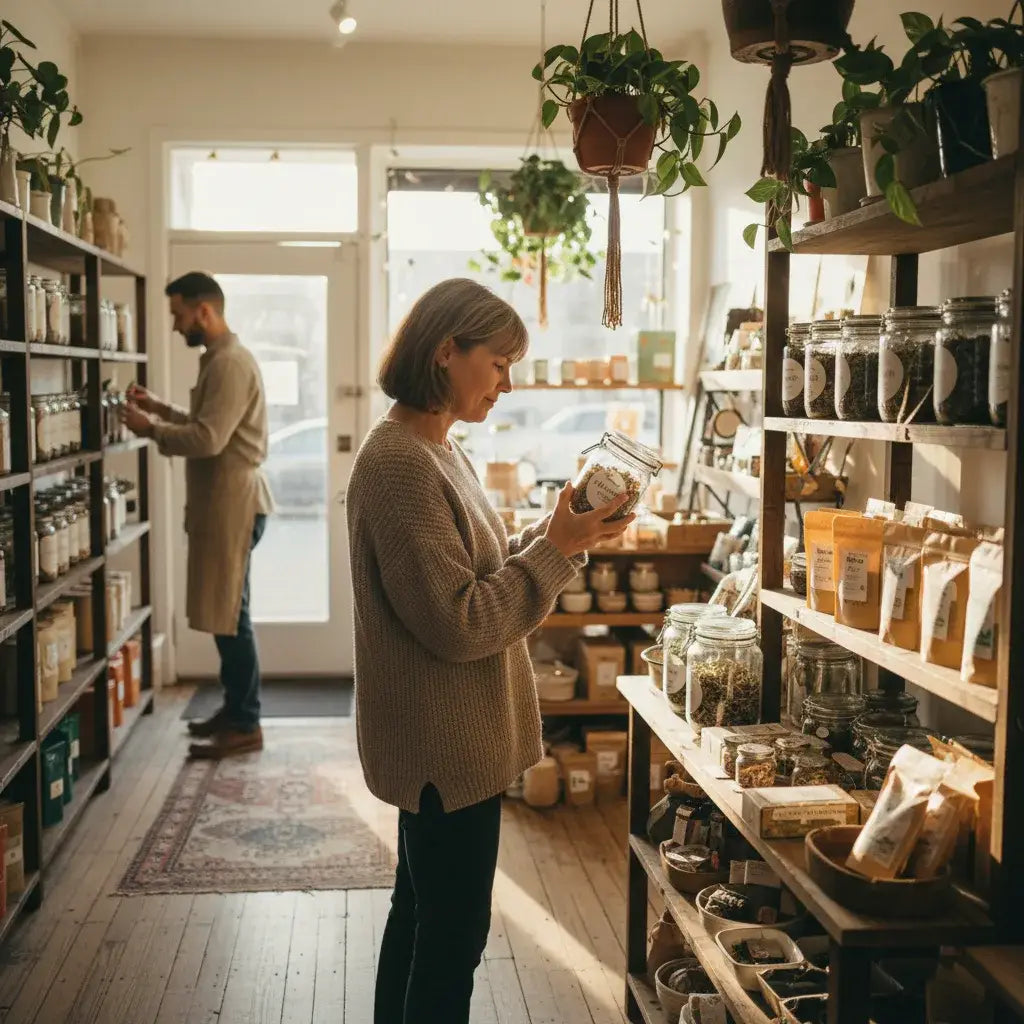
At the end of the primary supply chain, processors sell their products to wholesalers, who in turn distribute to retailers, practitioners, or buyers sourcing for blending or private labeling. Key priorities for wholesale providers include:
- Maintaining product integrity during transport and storage.
- Providing transparency through documentation, batch numbers, and origin details.
- Offering support to buyers with questions about sourcing, seasonality, ingredients, or sustainable practices.
Transparency and open communication between wholesalers, retailers, and end consumers help establish trust. If you’re a retailer or wellness provider, the organic herbal teas can be an ideal solution for maintaining high standards from supplier to customer.
If you are a retailer, wellness practitioner, or business interested in sourcing organic herbal teas in bulk, click here to fill our form to join our wholesale program.
Essentials of Traceability in Organic Herbal Tea
In the organic tea ecosystem, traceability means the ability to track every batch from farm to finished tea package. This accountability supports quality, safety, and transparency—the hallmarks of reputable herbal tea providers.
What Traceability Looks Like
- Detailed records: Farms, cooperatives, processors, and wholesalers document everything from sowing dates to batch packaging.
- Lot numbers: Products are marked with codes that allow each lot to be traced through every step.
- Third-party audits: Certifying bodies may periodically inspect records and facilities as a compliance check.
Traceability safeguards both buyer and supplier by fostering shared accountability and facilitating questions about purity, origin, or organic standards. As awareness grows in the herbal tea industry, traceability is now expected by quality-focused retailers and many individual buyers. If full transparency is a core value, look to providers who clearly detail origin and quality, such as the Bamboo Leaf Tea – 24/1.5g Tea Bags - Nature's Collagen & Biotin, which features clear batch tracking from farm to final package.
Seasonal Factors and the Nature of Organic Supply
Nature runs on cycles, and so does the organic herbal tea world. Many botanical ingredients are harvested during specific windows for peak aroma, flavor, and quality. Seasonality impacts:
- Availability: Certain herbs may be in limited supply at particular times of year.
- Pricing: Harvest time, weather, and crop yields can affect costs.
- Freshness: New harvests may offer stronger aromatic or flavor notes; older inventory could be discounted or sold in blended teas.
For wholesale buyers and small retailers, understanding seasonality is essential for planning, ordering, and customer education. Engaging with knowledgeable suppliers helps anticipate these fluctuations. Stocking flexible blends such as Graviola, Hibiscus, Bamboo Herbal Tea Trio – Bundle (3 Packs) ensures varied seasonal flavors are always available, even as individual botanical yields change throughout the year.
Questions for Buyers: Building Confidence with Your Tea Provider
If you are a curious buyer, product developer, or small retailer, you have the right to ask meaningful questions to better understand the journey of your organic herbal tea. Consider these:
- Where were these botanicals grown, and who are the farmers or cooperatives?
- What organic certifications support your sourcing, and can you share documentation?
- How is traceability managed from farm to packaged tea?
- What are your preferred processing and packaging methods for preserving freshness?
- Can you provide information on seasonal harvests and ingredient availability?
- How do you ensure sustainability and fair working conditions in your supply chain?
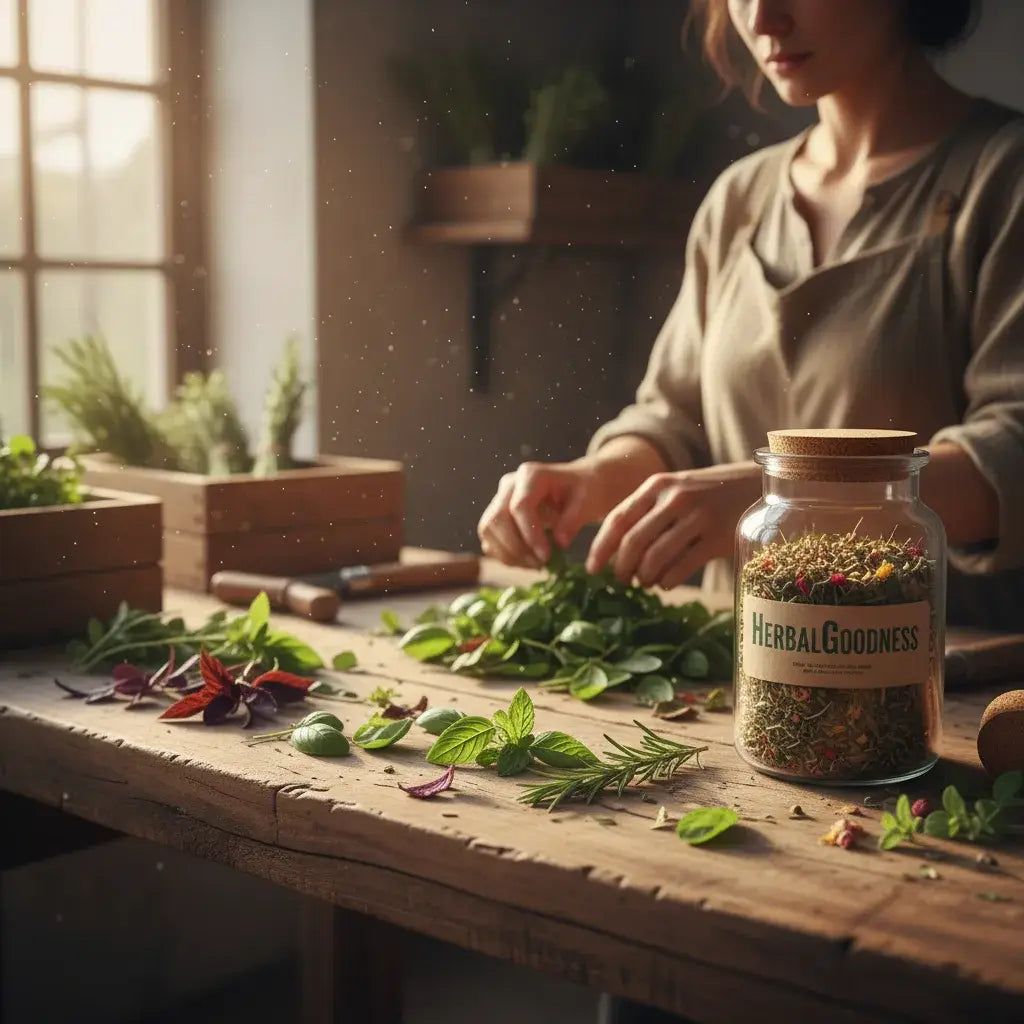
A thoughtful supplier will welcome your interest and provide detailed, transparent answers. Herbal Goodness, for example, may offer insights into sourcing practices, certification, and packaging choices, helping you build confidence in your selection. For a gift or to sample multiple organic blends, the Herbal Tea Gift Set – Wellness Tea Gift Variety Collection - Organic 24 Teabags is a wonderful introduction to traceable and sustainable sourcing.
If you're exploring reliable sourcing partners for your retail store, tea brand, or wellness business, click here to fill our form to apply for our wholesale program.
Understanding Quality Standards and Ethical Sourcing
Organic herbal tea supply chains increasingly emphasize both quality and ethical responsibility. Here’s what sets high-quality, ethically sourced herbal tea apart:
- Organic certifications indicate adherence to stringent farming and processing standards.
- Sustainable agriculture practices are prized for soil preservation and biodiversity.
- Fair working conditions and equitable pricing support grower communities.
- Audited supply chains offer buyers extra assurance of consistency and best practices.
As the herbal tea market grows, these markers of quality and integrity are vital for anyone seeking to align their purchasing choices with personal values and consumer expectations. For bulk needs or those looking to offer exclusive blends to customers, our Bulk Herbs collection cater to both quality and transparency in sourcing.
The Evolving Marketplace for Organic Herbal Tea
The organic herbal tea supply chain is both complex and dynamic. Innovative processing techniques, changing consumer tastes, and increasing demands for sustainability all influence how botanicals are sourced, packaged, and delivered. Traceability and transparent documentation are becoming standard benchmarks. Seasonality and regional diversity continue to shape the character of every cup.
Small retailers and independent buyers are empowered to participate in this dynamic marketplace by understanding the roles of farms, cooperatives, processors, and wholesalers. Choosing providers who prioritize traceability, ethical sourcing, and quality control ensures that each purchase supports not just fine flavor, but also fairness, stewardship, and respect for nature’s rhythms.
Whether you’re exploring organic herbal tea for your business or personal enjoyment, understanding the journey from farm to supplier can help you choose confidently and align with your values.
If you're interested in partnering with us for bulk organic herbal teas, click here to fill our form and apply for our wholesale program.
FAQs:
- What makes an herbal tea supply chain organic?
An organic herbal tea supply chain uses only botanicals grown without synthetic inputs and follows documented procedures from farming through processing and packaging. Each ingredient can be traced back to sustainable and environmentally responsible cultivation practices.
- How do cooperatives benefit small herbal tea farmers?
Cooperatives support small farms by pooling resources for infrastructure, negotiating collectively with buyers, sharing organic know-how, and helping farmers access certifications and larger markets they might not reach individually.
- Why is traceability important for organic herbal tea?
Traceability allows every batch of herbal tea to be tracked through each supply chain stage, ensuring accountability, authentic origin, and compliance with organic and ethical standards—providing confidence for both buyers and consumers.
- How does seasonality impact herbal tea supply?
Seasonality influences the harvesting times, availability, and pricing of many botanicals used in herbal teas. Some ingredients may only be collected during certain months, affecting how much is available during the rest of the year.
- What should buyers ask to verify organic sourcing?
Buyers should inquire about origin, certifications, traceability systems, processing and packaging methods, seasonal harvest cycles, and sustainability or ethical labor practices to ensure genuine and responsible organic sourcing.
- How is packaging chosen for organic herbal tea?
Packaging is selected to protect tea quality, preserve aromas, and provide traceability. Sustainable brands often choose eco-friendly, food-grade, and batch-coded materials to minimize environmental impact and maintain freshness.
- What defines an ethical herbal tea supplier?
Ethical herbal tea suppliers prioritize fair working conditions, transparent sourcing, sustainable farming, and rigorous documentation throughout their supply chain, ensuring both quality and responsibility.
Author Name:
Herbal Goodness Editorial Team
Author Bio:
The Herbal Goodness Editorial Team specializes in holistic health and superfoods, blending science and nature to educate and empower our community.
Related Blogs:
America’s Best-Selling Herbal Products: What Shoppers in McKinney, TX Need to Know
Where to Buy Kids' Liquid Herbal Supplements: Parent's Guide to Shopping Options and Evaluations
Smart Ways to Find Real Savings on Mullein Leaf Extract Online
What’s it Called When You Use Herbs Instead of Medicine? A Plain-Language Guide
Papaya Seeds for Kids: Safe Preparation, Texture Tips & Easy Recipes
Chaparral Herb Guide: Identification, Sourcing, and Safety for Beginners
Best Soursop Bitters to Buy: Plain-English Guide to Shopping Smarter
Tasting Ashwagandha at Night: Flavorful Recipes and Evening Blend Ideas
Does Hibiscus Tea Contain Caffeine? Understanding Blends, Processing, and Labels