





Organic Gymnema Leaf Tea: Environmental Buying Guide & Tips

For many tea lovers, savoring a cup of organic gymnema leaf tea is a daily ritual. But beyond flavor, aroma, and wellness interest, have you ever considered the environmental story behind your cup? Understanding the environmental footprint of buying organic gymnema leaf tea can help you make choices that feel as good for the planet as they do for your body. From farm to teacup, choices like local versus imported supply, small-batch or bulk, and loose-leaf or tea bags all leave their mark on the earth. This guide unpacks the carbon considerations in your tea buying journey, highlights the right questions to ask sellers, and shares practical steps for a more sustainable brew.
What Is the Environmental Footprint of Organic Gymnema Leaf Tea?
The environmental footprint, or carbon footprint, of any food or drink product refers to all the greenhouse gases—like carbon dioxide—released throughout its lifecycle. For gymnema leaf tea, this means considering the energy and resources used in farming organic gymnema, processing and drying the leaves, packaging, transporting the tea, and even what happens to its packaging afterward. Each stage has a direct or indirect impact on our planet's climate and ecosystems.
Comparing Sourcing: Local vs. Imported Organic Gymnema Tea
Local, Small-Batch Harvests
- Shorter transport routes: Local organic gymnema tea generally travels fewer miles from harvest to store. Less transport often means a smaller carbon footprint.
- Fresher product: Tea harvested nearby arrives fresher, potentially reducing the need for added preservatives or excessive packaging.
- Community benefits: Supporting small, local farmers often aligns with sustainable land practices and helps local economies.
Imported, Bulk Organic Gymnema Tea
- Higher transport emissions: Imported gymnema tea—especially when shipped by air—typically racks up more carbon emissions due to longer travel distances.
- Economies of scale: Bulk shipments can reduce the per-unit transport impact but may not always guarantee eco-friendly farming or processing.
- Potential differences in standards: Certification for organic or sustainable practices may vary by country; it’s important to check for credible certifications.
A great example of conscious importing can be seen in Bulk Loose Leaf Teas & Tisanes - Organic 4oz - Herbal Wellness Teas, where the sourcing and scale provide both environmental and health-conscious options.
What to Ask Sellers
- Where is the gymnema grown and processed?
- How is it transported to your store or region?
- Are there certifications that ensure environmental standards?
Farming Practices and Their Climate Impact
Organic tea farming strives to minimize chemical use and ecosystem disturbance. With gymnema leaf tea, these practices can make a significant difference:
- Soil health: Organic methods protect soil structure and biodiversity, often using compost or natural fertilizers.
- Pesticide avoidance: This reduces runoff and pollution in waterways.
- Water use: Efficient, responsible irrigation conserves local resources.
- Biodiversity: Intercropping and shade farming may help wildlife thrive around gymnema fields.
While certified organic usually signals better practices, climate impact may vary between farms. Whenever possible, look for transparent details about how the tea is grown. Responsibly produced teas, such as Organic Papaya Leaf Tea | 24 Premium Bags – Caffeine-Free, often provide insight into their organic farming and processing.
Processing and Drying: Why Method Matters
After gymnema leaves are harvested, they are dried and sometimes gently processed:
- Sun-drying: This is an energy-light approach when feasible, relying on natural warmth to preserve leaves.
- Machine drying: In rainy or humid regions, dryers powered by electricity or fuel may be required, increasing energy use.
- Batch size: Large, industrial drying facilities could use more energy, while small-batch artisans may adopt lower-impact, manual or solar-assisted methods.
If sellers offer details, inquire about the drying process and energy sources involved. Sometimes, artisan or small-batch operations utilize more thoughtful, sustainable processing. To further reduce your environmental impact, consider Bulk Herbs & Roots Online for Tea, Tinctures & DIY Wellness - Organic 4oz Bags, allowing you to buy larger quantities and support conscientious processing practices.
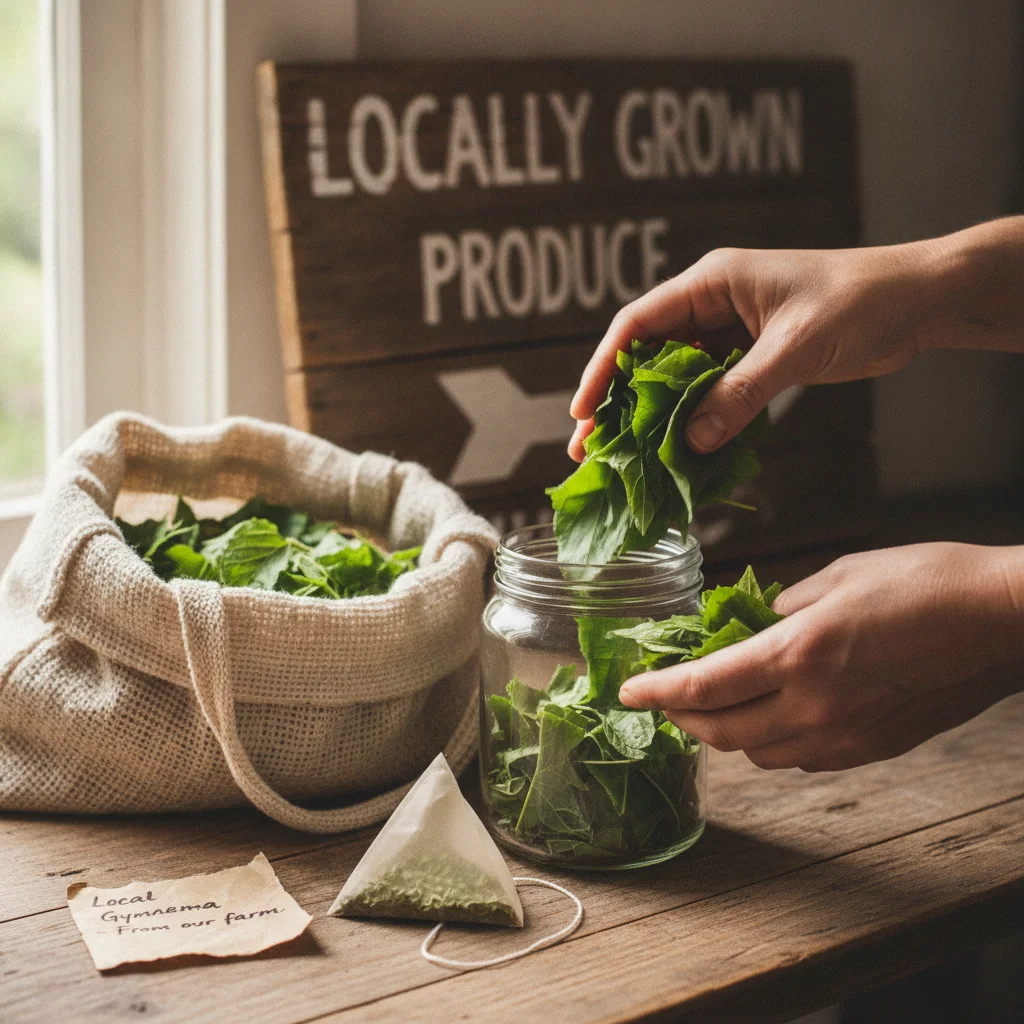
Loose-Leaf vs. Tea Bags: Packaging and Waste
There’s growing awareness that packaging choices can weigh heavily on a food or drink’s carbon cup. Organic gymnema tea is most commonly sold as loose-leaf in bulk or pre-portioned into tea bags. Here’s how each stacks up:
Loose-Leaf Organic Gymnema Tea
- Lower packaging waste: Loose-leaf is often sold in larger, resealable pouches, tins, or refillable containers.
- No individual wrapping: This cuts back on paper, plastic, and foil, which may not always be recyclable or compostable.
- Longer shelf life: Airtight bulk packaging can keep leaves fresh with less environmental overhead.
Tea Bag Gymnema Tea
- Portion control: Convenient, but individually wrapped tea bags create more packaging per cup.
- Materials: Some bags are made with plastics or synthetic fibers—not biodegradable. Others use natural, compostable fibers.
- Extra labeling: Tags, strings, and overwraps add small but cumulative waste.
For those looking to maximize environmental and wellness benefits, Soursop Leaf Tea | Organic Graviola 24 Bags | Soursop Tea Benefits for Immunity & Wellness offers an organic option with a careful approach to packaging and sourcing.
Practical Tips
- Choose loose-leaf options when available.
- Seek tea bags labeled as “plastic-free” or compostable.
- Reuse or recycle packaging where possible.

Transportation: From Farm to Cup
Tea is a global commodity, and how it gets from fields to shelves impacts its carbon cup substantially:
- Air freight: Fastest but most carbon-intensive. Common for specialty or urgent shipments.
- Sea freight: Slower, generally more fuel-efficient per unit.
- Land transport: Trucking’s impact depends on distance, fuel type, and efficiency.
Questions to consider:
- Is the supplier committed to ocean shipping rather than air for international transport?
- Are any carbon offset programs in place?
Drying, Storage, and Climate Considerations
Proper drying and storage are essential for quality but can affect the environment:
- Efficient, low-energy drying: Look for solar, wind, or other renewables used in the drying process.
- Minimal warehouse time: Faster turnover may mean less energy spent on climate control.
- Local storage: Teas stored closer to retail outlets reduce final-mile emissions.
Packaging Choices: Materials and End-of-Life Impact
Packaging materials influence the total impact of your tea purchase:
- Plastic: Lightweight but slow to degrade; often non-recyclable.
- Paper or cardboard: Recyclable, but only if not waxed or plastic-lined.
- Compostable bags or films: Made from plant fibers, these can return nutrients to the soil if composted properly.
- Reusable tins or glass jars: Long-lasting and ideal for bulk buying or refilling.
For shoppers wanting to minimize their impact, selecting Bulk Loose Leaf Teas & Tisanes - Organic 4oz - Herbal Wellness Teas or recyclable options like Organic Papaya Leaf Tea | 24 Premium Bags – Caffeine-Free can be beneficial. Inquire about packaging choices and look for eco-labels or statements about recyclability and compostability.
Practical Steps: Reducing Your Tea’s Environmental Impact
You don’t have to be an expert to make climate-friendly gymnema tea choices. Here are some straightforward tips:
- Buy in bulk: Reduces packaging and transportation carbon per cup.
- Opt for local: Where possible, select regionally grown and processed organic gymnema to minimize shipping emissions.
- Ask questions: Sellers often respond positively to customers asking about sourcing, packaging, and energy use.
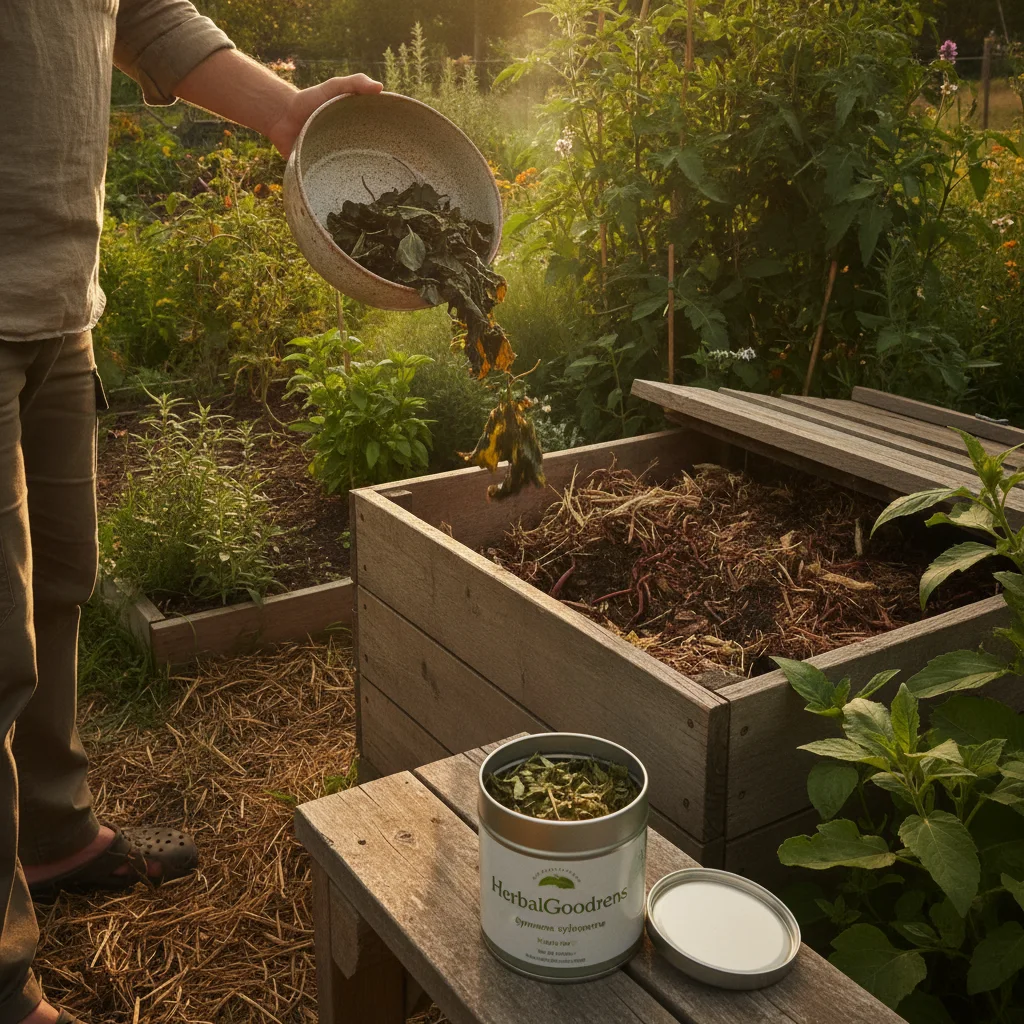
- Compost used leaves: Return nutrients to your garden or community compost.
- Choose reusable or recyclable packaging: Help close the resource loop.
- Support brands sharing transparency: Companies like Herbal Goodness that openly discuss sourcing and sustainability help set industry standards.
Simple Questions to Ask Your Gymnema Tea Seller
Empowered customers help drive greener choices. These sample questions can quickly uncover the eco-story behind your next purchase:
- Where was the gymnema leaf grown and processed?
- How are environmental best practices maintained?
- What kind of packaging do you use—and is it recyclable or compostable?
- How is the tea shipped from source to shelf?
- Are there any environmental certifications?
- What steps do you recommend for customers to reduce waste?
The Future of Sustainable Organic Gymnema Leaf Tea
The world of tea is evolving as more drinkers ask about climate and waste footprints. Paying attention to farming, transport, and packaging practices empowers you to align your gymnema tea ritual with your environmental values. As you compare different options—from a local loose-leaf pouch to imported tea bags—consider your questions, habits, and influence as a mindful consumer. By making informed choices, you support tea producers moving toward more resilient, earth-friendly systems—and ensure every cup can be savored with climate conscience.
Frequently Asked Questions
Question 1: How does the choice between loose-leaf and tea bag gymnema tea affect environmental impact?
Answer: Loose-leaf teas, like those from Bulk Loose Leaf Teas & Tisanes - Organic 4oz - Herbal Wellness Teas, generally use less packaging and create less waste, while tea bags may produce more packaging waste per cup.
Question 2: Are there organic tea options that focus on sustainability in farming and packaging?
Answer: Yes, options such as Organic Papaya Leaf Tea | 24 Premium Bags – Caffeine-Free emphasize organic farming, eco-friendly processing, and recyclable packaging.
Question 3: Do bulk tea purchases really reduce my carbon footprint?
Answer: Buying in bulk, as with Bulk Herbs & Roots Online for Tea, Tinctures & DIY Wellness - Organic 4oz Bags, reduces packaging use and shipping emissions per cup.
Question 4: What kind of questions should I ask about the environmental impact of my tea?
Answer: You should ask about the source of the gymnema leaf, transport methods, farming certifications, packaging materials, and if brands like Herbal Goodness provide transparency on these topics.
Question 5: Does tea transportation method matter for sustainability?
Answer: Yes. Sea or land freight is generally less carbon-intensive than air freight. Brands that disclose their transportation choices, similar to the practices described for Soursop Leaf Tea | Organic Graviola 24 Bags | Soursop Tea Benefits for Immunity & Wellness, are often more eco-conscious.
Question 6: How do compostable or reusable tea packaging options help the environment?
Answer: Compostable and reusable packaging decreases landfill waste and closes the resource loop—making choices such as Bulk Loose Leaf Teas & Tisanes - Organic 4oz - Herbal Wellness Teas an eco-friendly option.
Question 7: Can I find products that balance convenience with sustainability for my tea habit?
Answer: Soursop Leaf Tea | Organic Graviola 24 Bags | Soursop Tea Benefits for Immunity & Wellness offers convenient bags while focusing on eco-friendly sourcing and packaging for a balanced, mindful choice.
Taking small steps toward eco-conscious gymnema tea drinking—whether by choosing bulk loose-leaf, asking smart sourcing questions, or composting your leaves—means every cup supports a healthier planet. Make your next tea purchase a climate-kind choice.
About the Author
Herbal Goodness Editorial Team
The Herbal Goodness Editorial Team specializes in holistic health and superfoods, blending science and nature to educate and empower our community.
References
Introducing Graviola to Young Taste Buds: Fun, Family-Friendly Flavor Exploration
Graviola in the Classroom and at Home: Creative Activities to Teach Kids About Tropical Plants
Why Social Impact Matters in Plant-Based Wellness
Share this
Popular posts


FAQs
1. What are the main benefits of drinking bamboo leaf tea?
Drinking bamboo leaf tea supports hydration, relaxation, skin wellness, and antioxidant balance.
2. What is bamboo leaf extract used for?
It’s used for general body wellness, skin elasticity, hair and nail support, and overall vitality.
3. Can bamboo leaf help with skin care and body wellness?
Yes, bamboo leaf is rich in silica and antioxidants, which promote healthy skin, strong nails, and a youthful glow.
4. What forms of bamboo leaf are available?
You can find dried bamboo leaf, powder, extract, drops, oil, and bamboo leaf green tea.
5. Are there any side effects of bamboo leaf?
Bamboo leaf is generally safe when consumed in moderation. Always consult your healthcare provider before starting any new herbal supplement.