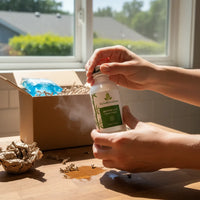
Organic Bamboo Leaf Extract: Allergen Guide Before You Buy

Understanding the ins and outs of bamboo leaf extract and allergen safety is key for anyone seeking plant-based wellness options, especially if you shop online. As interest in organic bamboo leaf extract grows, so does the need to shop with confidence—reading labels carefully, understanding how manufacturing cross-contact happens, and interpreting allergen warnings are more important than ever. This article explains why allergen safety matters when buying bamboo leaf extract and empowers you to make informed choices with practical label-reading, online shopping, and storage tips.
What Are Allergen Risks with Bamboo Leaf Extract?
Bamboo leaf extract is derived from the leaves of the bamboo plant and is commonly appreciated for its traditional applications. While the extract itself is plant-based, allergen considerations come into play during processing, packaging, or storage. One example is the Bamboo Leaf Tea 24 Bags | Nature's Silica – Collagen & Biotin Support, which may be produced in facilities handling allergens such as nuts, soy, gluten, or dairy. This can introduce cross-contact, where trace amounts of other ingredients unintentionally make their way into the product. For individuals seeking allergen-safe plant extracts, these potential exposures are an important consideration when browsing or buying online.
Why Allergen Safety Matters for Herbal Supplements
Allergen sensitivity varies widely. Even small trace amounts—introduced via shared equipment or packaging lines—can impact individuals who are particularly sensitive. While Bamboo Leaf Organic 15X Liquid Extract | Silica, Collagen & Biotin is considered hypoallergenic by nature, manufacturing realities mean no product is automatically free from cross-contact unless verified. Shopping smart means learning what to look for on ingredient lists and beyond.
Decoding Bamboo Leaf Extract Labels: What to Look For
Understanding bamboo leaf extract labels is essential for anyone with allergen concerns. Here are the primary label elements to scan and interpret:
- Ingredient list: Typically, this should list only bamboo leaf extract and the format (such as liquid, capsule, or tea bag). Any added ingredients (binders, fillers) must also appear here.
- Allergen statements: Look for lines such as "Produced in a facility that also handles peanuts, tree nuts, soy, wheat, or dairy" — this signals possible cross-contact.
- ‘May contain’ warnings: These warnings are not required, but are commonly used to alert customers to potential traces of allergens from shared production lines.
- Certifications: Bamboo Silica + Biotin Hair Growth Extract | 15X Liquid | Natural Hair & Follicle Support, and other products like it, often carry third-party certifications such as Organic, non-GMO, and allergen-free which may provide extra assurance. These are typically issued by third-party organizations after auditing manufacturing environments.
Sample Allergen Warning Labels
- “May contain traces of soy and tree nuts.”
- “Packed in a facility that processes dairy, wheat, and peanuts.”
- “Manufactured on equipment shared with products containing gluten.”
Not every label uses the same wording, so it’s wise to scan the packaging and product details closely for variations.
Understanding Manufacturing Cross-Contact
Cross-contact happens in manufacturing environments where multiple products may be produced or packaged using shared equipment or within shared spaces. Plant extracts like bamboo leaf can be exposed to trace amounts of food allergens if:
- The same machines are used for multiple products
- Surfaces are not completely sanitized between production runs
- Airborne powders or residue spread to nearby batches
- Storage containers are reused between different ingredients
Some popular wellness teas, such as Organic Papaya Leaf Tea | 24 Premium Bags – Caffeine-Free, are produced on dedicated lines to avoid these issues, but perfect separation is always challenging. To prevent cross-contact, reputable manufacturers adopt protocols such as equipment cleaning, allergen-separated production lines, and staff training. Even so, perfect separation is challenging, and transparent labeling bridges the gap for consumers.
Interpreting ‘May Contain’ and Precautionary Allergen Warnings
Precautionary warnings—like “may contain,” “packed in a facility that also processes,” or "produced on shared lines with"—are added to bamboo leaf extract packaging to alert shoppers of possible, though unintended, allergen presence. These statements are voluntary in many regions and may not cover every possible scenario.
When encountering such labels:
- Recognize they indicate potential, not guaranteed, presence of allergens
- Understand that absence of a warning does not necessarily guarantee freedom from cross-contact
- If you or a family member is particularly allergy-conscious, take these statements seriously and use them as a cue to ask for more detailed information

Shopping for Bamboo Leaf Extract Online: Reducing Allergen Exposure Risk
Shopping online for organic bamboo leaf extract brings unique allergen safety challenges, as you can’t inspect the product in person. Here are specific strategies to help you minimize risks:
1. Take Time to Read Product Descriptions Deeply
Check ingredient panels and allergies/warnings in the product listing. Scroll through item details for information on manufacturing practices. Reputable sellers often include expanded allergen declarations online compared to what fits on physical packaging. For example, major health brands, such as Herbal Goodness, frequently provide more transparency in online listings for items such as Bamboo Leaf Tea 24 Bags | Nature's Silica – Collagen & Biotin Support.
2. Reach Out with Questions Before Purchase
Don’t hesitate to email or message customer service with specific allergen concerns. Here’s what to ask:
- Was the bamboo leaf extract produced on dedicated equipment?
- Are there established cleaning protocols between runs of allergen-containing and allergen-free products?
- Has the facility undergone allergen audits, or do they hold third-party certifications?
- Can they provide a recent Certificate of Analysis (COA) outlining ingredients and possible allergens?
3. Review Certificates of Analysis (COAs) for Added Assurance
A COA is a document provided by manufacturers or labs verifying a supplement's identity, purity, and, sometimes, details about allergen testing. Ask the seller to provide the latest COA for the bamboo leaf extract batch you intend to purchase. Review it for date of issue, batch number, allergen testing details, and whether it confirms organic or allergen-free status as you might see for products like Bamboo Leaf Organic 15X Liquid Extract | Silica, Collagen & Biotin.
4. Favor Brands with Transparent Allergen Practices
Brands such as Herbal Goodness, which offer clarity around sourcing, manufacturing, and allergen controls, help guide safer choices. Transparency about where and how bamboo leaf extract is made increases your confidence in the quality and integrity of the product. Other botanicals, such as Soursop Leaf Tea | Organic Graviola 24 Bags | Soursop Tea Benefits for Immunity & Wellness, also benefit from these transparent practices.
5. Look Beyond Allergen Statements Alone
Online retailers sometimes copy-paste generic allergen warnings. When in doubt, consult the actual label photos, supplementary documents, or communicate with the manufacturer. Sartorial vigilance helps you shop without unwanted surprises.
Smart Storage Tips for Bamboo Leaf Extract After Delivery
Proper storage also supports allergen safety post-delivery. Simple steps can minimize potential cross-contact at home and preserve product integrity:
- Separate storage: If you store other supplements or foods with allergen content, keep bamboo leaf extract in a dedicated area.
- Reseal packages tightly: Exposure to other kitchen items can lead to inadvertent contact with allergens.
- Original packaging: Leave the bamboo leaf extract in its original, labeled pack to avoid mix-ups.
- Keep dry and cool: Follow all recommended storage conditions to prevent spoilage or contamination. A sealed glass jar or a clean, dry container is an ideal backup for long-term storage.

What to Do if Label Information Is Missing or Unclear
Sometimes, a product listing or package lacks complete allergen or cross-contact information. In such situations:
- Reach out to the seller or manufacturer directly
- Ask for additional manufacturing details or a COA
- Consider choosing another brand or product if responses are vague or slow, such as certified options like Bamboo Silica + Biotin Hair Growth Extract | 15X Liquid | Natural Hair & Follicle Support
- Remember that reputable sellers are happy to support safe shopping choices for allergy-aware customers
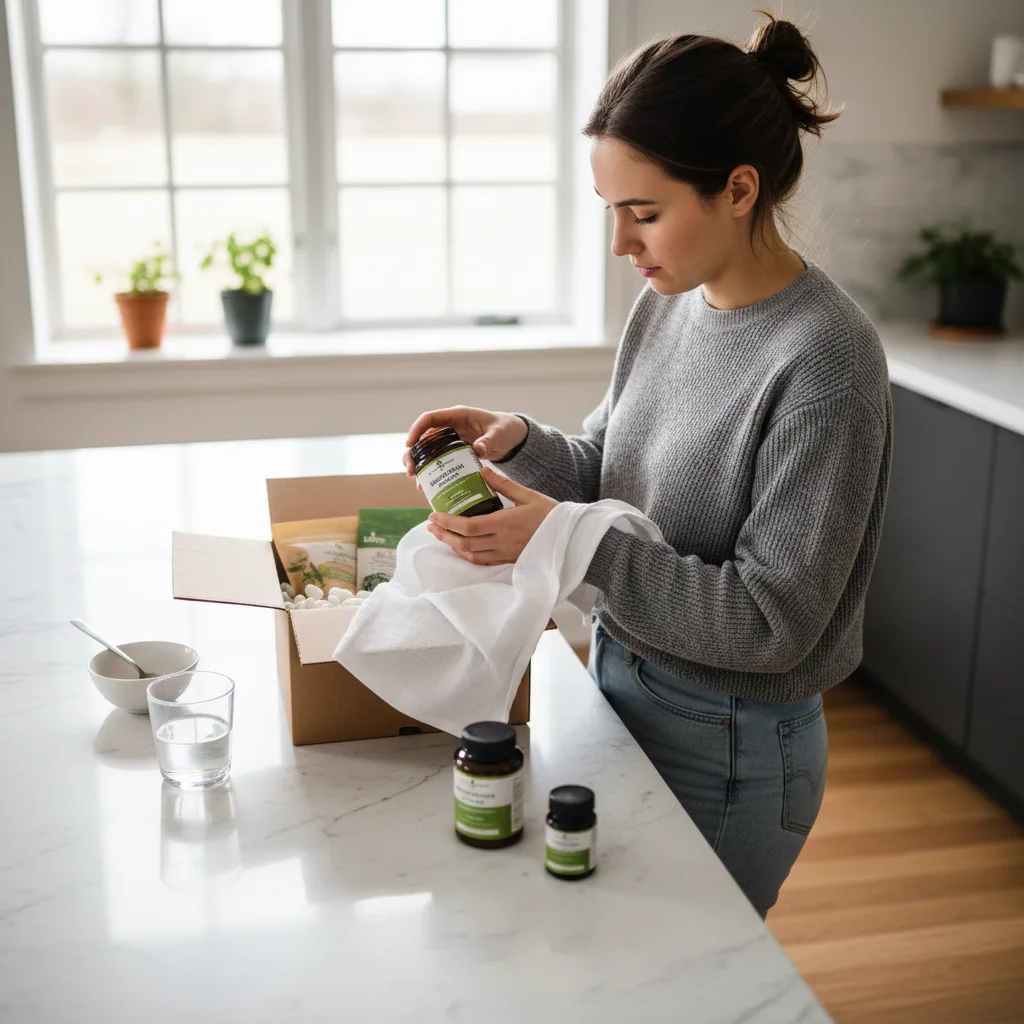
Building Your Bamboo Leaf Extract Label-Reading Routine
Empowering yourself with a repeatable process boosts your safety and shopping confidence for bamboo leaf extract—especially online:
- Scan the ingredient list first.
- Read every allergen or precautionary warning in full.
- Check for production facility information or third-party certifications.
- Ask for a COA where possible.
- Store your bamboo leaf extract carefully at home.
Over time, these steps become second nature, and your confidence in choosing safe, quality bamboo leaf extract will only grow.
Summary: Confidently Navigating Bamboo Leaf Extract Allergen Safety Online
Allergen concerns don’t have to limit your choices or enjoyment of botanical extracts like bamboo leaf. By learning to interpret supplement labels, recognize cross-contact risks, ask proactive questions, and store your extracts properly, you put yourself in charge of the online shopping experience. Clear communication with reputable sellers and a consistent routine for reading and researching labels lets you enjoy the wellness benefits of bamboo leaf extract with fewer unwelcome surprises. Stay informed, shop smart, and enjoy a more comfortable journey into the world of plant-based wellness.
Frequently Asked Questions
Question 1: What makes bamboo leaf extract a good choice for those with common food allergies?
Answer: Bamboo leaf extract is naturally hypoallergenic, provided it is processed and packaged in allergen-free facilities. If you want extra assurance, opt for clearly labeled options such as Bamboo Leaf Organic 15X Liquid Extract | Silica, Collagen & Biotin, which lists all sourcing and facility practices.
Question 2: How can I check if my bamboo leaf tea contains hidden allergens?
Answer: Always scan ingredient lists and look for allergen warnings on products like Bamboo Leaf Tea 24 Bags | Nature's Silica – Collagen & Biotin Support. If information is unclear, contact the seller and ask for recent COAs.
Question 3: Are COAs necessary when purchasing herbal supplements?
Answer: Certificates of Analysis (COAs) are valuable, especially if you are highly allergy-conscious. Brands often provide COAs for extracts such as Bamboo Silica + Biotin Hair Growth Extract | 15X Liquid | Natural Hair & Follicle Support, specifying allergen testing and verifications.
Question 4: What if my bamboo extract product gives no information about allergen testing?
Answer: If you do not see clear allergen testing info, reach out to the manufacturer or seller. Or choose from clearly labeled alternatives, such as Bamboo Leaf Organic 15X Liquid Extract | Silica, Collagen & Biotin.
Question 5: How do I reduce allergen cross-contact risk after my order arrives?
Answer: Keep bamboo leaf supplements in their original packaging and store them separately from foods containing allergens at home. This is particularly relevant if you enjoy blends like Organic Papaya Leaf Tea | 24 Premium Bags – Caffeine-Free alongside other herbal teas.
Question 6: Why might two similar bamboo leaf extracts differ in allergen risk?
Answer: Differences in facility practices, equipment cleansing, and transparency can create different allergen risk profiles, even for products like Bamboo Silica + Biotin Hair Growth Extract | 15X Liquid | Natural Hair & Follicle Support and other bamboo-based supplements.
Question 7: Can allergen warnings change between product batches?
Answer: Yes. Manufacturing facilities can alter their equipment, ingredient suppliers, or procedures, impacting allergen exposure risks. Always review the latest label and COA, especially with each new purchase of Bamboo Leaf Tea 24 Bags | Nature's Silica – Collagen & Biotin Support or similar items.
Ready to make informed choices? Use these label-reading and shopping strategies every time you order bamboo leaf extract online for greater allergen safety and peace of mind.
About the Author
Herbal Goodness Editorial Team
The Herbal Goodness Editorial Team specializes in holistic health and superfoods, blending science and nature to educate and empower our community.
References
Why Social Impact Matters in Plant-Based Wellness