





Mullein Leaf in the Garden and Beyond: Growing, Foraging, and How It Supports Pollinators

Mullein leaf, distinguished by its tall, fuzzy stalk and velvety leaves, has become an object of fascination for garden enthusiasts and plant lovers alike. Known scientifically as Verbascum thapsus, mullein flourishes in a variety of landscapes, making it a versatile addition to both home gardens and wild spaces. Whether you are curious about nurturing it from seed, gathering it thoughtfully in the wild, or eager to understand its role in fostering local pollinator populations, mullein offers a rewarding avenue for exploration. Let’s delve into where mullein grows, how it can be cultivated or foraged responsibly, and why it’s considered an ally not just to gardeners but to ecosystems as a whole.
Discovering Mullein: Understanding Its Natural Habitat
Mullein is a resilient biennial that readily adapts to disturbed soils, roadsides, open fields, and sunny hillsides. Its affinity for well-drained, sandy or gravelly ground allows it to thrive across North America, Europe, and Asia.
Key Characteristics of Mullein’s Habitat
- Prefers Full Sun: Mullein’s tall flowering spikes seek bright light and perform best in open areas.
- Tolerates Poor Soils: Unlike many garden favorites, mullein thrives in less fertile soils, often where other plants may not succeed.
- Welcomes Neglect: Once established, mullein is remarkably drought-tolerant and can thrive with minimal care.
This vintage wildflower’s ability to self-seed ensures it finds a welcome in untended spaces, yet it remains easy to steward and manage, whether you encounter it in the wild or cultivate it in your growing space.
Growing Mullein at Home: Simple Steps for Gardeners
For gardeners, mullein offers both beauty and low-maintenance appeal. Here’s how to foster mullein in your botanical landscape:
Choosing the Right Spot
- Select a sunny, open area in your garden that receives at least six hours of direct sunlight per day.
- Ensure soil drainage: Mullein dislikes consistently wet locations. Sandy or loamy soils are ideal.
Planting Mullein Seeds
- Prepare the soil by loosening it and removing any compacted debris.
- Sow seeds on the surface, gently pressing them into the soil without covering them deeply—light is needed for germination.
- Water lightly, keeping the soil moist (not soaked) until seedlings establish.
If you’re keen to support respiratory and lung health alongside your garden interests, consider exploring natural supplements such as Mullein Leaf - Organic 15X Liquid Extract - Respiratory & Lung Health, which highlights mullein’s traditional wellness uses.
Caring for Your Mullein Plants
- Thin seedlings to allow 1–2 feet of space between each plant to accommodate their impressive rosettes.
- Water sparingly once mature. Mullein is drought-friendly and requires only occasional deep watering during prolonged dry spells.
- Support tall spikes if your area is prone to strong winds, as flowering stalks often reach over six feet in height.
Encouraging Self-Seeding (or Managing It)
Mullein easily reseeds itself; leave some flower stalks to dry on the plant to encourage this. If you wish to keep mullein contained, deadhead before seeds mature.
For households interested in supplementing their natural routine, incorporating Mullein Leaf Tea - Organic 24 Tea Bags - Respiratory & Lung can be a flavorful and supportive wellness ritual, ideal for those seeking both taste and tradition.
Foraging for Wild Mullein: Ethical Wildcrafting Practices
Wildcrafting mullein brings a special connection with the landscape. Responsible harvest is essential for ensuring mullein’s ongoing role in its ecosystem and respecting its place in the wild.
Identification Tips
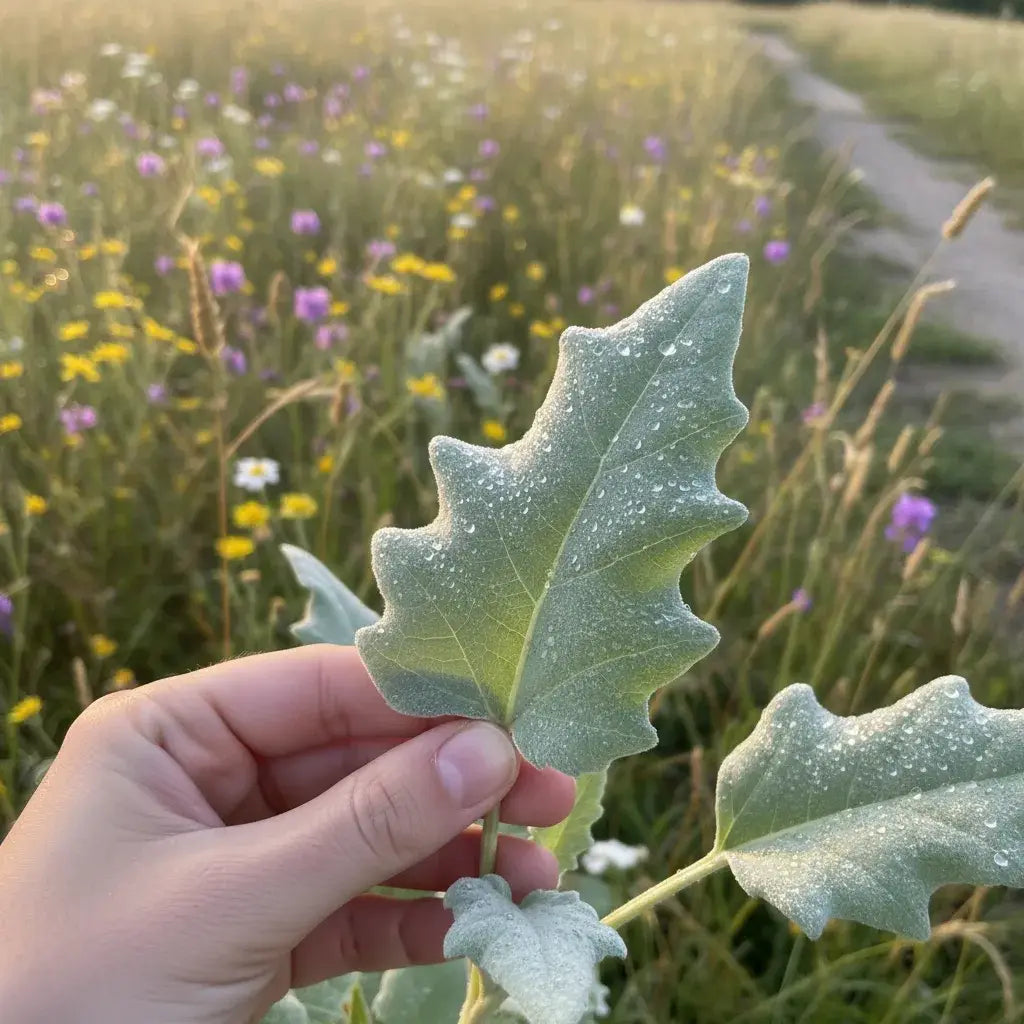
- Velvety rosette of silver-green leaves in the first year
- Tall, yellow-flowered spike in the second year
- Distinct soft texture—felt-like to the touch
Sustainable Foraging Guidelines
- Harvest only where mullein is abundant. Avoid areas with sparse or dwindling populations.
- Take just a few leaves per plant and only from healthy, robust specimens. Never uproot the entire plant.
- Leave plenty of flowers and seed heads for pollinators and natural reseeding.
- Practice site stewardship: Refrain from foraging in protected natural reserves or where gathering wild plants is restricted.
For foragers and gardeners alike, site stewardship is enhanced by using natural options to support wellbeing. Complement your foraged harvest with easy-to-use forms like Lungs and Respiration - 15X Liquid Extract - Respiratory, crafted with a focus on respiratory support.
Tools and Timing
- Use clean, sharp scissors to snip leaves, minimizing damage to the plant.
- Harvest in the morning, after dew evaporates but before the midday heat.
Ethical wildcrafting not only preserves mullein populations—it also models mindful interaction with nature for future generations.
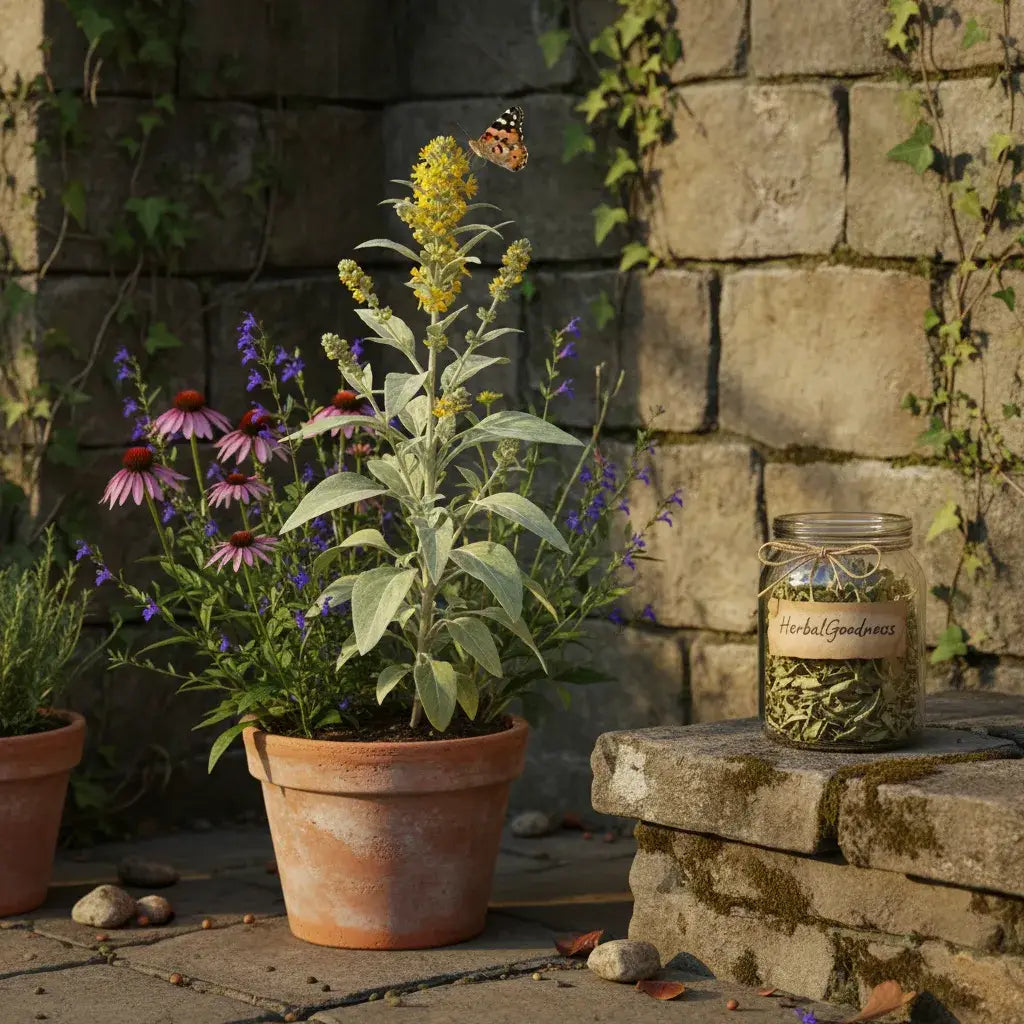
Mullein’s Positive Impact on Pollinators and Beneficial Insects
Mullein’s towering flower spikes aren’t just striking—they are also bustling pollinator magnets. A single mullein plant can support a surprising diversity of insects, contributing to a robust and balanced garden ecosystem.
How Mullein Attracts Pollinators
- Abundant Yellow Blossoms: These flowers provide a steady supply of nectar and pollen through peak summertime.
- Extended Bloom Period: Mullein blooms for several weeks, offering food resources when other plants may not be in flower.
- Accessible Structure: The tall spikes make blossoms easy for bees and other flying visitors to find and use.
If you’re developing a pollinator-friendly garden, try combining mullein with nutrient-rich superfoods like Sea Moss - Raw Dried from St Lucia - 8oz Bag - Nature's MultiVitamins, which is often enjoyed by wellness enthusiasts seeking to support overall ecological and personal wellbeing.
Beneficial Insects Commonly Spotted on Mullein
- Native bees: Especially bumblebees and solitary ground-nesting species
- Hoverflies: Predators of aphids
- Butterflies and moths: Drawn to its flowers for nectar
- Lacewings: Often attracted to plants that harbor aphid populations
Not only does mullein bolster insect diversity, but its dense leaf rosettes also offer shelter for beetles and other ground insects, further enriching the tapestry of your garden life. Whether you farm, wildcraft, or simply admire the resilience of plants like mullein, integrating respiratory-focused herbal support can amplify both personal health and ecological stewardship.
Stewardship and Conservation: Being a Guardian for Mullein in the Wild
Cultivating or gathering mullein comes with the responsibility of stewardship—respecting both the plant itself and its biotic community.
Best Practices for Mullein Conservation
- Monitor mullein populations where you grow or forage. Do not overharvest from wild stands, ensuring plants can complete their life cycle and self-seed.
- Encourage diversity: Include native wildflowers and grasses alongside cultivated mullein, supporting a wider range of pollinators.
- Share knowledge: Talk with other gardeners, wildcrafters, and neighbors to spread awareness about sustainable harvesting and the value of supporting pollinators.
For supporting respiratory and overall wellness goals through seasonal changes, combining mullein with Mullein Leaf Tea - Organic 24 Tea Bags - Respiratory & Lung offers a plant-based approach that respects both your health and the environment.
Mullein as a Companion in Regenerative Gardening
Although non-native in many parts of North America, mullein is not invasive and coexists harmoniously with established plants. Its presence can even improve soil quality by breaking up compacted ground with its deep taproot and returning nutrients as its leaves decompose.
Plant lovers often blend mullein’s garden stewardship with enriching superfoods. For instance, using Sea Moss - Raw Dried from St Lucia - 8oz Bag - Nature's MultiVitamins encourages healthy ecosystems and nutrient recycling.
Celebrating Mullein: From Wild Spaces to Cultivated Gardens
Observing mullein’s lifecycle—whether in your backyard or a rural meadow—offers a window into natural cycles and the interdependence of plants and wildlife. For gardeners, it’s an invitation to plant with purpose, blending aesthetic enjoyment, ecological benefit, and mindful stewardship. For wild plant lovers, ethically gathering mullein echoes ancient traditions while safeguarding the abundance and health of wild places.
By embracing thoughtful cultivation and sustainable wildcrafting, mullein becomes more than a fuzzy weed—it becomes a living link between people, pollinators, and the places we care for.
FAQs:
- Where does mullein naturally grow?
Mullein is most often found in disturbed soils, sunny meadows, roadsides, and open fields across North America, Europe, and Asia, thriving in well-drained, sandy or gravelly ground.
- How can I cultivate mullein in my home garden?
Choose a sunny, well-drained spot, sow seeds on the soil surface, and water lightly. Space seedlings about 1–2 feet apart. Mullein thrives with minimal care and tolerates poor soil conditions.
- Is it safe to forage mullein from the wild?
Forage only from abundant populations and never gather more than you need. Use clean tools and follow local regulations to ensure ethical, sustainable wildcrafting.
- How does mullein support pollinators in the garden?
Mullein’s tall spikes bloom with numerous yellow flowers, offering nectar and pollen for bees, hoverflies, butterflies, and other beneficial insects throughout the summer.
- Does mullein spread easily, and how do I manage it?
Mullein self-seeds readily if allowed to go to seed. Deadhead plants after flowering to control unwanted spreading, or let seeds mature if you wish to naturalize it.
- Are there any ecological concerns with growing mullein?
Mullein is generally not considered invasive and can be managed easily. Its presence supports beneficial insects, and responsible cultivation or foraging ensures balanced populations.
- What are the main stewardship practices when wildcrafting mullein?
Harvest only a portion of leaves per plant, never uproot entire plants, leave enough flowers and seed heads for pollinators, and avoid overharvesting from one area.
Author Name:
Herbal Goodness Editorial Team
Author Bio:
The Herbal Goodness Editorial Team specializes in holistic health and superfoods, blending science and nature to educate and empower our community.
References:
Introducing Graviola to Young Taste Buds: Fun, Family-Friendly Flavor Exploration
Graviola in the Classroom and at Home: Creative Activities to Teach Kids About Tropical Plants
Share this

Popular posts


FAQs
1. What are the main benefits of drinking bamboo leaf tea?
Drinking bamboo leaf tea supports hydration, relaxation, skin wellness, and antioxidant balance.
2. What is bamboo leaf extract used for?
It’s used for general body wellness, skin elasticity, hair and nail support, and overall vitality.
3. Can bamboo leaf help with skin care and body wellness?
Yes, bamboo leaf is rich in silica and antioxidants, which promote healthy skin, strong nails, and a youthful glow.
4. What forms of bamboo leaf are available?
You can find dried bamboo leaf, powder, extract, drops, oil, and bamboo leaf green tea.
5. Are there any side effects of bamboo leaf?
Bamboo leaf is generally safe when consumed in moderation. Always consult your healthcare provider before starting any new herbal supplement.