Moringa Powder vs Extract vs Tincture: Choosing the Best Form for You

Understanding Moringa’s Versatility in Everyday Life
Moringa oleifera, often hailed as the “miracle tree,” has found its way into the routines of wellness enthusiasts across the globe. With so many options available, selecting the right format—be it powder, liquid extract, or tincture—can seem daunting. Each format of moringa brings unique characteristics to your everyday regimen, affecting everything from taste and preparation to storage and sustainability. This guide will walk you through the most common forms of moringa, helping you weigh practical considerations that matter in daily use.
Comparing Moringa Powder, Extract, and Tincture
Choosing between moringa powder, extract, and tincture is about matching your preferences, routines, and values. Below, we’ll explore each form’s sensory characteristics, preparation methods, shelf life, and environmental footprint, empowering you to make an informed decision.
Moringa Powder: The Versatile Pantry Ingredient
Taste Profile and Everyday Uses
Moringa powder is made from dried and finely ground leaves. Its flavor is often described as earthy, green, and slightly nutty, with a mild bitterness reminiscent of spinach or matcha. This makes it a favorite for blending into smoothies, yogurt, salad dressings, or even baked goods. Some appreciate its boldness when mixed with spiced soups or sprinkled over roasted vegetables.
Common uses for moringa powder:
- Blending into green smoothies or juices
- Stirring into oatmeal or yogurt bowls
- Adding to sauces, dips, or pestos
- Supplementing baked goods with a nutritional boost
For those seeking a nutritious powder alternative, consider Organic Papaya Seed Powder 4oz | Gut Cleanse & Digestive Support, which offers a unique botanical profile and can be integrated into recipes similarly to moringa powder.
Typical Serving and Preparation
Powder is often measured by the teaspoon. It dissolves well in liquid with thorough mixing, but the natural leaf fibers may settle, so it’s best enjoyed fresh after mixing. For cooking or baking, moringa powder can simply be stirred in during food prep.
Storage and Shelf Life
Properly dried and stored in an airtight container away from light and moisture, moringa powder can stay fresh for up to 1–2 years. Oxygen and humidity are the main factors to watch, as these can affect its color and flavor over time. Keeping the powder dry ensures its shelf life is maximized.
Sourcing and Sustainability
Moringa powder is typically produced close to the source, which helps retain its natural qualities. Seek out suppliers committed to ethical harvesting and sustainable farming practices—supporting biodiversity, careful land use, and fair labor are key priorities. Brands like Herbal Goodness often highlight transparent supply chains and sustainable sourcing for those who value traceability.
Moringa Liquid Extract: Concentrated and Convenient
Taste and Integration in Routines
Moringa extract is usually made by soaking moringa leaves in a liquid (often glycerin or alcohol), creating a concentrated product. The result is a more potent flavor: slightly sweeter if glycerin-based, or with an herbal punch if alcohol is used. Extracts are commonly taken by dropping into water, tea, or juice, where the concentrated essence can infuse lightly without overwhelming the drink’s flavor.
Popular ways to use moringa extract:
- Dropping directly into smoothies or warm teas
- Adding a few drops to morning juice or water
- Mixing into energy drinks for a subtle herbal note
For those who love the convenience of concentrated nutrition, Moringa Leaf Extract - Organic 1oz 15X Liquid Extract - Immunity & Wellbeing is designed for easy dosing and portability for your wellness routine.
Serving and Preparation
Because extracts are concentrated, typical serving sizes are much smaller—measured in drops or up to half a teaspoon, depending on preference. This makes extracts ultra-convenient for busy routines or those seeking quick and easy incorporation without measuring powders.
Incorporating an extract into your drink doesn’t just add a wellness boost, it saves time and enhances absorption.
Storage and Longevity
Extracts usually come in dark glass bottles to shield from light. When sealed tightly and kept cool, they can last 2–3 years. The presence of glycerin or alcohol not only extracts key phytochemicals but also helps preserve the product, so it’s ready when you are.
Sourcing and Process Transparency
Look for extracts prepared using clean, responsible extraction methods with minimal additives. Some brands (including Herbal Goodness) share details on their extraction process to build trust and underscore purity. Sourcing leaves from sustainable, regenerative farms ensures both potency and environmental stewardship.
Moringa Tincture: The Traditional Herbal Approach
Sensory Experience and Usage
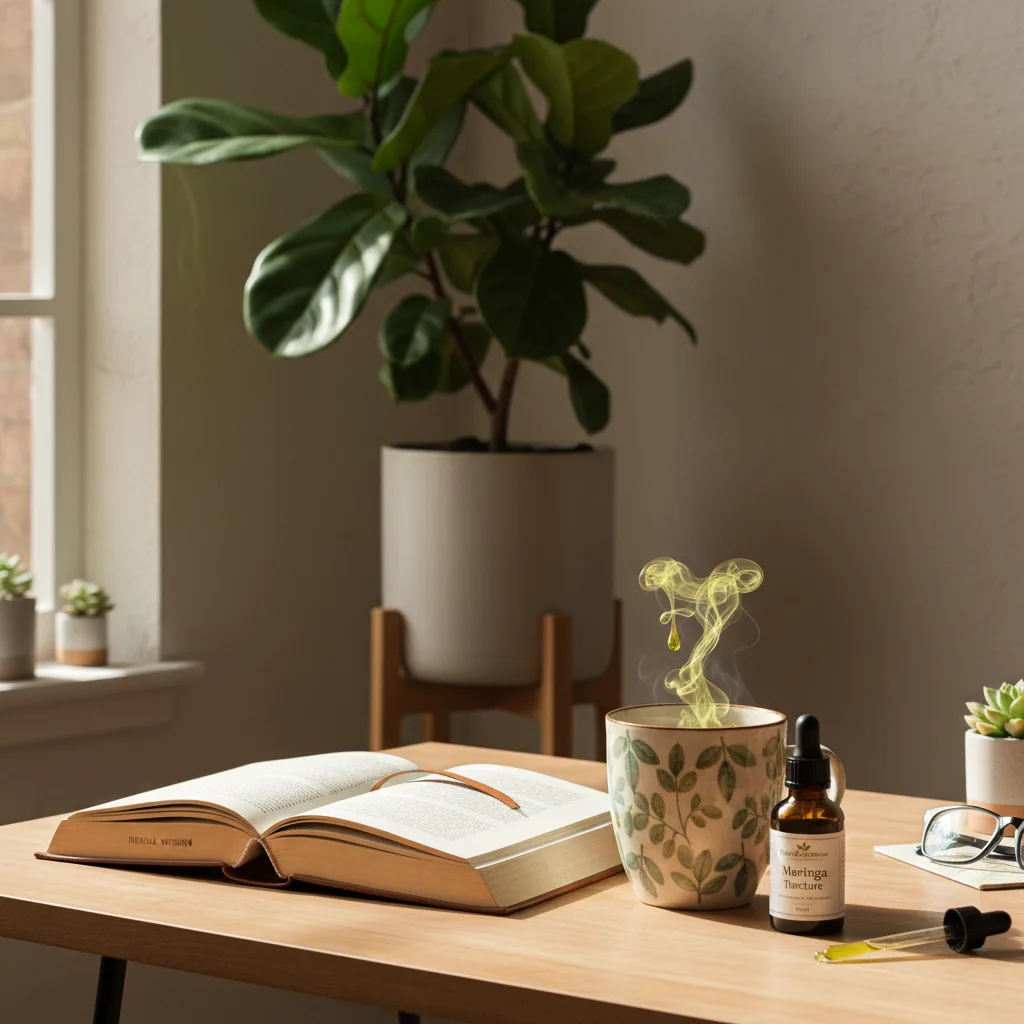
A tincture is created through the slow infusion of moringa leaves in alcohol or alcohol-water blends. The taste is typically more robust and pronounced—herbaceous, slightly bitter, and with a distinct tang from the alcohol base. Tinctures are valued for their traditional use in herbalist practices and are often integrated into morning or evening rituals, such as being added to water or under the tongue (following recommended guidelines).
Ways to incorporate moringa tincture:
- Mixing drops into herbal teas
- Adding to a glass of water before meals
- Including in wellness rituals or botanically inspired drinks
If you prefer liquid herbal supports, products like Black Seed Oil 8oz - Cold-Pressed Liquid - Immunity & Wellness demonstrate the robust tradition and convenience of herbal tinctures for your lifestyle.
Serving Methods
Small dropper servings are the norm, with guidance from product labeling. The alcohol present not only draws out bioactive plant compounds but acts as a preservative, making tinctures durable and portable.
Storage Requirements
Dark glass bottles are standard for tinctures, and storage in a cool, dry place extends shelf life to about 3 years. As with all liquid forms, keeping the bottle capped and out of direct light preserves both potency and taste.
Ethical Sourcing and Craftsmanship
Tinctures made from responsibly sourced moringa underscore a commitment to traditional herbal craft. Sustainably harvested moringa and thoughtful alcohol selection (often organic or non-GMO) reflect a deeper respect for natural processes.
Weighing Preparation and Serving Preferences
Choosing the right moringa form often boils down to how you like to prepare and consume your botanicals:
- Powder: Great for foodies who love experimenting in the kitchen; ideal for recipes, shakes, and adding color and flavor to dishes.
- Extract: Suits those seeking fast, efficient routines; perfect for travel, on-the-go dosing, or subtle flavor enhancement.
- Tincture: Appeals to traditionalists or those who honor herbal rituals, offering a concentrated sensation and a bridge to herbalist history.
For those who want to combine digestive benefits with their plant-based wellness, integrating Papaya Leaf Extract Blood Support - 10X 60/450mg Capsules - Blood Platelet may help create a balanced supplement regime alongside moringa.
Shelf Life, Portability, and Storage Demands
How and where you wish to store moringa may sway your choice. Here’s a quick breakdown:
- Powder: Needs a dry, airtight container, protected from humidity; easily lasts over a year if sealed and stored cool.
- Extract & Tincture: Prefer dark glass bottles, out of sunlight; both store well in a cupboard, travel bag, or wellness kit, staying potent for years.
Portability is often a deciding factor—if you’re often on the move, the convenience of drops (extract or tincture) in a secure bottle can be a practical solution. The Moringa Leaf Extract - Organic 1oz 15X Liquid Extract - Immunity & Wellbeing is ideally packaged for both travel and shelf storage.

Sourcing, Quality Assurance, and Transparency
Your wellness choices may be shaped by how moringa is grown, harvested, and brought to market. Here are some points to consider:
- Traceability: Seek products with full visibility from farm to shelf. Knowing where and how moringa is cultivated can bring reassurance around quality and sustainability.
- Certifications: Priority may be placed on USDA organic status, fair trade certifications, or suppliers that invest in regenerative agriculture.
- Brand Integrity: Companies such as Herbal Goodness often publicize commitments to ethical sourcing, third-party testing, and minimal processing, which can support confidence in your selection.
If ethical and transparent sourcing is a top priority, choosing brands that focus on certifications and fair trade, like those found among our Bulk Herbs collection, can reinforce your values.
Sustainability Impacts of Your Choice
Choosing a moringa format isn’t just a personal decision—it can have ripple effects on the environment and communities:
- Powder: Tends to have a lighter processing footprint but may require more packaging for freshness, especially in larger quantities.
- Extract & Tincture: Can minimize total plant material needed due to their potency, though extraction methods and bottle materials play roles in their overall impact.
Supporting brands invested in community development, biodiversity, and fair wages for farmers stretches the benefits beyond personal wellness. Botanical staples such as Papaya Leaf Extract - - Organic 16oz 15X Liquid Extract also reflect strong sourcing ethics and sustainability values.

Integrating Moringa into Your Routine: Tips for Success
The most important step is matching your lifestyle with your chosen moringa format. Here are some tips to ensure a seamless integration:
- Taste Test: Start with small quantities of each format to find your preferred flavor and texture.
- Rotation: Some enjoy rotating between formats—powder in morning smoothies, extract in afternoon drinks, tincture for evening wind-down.
- Read Labels: Serving guidance varies; check instructions for each new brand or batch.
- Storage Habits: Keep all forms sealed and out of reach of moisture, heat, and direct light for best freshness.
- Ethical Choices: When possible, choose moringa that’s responsibly sourced to support global sustainability goals.
Final Thoughts: Choosing the Right Moringa for Your Everyday Needs
Whether your priority is culinary creativity, streamlined routines, or honoring traditional botanical practices, the choice among moringa powder, extract, and tincture offers a flexible approach to your daily wellness. With an understanding of the sensory, practical, and ethical aspects of each format, you are well-positioned to select the moringa that aligns best with your values and lifestyle.
FAQs:
- How does moringa powder taste compared to extract and tincture?
Moringa powder has a mild, earthy, and slightly grassy flavor, making it ideal for food and smoothies. Extract is more concentrated, with subtle sweetness or herbal notes depending on the base, and tincture offers a stronger, more pronounced herbal profile due to the alcohol.
- Which moringa format is easiest to add to drinks?
Moringa extract and tincture are designed for easy mixing into drinks and are highly concentrated, requiring just a few drops. Powder can be mixed into beverages, but may settle or require more blending.
- How should I store moringa powder, extract, or tincture?
Store moringa powder in a tightly sealed, dry container away from heat and sunlight. Extracts and tinctures prefer dark glass bottles stored in cool, dark places to maintain potency and freshness.
- What factors should I consider for sustainability?
Look for brands practicing responsible sourcing, ethical farming, and transparent supply chains. Certifications and community investment are important indicators of sustainability.
- Does moringa powder have a longer shelf life than extract or tincture?
Moringa extract and tincture tend to last slightly longer (up to 3 years) due to their preservative base, while powder remains fresh for 1–2 years if stored properly.
- Can I use all three formats in my daily routine?
Absolutely. Many people rotate or combine formats—using powder for recipes, extract for quick drinks, and tincture in traditional practices—to match different moments and preferences.
- How important is sourcing transparency with moringa products?
Sourcing transparency helps ensure you receive a product with consistent quality and supports ethical, sustainable practices. It’s a key consideration for informed choices.
Author Name:
Herbal Goodness Editorial Team
Author Bio:
The Herbal Goodness Editorial Team specializes in holistic health and superfoods, blending science and nature to educate and empower our community.
Relevant blogs:
How to Search and Vet Organic Soursop Leaf Tinctures Online: A Beginner’s Guide
Pure Ashwagandha Root Extract: Decoding Ratios, Labels, and Extract Strength
Buying Oregano Oil When You Have Pets: Understanding Carvacrol, Safety and Tips
Blessed Thistle Uses: History, Preparation, Flavor, and Sourcing Guide
Mullein Drops and Pets: Safe Use, Label Tips & Sensible Pet Precautions
10 Everyday Ways People Use Black Seed Oil: Culinary, Beauty, and Home Rituals
Lion’s Mane Liquid Extract: Freshness Signs, Shelf-Life, and Proper Storage Guide
Hibiscus Tea Recipes: Bulk Petal Guide for Cafes and Beverage Makers
Organic Papaya Leaf Tea vs Herbal Teas: Environmental Impact Guide