Low-Waste Papaya Leaf Extract: Formats, Packaging & Smart Sampling

Mindful Sampling: Why Try Papaya Leaf Extract the Low-Waste Way?
Curiosity about papaya leaf extract is soaring, especially for those seeking natural ways to support digestion. But as more shoppers are drawn toward plant-based wellness, another question emerges: how can you try new herbal supplements—like papaya leaf extract—without generating a pile of packaging waste? Whether you're comparing powders, tinctures, capsules, or single-serve sticks, small-scale sampling and eco-friendly habits can make your self-care journey gentler on the environment—and on your shelves.
This guide explores practical, low-waste ways to explore papaya leaf extract, helping you taste-test thoughtfully and store your products with minimal impact. Let’s dive in.
Exploring Papaya Leaf Extract Formats: Sustainability Meets Convenience
Selecting the right papaya leaf extract format lets you tailor your digestive support experience—while reducing your environmental footprint. Here’s what to know about the most common types.
Papaya Leaf Powder: Bulk Value, Minimal Waste
Packaging: Powders are usually packaged in resealable paper pouches or recyclable plastic tubs.
Waste Profile: Buying in bulk often means less packaging per serving. Look for brands offering compostable bags or recyclable jars.
Shelf Life: Typically stable for up to a year if stored in a cool, dry place—air exposure shortens potency, so reseal carefully.
Sampling Ease: Powder is straightforward to portion for home trials. You can stir a teaspoon into smoothies or mix with water to assess flavor tolerability and digestive feel.
Storage Tips: Keep powder in its original pouch (rolled tight), or transfer to a glass jar. Place in a cabinet away from direct sun to retain freshness and limit moisture exposure.
Low-Waste Suitability: Powders work well for those seeking to curb packaging—especially if you commit to regular use or share it within a household. For those interested in a more targeted digestive cleanse, Organic Papaya Seed Powder 4oz | Gut Cleanse & Digestive Support offers an eco-minded bulk option.
Papaya Leaf Tincture (Liquid Extract): Sip, Sample, & Reseal
Packaging: Bottled in glass vials, often with dropper lids. Some companies offer small sample bottles (15-30ml) for new users.
Waste Profile: Glass is easier to recycle than plastic. Tinctures create less landfill waste, and small bottles fit easily on shelves or in travel kits.
Shelf Life: Tinctures are stable for 1-2 years due to their alcohol or glycerin base.
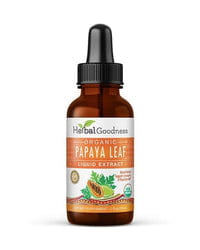
Sampling Ease: Droppers allow precise sampling—start with a few drops in water or tea, adjusting to taste. If you're looking for a potent and easy-to-sample liquid, Papaya Leaf Extract - Organic 1oz 15X Liquid - Blood Platelet delivers concentrated support in a compact, glass bottle.
Storage Tips: Store upright, tightly capped, away from sunlight and heat sources. Save empty bottles for repurposing.
Low-Waste Suitability: Glass tinctures are a favorite for those looking to try before they commit, especially when sample sizes are available. The sustainability factor is even higher if you purchase tinctures in mini bottles for initial trials, reducing overall packaging waste.
Papaya Leaf Capsules: Portability with Portion Control
Packaging: Usually come in plastic or glass bottles. Capsules protect powder from light and oxygen, preserving freshness.
Waste Profile: Single-capsule packaging (e.g., foil blisters) creates more waste. Opt for bottles with recyclable or compostable materials. For convenient, pre-measured servings with the benefit of less waste, consider Papaya Leaf Extract - Capsules 600mg - 10X Strength, which comes in bulk bottle packaging instead of individually wrapped capsules.
Shelf Life: When sealed, capsules can remain stable for up to two years. Keep in a dark, cool place.
Sampling Ease: Some brands sell small trial packs—these are convenient for first-timers. Capsules mask the herbal taste, making it easier for sensitive palates.
Storage Tips: Keep the bottle sealed between uses and avoid humid areas to prevent clumping or capsule breakdown.
Low-Waste Suitability: Best for those needing consistent serving sizes with moderate packaging. Look for brands transitioning to post-consumer recycled plastic or glass.
Single-Serve & On-the-Go Options: Taste Testing With Tiny Footprints
Packaging: Individual sachets or stick packs, often in lightweight pouches.
Waste Profile: Single-serve formats can increase waste, but some brands use compostable or recyclable wrappers. These are perfect for trial before purchasing a larger supply. For those seeking sample packs, Papaya Leaf Extract Blood Support - 10X 60/450mg Capsules - Blood Platelet offers an efficient capsule format for low-waste on-the-go sampling.
Shelf Life: Short-term, since individual portions are quickly consumed.
Sampling Ease: Ideal for taste testing or travel. Sample packs let you try multiple products with minimal commitment.
Storage Tips: Store unused sticks in a drawer or container—use them before long-term bulk products.
Low-Waste Suitability: Choose these if you want to sample several varieties, but prefer wrappers made from sustainable materials when available.
Comparing Digestive Sampling: Format, Taste, and Practicality
Flavor: Easing Into the Herbal Experience
- Powder: Grassy, slightly bitter; best mixed with flavored beverages or foods.
- Tincture: Potent, herbal; dilution in water or juice eases intensity.
- Capsules: Little to no taste—ideal if you’re sensitive to herbal flavors.
- Single-Serve: Tasteless if in capsule, similar to regular powder or tincture if in liquid or powdered stick.
Sampling small portions at first helps you discern what works for your palate and digestion preferences. Exploring Papaya Seed Powder Capsules – Gut & Colon Cleanse Support is a gentle way to experience this.
At-Home Storage: Prolonging Freshness and Minimizing Waste
- Bulk powder: Resealable packaging + glass jars = long life, less waste.
- Liquid tincture: Finish small bottles before opening new ones; reuse glass.
- Capsules: Recycle empty bottles; transfer extras into glass jars to reduce clingy plastic residues.
- Single-serve: Collect used wrappers for recycling where possible.

Shelf Life & Waste Tips
- Choose formats you’ll finish within six months to a year.
- Store in low-light, low-humidity locations—heat and moisture accelerate spoilage.
- Always reseal after use. Avoid decanting when possible (unless switching to glass) to limit air contact.

Waste-Reducing Habits for Continued Sampling
Every conscious step counts. Here are simple strategies to keep your papaya leaf extract exploration mindful:
- Start with sample sizes to avoid excess packaging from unused products. Try the compact Papaya Leaf Extract - Organic 1oz 15X Liquid - Blood Platelet for test runs before committing to full-size formats.
- Share larger formats with friends or family if you prefer bulk purchases.
- Seek recyclable, compostable, or glass packaging when evaluating your purchase. The Papaya Leaf Extract - Organic 16oz 15X Liquid Extract comes in a recyclable bottle and is ideal for regular users looking to minimize small container waste.
- Repurpose empty glass bottles or jars for other home uses—DIY spice jars, travel containers, or plant cuttings.
- Compost or recycle packaging according to your community guidelines.
Making Your Papaya Leaf Digestive Trial Sustainable: At-Home Tips
- Buy only the quantity you need: Single-serve packs or mini bottles are ideal for short-term testing. The Papaya Leaf Extract Blood Support - Organic 1oz 15X Liquid Extract - Platelet Health is a great minimalist trial option for those focused on both digestion and responsible eco-choices.
- Keep track of favorite formats as you sample—this helps minimize trial-and-error waste in the future.
- If you enjoy experimenting, host a tasting session with friends and share experiences (and portions) to minimize leftovers.
- Consider upcycling sturdy packaging before discarding.
Sizing Up: Sample Sizes and Small-Scale Packaging
Sampling isn’t just for the cautious—it’s for the eco-conscious too. Single-dose formats and mini bottles reduce risk and allow you to find your best fit. Look for brands that:
- Advertise recyclable or compostable singles.
- Sell sample kits for comparison. Papaya Leaf Extract - Capsules 600mg - 10X Strength is effective for comparison sampling if capsules are your preferred format.
- Package bulk items in minimal, recyclable materials.
This way, you explore what’s best for your wellness—without a pile of plastic or cartons in your bin.
Choosing Brands: What to Check for Packaging and Eco Practices
So, what should you investigate before picking your papaya leaf extract source? A little research goes a long way.
- Does the company use recycled or plant-based packaging?
- Are bulk and sample formats both offered? A combination of Organic Papaya Seed Powder 4oz | Gut Cleanse & Digestive Support and smaller capsule bottles is available from responsible sources.
- Do they discuss responsible disposal or upcycling?
- Is ingredient sourcing transparent and sustainability-minded?
Transparency in packaging and sustainability commitment helps you align your choices with your values.
Summing Up: Digestive Curiosity, Low-Waste Commitment
Trying papaya leaf extract for digestive support doesn’t have to come at an environmental cost. By carefully selecting the right format and embracing low-waste habits—from sampling in small doses to recycling or repurposing packaging—you can nurture your curiosity sustainably. Products like Papaya Leaf Extract - Organic 1oz 15X Liquid - Blood Platelet and Papaya Leaf Extract - Capsules 600mg - 10X Strength let you start small. Begin with what fits your needs, sample with an open mind, and keep your wellness journey as gentle on the planet as it is on your shelf.
FAQs:
- What are the main types of papaya leaf extract formats?
The most common formats are powders (bulk or single-serve), liquid tinctures (glass-droppers), capsules (in bottles or single packs), and stick packs or sachets for on-the-go sampling. Each varies in taste, ease of use, packaging, and waste profile.
- Which papaya leaf extract format creates the least waste?
Bulk powder and liquid tinctures in glass bottles typically create the least waste, especially when packaging is recyclable or compostable. Sample sizes help reduce waste when trying out new products.
- How long does papaya leaf extract stay fresh in different formats?
When stored properly, powder can last up to a year, tinctures up to two years, and capsules around two years. Always keep them sealed, away from light and moisture, to preserve quality.
- What are eco-friendly ways to store papaya leaf extract at home?
Transfer powders and capsules into clean glass jars for extended freshness. Reuse empty tincture bottles for crafts or travel. Keep all extracts in cool, dry, dark spaces to maintain potency.
- Are single-serve papaya leaf extract packets sustainable?
Single-serve packets can be convenient but may contribute more to waste. Choose those in compostable or recyclable wrappers and only purchase sample sizes you need to limit environmental impact.
- How can I try papaya leaf extract without buying a large supply?
Look for trial or sample packs—these allow you to test for taste and digestive comfort before committing to a larger purchase, reducing unused product and packaging waste.
- What should I look for in sustainable papaya leaf supplement brands?
Seek brands that use eco-friendly packaging, offer both bulk and sample sizes, and are transparent about their environmental practices, including recycling or composting options for their containers.
Author Name:
Herbal Goodness Editorial Team
Author Bio:
The Herbal Goodness Editorial Team specializes in holistic health and superfoods, blending science and nature to educate and empower our community.
References:
Introducing Graviola to Young Taste Buds: Fun, Family-Friendly Flavor Exploration
Graviola in the Classroom and at Home: Creative Activities to Teach Kids About Tropical Plants