





Loose Leaf vs Tea Bags: How to Choose and Brew Guava Leaf Tea for Flavor and Sustainability

Guava leaf tea has earned a loyal following among tea drinkers who appreciate its subtly earthy, slightly sweet taste and herbal aroma. But with so many ways to prepare guava leaf tea—from classic loose leaves to convenient sachets and powders—how do you select the format that best suits your daily ritual, your taste buds, and your values? This guide takes an in-depth look at loose leaf versus tea bags (including their materials), powdered extracts, and more, giving you practical ways to maximize flavor, freshness, convenience, and low-waste habits every time you brew.
Discovering the Main Forms of Guava Leaf Tea
Guava leaf tea is available in several forms:
- Loose Leaf: Whole or broken guava leaves for steeping in infusers or teapots.
- Paper Tea Bags: Pre-portioned guava leaves in disposable, usually bleached paper pouches.
- Nylon or Pyramid Sachets: Larger mesh bags offering space for leaves to expand, made with food-grade synthetics.
- Powdered Extracts: Finely milled guava leaf powder intended for fast mixing in hot water.
Each option presents distinct advantages and considerations, depending on your brewing habits and environmental priorities.
Comparing Loose Leaf, Tea Bags, and Powders for Taste & Aroma
The Flavor Experience With Loose Leaf
Loose leaf guava tea features larger pieces or whole leaves. This allows hot water to circulate thoroughly, coaxing out the tea’s full aromatic profile and subtle complexity. Enjoying loose leaf tea is often described as engaging and mindful, turning a cup of tea into a small, meaningful ritual.
For those searching for a pure herbal infusion, Bulk Loose Leaf Teas & Tisanes offer a chance to experience nuanced guava notes with minimal packaging and waste.
Advantages of Loose Leaf:
- Richer, more nuanced aroma and flavor
- Ability to control steeping time and amount
- Minimal processing preserves delicate plant notes
If you prefer a fresher, fuller-bodied tea with subtle shifts in flavor, loose leaf is often the top choice.
Paper Tea Bags: Everyday Convenience
Paper tea bags are a standby for their ease of use. Many contain finely cut or broken pieces designed for rapid brewing. The compact format fits easily into any routine and works great on the go or at the office.
Considerations With Paper Tea Bags:
- Fast and fuss-free
- Often contains smaller leaf particles (fannings) for stronger, quicker infusions
- Sometimes bleached or treated, which can influence flavor
- Less room for leaf expansion, potentially muting complex taste tones
Tea bags are ideal when simplicity and speed are priorities, but they may not provide the depth of flavor found with whole leaves. Those exploring the world of herbal tea bags can try Papaya Leaf Tea - Organic 24/2g Tea Bags to compare brewing experiences and aroma profiles with both loose and bagged styles.
Nylon and Pyramid Sachets: The Modern Middle Ground
Pyramid sachets—often made from food-safe nylon, corn fiber, or biodegradable mesh—are designed to mimic the space of a teapot in a single serving. The bag’s shape allows even medium-sized leaves to open up, producing improved flavor extraction compared to traditional flat bags.
Benefits of Pyramid Sachets:
- Improved leaf expansion for enhanced aroma
- Portable like classic tea bags
- Options available with compostable or plant-based mesh
Powdered Extracts: Pure Efficiency
Guava leaf powder provides a quick and uniform infusion. The powder dissolves with a brisk stir, making it the fastest format—just add hot water. While convenient, the flavor is often more robust and less layered than with loose leaves.
For increased convenience, Papaya Seed Powder - Organic 4oz Bag can be easily whisked into hot or cold beverages for a smooth and nutritious addition, and it is a great example of powdered teas that blend seamlessly for busy days.
Best For:
- Time-starved tea lovers
- Smoothies and fine mesh infusers
- Recipes needing a quick herbal boost
The Impact of Packaging on Sustainability and Shelf Life
Tea packaging is more than just a wrapper. It can influence:
- Flavor retention: Oxygen, light, and moisture degrade delicate herbal aromas over time.
- Freshness period: Airtight packing helps maintain taste and aroma.
- Environmental impact: Some bags release microplastics or require extra processing.
Paper Bags vs. Nylon Sachets
- Paper Tea Bags: Usually compostable (if unbleached and tag/string-free). They break down quickly in home composting setups, contributing minimal waste.
- Nylon Sachets: Typically non-biodegradable, though plant-based alternatives are emerging. If using nylon bags, check manufacturer details for sustainability claims.
Loose Leaf: Minimal Packaging, Maximum Freshness
Loose leaf teas are often sold in resealable pouches or tins. This not only preserves the tea’s quality (especially when kept cool and dry) but also reduces single-use packaging waste. Choosing Bulk Herbs & Roots is a sustainable move for anyone brewing herbal teas frequently at home.
Powdered Extracts: Compact, but Check Materials
Powders usually come in small jars or packets, sometimes layered with moisture absorbers. Choose recyclable or reusable containers when possible.
Opt for suppliers that use eco-conscious materials, such as biodegradable inner liners or recyclable tins, to further reduce your environmental footprint.

Easy Brewing Techniques for Every Format
Brewing Loose Leaf Guava Tea
- Portion: Use 1–2 teaspoons of loose leaves per cup.
- Preparation: Place leaves in a reusable infuser, tea ball, or French press.
- Water: Heat fresh, filtered water to 195–205°F (just below boiling).
- Steep: Pour water over leaves and steep for 5–7 minutes.
- Enjoy: Remove leaves and sip; re-steep if desired.
Tip: Experiment with leaf amount and steeping time to highlight nuances in aroma and flavor.
If you want to experience another flavor-rich herbal infusion, Graviola, Hibiscus, Bamboo Herbal Tea Trio – Bundle (3 Packs) provides a convenient sampler.
Paper and Sachet Tea Bags
- Drop a single bag in your mug, pour over freshly boiled water, and steep for 4–6 minutes. Press gently with a spoon for a bolder brew.
Including unique blends such as Bamboo Leaf Tea – 24/1.5g Tea Bags can add variety and collagen-boosting benefits to your routine.
Using Guava Leaf Powder
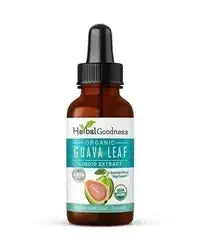
- Stir 1/2–1 teaspoon into hot water. Whisk well for an even infusion. This method is ideal for iced tea, blending, or recipes. If you crave even more convenience or alternative herbal options, explore Guava Leaf - Organic 1oz 15X Liquid Extract - Immunity & Herbal Health for potent, ready-dissolved nutrition in every serving.
How to Store Guava Leaf Tea for Maximum Aroma
Proper storage is crucial to maintain the rich aromas of guava leaves:
- Keep tea dry: Store away from moisture and humidity.
- Avoid light: Use opaque or tinted containers.
- Minimize air exposure: Always close bags tightly or use airtight tins.
- Cool location: Pantry shelves away from stoves or sunlight are ideal.
Using bulk packaging like the Bulk Herbs & Roots option makes it simple to keep larger quantities fresh and deeply aromatic.

Practical Low-Waste and Eco-Friendly Tips
Choosing sustainable tea habits benefits both your enjoyment and the environment:
Reusable Brewing Tools
- Invest in stainless steel or silicone infusers for loose tea.
- Use French presses or glass teapots for a shared experience.
- Wash and reuse certain pyramid sachets if safe.
If you regularly use powder or loose leaf, storing them in Bulk Loose Leaf Teas & Tisanes containers helps reduce single-use packaging waste and keeps your teas protected.
Compost and Reuse
- Add used guava leaves or unbleached tea bags directly to your compost pile to enrich soil.
- Dry spent leaves and sprinkle around plants for natural mulch.
- Repurpose used tea leaves in DIY potpourri or cleaning scrubs (gentle for household use).
Sustainability also means selecting eco-conscious products—Guava Leaf - Organic 1oz 15X Liquid Extract - Immunity & Herbal Health comes in recyclable packaging and delivers concentrated goodness.
Reduce Single-Use Packaging
- Buy larger packs or bulk loose leaves to reduce overall packaging.
- Support brands that use compostable or recyclable materials.
Conscious choices create a more sustainable tea experience, without sacrificing convenience.
Everyday Choices: Picking Your Ideal Guava Leaf Tea
For Depth of Flavor: Choose high-quality loose leaf tea and experiment with water temperature or steep time. Options like Bulk Loose Leaf Teas & Tisanes provide exceptional control over each cup you brew.
For Convenience: Opt for unbleached paper tea bags or compostable pyramid sachets—great for busy schedules. Papaya Leaf Tea - Organic 24/2g Tea Bags is one easy-brew herbal option.
For Sustainability: Seek loose leaf in resealable, recyclable pouches. Use reusable infusers and compost spent material, or choose Bulk Herbs & Roots.
For Multi-Tasking: Try powder or extracts for smoothies and recipes or as a fast solo cup solution. The Guava Leaf - Organic 1oz 15X Liquid Extract - Immunity & Herbal Health offers an especially versatile liquid format for diverse needs.
By weighing your priorities—taste, convenience, freshness, or ecological impact—you can confidently select the guava leaf tea format that matches your lifestyle while enjoying every aromatic cup.
FAQs:
- Which guava leaf tea format offers the richest flavor?
Loose leaf guava tea typically provides the most nuanced and layered flavor, thanks to its minimal processing and larger leaf pieces. The greater space for expansion during steeping helps release a full spectrum of aromas.
- Are pyramid sachets or nylon tea bags eco-friendly?
Traditional nylon pyramid sachets are not biodegradable, but plant-based or compostable mesh alternatives are available. When choosing sachets, look for options with materials labeled as compostable or made from renewable resources.
- How should I store my guava leaf tea to keep it fresh?
Store guava leaf tea in an airtight, opaque container in a cool, dry location away from sunlight, heat, and humidity to preserve its aroma and taste for as long as possible.
- Can I compost used guava tea leaves and bags?
Unbleached paper tea bags and spent guava leaves can be added to your compost pile. They break down quickly and help enrich garden soil. Avoid composting nylon or synthetic tea bags unless specifically labeled as biodegradable.
- Is brewing guava leaf powder different from loose leaf?
Yes, guava leaf powder dissolves quickly in hot water and requires only stirring, while loose leaf tea benefits from steeping in infusers for 5–7 minutes. Powders provide a straightforward and fast option.
Author Name:
Herbal Goodness Editorial Team
Author Bio:
The Herbal Goodness Editorial Team specializes in holistic health and superfoods, blending science and nature to educate and empower our community.
References:
Introducing Graviola to Young Taste Buds: Fun, Family-Friendly Flavor Exploration
Graviola in the Classroom and at Home: Creative Activities to Teach Kids About Tropical Plants