Liquid Herbal Extracts: A Visual Beginner’s Guide to Equipment, Steps, and Clean Quality
Your Introduction to Liquid Herbal Extracts
For anyone new to the world of plant-based wellness, the phrase "liquid herbal extracts" might sound both intriguing and mysterious. Yet, these powerful liquids, also referred to as tinctures or elixirs, are at the heart of many herbal brands focused on delivering concentrated botanical goodness. If you've ever wondered how clean, organic herbal extracts are actually made—what equipment is used, what happens at each stage, and why these steps matter for quality—this beginner’s visual guide is for you. Here, we’ll walk through a typical liquid herbal extract production line, exploring every station and revealing how each stage plays an essential role in shaping the final product’s flavor, stability, and traceability.
Ingredient Intake: Where Cleanliness and Quality Begin
Selecting High-Quality Raw Materials
The journey starts with choosing premium, clean, and often organic raw plant materials. Sourcing is more than just gathering herbs—it involves detailed checks for authenticity, freshness, and things like soil quality or organic certification. Brands dedicated to purity, like Herbal Goodness, often develop trusted partnerships with growers who share their standards.
The Intake Station—First Step for Traceability
At the production facility, herbs arrive, often in dried or fresh forms. Here, they’re labeled, logged, and tracked in batches. This intake process ensures that every bottle of extract can be traced back to its source, supporting both transparency and accountability—a hallmark of organic brands.
Why it matters: Rigorous intake supports trust, as you know exactly where the ingredients in your extract come from. Cleanliness at this stage, including inspection for contaminants or foreign materials, protects the purity of the end product.
Interested in sourcing clean, high-quality herbal extracts for your brand or retail business?
Click here to fill our wholesale form.
Extraction: Unleashing the Plant's Potency
What is Extraction?
Extraction is the process of pulling beneficial plant compounds out of raw materials into a liquid base, usually made of water, alcohol, or a mix of both. The choice of liquid (called the "solvent") and methods influence not just what’s extracted, but also the taste, color, and texture of the final product.
Extraction Equipment and Methods
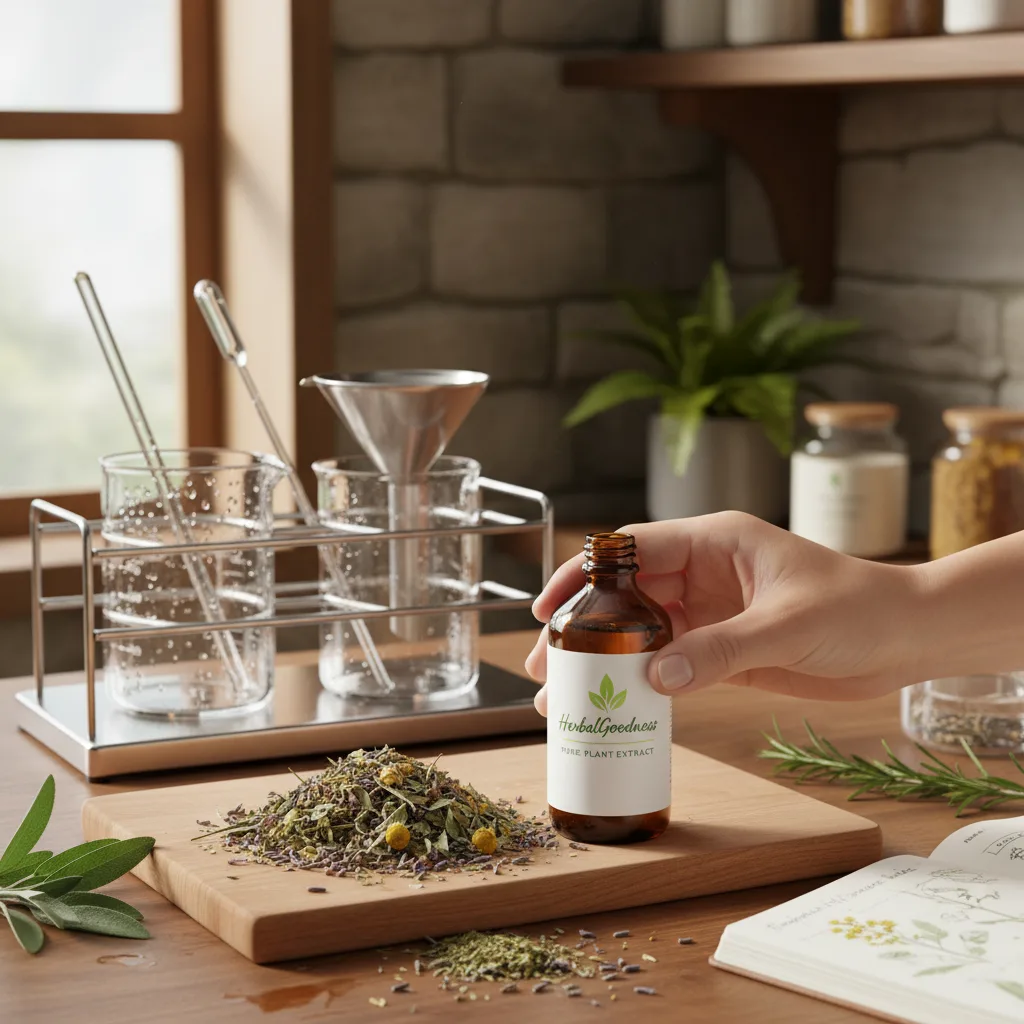
At this station, equipment like stainless steel extractors or glass vessels come into play. The plant material is blended with the solvent, then agitated or steeped for hours or days. Organic brands may choose food-grade, non-reactive materials to preserve the purity and natural profile of their extracts. If you’re seeking options with a clean process and trusted quality, Soursop Leaf Graviola Extract - - Organic 15X Liquid Extract - Cell Renew & Immunity offers a great example—each batch reflects attention to detail and purity.
Why it matters: The extraction phase determines which constituents—like flavors, colors, or antioxidants—are captured. Careful control here leads to a fuller, richer extract with consistent quality.
Concentration: Focusing Flavor and Strength
How Concentration Works
Following extraction, the liquid often contains a broad mix of plant essence—but sometimes in a weak or diluted form. The concentration station uses gentle heat or advanced evaporation methods to remove some of the solvent, making the extract stronger without overheating or harming delicate compounds.
Equipment for Concentration
This step may involve vacuum evaporators or boilers, designed to operate at precise temperatures. Clean brands select equipment that minimizes heat exposure and uses food-grade components to protect the integrity of natural plant constituents. For those interested in potent and cleanly concentrated formulas, the Papaya Leaf Extract 16oz – Organic 15X Liquid Papaya Leaf Herbal Supplement follows these best practices for ensuring optimal plant benefits.
Why it matters: Controlled concentration results in a more potent product, where desired flavors and plant compounds shine through clearly, free from unwanted bitterness or off-notes. It also supports shelf stability, reducing risk of spoilage.
Filtration: Ensuring Clarity and Smoothness
What Happens During Filtration?
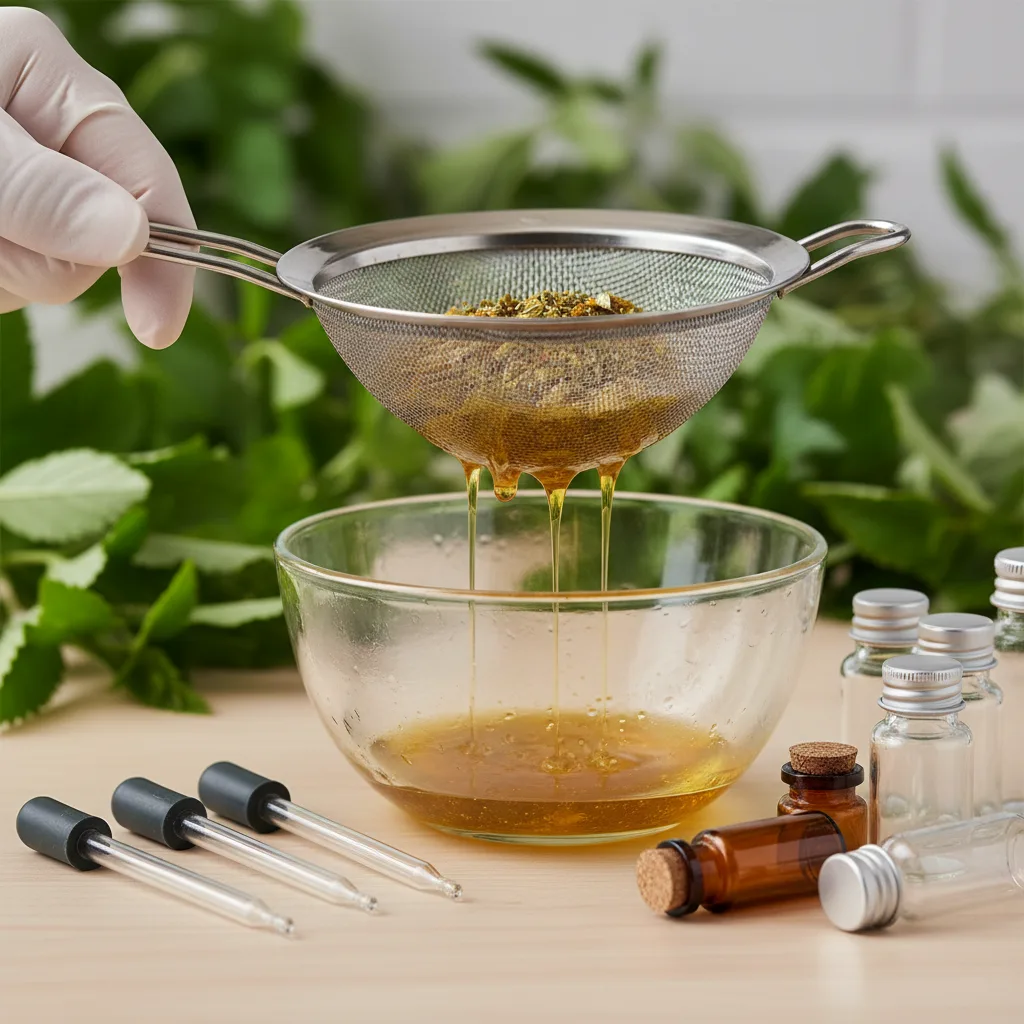
Once concentrated, the extract often contains tiny particles or plant fibers. The filtration stage removes these solids for a smooth, clear liquid. Brands prioritizing clean, organic products frequently opt for multi-stage filtration—think mesh sieves, paper filters, or advanced systems like crossflow filters.
Attention to Clean Equipment
Every filter, tube, and container is carefully sanitized before and after each batch, upholding food safety and product consistency. Meticulous record-keeping supports traceability, so any issue can be tracked quickly back to its source. This meticulous approach is visible in extracts like the Papaya Leaf Extract - 1oz - Organic - 15X Liquid - Blood Platelet, known for clarity and consistent quality.
Why it matters: Filtration enhances flavor, giving you a clean-tasting extract free from grit or cloudiness. It also serves as another checkpoint for purity, preventing unwanted material from reaching the bottle.
Blending: Crafting the Final Formula
The Art of Blending
Now comes a creative step: blending the concentrated, filtered extract with any additional liquids or carriers to achieve the exact potency, consistency, and flavor profile intended. This could mean adjusting the alcohol content, adding purified water, or harmonizing with complimentary extracts—all under strict quality controls. When seeking uniformity across batches, products such as Blood Platelet with Papaya Leaf - Organic 15X Liquid Extract - Platelet & Bone Marrow stand out for their carefully blended and tested formulas.
Monitoring for Consistency
Brands focused on excellence use blending tanks with precise measurement systems. Each batch is checked for uniformity, ensuring that each drop meets taste and strength standards set by the master formulation.
Why it matters: Blending ensures that your herbal extract is both flavorful and consistent, bottle after bottle—a key marker of trust for plant-based wellness seekers.
Ready to partner with a trusted manufacturer for premium liquid herbal extracts?
Click here to fill our wholesale form.
Filling and Bottling: Careful Handling for Freshness
Precision Filling Equipment
Filling is about packaging the finished extract safely and accurately. Sophisticated machines measure out exact doses—often just a few milliliters at a time—before sealing bottles tightly to guard against air, moisture, and contaminants. The Soursop Leaf Graviola Extract - - Organic 15X Liquid Extract - Cell Renew & Immunity heads into sterile, precision-measured bottles that maintain freshness.

Clean Facilities and Final Inspections
Every step is conducted in sanitized conditions, sometimes in dedicated clean rooms, with staff trained in hygienic handling. Bottles are labeled with batch numbers and best-by dates, making traceability simple if questions ever arise.
Why it matters: Proper filling protects the extract’s freshness, flavor, and stability. It helps keep organic products clean, while supporting the brand’s transparency from intake to packaging.
Sanitation and Quality Control: The Cornerstone of Clean Herbal Brands
Maintaining Ultra-Clean Environments
At every stage, from ingredient intake to bottling, cleanliness is non-negotiable. Equipment, surfaces, and even the air are routinely sanitized. Quality teams follow strict protocols to prevent cross-contamination or unwanted flavor changes. Select wellness products such as Papaya Leaf Extract Blood Support - Organic 15X Liquid Extract - Platelet Health exemplify these high standards.
Documentation and Traceability
Organic brands often go beyond minimum requirements, documenting each batch, conducting regular equipment inspections, and testing for characteristics like clarity, aroma, and strength. This documentation ensures that if any concerns arise, a complete trail supports rapid resolution.
Why it matters: These final quality checks aren’t just regulatory—they’re central to supporting the trust that clean, plant-based wellness depends on. When you select a brand that prioritizes sanitation and documentation, you’re choosing transparency and care at every stage.
How Each Step Shapes Flavor, Stability, and Traceability
Flavor Profiles
The selection, extraction, and blending techniques all directly impact the extract’s taste—whether it’s mellow and earthy, bright and pungent, or subtly aromatic. Brands that focus on organic, minimally processed techniques often preserve more complex botanical flavors, prized by discerning herbalists. Products such as Papaya Leaf Extract 16oz – Organic 15X Liquid Papaya Leaf Herbal Supplement are known for their flavor integrity.
Stability and Freshness
Controlled concentration, careful filtration, and airtight bottling all safeguard the plant’s natural essence, allowing organic extracts to remain fresh and potent—often for longer than minimally processed products.
Traceability for Trust
Documented intake, batch labeling, and rigorous record keeping provide peace of mind to customers—helping them know the wellness products they enjoy are made with care, transparency, and accountability. One example is the Blood Platelet Plus - 60/600mg 20X Strength Capsule - Platelet Boost, a supplement that highlights transparency and clear traceability.
Visualizing the Liquid Herbal Extract Production Line
Imagine a flow of labeled botanical ingredients arriving at a bright, stainless-steel facility. Every station is interconnected, clean, and carefully managed—from the careful intake of plant material through gentle extraction and precise bottling. Staff move methodically from one step to the next, guided by charts, flow diagrams, and batch records, ensuring no detail is overlooked. Papaya Leaf Extract - Capsules 600mg - 10X Strength and similar products result from this meticulous attention.
Why This Process Matters for Clean, Organic Brands
Clean, plant-based brands, like Herbal Goodness, emphasize transparency and quality at every station. Their commitment to traceability, non-reactive equipment, and meticulous sanitation isn’t just about compliance—it’s about honoring the plant’s natural gifts and delivering products customers can trust.
When you next reach for a liquid herbal extract, consider the complex, carefully choreographed process behind each drop. Every major step, from the moment plants enter the facility to the final labeling, influences the flavor, safety, and reliability of the organic wellness experience you receive.
FAQs:
- What are liquid herbal extracts?
Liquid herbal extracts are concentrated liquids made by drawing out beneficial plant components using solvents such as alcohol or water. They offer a convenient way to enjoy the essence of herbs in a potent liquid format.
- Why does the extraction process matter?
A precise extraction process ensures the maximum amount of beneficial plant compounds is captured, while minimizing unwanted flavors or constituents. Clean extraction methods contribute to better taste, potency, and product consistency.
- How does filtration affect the final extract?
Filtration removes unwanted plant material, resulting in a clear, smooth extract. It supports both taste and purity, offering a more enjoyable experience and supporting product quality.
- Why is traceability important in herbal extracts?
Traceability means every batch can be tracked back to its original source and production stages. It ensures transparency, supports quality checks, and gives customers confidence in the product’s journey from plant to bottle.
- How do organic brands protect flavor and freshness?
Organic brands carefully control concentration, use high-quality filtration, and follow strict sanitation practices. All these steps help preserve the plant’s original flavor and keep extracts fresh.
- What quality controls are used in the production line?
Key controls include source verification, batch logging, equipment sanitation, routine inspections, and rigorous documentation at every stage, ensuring consistency and safety for each extract.
- How does batching support clean herbal extract production?
Batching allows producers to isolate and monitor every production run, making it easier to identify quality issues, manage recalls if needed, and maintain high standards for every bottle.
Author Name:
Herbal Goodness Editorial Team
Author Bio:
The Herbal Goodness Editorial Team specializes in holistic health and superfoods, blending science and nature to educate and empower our community.
References:
Introducing Graviola to Young Taste Buds: Fun, Family-Friendly Flavor Exploration
Graviola in the Classroom and at Home: Creative Activities to Teach Kids About Tropical Plants
Why Social Impact Matters in Plant-Based Wellness