Lion's Mane Tincture vs Powder: How to Choose the Right Format

Exploring Lion's Mane: Tincture vs. Powder for Your Daily Rituals
Lion’s mane mushroom has captivated the attention of wellness enthusiasts for its longstanding, versatile use in traditional practices. If you’re new to this celebrated fungus, you might be wondering which format—tincture or powder—will best fit into your daily routine. Each offers unique qualities that cater to different preferences, lifestyles, and intentions. In this comprehensive guide, we’ll compare lion’s mane tincture and powder from a practical perspective, focusing on taste, preparation, shelf life, convenience, and ways to enjoy each format in your favorite drinks and recipes. Consider this your friendly, expert roadmap to choosing the best version of lion’s mane for you.
Understanding Lion’s Mane Mushroom and Its Modern Uses
Lion’s mane (Hericium erinaceus) has been traditionally appreciated for its use in culinary and holistic routines. Modern enthusiasts integrate it into everything from morning coffees to smoothie bowls, exploring its distinct profile and potential.
Why the Format Matters
Selecting between a tincture and powder can shape your entire experience. While both formats start from the same mushroom, they deliver different practical benefits. The right choice depends on your taste preference, daily habits, and how you like to incorporate supplements into your wellness lifestyle.
Taste and Texture: What to Expect and How to Choose
Powdered Lion’s Mane
- Flavor Profile: Lion’s mane powder is often described as earthy, mild, and slightly nutty.
- Texture: Finely ground powder typically blends easily into liquids, but in water alone, it may have a slightly grainy or chalky mouthfeel.
- Best For: Those who enjoy adding supplements to foods and drinks with more texture, like smoothies, oatmeal, or energy bites.
Lion’s Mane Tincture
- Flavor Profile: The tincture format is more concentrated and often tastes somewhat bitter or herbal, with a hint of the mushroom’s natural flavor.
- Texture: Liquid extracts are smooth and mix easily into almost any beverage without changing the drink’s texture.
- Best For: Anyone preferring a quick, easy addition to drinks, or those sensitive to powdered textures.
Preparation and Integration Into Your Routine
Mixing Lion’s Mane Powder
- Blending: Use a blender for the smoothest integration in smoothies or lattes. Hand-stirring in oatmeal, yogurt, or sauces can work well.
- Culinary Creativity: Its subtle taste makes it an easy add-in for baked goods or homemade protein bars.
Using Lion’s Mane Tincture
- Direct Use: Simply add the recommended drops to tea, coffee, or juice.
- On-the-Go: Quick and portable, tinctures are ideal for travel or busy mornings.
Pro Tip: Whichever format you choose, start with a small amount to get used to the taste and find what works best for you. Try recording your experiences in a journal to track what feels most enjoyable and sustainable.
Shelf Life and Storage: Maintaining Freshness
- Powder: Usually comes in airtight containers. Best stored in a cool, dry place, away from sunlight. Typical shelf life ranges from 12 to 24 months after opening.
- Tincture: Glass bottles with droppers are standard. Stability comes from the alcohol or glycerin base. Store in a dry, dark cabinet for optimal quality. Tinctures can last up to two years when kept sealed.
Remember to always check manufacturer instructions for guidelines on storage and expiration.
Daily Convenience: Which Format Fits Your Lifestyle?
Selecting a format is about making your wellness routine seamless and enjoyable. Here are a few lifestyle scenarios for comparison:
- Busy Professionals: Tincture wins for fast-paced schedules. A few drops in your morning beverage is simple and fuss-free.
- Culinary Explorers: Powder offers creative flexibility—stir it into pancakes, energy balls, or even soups.
- Travel Enthusiasts: Tinctures are compact and spill-proof, ideal for packing in a bag or briefcase.
- Routine Ritualists: Powders are suited for those who enjoy preparing food and relish their morning ritual.

Culinary Uses: Experimenting With Lion’s Mane
Incorporating Powdered Lion’s Mane
Powder can be a delightful addition to many recipes, especially if you prefer to mask or blend flavors. Casually sprinkle into:
- Smoothies or protein shakes
- Oats, porridge, or yogurt bowls
- Nut butters or smoothie bowl toppings
- Muffins, bread, or pancake mixes
One great addition to support your wellness ritual is a convenient, mild-tasting formula such as Organic Papaya Seed Powder 4oz | Gut Cleanse & Digestive Support. It blends well in similar ways and can be a smart complement in your daily smoothie routine.
Enjoying Lion’s Mane Tincture
Tincture excels for liquid-based routines:
- Mix into your morning coffee, tea, or matcha
- Add a few drops to juices or herbal drinks
- Swirl into a glass of warm water for a purist approach
- Blend into salad dressings that benefit from herbal notes
For those who enjoy the convenience and robust benefits of tinctures, Lion's Mane Mushroom Liquid Extract - Organic 1oz - Brain & Mood is ideal for quick, daily use. It's designed to pair seamlessly with your favorite beverages and support mental clarity.
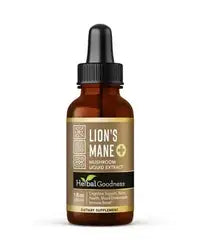
Another creative way to harness holistic goodness is through blends that target multiple wellness needs. The Mushroom Blend - Organic 1oz 15X Liquid Extract - Adaptogens & Brain Power is a popular option, offering a harmonious mix for those seeking broader daily support.
Trial Plan: How to Try Both Formats Mindfully
Trying each format is the best way to decide which suits you. Here’s a beginner-friendly, non-medical trial plan:
- Select a Consistent Time: Ideally, use lion’s mane in the morning or as part of an established ritual.
-
Sample Preparation:
- For tincture, add the recommended amount to a cup of tea or warm water.
- For powder, blend into a smoothie or stir into oats.
- Daily Journaling: Note how the experience feels: taste, texture, convenience, and personal enjoyment.
- Try for Several Days: Alternate formats each day for a week to notice what aligns effortlessly with your lifestyle.
- Reflect and Decide: Your notes will reveal whether you prefer quick liquid drops or the creative potential of powders.
Everyone’s taste and routine are different—there is no one-size-fits-all answer!

Sourcing Quality Lion’s Mane Products
Whether you choose tincture or powder, the foundation of your experience is quality. Look for third-party tested products and transparent ingredient sourcing whenever possible. Brands like Herbal Goodness emphasize rigor in their sourcing and production standards to deliver dependable, consistent formats.
For fans of functional mushroom blends and comprehensive adaptogenic formulas, Mushroom Blend - Organic 1oz 15X Liquid Extract - Adaptogens & Brain Power offers third-party tested reliability in a user-friendly tincture. If your ritual is all about digestive support, Organic Papaya Seed Powder 4oz | Gut Cleanse & Digestive Support is an accessible option for anyone exploring powders. And if you’re seeking to support cognitive wellness or add a boost to your beverage routine, Lion's Mane Mushroom Liquid Extract - Organic 1oz - Brain & Mood is formulated for both quality and convenience.
- Organic Sourcing: Opt for products grown without synthetic pesticides.
- Transparent Labels: Review the ingredient list for clarity and simplicity.
- Certifications: Certifications can reflect responsible sourcing and manufacturing standards.
Recap: Choosing What’s Right for You
Choosing between lion’s mane tincture and powder depends on your palate, culinary habits, preferred routines, and even storage needs. Both formats offer a convenient way to explore lion’s mane’s time-honored role in holistic practices. Don’t be afraid to experiment—trying both is the best way to find your fit. With a mindful approach, lion’s mane can find a natural place in your daily ritual, whether you savor creative kitchen moments or prioritize ease and speed.
FAQs:
- What are the main differences between lion’s mane tincture and powder?
Tincture is a concentrated liquid extract, easily mixed into beverages and quickly absorbed. Powder is finely ground mushroom that can be added to foods or drinks and often offers more culinary flexibility.
- How does the taste of lion’s mane tincture compare to powder?
Tincture generally tastes more herbal or slightly bitter, while powder tends to be earthier and milder, blending well with many recipes. Taste preference is highly individual.
- Which format is more convenient for daily use?
Tincture is typically faster and more portable—just drop into beverages. Powder offers more options for blending into foods for those who enjoy kitchen routines.
- How should I store lion’s mane tincture and powder?
Store tincture in a cool, dark place in its original bottle. Keep powder in a sealed container away from moisture and sunlight for best freshness.
- Can I try both lion’s mane formats before choosing?
Yes! Trying both in different daily rituals—such as adding tincture to tea or powder to smoothies—can help you decide which feels easiest and most enjoyable.
- Is one format more effective than the other?
Both formats deliver lion’s mane in their own way. Effectiveness depends on consistency and personal preference for taste and usability rather than format alone.
- Are there any common culinary uses for each format?
Powder excels in smoothies, oatmeal, and baked goods, while tincture blends seamlessly into beverages and even dressings.
Author Name:
Herbal Goodness Editorial Team
Author Bio:
The Herbal Goodness Editorial Team specializes in holistic health and superfoods, blending science and nature to educate and empower our community.
References:
Introducing Graviola to Young Taste Buds: Fun, Family-Friendly Flavor Exploration
Graviola in the Classroom and at Home: Creative Activities to Teach Kids About Tropical Plants
Why Social Impact Matters in Plant-Based Wellness