





Lion's Mane Mushroom Bulk Buying: Wild vs. Cultivated Sourcing Guide

Lion’s mane mushroom, renowned for its unique appearance and long history of culinary and wellness use, has become a popular ingredient in both supplements and food applications. As demand grows, buyers sourcing lion’s mane in bulk—whether as powders, extracts, or loose material—are seeking clarity on the differences between wild-harvested and cultivated options. This guide explores the core distinctions, supply chain considerations, and responsible sourcing principles, helping bulk purchasers make informed, sustainable decisions.
Understanding Lion’s Mane: Bulk Market Drivers
The increasing interest in lion’s mane mushroom is driven by both culinary innovation and a growing appreciation for adaptogenic mushrooms. Bulk buyers include supplement manufacturers, herbal companies, food producers, and specialty grocers. When considering large quantities, aspects of quality, sustainability, and reliability become paramount—particularly in distinguishing wild-harvested from cultivated sources.
Wild-Harvested Lion’s Mane: Unique Qualities and Supply Factors
Habitat and Biodiversity Considerations
Wild lion’s mane (Hericium erinaceus) is commonly foraged from mature hardwood forests, often growing on aging trees or fallen logs. This method preserves some traditional harvesting techniques and is valued for its perceived connection to natural ecosystems. However, wild harvesting inherently relies on the health and accessibility of local habitats, which may vary by region and season.
Key points about wild-harvested lion’s mane:
- Seasonal Availability: Supply is subject to the life cycle of forest ecosystems. Harvesting windows may be limited, impacting consistency for bulk orders.
- Biodiversity Impact: Responsible wild harvesting contributes to maintaining ecosystem diversity, but overharvesting or poor practices may put localized mushroom populations under pressure.
- Traceability: Wild-sourced lion’s mane can present challenges in supply chain transparency, as produce may pass through several hands before reaching processors.
Wild Harvesting Practices
Ethical wild harvesters follow guidelines designed to minimize their ecological footprint, including collecting only mature fruiting bodies, avoiding overharvesting in any one location, and not disturbing the base of the fungus (ensuring regrowth potential). For buyers, understanding a supplier’s harvesting policies is essential in evaluating the broader environmental impact.
Cultivated Lion’s Mane: Consistency and Scale
Modern Cultivation Methods
Cultivated lion’s mane is grown in controlled environments—such as greenhouses or indoor farms—often on sterilized hardwood substrates or agricultural byproducts. Advancements in mushroom cultivation have made it possible to produce lion’s mane at scale with consistent quality.
Characteristics of cultivated lion’s mane:
- Stable Supply: Indoor farming allows for year-round production, providing steady availability for bulk purchasers.
- Traceability and Standards: Cultivation processes are more easily documented, offering better traceability and quality assurance. Certifications and third-party auditing are common in reputable supply chains.
- Standardized Material: Controlled growing conditions support consistent composition and appearance, important for products requiring uniformity (such as capsules or standardized extracts).
Biodiversity and Resource Efficiency
While cultivated production does not directly support wild mushroom biodiversity, it reduces pressure on natural habitats and remains a scalable way to meet rising demand. Many modern cultivators focus on low-waste practices and resource efficiency, recycling substrate materials after harvest.
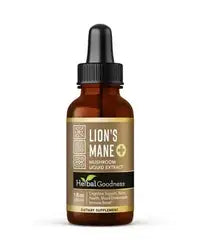
For those passionate about brain and cognitive support, Lion's Mane Mushroom Liquid Extract - Organic 1oz - Brain & Mood offers a concentrated and traceable cultivated extract for everyday use and supplementation.

Comparing Supply Stability: Predictable Buying for Bulk Needs
For manufacturers or wholesalers, the predictability of supply—and the ability to plan inventory—is crucial. Wild-harvested lion’s mane, subject to seasonality and habitat fluctuation, may experience variability in both price and volume. Cultivated lion’s mane, by contrast, is designed for scalable production, allowing buyers to better negotiate contracts and minimize out-of-stock scenarios.
Supply chain highlights:
- Wild: Seasonal, variable, weather-dependent, may require advance planning to secure reliable quantities.
- Cultivated: Predictable, contract-based, less susceptible to weather or regional disruptions.
If you are seeking additional adaptogenic support, the Mushroom Blend - Organic 1oz 15X Liquid Extract - Adaptogens & Brain Power features lion’s mane alongside other carefully sourced mushrooms for a holistic approach.
Traceability, Quality, and Safety in Bulk Purchases
Bulk buyers must be able to trace the origin and handling of lion’s mane ingredients to ensure they align with quality and sustainability standards. Cultivated sources typically provide clear batch tracking, test results for contaminants (such as heavy metals or agricultural residues), and often adhere to certifications relevant to food safety and organic practices. Wild sources may offer less transparency, underscoring the importance of supplier auditing and documentation.

Common traceability considerations:
- Documentation: Certificates of analysis (COA), supplier audit records, and cultivation/harvest location data.
- Lot Control: Ability to link final product back to origin and production batch.
- Transparency: Openness between supplier and buyer, especially regarding collection methods, post-harvest handling, and possible intermediaries.
Sustainability and Responsible Sourcing Practices
Building a responsible supply chain requires balancing ecological impact, social responsibility, and economic viability.
Sustainability pointers for bulk buyers:
- Wild supply: Favor harvesters who operate under regional conservation guidelines, collect only in sustainable volumes, and contribute to reforestation or local biodiversity programs when possible.
- Cultivated supply: Look for growers with low-waste operations, energy-efficient production, and community involvement. Certification by recognized sustainability standards adds credibility.
Buyers who want to support sustainability can choose blends that incorporate responsibly sourced botanicals as found in the Bulk Herbs & Roots - Organic 4oz Bags - Herbal Tea, ensuring their supply chain is not only ethical but diverse.
Supplier Questions for Due Diligence:
- What are your harvesting policies and documentation practices?
- Can you provide batch-specific information and product traceability?
- How do you monitor ecological or environmental impact?
- Are your cultivated mushrooms grown without synthetic additives?
- Do you have third-party certifications for quality or sustainability?
Packaging, Processing, and Waste Minimization
Mushroom formats—whether whole, powdered, or extracted—play a role in supply chain efficiency. Efficient post-harvest handling and mindful packaging reduce waste and preserve quality during transit and storage. Many buyers are also seeking suppliers with eco-friendly packaging or who participate in recycling initiatives. For powders and extracts, understanding material yield and extraction efficiency is an important aspect of responsible sourcing.
For streamlined bulk buying, consider Bulk Loose Leaf Teas & Tisanes - Organic 4oz - Herbal Wellness Teas, which showcases adaptable formats that cater to both culinary and supplement needs.
Choosing Between Wild and Cultivated: Key Considerations for Bulk Buyers
The choice depends on several criteria: volume requirements, supply reliability, transparency needs, ecological values, and end-use application. For ingredient branding (such as in craft products or specialty lines), wild-harvested material may offer a unique story and appeal to customers valuing tradition and habitat connection. For mass-market or standardized uses, cultivated lion’s mane usually meets requirements for traceability, scalability, and consistency.
Pros and Limitations at a Glance
Wild-Harvested Lion’s Mane
Pros: Unique heritage, connection to origin, potential biodiversity benefits if responsibly managed.
Limitations: Seasonal, often less traceable, supply and price variability, requires close supplier relationships.
Cultivated Lion’s Mane
Pros: Predictable supply, scalable for large contracts, standardized quality, greater documentation, often better for certified organic supply chains.
Limitations: Less direct connection to wild ecosystems; some sustainability questions depend on inputs and energy sources.
Bulk Formats: Lion’s Mane Powders, Extracts, and Loose Material
Lion’s mane is typically available in several bulk formats:
- Powders: Dried and ground from whole fruiting bodies, used in supplements, beverages, and blended foods.
- Extracts: Concentrated liquid or powder extracts, valued for ease of use and standardized content.
- Loose Material: Dried slices or whole mushrooms, often favored for culinary or craft applications.
Both wild and cultivated options exist in these formats. Bulk buyers should clarify with suppliers how material is processed—especially for extracts, which may vary in solvent use or production method.
Adding a convenient option to your bulk offering, Lion's Mane Mushroom Liquid Extract - Organic 1oz - Brain & Mood comes in a liquid form for versatility in food and beverage manufacturing.
If you wish to expand your bulk wellness collection, the Bulk Herbs & Roots - Organic 4oz Bags - Herbal Tea is formulated with a variety of adaptogenic and wellness botanicals, including possibilities for mushrooms like lion's mane.
For comprehensive adaptogenic support, the multi-mushroom Mushroom Blend - Organic 1oz 15X Liquid Extract - Adaptogens & Brain Power is optimal for supplement brands focused on brain health and holistic benefits.
Future Outlook: Evolving Standards and Buyer Expectations
As natural ingredient markets advance, transparency and responsible sourcing have become top priorities. Many buyers now expect not just product quality, but evidence of low-impact practices and supply chain ethics. This evolution is driving both wild and cultivated lion’s mane suppliers toward greater documentation, certifications, and partnerships that value long-term resource stewardship.
Bulk buyers have a meaningful role in shaping this landscape by working with suppliers who embrace responsible practices and by communicating these expectations clearly.
FAQs:
- What is the main difference between wild and cultivated lion’s mane for bulk purchases?
Wild lion’s mane is foraged from natural forests and is subject to seasonal and regional variations, while cultivated lion’s mane is grown in controlled indoor environments, offering stable supplies and more reliable documentation for bulk buyers.
- How can I ensure the traceability of lion’s mane mushrooms in bulk orders?
Work with suppliers who provide batch-specific information, certificates of analysis, and clear documentation of cultivation or foraging methods. Regular audits and open communication further support traceability.
- Does choosing cultivated lion’s mane help protect wild habitats?
Sourcing from cultivated producers reduces pressure on natural forests by minimizing the need for wild foraging, allowing wild populations to thrive and maintain ecological roles.
- What are some questions to ask lion’s mane suppliers about responsible sourcing?
Ask about their harvesting or cultivation policies, documentation practices, third-party certifications, and any initiatives they support for environmental or community sustainability.
- Why is waste minimization important in bulk mushroom sourcing?
Efficient processing and eco-friendly packaging reduce environmental impact and support broader sustainability goals, ensuring that the sourcing of lion’s mane is both responsible and resource-conscious.
- Which bulk format is best: powder, extract, or loose lion’s mane?
The best format depends on the intended use: powders are versatile for supplements, extracts for concentrated applications, and loose mushrooms for culinary or specialty products. Confirm with suppliers how the material is processed and handled.
Author Name:
Herbal Goodness Editorial Team
Author Bio:
The Herbal Goodness Editorial Team specializes in holistic health and superfoods, blending science and nature to educate and empower our community.
References:
Mushroom Production and Processing: Current Status, Future Prospects and Challenges – ScienceDirect