Joining or Starting a Bulk Herbal Buying Group: Guide for Small Retailers
Joining or starting a bulk herbal buying group is an empowering step for small retailers, apothecaries, cafés, or dedicated indie makers seeking better herb quality, cost-savings, and reliable sourcing. As the herbal marketplace becomes more competitive, small-scale businesses often face challenges—high minimums, limited product variety, or unpredictable supply chains. By pooling resources and working cooperatively, even modest operations can gain access to premium botanicals, improve purchasing power, and create a greater sense of community and resiliency.
Below is a practical, step-by-step guide designed specifically for newcomers exploring the world of bulk herbal buying groups. We’ll cover core considerations, logistical details, and helpful tips to ensure your group buying journey is smooth and rewarding.
Understanding Bulk Herbal Buying Groups
A bulk herbal buying group is a collaborative approach where multiple small business owners, makers, or enthusiasts come together to purchase large quantities of herbs or botanical extracts. The shared goal is to leverage collective buying power for wholesale pricing and higher quality sourcing. These groups typically operate semi-formally, with participants contributing financially to collective orders, and sharing responsibilities for ordering, receiving, and dividing products.
If you’re looking for a reliable supplier to support your group purchases, you can click here to fill our form to explore our wholesale options and see how we can support your bulk herbal sourcing needs.
Benefits of Bulk Buying for Small Businesses
- Greater access to premium products not readily available in typical retail quantities.
- Lower per-unit costs by meeting supplier minimum order sizes.
- Shared shipping and handling fees reduce expenses for each member.
- Peer support and knowledge exchange benefit group members, especially those new to herbal sourcing.
- Community-building around shared interests and values.
For example, working with bulk purchases of Sea Moss - Raw Dried from St Lucia - 8oz Bag - Nature's MultiVitamins or large bags of dried herbs and roots means more variety at better pricing for everyone involved.
Steps to Join or Start a Bulk Herbal Buying Group
1. Assess Your Needs and Goals
Begin with a clear understanding of your business needs:
- What herbs or extracts do you require most often?
- What quantities are manageable for your business?
- Do you require certified organic or specialty botanicals?
- Is your top priority price, freshness, origin, or another factor?
Identifying these needs ensures the group’s focus matches the genuine interests of its members. Working with offerings like Bulk Loose Leaf Teas & Tisanes - Organic 4oz - Herbal Wellness Teas can expand your range and appeal.
2. Finding an Existing Group
Look for buying groups that already serve small retailers or makers in your region. Try these approaches:
- Network within local herbalist associations or indie café groups.
- Reach out on social media platforms or small business forums.
- Visit community bulletin boards or health-focused co-ops.
Ask questions such as:
- How often do they place bulk orders?
- What is the commitment required?
- How are costs, logistics, and products managed?
Consider groups that facilitate access to diverse herbal tea blends or superfoods for group members.
3. Starting Your Own Group
If no suitable group exists, consider starting your own. Start simple:
- Reach out to fellow small businesses or makers who might share product interests.
- Hold an informal meeting to discuss priorities, minimum order sizes, preferred products, and storage options.
- Establish communication channels (e.g., email groups, messaging apps) for coordination and planning.
- Agree on ground rules for participation—such as how product requests are handled and orders are finalized.
Pooling Orders: Division of Labor and Payment Planning
Pooling orders makes it possible to meet large minimums while keeping costs manageable for each member. Effective group operation relies on:
- Assigning a coordinator (or rotating the role) to handle supplier communications and order placement.
- Setting clear payment guidelines. Decide when payment is due from each participant and how funds are managed. Many groups use shared online payment platforms.
- Clarifying product requests and deadlines before orders are placed.
Splitting Lots and Distributing Products
Careful division is key for fairness and efficiency:
- Agree on measurement units: ounces, pounds, or kilos.
- Designate a sorting location that is safe, clean, and accessible for all group members.
- Create an inventory sheet to track who receives which quantities of each herb or extract.
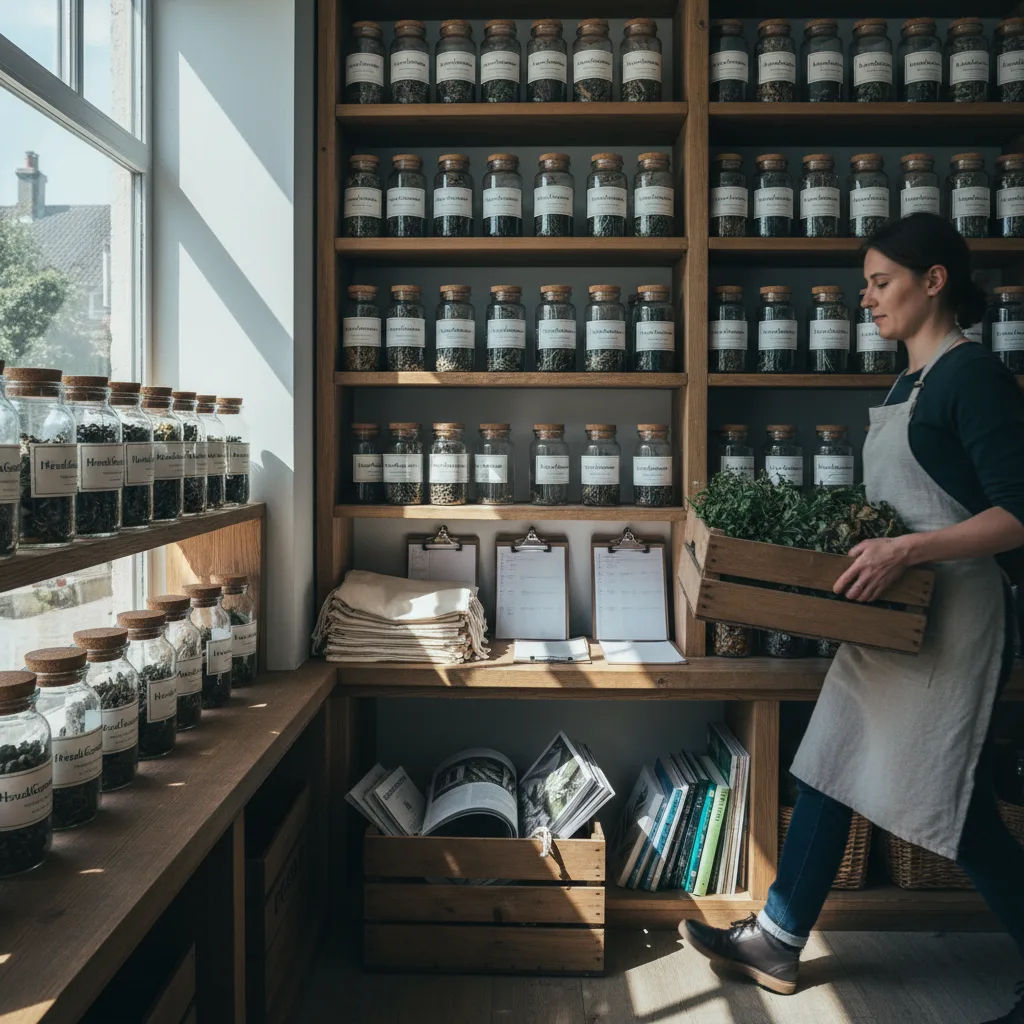
When distributing items, consider the different formats your group may need, from dried sea moss to bags of Bulk Loose Leaf Teas & Tisanes or other specialty botanicals. Having flexibility enhances the overall experience.
Quality Control: Sampling and Testing
When buying in bulk, confirming product quality is essential, especially for retailers who serve their own customers.
- Request samples from suppliers before making large commitments.
- Organize group tastings or visual inspections upon first delivery.
- Record characteristics such as aroma, color, and texture to develop group quality standards.
Purchasing extracts like Soursop Leaf Graviola Extract - - Organic 15X Liquid Extract - Cell Renew & Immunity enables your group to sample and compare, making sure you select the best for your business and customers.
Storage and Shelf-Life: Practical Planning
Bulk quantity purchases require coordinated planning for safe storage and maximum freshness. Consider:
- Storage containers: Opt for airtight, food-safe glass or sturdy plastic containers to minimize exposure to air and moisture.
- Light and temperature: Store herbs in a cool, dry, dark location to help maintain potency and character.
- Labeling: Date and identify all products for easy tracking.
- Shelf-life awareness: Assign or rotate products based on time-sensitive use.

Group members may wish to share resources, such as shelving in a climate-controlled room or discounted storage supplies. This is particularly beneficial when stocking up on herbal tea blends or high-demand herbs like Sea Moss - Raw Dried from St Lucia, where freshness impacts quality and value.
Legal, Financial, and Liability Considerations
While most small buying groups remain informal, sound planning can reduce friction and misunderstandings:
Payment Agreements
- Use trusted payment apps or accounting tools to handle funds transparently.
- Always confirm receipt of payment before distributing products.
- Provide digital or paper receipts for each member’s share.
Basic Legal Agreements
- Draft a simple participation agreement. Outline group rules, such as order frequency, cost-sharing, and dispute resolution.
- Discuss insurance or liability concerns, especially if storing products at a business location or exchanging goods on the premises.
- Clarify tax responsibilities if operating in a formal business structure.
Working with Bulk Herb Suppliers: What to Ask
Selecting reliable suppliers is foundational. Key questions to ask potential vendors include:
- What is your minimum order size for bulk herbs or extracts?
- Can you provide traceability documentation for each botanical? Where are products sourced?
- Do you offer product samples for quality review?
- How is product freshness ensured during shipping?
- What certifications or quality standards do you uphold (e.g., organic, ethical sourcing)?
- What are your lead times and shipping schedules?
- What is your process for handling order discrepancies?
Documenting Supplier Conversations
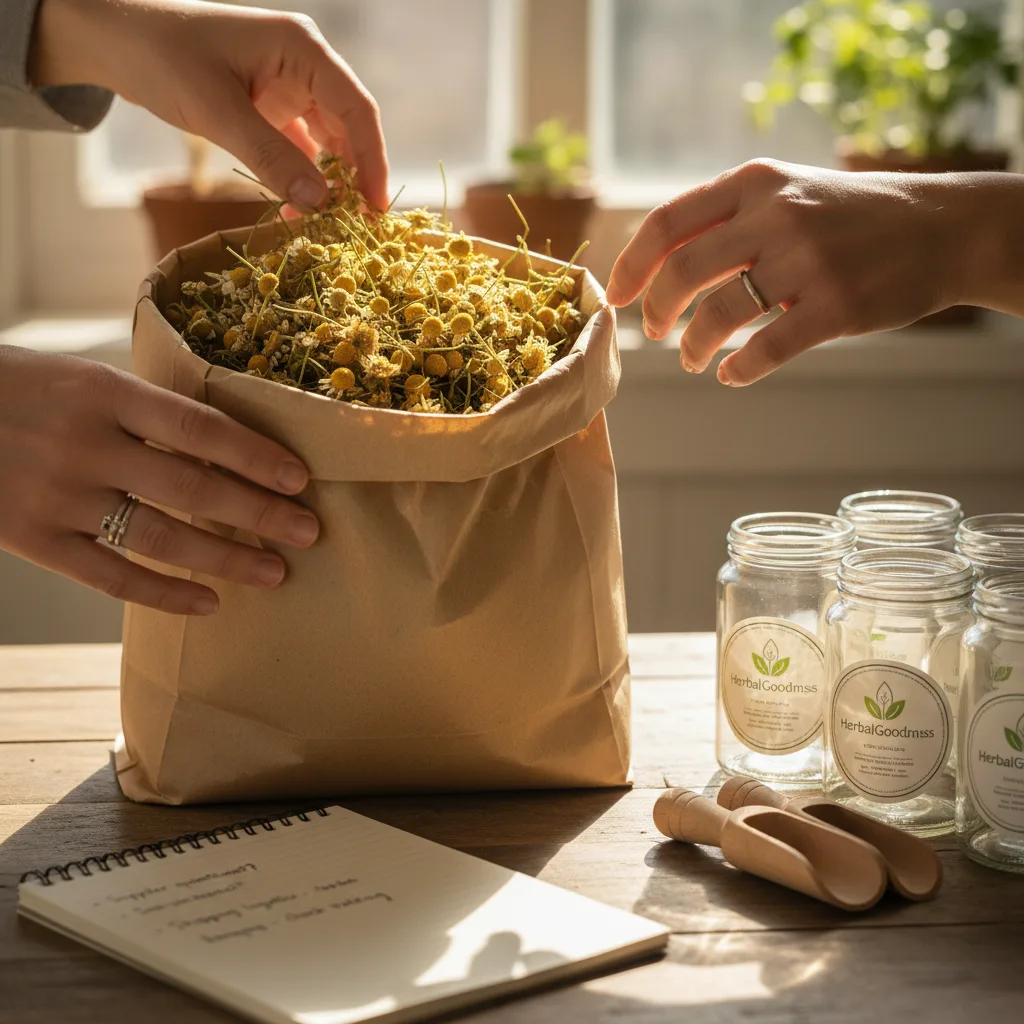
Keep detailed notes on all supplier communications, quotes, and agreed protocols. This streamlines future orders and builds transparency.
Maintaining Group Harmony and Efficiency
Long-term success requires clarity and respect. Adopt practices like:
- Establishing a rotating schedule for order coordination so that responsibilities are shared.
- Soliciting regular feedback from participants to improve group operations.
- Setting up a simple online hub—such as a shared spreadsheet or cloud folder—for tracking orders, payments, and group agreements.
- Maintaining open, respectful communication and addressing concerns promptly.
Questions to Consider Before Joining or Forming a Group
- Are members committed to consistent participation?
- Does the group’s product focus align with your needs?
- What is the process for resolving disagreements or unanticipated issues?
- Are there clear, written guidelines for payments, order splitting, and quality checking?
Starting or joining a bulk herbal buying group empowers small businesses and independent makers to thrive. With thoughtful planning, transparency, and mutual respect, even those with modest needs can enjoy the advantages of bulk purchasing—access to diverse botanicals, improved affordability, and a stronger business community.
Whether you’re joining an existing group or starting your own, having the right supplier makes all the difference. You can click here to fill our form to get started with our wholesale program and discuss your bulk purchasing needs.
FAQs:
- What is a bulk herbal buying group?
A bulk herbal buying group is a collaborative organization where multiple small retailers or makers pool their orders to purchase herbs and extracts in large quantities, allowing them to access better pricing and quality.
- How do I find other retailers or makers to join a group?
You can network through local herbalist or wellness associations, reach out via social media groups, or connect at community events and bulletin boards focused on herbal or small business communities.
- What are some key questions to ask herb suppliers?
Ask about minimum order requirements, product origin, certifications, freshness guarantees, traceability documentation, and how they address order discrepancies.
- How should we handle payments in our group?
Use secure payment platforms, set clear deadlines for contributions, and maintain transparent records or receipts for all members to ensure fairness and clarity.
- What is the best way to store bulk herbs after purchase?
Store bulk herbs in airtight, food-safe containers in a cool, dry, and dark environment, and label each product with the date and contents to monitor freshness.
- Do we need a formal agreement or contract to start a group?
While not always legally required, it helps to draft a simple agreement outlining group rules, payment terms, handling of orders, and protocols for dispute resolution.
Author Name:
Herbal Goodness Editorial Team
Author Bio:
The Herbal Goodness Editorial Team specializes in holistic health and superfoods, blending science and nature to educate and empower our community.
References:
Introducing Graviola to Young Taste Buds: Fun, Family-Friendly Flavor Exploration
Graviola in the Classroom and at Home: Creative Activities to Teach Kids About Tropical Plants