How to Use Hibiscus for Skin: Evidence-Aware DIY Methods and Safe Practices

Hibiscus, with its vivid magenta petals and time-honored place in herbal traditions, has earned its reputation as a gentle yet potent botanical for topical use. If you’ve ever wondered how to use hibiscus for skin safely and effectively, understanding the right preparation, application, and practical guidelines is key. This guide explores gentle, evidence-aware DIY approaches—preparing infusions, masks, and compresses; choosing the best hibiscus forms; and applying sensible safety measures for radiant results without the worry.
Choosing the Right Hibiscus Form for Topical Use
When exploring how to use hibiscus for skin, selecting the suitable form is foundational. Each version—dried petals, powders, and infused oils—offers unique textures and application benefits.
Dried Hibiscus Petals
Dried petals are minimally processed and retain many of the original plant compounds. They’re ideal for making infusions, floral water, or compresses. Look for petals that are deep red or magenta, crisp, and free of additives. If sourcing quality hibiscus is a priority, browse blends within the our Bulk Herbs collection for reputable, well-dried botanicals.
Hibiscus Powder
Finely milled hibiscus powder is versatile for masks and scrubs. Its finer texture blends well with other DIY ingredients. Seek powders that are pure, with no additives or fillers, and store in an airtight container—moisture can quickly degrade the quality and increase risk of spoilage. When mixing for topical use, having Organic Papaya Seed Powder 4oz | Gut Cleanse & Digestive Support on hand lets you explore combinations that are gentle yet effective on skin, especially for those looking for natural exfoliants.
Hibiscus-Infused Oils
Infusing hibiscus into carrier oils (like sunflower, jojoba, or sweet almond) creates customizable bases for balms or moisturizing skin applications. Look for carriers that are stable and neutral and always source ingredients from reputable brands that prioritize purity, like Herbal Goodness.
Preparing Simple Hibiscus Infusions, Masks, and Compresses
Using hibiscus for skin involves gentle, thoughtful preparation to maximize its traditional botanical benefits.
Hibiscus Water Infusion
To make a rinsing or compress solution:
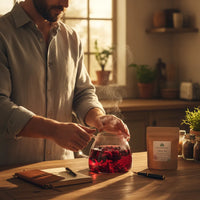
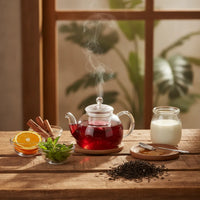
- Add 1–2 tablespoons of dried hibiscus petals to 1 cup of hot (not boiling) distilled water.
- Steep for 10–15 minutes until the water is richly colored.
- Strain thoroughly using a fine mesh or cheesecloth.
- Cool to room temperature before applying with a soft cloth as a facial rinse or compress.
Preparing floral infusions can be enhanced by exploring the Herbal Tea Trio Bundle | Guava, Hibiscus & Avocado – 3 Organic Packs, which provides easy access to hibiscus as well as complementary botanicals suitable for skin rituals and self-care blends.
Hibiscus Face Mask
A basic, balanced mask can provide a gentle skin refresh:
- Mix 1 teaspoon of hibiscus powder with 2 teaspoons of aloe vera gel or plain yogurt.
- Adjust the consistency by adding more carrier if needed; the mixture should be easy to spread, not drippy.
- Apply a thin, even layer to clean skin.
- Leave on for no longer than 10–15 minutes before rinsing thoroughly with lukewarm water.
Hibiscus Compress
Compresses can be especially comforting after sun exposure or for a light skin “pick-me-up”:
- Soak a lint-free cloth in cooled hibiscus infusion.
- Wring gently, then drape over the face or desired area for 5–10 minutes.
- Rinse with plain water to remove any residual pigment.
For those looking to integrate additional soothing elements, consider immersing the compress in floral teas from the Organic Hibiscus Tea 24 Bags | Heart Health & Antioxidant Wellness line, crafted for both wellness and topical infusions.

Patch Testing and Dilution Guidelines for Hibiscus on Skin
Even though hibiscus is considered gentle, patch testing and proper dilution are key steps, especially for those with sensitive or reactive skin.
Patch Test: Why and How
A patch test helps gauge individual sensitivity:
- Mix a small amount of your planned preparation (infusion, mask, or oil blend).
- Apply to a discreet skin area such as your inner forearm.
- Cover (if appropriate) and leave on for 24 hours.
- Check for redness, discomfort, or irritation at and after removal.
Incorporating new ingredients? Patch test with blends containing Herbal Papaya Bath Soap | 2 Bars/3.5oz – Natural Skin Cleanse & Glow to explore compatible natural cleansers that complement hibiscus care.
Diluting Hibiscus for Sensitive Skin
For extra caution:
- Start with a less concentrated infusion (1 tsp petals per cup of water).
- Cut powders with neutral carriers, such as aloe gel or plain plant oils.
- Use no more than 1 part hibiscus powder to 3 parts carrier until you know your skin’s response.
If you’re creating masks or compresses intended for sensitive complexions, consider pairing with bulk dried botanicals from our organic herbal teas to experiment with blends that are both gentle and effective.

Staining, pH, and Shelf-Life: Practical Hibiscus Skin Care Tips
Hibiscus is beautiful but notorious for its rich, water-soluble pigments and unique acidity. Being mindful of these characteristics ensures a satisfying experience.
Staining: What to Expect and How to Manage
- Hibiscus can temporarily tint skin pink or red, especially when used in concentrated forms.
- Staining is usually mild and fades with normal cleansing; if using for the first time, test on a small patch.
- Protect clothing, towels, and surfaces when making or applying any hibiscus product.
Staining issues can often be managed with a mild cleanse using the Herbal Papaya Bath Soap 2 Bars/3.5oz – Natural Skin Cleanse & Glow, which is crafted for gentle removal of pigments without stripping your skin.
pH Considerations
- Hibiscus is naturally acidic; its acidity can be noticeable, especially in water-based preparations.
- When combining with neutral carriers (like aloe or oils), the pH becomes more balanced and gentle for skin.
- Avoid prolonged or undiluted use if your skin is especially sensitive to acidity.
Those looking to experiment with neutral-to-gentle DIY carriers can try blending hibiscus with florals and teas featured in the Herbal Tea Trio – Build-Your-Own Bundle | Mix & Match Any 3 USDA Organic Herbal Teas & Save 20% for soothing rituals.
Storage and Shelf-Life
- Infusions: Use within 1–2 days; store in the refrigerator and discard if cloudiness, odor, or visible change develops.
- Powders: Keep airtight, dry, and away from direct sunlight. Use within 1 year for best freshness.
- Infused oils: Store in a cool, dark place; use within 1–3 months and monitor for any change in smell or color.
Pairing Hibiscus with Carriers: Gentle DIY Blends
Neutral, soothing carriers help balance hibiscus’s natural potency and make it more universally tolerable.
Aloe Vera Gel
Aloe is hydrating and calming—ideal for blending with hibiscus powder for a simple mask base or for diluting infusions prior to use as a toner.
Plant Oils (Sweet Almond, Jojoba, Sunflower)
These light, non-comedogenic oils create a soluble base for hibiscus infusions and can be massaged lightly into damp skin after cleansing for extra moisture.
Plain Yogurt or Oatmeal
Gentle and balancing, these carriers mix easily with hibiscus powder for customizable at-home masks, helping to offset acidity and staining potential. Combining with nutrient-rich botanicals, such as sea minerals from Raw Sea Moss 8oz Bag | St. Lucia Wildcrafted – Nature's Multivitamin, can offer a boost of hydration to DIY skin recipes.
When to Avoid Hibiscus on Skin and Monitoring for Sensitivity
While hibiscus is broadly appreciated for topical use, it isn’t for everyone. Understanding when to skip or discontinue use protects your skin’s wellbeing.
- Avoid topical hibiscus if you have known allergies to hibiscus, mallow family plants, or other botanical extracts.
- If you experience itching, burning, swelling, or persistent redness, discontinue use immediately and rinse thoroughly.
- Avoid use on broken or compromised skin, mucous membranes, or near the eyes.
- If your skin tends to react to natural acids (citric, malic, etc.), dilute preparations further and limit frequency of use.
Monitoring for sensitivity with each new batch or blend is a smart, protective habit—especially as seasonal changes or other products may alter your skin’s reaction.
Recognizing Freshness and Sourcing Quality Hibiscus for Skin
Quality matters. Fresh, well-sourced hibiscus ensures vibrant results and reduces the risk of irritation or contamination:
- Look for deep reddish-pink petals or vibrant, non-clumping powders.
- Purchase from brands committed to purity and transparency; Herbal Goodness exemplifies these qualities in its sourcing and production.
- Avoid products with added colors, preservatives, or fragrances.
- Trust your senses: Any hint of mustiness, dull color, or off-putting scent may signal age or spoilage.
Fans of botanical skincare can find fresh and carefully sourced options in the Organic Hibiscus Tea 24 Bags | Heart Health & Antioxidant Wellness, which doubles as a facial soak or gentle rinse.
Integrating Hibiscus into a Gentle, Thoughtful Skincare Routine
Incorporating hibiscus into your skincare routine is about gentle care, not intensity or frequency. Start with simple approaches—occasional compresses, once-weekly masks, and infusions mixed with neutral carriers. Tune in to your skin’s response and adapt as needed, enjoying the layered beauty rituals that hibiscus can inspire.

When using hibiscus for skin, being evidence-aware means prioritizing safe, effective, joyfully mindful application. With proper sourcing, patch testing, mindful preparation, and gentle carriers, you can enjoy the lush color and botanical richness of hibiscus as part of your self-care, every step designed for your unique needs.
Frequently Asked Questions
Question 1: Can I use hibiscus tea bags for skin care routines?
Answer: Yes, you can utilize tea bags from Organic Hibiscus Tea 24 Bags | Heart Health & Antioxidant Wellness as a convenient source for infusions, compresses, and gentle rinses.
Question 2: How do I prevent staining when using hibiscus topically?
Answer: To minimize staining, use less concentrated infusions and cleanse with Herbal Papaya Bath Soap 2 Bars/3.5oz – Natural Skin Cleanse & Glow after your hibiscus treatment.
Question 3: Are there products that combine hibiscus with other botanicals for skin?
Answer: The Herbal Tea Trio Bundle | Guava, Hibiscus & Avocado – 3 Organic Packs offers a range of botanicals to blend for various DIY skin rituals.
Question 4: What’s the best carrier for hibiscus powder masks on sensitive skin?
Answer: Aloe vera gel and oatmeal are gentle choices. Pairing with Organic Papaya Seed Powder 4oz can provide a mild exfoliating effect.
Question 5: How long should a homemade hibiscus infusion be stored?
Answer: Store hibiscus infusions in the fridge for up to 1–2 days. Discard if you notice cloudiness or off odors.
Question 6: Can I blend hibiscus with other dried herbs for topical use?
Answer: Yes, mix hibiscus with dried botanicals found in the our Bulk Herbs collection to create custom blends.
Ready for gentle, evidence-aware exploration? Prioritize high-quality hibiscus, practice patch testing, and discover how mindful self-care can turn everyday botanical ingredients into meaningful routines.
About the Author
Herbal Goodness Editorial Team
The Herbal Goodness Editorial Team specializes in holistic health and superfoods, blending science and nature to educate and empower our community.
Related Articles
DIY Botanical Skincare Basics with Premium Guava Leaf Liquid Extract
What Happens If I Drink Hibiscus Water Daily? An Evidence-Aware Guide
Papaya Leaf Powder Guide: What It Is, How It’s Made, and Everyday Uses
Bulk Papaya Leaf Extract for Cosmetics: Complete Sourcing Guide