





How to Take Hibiscus Tea: Formats, Brewing Methods, Timing, and Serving Ideas

Hibiscus tea is cherished worldwide for its vibrant color, tart flavor, and versatility in both hot and cold beverages. If you’re considering incorporating hibiscus tea into your daily routine, understanding the available formats, best brewing practices, timing, and serving ideas can help you create a truly enjoyable experience. This practical guide examines how to choose between dried petals, powders, concentrates, and tea bags, step-by-step brewing techniques, unique flavor pairings, and helpful tips to maintain freshness—all while reminding you to listen to your own body and preferences.
Choosing Your Preferred Hibiscus Tea Format
The foundation of your hibiscus tea practice begins with format selection. Hibiscus tea is available in several forms, and each offers a unique entry point to enjoy its qualities.
Dried Hibiscus Petals
Dried petals are the most traditional and recognizable form. They deliver a full-bodied, floral flavor and are perfect for those who prefer making their brew from scratch. Sourcing high-quality, responsibly dried petals—such as those provided by Herbal Goodness—ensures a richly colored infusion and optimal taste. If you're interested in exploring other premium herbal teas in dried formats, you might enjoy the Bulk Loose Leaf Teas & Tisanes - Organic 4oz - Herbal Wellness Teas collection for a broader herbal tea experience.
Hibiscus Tea Bags
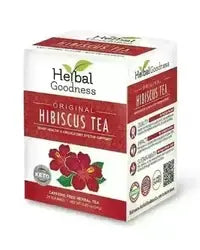
Tea bags offer unmatched convenience. Pre-measured and easy to brew, they are ideal for those seeking a quick cup at home or on the go. The consistency and minimal cleanup make them popular for beginners or busy individuals. For a pure hibiscus experience, try the Organic Hibiscus Tea 24 Bags | Heart Health & Antioxidant Wellness, which delivers all the natural tartness and vivid color with no fuss.
Hibiscus Powder
Hibiscus powder allows for swift preparation and is especially useful for culinary applications, smoothies, or creating syrups. Its finely ground texture dissolves well in both hot and cold settings. For those exploring smoothie boosters or creative recipes, adding hibiscus powder offers versatility without compromising nutritional content.

Hibiscus Concentrate
Concentrates deliver an intense hibiscus profile and are best when you desire a strong, ready-to-mix base. These typically come pre-brewed, requiring only dilution with water or other mixers. For a well-rounded herbal pantry, consider pairing your concentrate purchase with other herbal extracts like Soursop Leaf Graviola Extract 15X Liquid | Organic Cell & Immunity, an option valued for its convenient and potent wellness support.
Brewing Hibiscus Tea: Hot, Cold, and Syrup Preparations
The unique tartness and color of hibiscus come alive through thoughtful brewing. Whether you’re preparing a comforting hot cup, a refreshing cold brew, or a decadent syrup, following key guidelines is essential for flavor and clarity.
Hot Hibiscus Tea
- Recommended Format: Dried petals or tea bags
- Step-by-Step:
- Boil filtered water to 200–212°F (just off the boil).
- Measure 1–2 teaspoons of dried hibiscus (or one tea bag) per 8 oz cup.
- Steep for 5–10 minutes, depending on desired strength—longer for deeper tartness and richer color.
- Strain, sweeten to taste, and enjoy. For effortless brewing and consistent results, Organic Hibiscus Tea 24 Bags provides excellent convenience.
Cold-Brew Hibiscus Tea
- Recommended Format: Dried petals, powder, or tea bags
- Step-by-Step:
- Add 2 tablespoons of hibiscus to 32 oz cold, filtered water in a jar.
- Seal and refrigerate for 6–12 hours for a smooth, mellow infusion.
- Strain or remove the tea bag(s), add sweetener, and serve over ice. Pairing with the Herbal Tea Trio Bundle | Guava, Hibiscus & Avocado – 3 Organic Packs allows you to experiment with other caffeine-free blends in the same way.
Hibiscus Syrup Preparation
- Recommended Format: Dried petals or powder
- Step-by-Step:
- Combine 1 cup dried hibiscus, 2 cups water, and 1 cup sweetener (agave, honey, or cane sugar) in a saucepan.
- Simmer gently over low-medium heat for 10–20 minutes, stirring occasionally.
- Cool, strain, and transfer to an airtight container for up to two weeks in the refrigerator.
- Usage: Drizzle over desserts, stir into sparkling water, or blend with teas and cocktails.
Timing and Temperature: Getting the Best from Hibiscus Tea
Timing and temperature affect both flavor intensity and color. Understanding how these elements interact can help tailor your cup to your palate.
- Hot Infusions: Steeping in near-boiling water for 5–10 minutes produces a bolder, more vivid brew. If you prefer a subtler taste, steep for 3–4 minutes and taste along the way.
- Cold Brewing: Longer steep times (up to 12 hours) reveal hibiscus’s gentle floral side and reduce bitterness. Cold-brewing fans might also enjoy the caffeine-free Organic Papaya Leaf Tea | 24 Premium Bags – Caffeine-Free using the same method for a nutritious herbal twist.
- Syrups and Culinary Uses: Gentle simmering extracts flavor without dulling the color. Avoid boiling for long periods, which can concentrate tartness beyond your liking.
Flavor Pairings and Serving Suggestions for Hibiscus Tea
Hibiscus tea’s tangy, fruity notes lend themselves beautifully to both classic and creative pairings. Experimentation allows you to personalize each cup or batch to the season or occasion.
Sweeteners and Infusions
- Natural Sweeteners: Agave syrup, honey, stevia, or maple syrup all mellow hibiscus’s sharp edge, highlighting its fruity depth.
- Fruit Additions: Sliced orange, lemon, pineapple, or even berries can be added during or after brewing for layers of refreshing complexity. For more vibrant herbal infusions, consider adding Raw Sea Moss 8oz Bag | St. Lucia Wildcrafted – Nature's Multivitamin to your pantry for versatile benefits and nutritional support, which work well with fruit-forward teas.
- Herbal Accents: Fresh mint, ginger, cinnamon sticks, lemongrass, or lime leaves can be steeped alongside hibiscus to evoke warmth or zest.

Creative Serving Ideas
- Iced Hibiscus Tea: Serve over ice with citrus wedges for a vivid, cooling drink in warm weather.
- Hibiscus Spritzer: Mix cold-brew hibiscus tea with sparkling water, garnished with fruit. Try blending with other antioxidants from Herbal Goodness Gift Card options for creative gift ideas.
- Hibiscus Latte: Blend concentrated hibiscus syrup with steamed plant-based milk for a tart, creamy beverage.
- Smoothie Booster: Add hibiscus powder to smoothies for a vibrant color and subtle tang.
- Culinary Uses: Use hibiscus syrup to glaze grilled fruits, swirl into yogurt, or drizzle over pancakes. If you’re seeking additional inspiration for herbal culinary creativity, explore Bulk Herbs & Roots Online for Tea, Tinctures & DIY Wellness - Organic 4oz Bags.
Storage and Freshness: Keeping Your Hibiscus Tea at Its Best
Proper handling and storage can maintain hibiscus’s vivid color and signature flavor.
- Dried Petals and Powders: Store in a cool, dark place in airtight glass containers to prevent moisture or sunlight from fading their potency.
- Concentrate and Syrup: Keep refrigerated after opening; use clean utensils and check for changes in appearance or aroma over time.
- Tea Bags: Reseal packages securely after each use, away from direct light and heat. A multi-pack set like the Herbal Tea Trio – Build-Your-Own Bundle | Mix & Match Any 3 USDA Organic Herbal Teas & Save 20% adds variety and encourages rotation without overstocking.
- Rotation: Purchase in amounts you can use within six months to a year for peak freshness.
Simple Safety Reminders for Enjoying Hibiscus Tea
While hibiscus tea is generally appreciated for its flavor and versatility, incorporating a new food or drink deserves mindfulness.
- Personal Sensitivities: Start with small quantities if you’re new to hibiscus to gauge how your body responds.
- Family Considerations: Pregnant or nursing individuals, young children, or those with unique health backgrounds should consult trusted sources before making hibiscus a staple. If you’re integrating hibiscus tea alongside other herbal teas, Organic Papaya Leaf Extract 16oz | 15X Liquid – Best Value Size is a thoughtful addition that provides digestive and platelet-support benefits for the right users.
- Routines: Pay attention if you are making significant changes to your beverage habits—like replacing large amounts of water or other fluids with hibiscus tea.
- Label Reading: Review ingredient panels, especially for powders and concentrates, to monitor added sugars or flavorings.
- Quality Sourcing: Opt for reputable brands such as Herbal Goodness known for transparency, sustainable harvests, and safe handling practices.
Making hibiscus tea part of your routine can be a delightful exploration of taste, color, and creativity. With so many format and serving possibilities, there’s a hibiscus tea experience for every preference.
Frequently Asked Questions
Question 1: How do I select the best hibiscus tea bags?
Answer: Look for trusted brands offering certified organic options. Organic Hibiscus Tea 24 Bags | Heart Health & Antioxidant Wellness is a convenient, high-quality choice.
Question 2: Can I use hibiscus powder in cold water?
Answer: Yes, hibiscus powder dissolves well in both hot and cold liquids, making it perfect for cold-brew teas or smoothies. Explore combinations using other herbs like Organic Papaya Leaf Tea | 24 Premium Bags – Caffeine-Free for flavor variety.
Question 3: What sweeteners work best with hibiscus tea?
Answer: Natural sweeteners, including honey, agave syrup, or stevia, all balance hibiscus's tartness. Try different options to discover your preferred taste profile.
Question 4: How can I keep my bulk hibiscus petals fresh for longer?
Answer: Store petals in airtight glass containers in a dark, cool area. Purchasing in moderate amounts, such as Bulk Herbs & Roots Online for Tea, Tinctures & DIY Wellness - Organic 4oz Bags, helps with rotation and freshness.
Question 5: Is it safe for everyone to drink hibiscus tea?
Answer: Hibiscus tea is safe for most adults, but pregnant or nursing people and young children should consult a health professional. Rotating with gentler options like Organic Papaya Leaf Extract 16oz | 15X Liquid – Best Value Size offers dietary diversity.
Question 6: Are there caffeine-free alternatives to hibiscus tea?
Answer: Yes. Options such as Organic Papaya Leaf Tea | 24 Premium Bags – Caffeine-Free or the Herbal Tea Trio Bundle | Guava, Hibiscus & Avocado – 3 Organic Packs are caffeine-free and offer unique wellness benefits.
Question 7: How do I brew a flavorful but less tart hibiscus tea?
Answer: Steep tea bags or petals for just 3–4 minutes in hot water, then taste and adjust. Experiment by blending with Raw Sea Moss 8oz Bag | St. Lucia Wildcrafted – Nature's Multivitamin for a smoother, nourishing drink.
Curious about exploring hibiscus tea’s many forms? Discover how dried petals, powders, and concentrates fit your favorite brewing and serving routines.
About the Author
Herbal Goodness Editorial Team
The Herbal Goodness Editorial Team specializes in holistic health and superfoods, blending science and nature to educate and empower our community.
Related Articles
Beginner’s Guide to Brewing Hibiscus Tea: Hot, Cold, and Flavored Methods
Who Should Not Drink Hibiscus Tea? A Guide to Sensitivities and Safe Use
What Happens If I Drink Hibiscus Water Daily? An Evidence-Aware Guide
Savory Hibiscus in the Kitchen: Petals and Powder for Sauces, Pickles, and Salads
Share this
Popular posts


FAQs
1. What are the main benefits of drinking bamboo leaf tea?
Drinking bamboo leaf tea supports hydration, relaxation, skin wellness, and antioxidant balance.
2. What is bamboo leaf extract used for?
It’s used for general body wellness, skin elasticity, hair and nail support, and overall vitality.
3. Can bamboo leaf help with skin care and body wellness?
Yes, bamboo leaf is rich in silica and antioxidants, which promote healthy skin, strong nails, and a youthful glow.
4. What forms of bamboo leaf are available?
You can find dried bamboo leaf, powder, extract, drops, oil, and bamboo leaf green tea.
5. Are there any side effects of bamboo leaf?
Bamboo leaf is generally safe when consumed in moderation. Always consult your healthcare provider before starting any new herbal supplement.