How to Read Headlines About Graviola: A Consumer’s Guide to Evaluating Herbal Claims

Graviola in the Spotlight: Understanding the Hype and the Headlines
Graviola, sometimes called soursop, has surged in popularity thanks to bold headlines touting everything from immune support to purported anticancer effects. For consumers curious about herbal wellness, these headlines can be both intriguing and confusing. How can you separate marketing spin from genuine science?
In this comprehensive guide, you'll learn to read headlines about graviola with a critical eye. We'll walk you through the basics of scientific studies, reveal common pitfalls in herbal reporting, and give you the tools you need to evaluate sourcing, safety, and credibility in media coverage.
"Sifting through herbal headlines is the first step to empowered, safe wellness choices."

The Basics: What Is Graviola, and Why the Buzz?
Graviola (Annona muricata) is a tropical fruit tree valued in traditional remedy. It's lauded for its antioxidant content and bioactive compounds. Most of the excitement, though, centers around preliminary studies and anecdotal accounts, which are often described sensationally in the media.
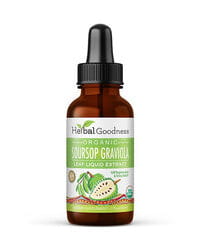
Understanding why graviola makes headlines starts with separating traditional folklore from published scientific evidence. This sets the stage for scrutinizing the claims you read about. If you're considering graviola for wellness, exploring trusted options like the Soursop Leaf Graviola Extract - Organic Liquid may help you focus on products that prioritize quality and scientific transparency.
Dissecting Study Types: From Test Tubes to Human Trials
When you see a headline about graviola, it often refers to a scientific study—but not all studies are created equal. Knowing the difference between them will help you gauge the strength of the claim.
Laboratory (In Vitro) Studies
These experiments use cells or tissues in a petri dish or test tube. They’re crucial early steps but don’t always translate to benefits in people. Laboratory studies are useful for:
- Understanding potential biological effects
- Narrowing down compounds for future research
Common pitfall: Media may present in vitro results as directly applicable to humans, which is rarely the case. Reading about graviola in the context of these studies, you might come across references to antioxidant content, as is highlighted for Soursop Leaf Tea Graviola Leaves - 100% Organic, a product that is carefully sourced to deliver high-quality herbal goodness.
Animal (In Vivo, Non-Human) Studies
Animal studies test graviola extracts or compounds on mice, rats, or other mammals. While they can hint at possible benefits or risks, keep in mind:
- Animals process compounds differently than humans
- Dosages may not reflect human-safe ranges
Common pitfall: Headlines often omit that results come from animals, not people. Some wellness enthusiasts hoping to support general immunity might gravitate toward Graviola Soursop Leaf Extract Capsules – 10X Strength - 60/600mg, but understanding the evidence behind claims is key.
Human Clinical Trials
Clinical studies involving people are the gold standard. The best designs are randomized, double-blind, and placebo-controlled. When reading about graviola, ask:
- Was the study on healthy volunteers or those with a specific condition?
- How large and diverse was the participant group?
- What outcomes were reported—symptoms, biomarkers, or something else?
What to watch for: There are few robust human trials on graviola as of 2024. Claims based on them should be supported by published, peer-reviewed research. For those interested in herbal teas as part of a cautious approach, Soursop Leaf Tea Graviola Leaves - 100% Organic offers an option that is widely used by those seeking traditional benefits while waiting for further evidence.
Spotting Sensationalism: Media Pitfalls in Herbal Reporting
Headlines are designed to grab attention. Unfortunately, this often means amplifying preliminary findings or using ambiguous language.
Look Out For:
- Cherry-picking: Positive effects from one study, ignoring others with negative or inconclusive results.
- Anecdotal evidence: Personal stories can highlight possibilities but don’t substitute for scientific studies. If you read, "Thousands swear by graviola…" look for referenced research.
- Lack of context: Are potential side effects, dosage concerns, or study limitations discussed?

Sourcing and Safety: Key Questions for Herbal Consumers
When headlines persuade you to consider a graviola supplement, it pays to dig deeper. Here’s what every consumer should ask:
1. How Was the Graviola Sourced?
- Is the vendor transparent about growing, harvesting, and handling practices?
- Does the product avoid potentially harmful additives or contaminants?
- Is there third-party lab testing for purity and potency? Choosing a well-reviewed herbal liquid like Soursop Leaf Graviola Extract - Organic Liquid helps ensure you get a supplement with quality assurance built in.
2. Is It Safe to Consume?
- Has the product been evaluated for safety in humans?
- Are there known side effects or contraindications, especially for those who are pregnant, breastfeeding, or taking medication? The Graviola Soursop Leaf Extract Capsules – 10X Strength - 60/600mg label references safe dosage guidelines, but always consult healthcare professionals first.
- What dosage does clinical research suggest, and how does this compare to what's offered?
3. Who Is Providing the Information?
- Are claims substantiated by references to peer-reviewed studies? Products such as Soursop Leaf Tea Graviola Leaves - 100% Organic highlight links to supporting literature and third-party testing to back up safety and efficacy.
- Is the website or source an authority on herbal or health information?
- Are experts or Registered Herbalists quoted?
Red Flags and Reliable Sources: Navigating the Maze
Red Flags to Watch For:
- Lack of references or links to studies
- Vague language about benefits "backed by science" with no citations
- Pressure to "act now" or risk missing out
- Testimonials and reviews in place of research
Reliable Sources to Consider:
- Peer-reviewed journals (e.g., PubMed, ScienceDirect)
- Government and university research sites (.gov, .edu)
- Major herbal or integrative remedy organizations
Herbal products with transparent sourcing, such as Soursop Leaf Graviola Extract - Organic Liquid, demonstrate a commitment to trustworthy wellness. While considering options to support overall health, some may also explore herbal blends like Blood Platelet Plus - Capsule 60/600mg-20X Strength that include synergistic ingredients for broader benefits.
How to Fact-Check: Steps to Smarter Reading
Before sharing an article or buying a product, take these easy steps:
- Check the Publication Date: Is it recent, especially regarding new research or advisories?
- Follow the Links: Do claims link out to actual research papers, or just other blogs? Many reputable herbal brands, including those offering Graviola Soursop Leaf Extract Capsules – 10X Strength - 60/600mg, reference clinical studies and lab tests.
- Verify the Authors: Are they scientists, health professionals, or marketing writers?
- Read Beyond the Headline: The body often contains crucial qualifications left out of the hook. Exploring comprehensive information provided on trusted products like Soursop Leaf Tea Graviola Leaves - 100% Organic may tip you off to responsible reporting.
- Look Up Side Effects: With graviola, concerns include possible nerve toxicity at high doses. See NIH research.
Positive Habits: Building Your Herbal Evaluation Toolkit
- Subscribe to respected health news outlets
- Bookmark reputable research aggregators (like PubMed)
- Watch for evolving consensus: “Promising early evidence” often changes with further research
- Keep in touch with healthcare providers before starting new herbal supplements
Final Takeaway: Empowering Your Herbal Wellness Journey
Reading between the lines isn’t just a skill for scientists; it’s a modern wellness necessity. Graviola may offer great promise, but responsible consumers must seek truth beyond the headline hype.
When you know how to evaluate the evidence, question sources, and recognize sensationalism, you’re on the path to empowered, safe choices—no matter what the next big superfood headline brings.
FAQs:
- What types of studies are most reliable for evaluating graviola claims?
Randomized, double-blind, placebo-controlled human clinical trials offer the most reliable evidence for graviola’s effects, compared to preliminary laboratory or animal studies.
- Are there proven benefits of graviola in humans?
As of 2024, few high-quality human studies exist on graviola. Most claims are based on in vitro or animal research, which requires significant further investigation before drawing conclusions.
- What are common side effects or safety concerns with graviola?
Graviola may cause nerve toxicity with excessive or prolonged use, and can interact with some medications. Pregnant or breastfeeding women and those with certain health conditions should consult a healthcare provider before use.
- How can I verify if a headline about graviola is accurate?
Look for original research citations, check that studies are human-based, and confirm the information is from reputable medical or scientific sources.
- Why do so many headlines about herbal products seem exaggerated?
Media often amplify preliminary or animal-based findings for attention. Sensational language helps articles drives traffic but rarely reflects the nuanced reality of scientific research.
- Where can I find trustworthy information about graviola?
Reputable sources include peer-reviewed journals, government websites, major medical institutions, and certified herbalist organizations.
- Can personal stories or testimonials about graviola be trusted?
While personal stories provide insight, they are not scientific evidence. Always seek corroboration from well-conducted studies before drawing conclusions about efficacy or safety.
Ready to take control of your wellness journey? Start by subscribing to our newsletter for evidence-based updates on graviola and other herbal superfoods, plus exclusive wellness tips designed to help you make informed choices.
Author Name:
Herbal Goodness Editorial Team
Author Bio:
The Herbal Goodness Editorial Team specializes in holistic health and superfoods, blending science and nature to educate and empower our community.
Referrences:
NIH Office of Dietary Supplements: Soursop Fact Sheet
National Center for Complementary and Integrative Health: Herbs at a Glance