How to Choose Organic Bamboo Leaf Tea: Labels, Ingredients & Flavor Guide

Exploring a new herbal tea, especially something as unique as bamboo leaf tea, is an exciting journey. For curious shoppers, choosing a clean, organic bamboo leaf tea blend often comes down to understanding what’s on the label—and what’s not. Ingredient lists, certifications, and even the way flavors and blends are described can tell you a lot about what’s in your cup. Whether you’re sipping bamboo tea for its smooth, grassy notes or using it in creative ways like a hair rinse or a craft project, reading between the lines helps you find the best quality products that align with your values and needs. This guide walks you through key steps to confidently choose the cleanest, most authentic organic bamboo leaf tea blends, from deciphering ingredient lists to spotting red flags when you shop online or in-store.
Understanding Bamboo Leaf Tea Ingredient Lists: What to Look For
The ingredient list is your first, most reliable source of information when selecting bamboo leaf tea. For the purest experience, look for simple ingredient lists with only one or two items—preferably just “organic bamboo leaves.” The closer the blend is to a single-ingredient product, the more you can taste the unmistakeable, gentle earthiness bamboo is traditionally valued for.
If “natural flavors” or other botanicals appear on the ingredient list, it means the tea blend includes more than just bamboo leaves. Here’s what these terms usually indicate:
- Natural flavors: These are derived from plant or animal sources, but processed for use in food and beverages. While the source should be natural, the actual origin can be unclear unless specified. Shoppers seeking the most transparent or clean tea blends often prefer those without generic “natural flavors.”
- Other botanicals: Sometimes, bamboo teas contain added herbs, fruits, or flowers such as lemongrass, ginger, or hibiscus for extra complexity. These added ingredients can boost the aroma or support specific uses (for instance, bamboo leaf with mint for a refreshing iced tea).
Herbal tea purists may also be interested in related blends such as Organic Papaya Leaf Tea | 24 Premium Bags – Caffeine-Free, which feature similarly clear, simple ingredient lists for consistent quality.
Ingredient Order Matters
Ingredients are usually listed by quantity, with the primary ingredient first. If you’re buying bamboo leaf tea blends, check that “bamboo leaf” or “bamboo leaves” come before any added flavors or herbs. If the blend lists sweeteners or flavors first, it may deliver less of bamboo’s characteristic taste and nutritional profile.
How Labels and Certifications Reveal Clean, Organic Quality
Not all green labels or nature-themed packaging guarantee a product is genuinely clean or organic. Here’s how to look beyond the surface when you shop for bamboo leaf tea blends.
- USDA Organic: Indicates the product was grown without synthetic pesticides or fertilizers. Organic tea typically also adheres to stricter handling and processing standards for maximum purity.
- Non-GMO Project Tested: Signals no genetically modified organisms were used or present at any stage.
- Fair-Trade Certified: Shows that workers and farmers along the supply chain were paid and treated fairly.
- Other regional or country-based organic standards: Products imported from outside the U.S. may display regional equivalents (such as EU Organic or JAS Organic).
Quality bamboo tea brands like Herbal Goodness often share detailed sourcing information. Some products offer single-origin transparency, small batch production, and careful ingredient selection—making options such as Bamboo Leaf Tea 24 Bags | Nature's Silica – Collagen & Biotin Support a great choice for wellness-focused shoppers.

Be wary of vague terms like “all-natural” or “eco-friendly” without substantiating certifications—these are marketing phrases and may not guarantee organic status.
Reading Flavoring Terms and What They Really Mean
If flavorings are present in your bamboo leaf tea blend, understanding label language helps ensure you get what you expect.
While “natural flavor” must come from a natural source, regulation allows a broad range. This means:
- It could be an essential oil, extract, or concentrate from fruit, plant, or animal products.
- The specific source is rarely listed, unless it’s used to highlight a flavor profile (e.g., “natural lemon flavor”).
- For the most authentic bamboo flavor, look for blends without these additives or choose blends that clearly specify all added flavors.
When comparing products, consider adjacent herbal options too—for instance, Soursop Leaf Tea | Organic Graviola 24 Bags – Immunity & Cell Renew offers a caffeine-free alternative with a pure leaf base.
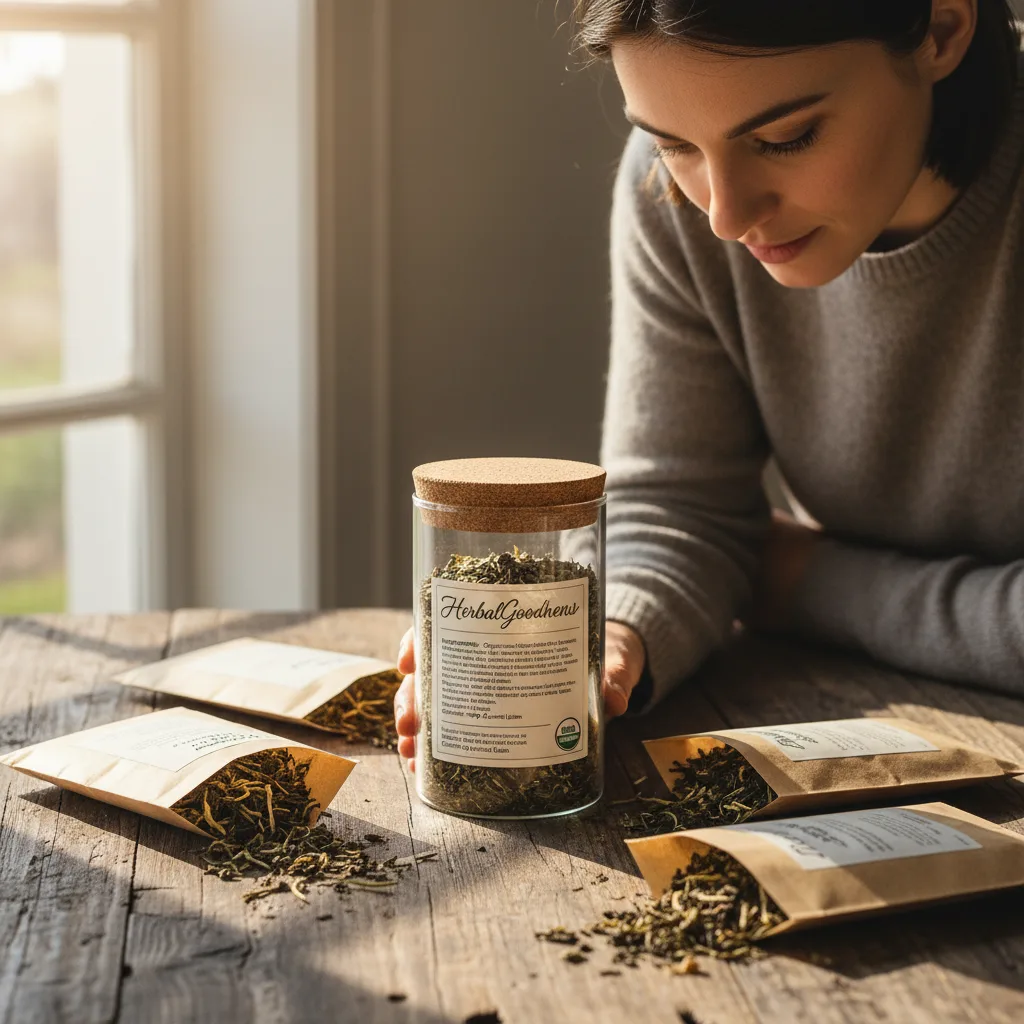
- Whole-leaf vs. cut-leaf: Some bamboo teas use whole leaf for a more complex cup, while others use cut, shredded, or powdered forms. Whole-leaf tends to impart a fresher taste but may require longer steeping.
- Infused blends: Bamboo can be paired with citrus, mint, or spices. These blends can be a practical choice for shoppers who want to experiment with flavors while still prioritizing premium, organic tea.
Everyday Uses: Bamboo Leaf Tea for Drinking, Hair Rinses, and DIY Projects
How you plan to use your bamboo leaf tea can impact the blend and format you choose.
For a classic cup, select pure organic bamboo leaf or minimal-ingredient blends. This preserves the naturally grassy, delicate flavor associated with Bamboo Leaf Organic 15X Liquid Extract | Silica, Collagen & Biotin. Those seeking flavor experiments might enjoy blends containing added botanicals, but should keep ingredient purity in mind by reviewing label information in detail.
When using bamboo tea as a hair rinse or in crafts, plain, organic leaf is often best. Some crafters prefer options like our organic herbal teas, which provide versatility for both daily sipping and DIY wellness projects.

Spotting Red Flags: What to Watch for Online and In-Store
Shopping for bamboo leaf tea blends can seem overwhelming given the range of brands, blends, and claims. Here are simple red flags and best practices for a smooth buying experience:
- Overly lengthy or vague ingredient lists: The simpler, the better when it comes to ingredient transparency.
- Missing certifications: Premium, clean organic teas usually state origin and list certifications clearly. Lack of any official organic, non-GMO, or fair-trade certification is a sign to look deeper.
- Unidentified “natural flavor” terms: If a blend is flavored but doesn’t specify the source, transparency may be lacking.
- Unusual color or aroma: If the tea looks or smells artificial—even if labeled “natural”—it’s worth asking for more sourcing information.
- Unverifiable sourcing claims: Brands that don’t share any information about where their bamboo is harvested or how it’s processed may leave you guessing about true quality.
One way to avoid these issues is to shop directly from sellers with transparent sourcing, robust batch information, and strong product reviews. For instance, our Bulk Herbs collection provides details on origin and intended uses.
How to Find the Best Quality Bamboo Leaf Tea for Your Needs
- Start by deciding how you’ll use the tea—drinking, hair care, crafts, or all three—to narrow down the ideal blend.
- Read every label, ingredient list, and sourcing note for signs of purity and transparency.
- When in doubt, look for trusted certifications and clear, simple ingredient lists.
- If shopping online, search for brands that offer detailed product pages, batch lot info, or customer reviews mentioning ingredient quality.
Ultimately, a little extra reading and label decoding helps ensure each cup of bamboo leaf tea aligns with your standards. Clean, organic choices are within reach for any shopper who knows what to look for.
FAQs:
- What certifications should I look for when buying organic bamboo leaf tea?
Look for certifications such as USDA Organic, Non-GMO Project Tested, and Fair-Trade Certified to ensure you’re choosing clean, high-quality bamboo leaf tea blends. These labels help identify premium and responsibly sourced options when you shop online or in-store.
- Are added natural flavors in bamboo leaf tea blends safe?
Natural flavors in bamboo leaf tea usually come from botanical or plant sources, but if you want the cleanest blend, select teas where the ingredients and flavoring sources are fully disclosed. For premium purity, opt for blends with no added flavors or where each ingredient is clearly listed.
- How can I tell if bamboo leaf tea is truly organic?
True organic bamboo leaf tea will have recognizable certifications on the label, such as USDA Organic or other regional marks. Ingredient lists should be short and free of synthetic additives or sweeteners. Transparency in sourcing and production methods is another sign of genuine organic quality.
- What should I avoid when buying bamboo leaf tea online?
Avoid bamboo leaf tea blends with incomplete ingredient lists, vague sourcing claims, or labels lacking official certifications. Stay cautious with products that list generic 'natural flavors' without further explanation or those with overly colorful or artificial-smelling tea leaves.
- Is it better to buy whole-leaf or cut-leaf bamboo tea?
Whole-leaf bamboo tea often provides a fresher and more complex flavor, ideal for sipping. Cut-leaf or powdered versions may blend more easily for hair rinses or crafts. For the best quality, ensure the product is organic and the ingredient list is straightforward.
- Can I use bamboo leaf tea blends for purposes other than drinking?
Yes, bamboo leaf tea is valued not only as a beverage but also for use in hair rinses and crafts. For non-drinking uses, it’s best to select pure, unsweetened, and unflavored blends to avoid interfering with your intended purpose.
Author Name:
Herbal Goodness Editorial Team
Author Bio:
The Herbal Goodness Editorial Team specializes in holistic health and superfoods, blending science and nature to educate and empower our community.
References:
Introducing Graviola to Young Taste Buds: Fun, Family-Friendly Flavor Exploration
Why Social Impact Matters in Plant-Based Wellness