How to Brew and Taste Chanca Piedra: A Beginner’s Guide to Teas, Tinctures, and Flavor Pairings

Exploring the world of chanca piedra can be an adventure for the senses. Valued for centuries in various global traditions, this herb is renowned for its earthy, subtly bitter taste and distinctive aroma. For newcomers, understanding how to brew chanca piedra—whether as tea, tincture, or in powdered or loose leaf form—can open the door to a nuanced world of herbal flavor. This beginner’s guide will walk you through approachable techniques to prepare chanca piedra, explain how extraction and preparation influence its flavor and texture, and suggest enjoyable pairings to complement its unique taste. From choosing the right form to tuning your palate, discover a delicious path to exploring chanca piedra at home, all while honoring its rich tradition and culinary versatility.
Understanding Chanca Piedra and Its Sensory Appeal
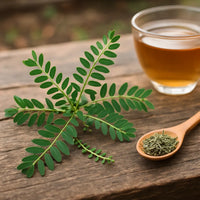
Chanca piedra, sometimes called "stonebreaker," is a tropical plant native to regions in South America and Asia. Its leaves and stems are commonly used for making teas, tinctures, and extracts. When tasted, chanca piedra is best described as earthy, mildly woody, and gently bitter, with a subtle green backdrop reminiscent of dandelion or raw kale. This profile makes it a compelling base for beverages and culinary infusions.
Forms of Chanca Piedra: Loose Leaf, Powder, Extract
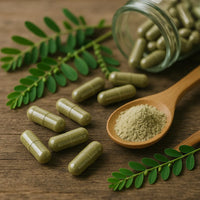
- Loose leaf: Consists of dried leaves and stems, ideal for traditional brewing and infusions.
- Powder: Finely ground plant material for convenient mixing or quick teas.
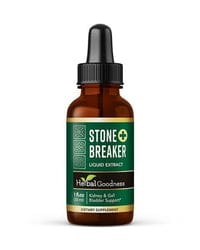
- Liquid extract/tincture: Highly concentrated; delivers robust flavor and aroma in small doses.
Understanding the unique characteristics of each form helps you select the best method to explore its taste. Loose leaf retains the most texture and subtlety, powder becomes more intense and easy to blend, while extracts offer a fast, potent flavor hit.
For those interested in a simple yet potent experience, Stone Breaker Chanca Piedra - 15X Liquid Extract - Kidney Health offers the convenience of a concentrated format without sacrificing the herb’s sensory appeal.
Brewing Chanca Piedra Tea: Simple Steps for Beginners
Chanca piedra tea is a classic way to experience the herb. Brewing it thoughtfully brings out its best qualities while letting you adjust strength and character to your preference.
1. Choosing Your Chanca Piedra Base
- For a delicate cup: Opt for loose leaf or a combination of loose leaf and powder.
- For a stronger brew: Use a higher ratio of powder, or combine with a small amount of liquid extract for enhanced flavor.
If you wish to explore a similar brewing approach, our organic herbal teas can be an excellent place to start experimenting with loose botanical ingredients for homemade infusions.
2. Equipment You’ll Need
- Tea infuser or mesh strainer
- Kettle or saucepan
- Clean mug or teapot
- Measuring spoon
3. Brewing Method for Loose Leaf Tea
- Measure: Add 1–2 teaspoons of dried chanca piedra leaves to your infuser or teapot for every 8 ounces of water.
- Heat: Bring filtered water just below boiling point (around 200°F/93°C).
- Steep: Pour water over the leaves and steep for 7–10 minutes, tasting occasionally for your ideal strength.
- Strain and Serve: Remove leaves and serve. Adjust with additional steep time for a richer brew, or dilute with water for a lighter sip.
4. Brewing with Powdered Chanca Piedra
- Mix: Dissolve 1/2 to 1 teaspoon of chanca piedra powder per cup in hot (not boiling) water.
- Stir Well: Powder tends to settle, so stir frequently or shake in a bottle before drinking.
- Strain (Optional): For a smoother mouthfeel, pour through a fine mesh sieve before drinking.
If you enjoy exploring earthy blends, Organic Papaya Seed Powder 4oz | Gut Cleanse & Digestive Support is another powdered botanical to consider incorporating into tea blends or infusions, either as a complement or a future experiment.
5. Quick Infusion Using Tinctures
Tinctures are concentrated extracts. They can be diluted directly into water, herbal teas, or juice for flavor experimentation.
- Standard: Add 10–20 drops to 8 ounces of liquid; adjust to taste.
- Tip: Tinctures are potent; start with a small amount to gauge the profile.
Many appreciate the balanced taste and convenience of concentrated extracts for daily routines. Stone Breaker Chanca Piedra - Capsules 10X Extract 60/600mg - Kidney Health can also be considered if you prefer pre-measured forms over liquid tinctures, ensuring both simplicity and precision.
Tasting Notes and Flavor Characteristics
A hallmark of chanca piedra is its balance between earthiness and gentle bitterness. The brewing method, steep time, and concentration affect how these flavors present:
Loose Leaf vs. Powder vs. Extract
- Loose leaf: Offers the subtlest, most aromatic cup—smooth, with light grassy undertones and a slight bitterness.
- Powder: Intensifies the bitter notes and mouthfeel; texture can be thicker, almost broth-like.
- Extract/Tincture: Highly concentrated, emphasizing woodiness and a pleasant, lingering bite. Slightly warming and robust.
Mouthfeel and Aroma
- Loose-leaf tea: Clear, woody scent with a clean finish
- Powdered infusion: Heavier texture; slightly chalky, lingering presence on the palate
- Tincture in water: Bracing flavor upfront, short and smooth aftertaste
Choosing organic blends such as our Bulk Herbs collection can enhance both the flavor complexity and the quality of your tea or infusion preparation.

By experimenting with these forms, you can determine your own preferred way to enjoy chanca piedra’s signature profile.
Delicious Flavor Pairings with Chanca Piedra
Pairing chanca piedra with complementary flavors can make your tasting journey more enjoyable. Its naturally bitter and earthy notes blend particularly well with sweet, floral, or bright elements:
Citrus and Sweetness
- Lemon, lime, or orange zest add brightness and balance the bitterness.
- A touch of raw honey or agave syrup counteracts the earthy tones.
Herbal and Floral Blends
- Pair with peppermint, chamomile, or lemongrass for a complex, calming brew.
- Hibiscus lends tanginess and a beautiful ruby hue. For a ready-to-steep option, Hibiscus Tea - Organic 24/2g Tea bags - Heart Health makes experimenting with floral notes effortless.
Spices and Roots
- Ginger and cinnamon introduce warmth and subtle heat.
- A pinch of vanilla or cardamom smooths the edges and adds a hint of luxury.
Culinary Pairings
Chanca piedra’s subtle bitterness also shines in culinary settings:
- Stir cooled tea into smoothies for a green backdrop.
- Whisk powdered chanca piedra into vinaigrettes for an earthy nuance.
- Use a tincture drop to accent herbal mocktails or sparkling waters. Other botanical extracts, such as Bamboo Leaf - Organic 1oz 15X Liquid Extract - Nature's Collagen & Biotin, can add delicate grass-like flavors to experimental blends or culinary creations.
Practical Tips for Sourcing and Using Chanca Piedra
Finding quality chanca piedra ensures a better sensory experience:
- Look for reputable suppliers: Herbs should be fresh, vibrantly colored, and free of contaminants. Consider trusted products, such as Stone Breaker Chanca Piedra - 15X Liquid Extract - Kidney Health for peace of mind regarding sourcing and consistency.
- Storage: Keep in an airtight container away from sunlight and moisture to preserve freshness.
- Start small: When trying a new form, begin with a lower amount and adjust to your preference.
- Mind your palate: The natural bitterness can become more pronounced with over-steeping or high concentrations.
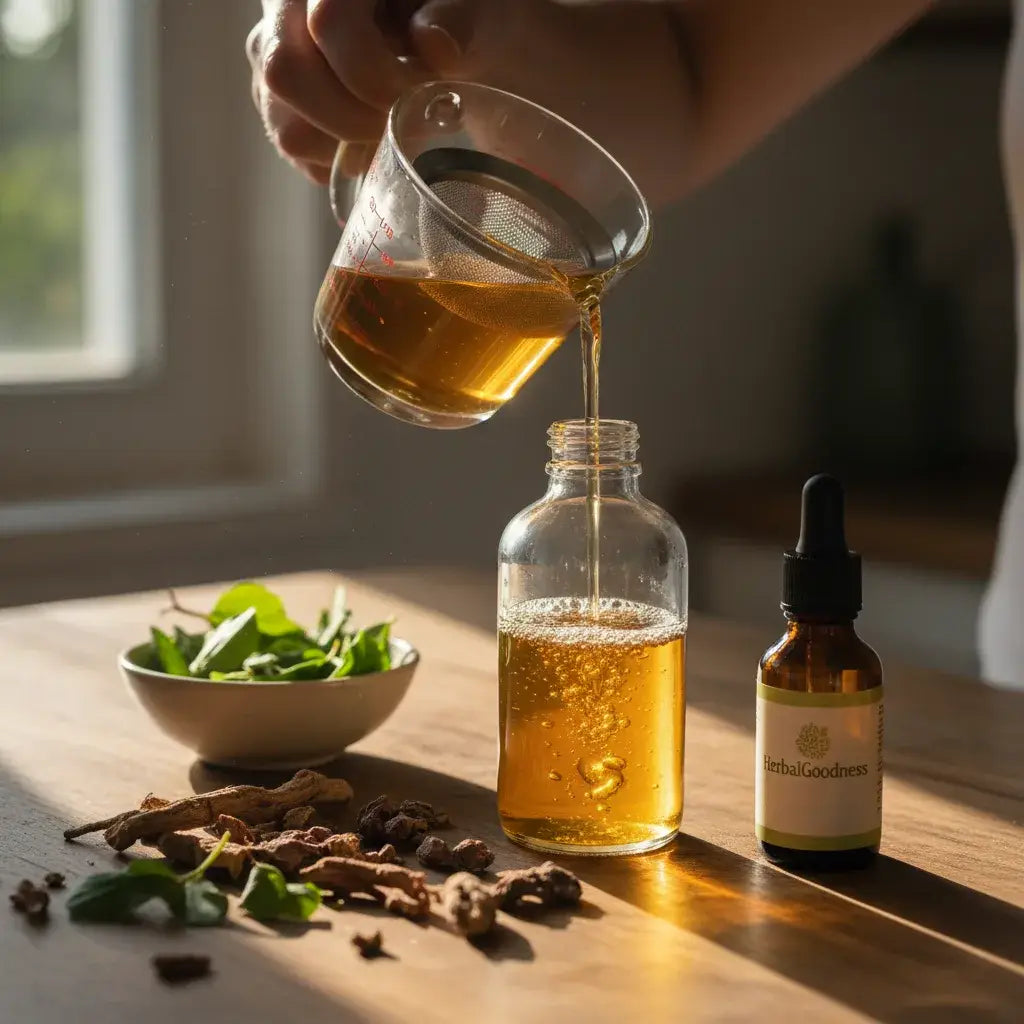
Exploring Blends and Custom Mixes
Don’t hesitate to blend chanca piedra with other herbs or teas. Start with a 1:1 ratio and tweak as you discover which combinations please your senses most. Building a collection of ingredients, like those found in Herbal Tea Gift Set – Wellness Tea Gift Variety Collection - Organic 24 Teabags, can turn tea discovery into an enjoyable routine. Keeping a tasting journal can help you refine your approach and remember favorites.
Honoring the Tradition: Brewing Rituals and Mindful Enjoyment
Chanca piedra has been enjoyed in traditional cultures as an everyday beverage. Embracing a ritual—whether it’s a calming morning tea or a meditative evening brew—adds another layer to the experience. Take the time to notice the aroma, taste, and how the beverage evolves sip by sip. Savoring each cup becomes not just a process, but a celebration of nature’s diversity and the rich history tied to this remarkable herb.
FAQs:
- What does chanca piedra taste like?
Chanca piedra is known for its earthy and slightly bitter profile, sometimes described as woody with gentle grassy notes. The flavor varies based on the form (loose leaf, powder, or extract) and the preparation method.
- How do I brew chanca piedra tea for the first time?
Start with 1–2 teaspoons of loose leaf per 8 ounces of water, steeped for 7–10 minutes in hot (not boiling) water. Adjust steeping time for stronger or milder flavor. Strain before sipping and experiment with flavor pairings to suit your palate.
- Can chanca piedra powder be mixed with other herbs?
Yes, chanca piedra powder pairs well with herbal favorites like peppermint, chamomile, ginger, and lemongrass. Combining with other botanicals can enhance the tasting experience and balance the bitterness.
- What are some recommended flavor pairings for chanca piedra tea?
Chanca piedra blends beautifully with citrus (lemon, lime), floral notes (chamomile, hibiscus), warming spices (ginger, cinnamon), and sweeteners like honey or agave. These additions help smooth and complement its unique flavor.
- How should I store chanca piedra?
Store chanca piedra in an airtight container, away from sunlight and moisture, to preserve its aroma and quality. Proper storage prolongs freshness, allowing for a better tasting experience.
Author Name:
Herbal Goodness Editorial Team
Author Bio:
The Herbal Goodness Editorial Team specializes in holistic health and superfoods, blending science and nature to educate and empower our community.
References:
Introducing Graviola to Young Taste Buds: Fun, Family-Friendly Flavor Exploration
Graviola in the Classroom and at Home: Creative Activities to Teach Kids About Tropical Plants