How to Audit a Private-Label Supplement Manufacturer Remotely

Vetting a private-label supplement manufacturer can feel daunting, especially when you’re aiming for the highest clean, organic standards but can’t visit the facility in person. With many herbal brands prioritizing transparency and purity for their tinctures, powders, capsules, and teas, knowing how to systematically audit a manufacturer—remotely—is essential. This guide offers a simple, step-by-step checklist to help you request the right documentation, assess virtual evidence, and spot potential red flags before entering a partnership.
The Importance of a Thorough Remote Audit for Private-Label Herbal Supplements
As the herbal supplement market grows, so does the range of manufacturers vying for your brand’s business. For those building clean, organic herbal products, working only with partners who meet your rigorous standards is non-negotiable. The quality of your finished products, such as Soursop Leaf Graviola Extract 15X Liquid | Organic Cell & Immunity, depends on manufacturing partners who can provide robust evidence of compliance—beginning with documentation and followed by transparency in operational practices.
Remote auditing, when executed methodically, provides a window into a manufacturer’s processes, quality controls, and ethical practices—without needing to set foot inside the plant. Ensuring these are in place protects your brand from the reputational risk of partnering with less-scrupulous operators, particularly in categories prioritizing clean, plant-based ingredients.
With transparent documentation, third-party validation, and a keen eye for details, your brand can confidently vet potential partners and set the stage for a trust-based business relationship. This is especially important if your supplement line features ingredients known for wellness benefits, as seen in herbal capsules or functional teas.
Core Documents Every Herbal Brand Should Request
Start your remote audit by asking the manufacturer to provide core documents that confirm their operational integrity and alignment with your standards:
1. Good Manufacturing Practice (GMP) Certificates
- What to request: Valid GMP certification from a recognized authority (e.g., NSF, NPA, USP, FDA-compliant statement).
- Why it matters: This certificate shows the manufacturer follows strict safety, sanitation, and process protocols.
- Red flags: Expired certificates, vague statements (“GMP-like facility”), or screenshots instead of verifiable documents.
2. Organic Certification (if applicable)
- What to request: USDA Organic, EU Organic, or equivalent certificates for both the facility and the product lines. These documents are essential if you wish to offer organic options, like Organic Papaya Leaf Extract 16oz | 15X Liquid – Best Value Size.
- Why it matters: Verifies that both ingredients and processing meet organic requirements.
- Red flags: Certifications not for the correct product types, certificates with mismatched names or expired dates.
3. Certificates of Analysis (COAs)
- What to request: Recent, batch-specific COAs for the finished herbal products you wish to private label.
- Why it matters: COAs confirm quality, ingredient identity, and absence of contaminants (like heavy metals, solvents, and microbiological impurities). A reputable COA is crucial for product categories like Raw Sea Moss 8oz Bag | St. Lucia Wildcrafted – Nature's Multivitamin, where mineral content and purity are key.
- Red flags: COAs issued by the in-house lab only, missing sections (like heavy metal screens), or unclear testing dates.
4. Allergen and Non-GMO Statements
- What to request: Official statements outlining allergen controls and sourcing of non-GMO ingredients, supporting your plant-based supplement positioning.
- Why it matters: Demonstrates the manufacturer’s awareness of cross-contact risks and non-GMO supply chain.
- Red flags: Non-dated or unspecific statements, reluctance to provide information.
5. Product Specifications and Master Formulas
- What to request: Written specifications for your desired herbal tinctures, capsules, powders, or teas, including ingredient sources and standardized extracts. For instance, when evaluating the quality of soursop or papaya extracts, precise formulas ensure product integrity.
- Why it matters: Allows you to verify consistency, potency, and compliance with clean label expectations.
- Red flags: Generic product sheets, unwillingness to share detailed specs before a contract is signed.
Need a supplier that already prioritizes transparency?
Save time researching and comparing manufacturers. Complete our Retailer & Wholesaler Interest Form to connect with the Herbal Goodness team and learn about our wholesale and private-label opportunities, quality standards, and product sourcing requirements.
What to Look for in Lab Reports and Third-Party Testing
Lab data is at the core of supplement quality and consumer trust. When evaluating COAs and testing documentation, check thoroughly for ingredient identity, purity, and potency. For herbal wellness brands, this insight forms the backbone of your claims about safety and efficacy.
Understanding the Key Elements of a COA
- Identity testing: Confirms the correct herbal species and ingredient declared on the label.
- Purity specifications: Lists details about solvents, heavy metals, and microbiological purity.
- Potency and active markers: Specifies measurable active components (e.g., polyphenols, alkaloids, etc.) For supplements like Blood Platelet Plus Capsules 20X | 60ct – Advanced Platelet Formula, batch-to-batch potency is vital.
How to Assess a Lab Report Remotely
- Third-party validation: Legitimate manufacturers typically provide COAs from ISO/IEC 17025 accredited external labs.
- Check lab credentials: The name and address of the testing facility should match that of a reputable lab.
- Red flags: COAs missing lab accreditation, signed only by the manufacturer, or with incomplete data sets.
When to Request Additional Testing
If your brand has higher benchmarks (e.g., organic pesticide panels, gluten-free validation), clarify if these are included or available on request. Trusted manufacturers commonly support custom testing needs—often for a small fee or as part of a pilot production batch.
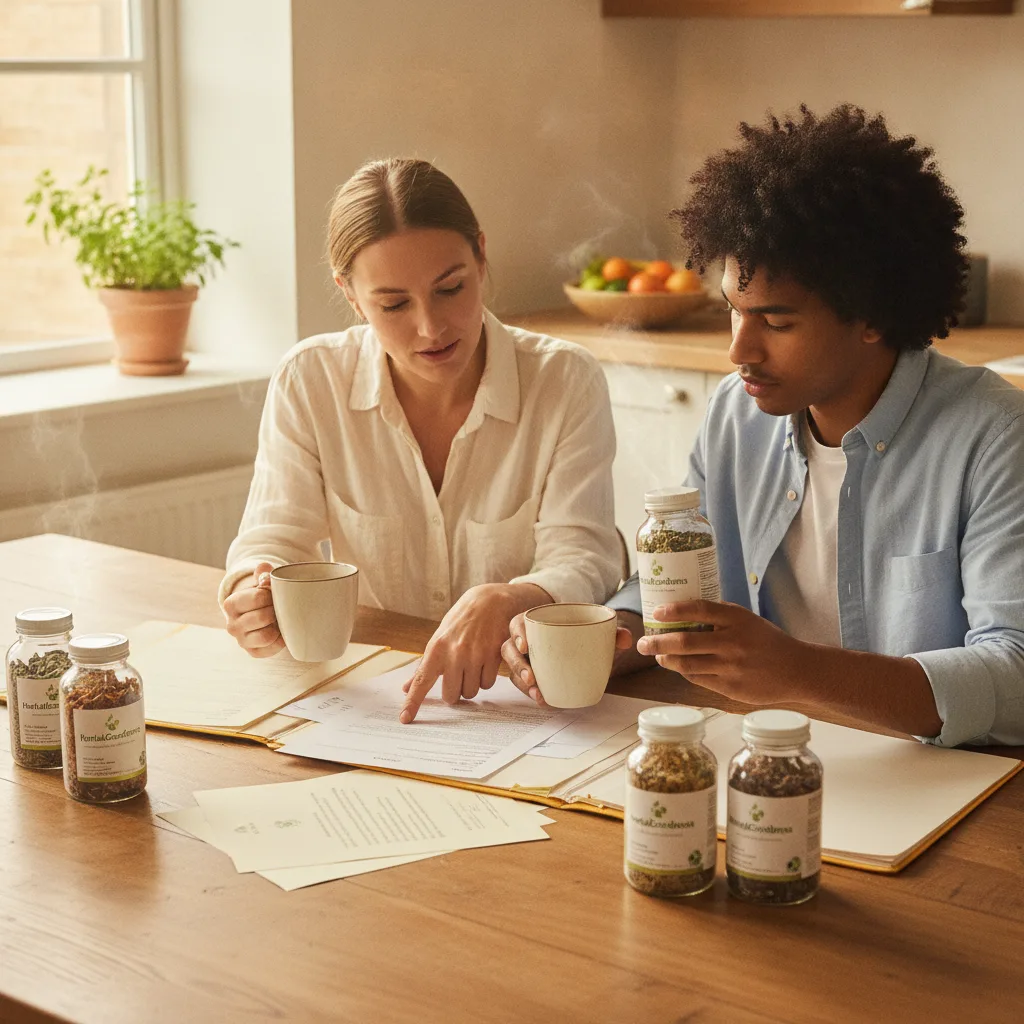
Evaluating Certifications and Compliance Declarations
Beyond basic legal requirements, brands seeking clean, organic private-label supplements should look for manufacturers with:
- Sustainable sourcing certifications (Fair Trade, Rainforest Alliance): Confirms ethical harvesting, farming, and labor practices, which is important whether producing teas or advanced liquid extracts.
- Non-GMO Project Verified logo: For brands emphasizing non-GMO supply chains.
- Vegan or Plant-Based Certifications: If part of your labeling or marketing, as with many Liquid Extract offerings.
Ask for official documentation and check logos or serial numbers against official certification databases. Always request to see written compliance policies (for example, SOPs on allergen control, sanitation procedures, and recall readiness), particularly if your products include blends with sensitive ingredients found in Soursop Graviola Leaf Extract Capsules 10X | 60ct – Cell & Immunity.

What to Expect in a Virtual Facility Tour
Many manufacturers now offer virtual tours—either via real-time video, recorded walkthroughs, or high-resolution photo sets. Here’s what to look for or request:
Key Areas for Herbal Supplement Production
- Raw material receiving and storage: Check for separation of organic and conventional materials as this impacts ingredients across capsules, teas, and powders.
- Weighing and blending rooms: Look for clear labeling, sanitation, air filtration, and secure ingredient handling, all critical in facilities producing items like Papaya Leaf Extract 10X Capsules 600mg | Platelet & Digestive Aid.
- Processing and filling lines: Ensure machinery appears modern, regularly maintained, and designed for easy cleaning.
- Packaging area: Expect to see closed systems, labeled packaging, and allergen cross-contact controls.
- Quality control labs: There should be a dedicated space for sample testing and documentation.
Virtual Tour Tips
- Ask for a live video if possible, or a time-stamped, narrated factory walkthrough.
- Always request to see high-touch areas (weighing stations, blending tanks, packaging lines) and ask for clarity on traffic flows between organic and conventional lines.
- Red flags: Blurry, outdated images, reluctance to show high-risk areas, or highly edited content.
Arranging Sample Runs and Third-Party Testing Before Commitment
A trustworthy manufacturer will accommodate small-batch or pilot production runs—even for herbal tinctures, capsules, powders, and teas—so you can review the finished product before long-term committments. Here’s how to structure this step:
- Define your pilot batch specs: Confirm the raw materials (species, parts used), extract ratios, solvents, and excipient preferences early.
- Agree on benchmarks: Set clear expectations for what metrics the sample batch must meet, including independent third-party testing requirements (purity, identity, potency). Products like Organic Papaya Leaf Tea | 24 Premium Bags – Caffeine-Free demonstrate ingredient traceability on the product label and COA.
- Arrange shipping to your own selected lab: Many herbal supplement brands opt to send part of a pilot batch to a third-party lab of their choice for true impartiality.
If any stage of the pilot run is not transparent or the manufacturer resists extra testing, consider this a red flag for future issues.

Red Flags to Watch For During a Remote Audit
Conducting a thorough remote audit reveals much about a manufacturing partner’s transparency and reliability. Watch out for these warning signs:
- Reluctance or delay in providing documents
- Certificates that are incomplete, expired, or unverifiable
- Product specs that are overly generic or copied from another source
- Lab reports with missing, unclear, or unsourced results
- Overly polished, generic virtual tours
- Pushback on third-party or customer-specified testing
Trustworthy manufacturers should address questions promptly and with specific documentation. For finished supplement batches, verify that label claims (such as organic or non-GMO) match lab reports and third-party certifications—an important layer of trust for herbal supplement lines.
Final Steps: Building a Secure Partnership Foundation
After gathering your checklist documents, reviewing lab reports, and discussing sample runs, complete your audit by:
- Checking references: Ask to speak with other brands that have worked with this manufacturer, especially in the clean, organic herbal supplement space.
- Discussing ongoing testing: Confirm processes for periodic quality audits, random testing, and rapid document access. If you carry out ongoing quality initiatives, consider exploring herbal immunity blends to diversify your range and test new supplier capabilities.
- Formalizing agreements: Ensure your contracts specify ingredient quality, testing frequency, and thresholds for batch rejection or recall.
Taking these steps encourages ongoing accountability and helps your brand maintain its commitment to quality and transparency—keys to thriving in the competitive, plant-based supplement market.
Ready to explore a trusted wholesale partnership?
Whether you're sourcing herbal teas, extracts, capsules, or bulk ingredients, our team can help you identify the right products and programs for your business. Submit our Retailer & Wholesaler Interest Form to discuss your goals and discover available wholesale opportunities.
FAQs:
- What documents are most important when auditing a supplement manufacturer remotely?
Start with GMP certificates, organic and non-GMO certifications, recent Certificates of Analysis (COAs), allergen control statements, and detailed product specifications. These establish the baseline for quality and regulatory compliance.
- How do I verify a COA provided by a private-label manufacturer?
Ensure the COA is batch-specific, recent, and issued by an ISO/IEC 17025 accredited third-party lab. Double-check ingredient identity, purity specifications, and active marker details against your requirements.
- What should I look for during a virtual tour of a supplement facility?
Ask to see raw material storage, processing areas, blending rooms, packaging lines, and quality labs. Look for cleanliness, separation of organic/conventional lines, proper labeling, and evidence of modern sanitation practices.
- Should I arrange third-party testing before finalizing a manufacturing partnership?
Yes, running third-party tests on a pilot batch helps validate product quality and manufacturing transparency. It also demonstrates a manufacturer's willingness to support your quality benchmarks.
- What are common red flags when auditing a remote herbal supplement manufacturer?
Red flags include refusal or delay in providing documents, unverifiable or expired certifications, incomplete product specs, unclear lab reports, and reluctance to accommodate third-party testing.
- How can I ensure ongoing quality once I choose a manufacturer?
Establish protocols for regular batch testing, annual document renewals, and random quality audits. Ensure your contract holds the manufacturer accountable for transparency and continued compliance.
- Can Herbal Goodness help with vetting clean supplement manufacturers?
Herbal Goodness has experience sourcing from clean, transparent manufacturers and can offer practical guidance for brands seeking to uphold organic and quality standards remotely.
Author Name:
Herbal Goodness Editorial Team
Author Bio:
The Herbal Goodness Editorial Team specializes in holistic health and superfoods, blending science and nature to educate and empower our community.
References:
Introducing Graviola to Young Taste Buds: Fun, Family-Friendly Flavor Exploration
Graviola in the Classroom and at Home: Creative Activities to Teach Kids About Tropical Plants