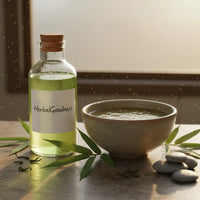
Hidden Ingredients and Quality Checks for Buying Bamboo Leaf Liquid Extracts Online

Shopping for plant-based wellness products online has its own set of challenges, especially when you’re drawn to trending botanicals like bamboo leaf liquid extracts. With a rise in interest in natural wellness, these green-hued drops are often marketed for their purity—but as with many supplements, the story behind the label isn’t always simple. Knowing what goes into making a high-quality bamboo leaf liquid extract can empower you to shop with greater discernment, avoid unwanted additives, and ensure you only bring the cleanest products into your home. This guide will equip you with what to look for (and what to avoid), demystifying ingredient lists and quality statements so you can shop online with confidence.
Why Choose Bamboo Leaf Liquid Extracts?
Most people are first attracted to bamboo leaf liquid extracts because of their vibrant green color, botanical aroma, and reputation for being naturally rich in plant nutrients—especially antioxidants like flavonoids and silica. However, not all extracts are created equal. The extraction process, additional ingredients, and sourcing practices all play a significant role in the final quality. With dozens of products available online—from “detox” drops to premium organic tinctures—it’s crucial to separate genuine, clean-label products from those with hidden ingredients or questionable manufacturing backgrounds. Those seeking a pure source of bamboo's plant-based nutrition often gravitate towards Bamboo Leaf - Organic 15X Liquid Extract - Nature's Collagen & Biotin, which highlights both transparency and potency.
Common Additives Found in Bamboo Leaf Liquid Extracts
When you purchase bamboo leaf liquid extracts, especially from online marketplaces, it’s essential to look beyond the front-label claims. Hidden ingredients are frequently added for taste, shelf stability, or ease of manufacturing. Here are some common additives:
Sweeteners
Bamboo leaf by itself can be somewhat grassy or bitter, so some manufacturers may add sweeteners to improve taste. These can include:
- Natural sweeteners: Stevia, agave, or monk fruit
- Artificial sweeteners: Sucralose, aspartame
- Sugar alcohols: Xylitol, erythritol
While these are generally recognized as safe for most people, those seeking the purest products or who need to avoid certain sweeteners should always scan the ingredient list closely. Those looking for alternative herbal supplements without unnecessary sweetening might appreciate Papaya Leaf Extract 16oz – Organic 15X Liquid Papaya Leaf Herbal Supplement due to its natural profile and simple formula.
Preservatives
Because liquid extracts have water or alcohol bases, shelf-life is a concern. Common preservatives include:
- Potassium sorbate
- Sodium benzoate
- Citric acid
While these ingredients help prevent spoilage, some shoppers prefer preservative-free options. Always look for the “no preservatives” label if you wish to avoid them. Selecting options that declare a clean ingredient profile, such as Bamboo Leaf Tea – 24/1.5g Tea Bags - Nature's Collagen & Biotin, can be reassuring for those sensitive to preservatives.
Carriers and Fillers
Liquid extracts sometimes include carriers or fillers to thin the liquid or aid extraction. These may include:
- Glycerin (plant-based or synthetic)
- Alcohol (usually ethanol from corn or cane)
- Water (sometimes described as purified or distilled)
Carriers are usually necessary for extraction, but you might want to know the source of the carrier (such as organic vs. non-organic glycerin).
Contamination Risks to Watch For
It’s easy to believe that plant-based extracts are inherently clean, but farming and processing practices have a major impact on purity. Here are some contamination risks to watch for when shopping for bamboo leaf liquid extracts online:
Pesticide Residues
Bamboo is a hardy plant, but if grown commercially, it may be sprayed with pesticides or herbicides unless certified organic. Tiny amounts can carry over into the finished product. That’s why certified organic claims or independent third-party verification help ensure peace of mind, especially for those sensitive to agricultural chemicals.
Heavy Metals
All plants naturally absorb minerals from the soil, but in regions with industrial pollution, bamboo leaves can sometimes accumulate unwanted metals such as lead, mercury, or arsenic. These substances may be present in trace amounts in some extracts. For reassurance, seek brands that conduct heavy metal screening and share their results.
Solvent and Extraction Residues
The method used to extract active compounds from bamboo leaves often involves solvents (like ethanol, water, or glycerin). Low-quality extracts may contain traces of residual solvents not appropriately removed. Responsible brands highlight their extraction methods and confirm their process leaves no unwanted solvent residues.
Decoding Supplement Labels: What to Look For
When comparing bamboo leaf liquid extract listings online, reading and interpreting the label is one of the most effective shopping tools you have. Here are simple things to check:
Ingredient Transparency
A straightforward label lists all ingredients clearly—not just “proprietary blend.” Look for:
- Full Latin and common name of bamboo species
- Exact extract ratio (e.g., 10:1 or standardized flavonoid content)
- All additional ingredients (sweeteners, carriers, preservatives)
Products such as Bamboo Leaf Tea – 24/1.5g Tea Bags - Nature's Collagen & Biotin and Bamboo Leaf - Organic 15X Liquid Extract - Nature's Collagen & Biotin are good examples of clear labeling, making it easier for you to compare details at a glance.
Certificate of Analysis (COA)
A Certificate of Analysis (COA) is an independent lab test documenting the identity and purity of the product. While not always posted directly on product pages, reputable brands often make their COAs available on request. A genuine COA should include tests for:
- Potency/active compound verification
- Pesticide residue screening
- Heavy metal screening
Organic and Non-GMO Statements
If you value clean farming, organic claims can be a sign of careful sourcing and production. For bamboo leaf liquid extracts:
- Look for “certified organic” by a recognized agency (e.g., USDA, Ecocert)
- Non-GMO labels show avoidance of genetically modified inputs
But be wary of ambiguous phrases like “made with organic ingredients,” as these may not guarantee a 100% organic final product.
Extraction Method and Solvent Statements
Reputable producers specify the extraction method used. If the label mentions “alcohol-free,” it usually means glycerin or water was used. If it mentions “hydroethanolic extraction,” both water and alcohol were used. The method may impact taste and purity.

Smart Shopping: Comparing Listings and Asking the Right Questions
With so many listings for bamboo leaf liquid extracts—or “detox drops”—it’s easy to get lost in marketing language. Here are tips for making smart decisions:
Scan the Ingredients First
Always check the full ingredient list before considering any other claims. Look for transparency and avoid formulas with “mystery blends.”
Look for Third-Party Testing
If a brand is serious about quality, they’ll invest in third-party lab testing. Don’t hesitate to ask for Certificates of Analysis—even if the document isn’t posted online. The willingness to share results signals accountability and product safety. Many reputable supplements, including Papaya Leaf Extract - 1oz - Organic - 15X Liquid - Blood Platelet, readily provide detailed information upon request.
Evaluate the Price vs. Claims
A premium price should come with proof of higher standards—such as verified organic sourcing, detailed COAs, and clear labeling. Budget formulas sometimes cut corners with more fillers or fewer details about purity. Herbal options like Bamboo Leaf - Organic 15X Liquid Extract - Nature's Collagen & Biotin offer value matched by detailed credentialing.
Watch for Red Flags
- Vague ingredient lists
- No mention of testing or sourcing
- Grandiose claims without substantiation
If a product’s claim sounds too mysterious, it probably is. Reach out to the customer service team with your questions. How a brand responds is often as revealing as what’s on the bottle.
Simple At-Home Quality Checks
While you can’t do laboratory testing at home, there are a few easy ways to feel more confident in your purchase:
- Inspect the bottle: Look for a clear batch number or best-by date—good signs of responsible production.
- Check for separation: Natural products may settle, but watch for unusual clumps or cloudiness that doesn’t resolve with shaking.
- Smell and taste: Familiarize yourself with the aroma and taste of pure bamboo—excessive sweetness or artificial notes could signal heavy additives.

Trusting Your Instincts as a Clean-Product Shopper
Ultimately, your intuition matters. If you feel overwhelmed by vague labels or can’t get straight answers to basic questions, that’s a sign to keep searching. There are plenty of bamboo leaf liquid extracts available from companies with clear, transparent practices and high standards. Many conscious brands—like Herbal Goodness—make it easier to access independent testing, ingredient clarity, and environmentally responsible sourcing. But no matter where you shop, being label-savvy and attentive to these hidden details puts you in control.

Key Takeaways for Safe Bamboo Leaf Extract Shopping
- Always read ingredient lists fully, watching for sweeteners, carriers, or preservatives you want to avoid
- Check for COAs and organic claims—certified transparency is a mark of care
- Ask questions about sourcing, extraction, and testing—the best brands welcome your curiosity
- Trust your senses and common sense—a clean, honest product is never afraid of scrutiny
Bamboo leaf liquid extracts can be a wonderful addition to a wellness journey, but it pays to be informed. The cleaner your ingredients, the clearer your path to supporting your natural lifestyle.
FAQs:
- What are common hidden ingredients in bamboo leaf liquid extracts?
Common hidden ingredients include sweeteners (like stevia or sugar alcohols), preservatives (such as potassium sorbate), and carriers (like glycerin or alcohol). Always check the ingredient label for full transparency.
- How do I know if a bamboo leaf liquid extract is high quality?
Look for products with full ingredient disclosure, Certificate of Analysis (COA), organic or non-GMO certification, and clear extraction method statements. Brands that provide third-party testing are typically more trusted.
- Are bamboo leaf liquid extracts always organic?
No, not all are organic. Look for specific certification from recognized agencies like USDA or Ecocert on the product or in the product description for assurance.
- Why is a Certificate of Analysis important?
A COA provides independent lab verification of purity and active compound content, screening for pesticide residues and heavy metals. It’s a key sign of quality and transparency.
- Is there a way to spot contamination risks on product labels?
Look for explicit statements about heavy metal, pesticide, and solvent testing on the label or in the brand’s description. Organic certification also helps reduce some contamination risks.
- What does 'extraction method' mean on bamboo leaf liquid extracts?
Extraction method refers to how active compounds are pulled from the bamboo leaf, using solvents like alcohol, water, or glycerin. This affects both the taste and quality of the final product.
Author Name:
Herbal Goodness Editorial Team
Author Bio:
The Herbal Goodness Editorial Team specializes in holistic health and superfoods, blending science and nature to educate and empower our community.
References:
Introducing Graviola to Young Taste Buds: Fun, Family-Friendly Flavor Exploration
Graviola in the Classroom and at Home: Creative Activities to Teach Kids About Tropical Plants