Hibiscus Varieties & Bulk Buying: How Cultivar, Drying Methods, and Best Uses

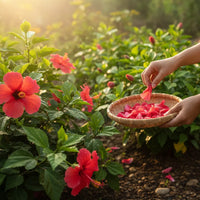
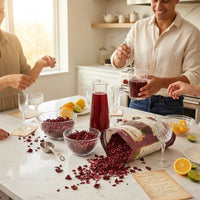
Hibiscus is celebrated worldwide for its vivid color, sharp tang, and multi-functional uses spanning teas, culinary recipes, natural dyes, and even beauty rituals. If you’re considering bulk buying hibiscus for any purpose—whether crafting artisanal teas or seeking the best quality flowers for creative culinary or wellness projects—understanding hibiscus varieties and key harvest and processing methods is essential. Each stage in the plant’s journey, from cultivar selection to harvest timing and drying style, shapes the unique hue, tartness, and aroma in your final product. This guide walks you through the essentials of hibiscus selection and how these factors influence quality, helping you make informed purchasing decisions tailored to your needs.
Distinguishing Hibiscus Varieties: What Sets Cultivars Apart?
Not all hibiscus is the same. In the world of bulk buying, especially for teas or specialty uses, varietal differences carry significant weight. The two most widely cultivated edible hibiscus species are:
- Hibiscus sabdariffa (Roselle): Prized for its ruby-red calyces, distinctively tart flavor, and robust pigment. This is the most common type for beverages and food products.
- Hibiscus rosa-sinensis: Often ornamental and less commonly used for edible applications, though some traditional uses persist.
Even within Hibiscus sabdariffa, clusters of cultivars exist, differing by:
- Geographic origin: West African, Southeast Asian, or Central American heritage can dictate subtle flavor and pigment shifts.
- Seed type and growing conditions: Variations in soil, sun exposure, and altitude introduce complexity to the calyx quality.
How This Impacts Bulk Buyers:
- Selecting the right cultivar for your project ensures pigment-rich infusions or gently flavored syrups, fitting your target product profile.
- Bulk buyers who seek organic, premium, or specific regional provenance should always inquire about cultivar and sourcing information, whether shopping online or through wholesalers.
For individuals looking to create vibrant drinks, Organic Hibiscus Tea 24 Bags | Heart Health & Antioxidant Wellness offers premium, ruby-red calyces that are ideal for both flavor and color. If you want to experiment with merging hibiscus with other botanicals, Herbal Tea Trio Bundle | Guava, Hibiscus & Avocado – 3 Organic Packs is an excellent option enabling creative blends for custom infusions.
Harvest Timing: The Influence on Color and Tartness
Harvesting hibiscus at the optimal stage is crucial to maximize both appearance and taste. The calyx—the bright, petal-like part used in teas and coloring—transforms rapidly over the growing cycle.
Key Harvest Phases
- Early Harvest (Young Calyces): Tend to have a milder tartness, lighter pink color, and softer texture. Ideal for more delicate teas or culinary uses.
- Peak Harvest (Mature Calyces): Showcase intense ruby hues and richly tart, fruity notes. Most bulk hibiscus for sale is harvested at this peak maturity for full pigment extraction and robust flavor.
- Late Harvest (Overripe): Calyces darken, and flavor may become earthier, sometimes with reduced brightness and astringency. Generally less favored for premium tea or dye projects but occasionally used in traditional preparations.
Bulk Buying Tip: Ask your supplier not just about the species, but about harvest period, if available. Those sourcing for vibrant tea blends or natural dye projects often request hibiscus harvested at peak maturity for the richest results.

Drying and Processing Methods: Shaping Hue, Flavor, and Aroma
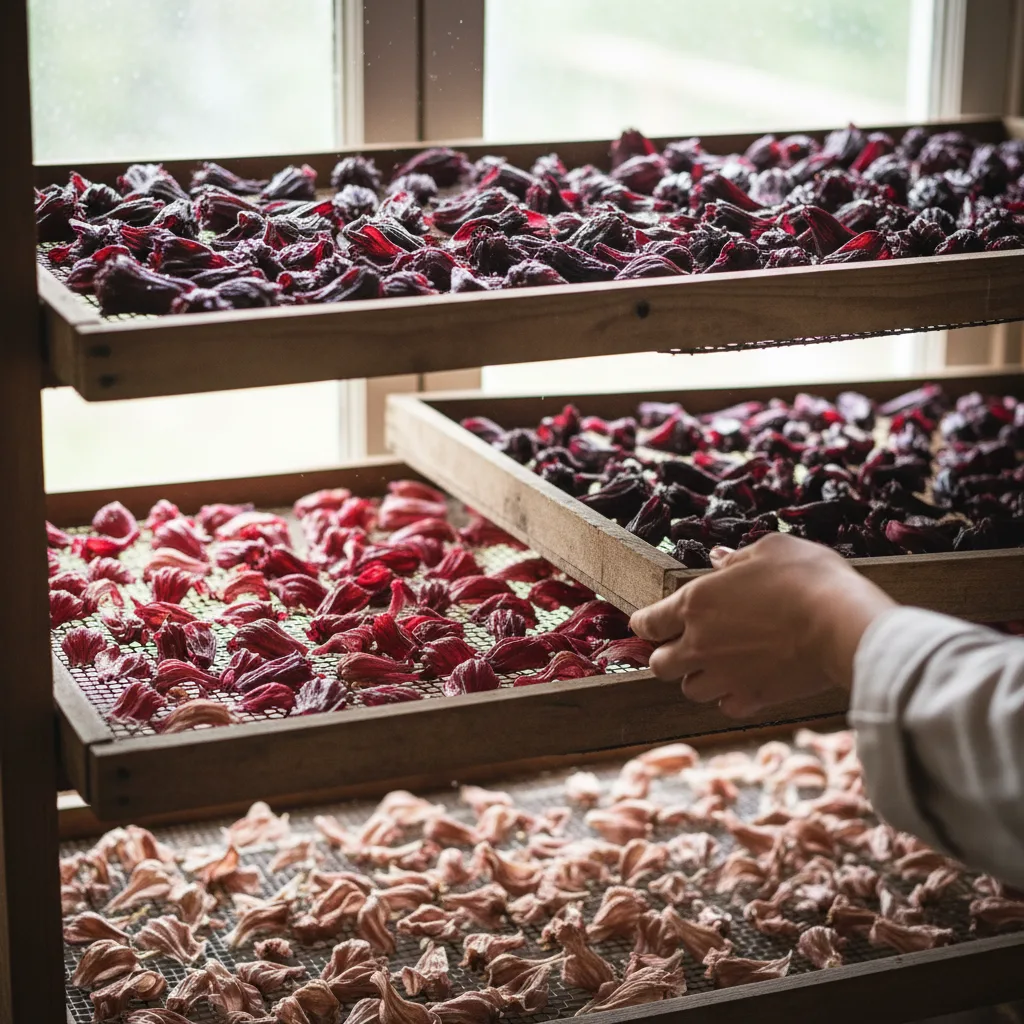
Once harvested, hibiscus’s journey is only halfway done. Drying and post-harvest processing methods can either preserve or alter the plant’s prized traits. The main drying approaches include:
- Sun drying: The traditional technique where calyces are laid out under the sun. It’s cost-effective and widely used for bulk production. Sun drying can produce slightly uneven pigment and sometimes earthier flavor undertones due to environmental exposure.
- Oven or dehydrator drying: Controlled environments ensure even drying, limiting variability. These tend to maintain a more consistent, vibrant color and a cleaner tart profile.
- Shade drying: Used to protect delicate calyces from harsh sunlight, maintaining more volatile aroma compounds and subtle nuances in taste.
Processing Details
- Hand vs. mechanical separation: Hand separation of calyces from seed pods is labor-intensive but often gentler, protecting calyx integrity. Mechanically processed batches may show more breakage but increased efficiency.
- Cut or whole: Some producers cut calyces before drying for faster dehydration, while others dry them whole to minimize pigment loss.
Bulk Buyer Consideration: When reviewing samples or discussing with suppliers, ask about drying type and processing—particularly if you demand best quality hibiscus for specialty teas, crafts, or artisanal uses. Uniform color, vibrant fragrance, and minimal breakage are hallmarks of premium, carefully processed flowers, often labeled as organic or premium grade. Purchasing our Bulk Herbs collection ensures you have access to well-sourced, high-quality hibiscus along with other botanicals for a range of creative projects.
How Color and Flavor Are Developed Through the Supply Chain
From field to finished product, each decision shapes what you see, smell, and taste:
- Cultivar choice: Determines the baseline pigment and acidity.
- Harvest window: Alters concentration of flavor compounds and flavonoid content, directly influencing both aroma and tartness.
- Drying method: Controls how much color and volatile aroma survives into your bulk order.
For tea makers aiming for exceptional clarity and hue in the cup, sourcing hibiscus with controlled processing and harvest documentation can be vital. Culinary artisans interested in subtlety versus robustness should consider both cultivar and handling style, perhaps exploring the variety found in our organic herbal teas to achieve vibrant results.
Bulk Buying: How to Select Hibiscus for Your Application
Whether you’re searching for bulk hibiscus for sale for steeping, syrup-making, desserts, or natural art, matching the product specs to your needs is key:
Teas and Infusions
- Best for vibrant color and tart flavor: Seek Hibiscus sabdariffa ‘Roselle’ type, peak harvest, oven- or shade-dried for aroma preservation. Whole calyces maintain visual appeal. Organic Hibiscus Tea 24 Bags | Heart Health & Antioxidant Wellness is an excellent choice for consistent quality and flavor.
Culinary and Syrup Projects
- For jam, jelly, or syrup: A richly pigmented, mature hibiscus produces deep color and robust flavor. Ask about lot consistency and cleanliness when buying in quantity. Herbal Tea Trio Bundle | Guava, Hibiscus & Avocado – 3 Organic Packs can expand culinary creativity when combined with hibiscus in recipes.
Natural Dye and Craft Applications
- For pigment extraction: Prioritize batches harvested at peak and dried under low heat for maximum anthocyanin retention. Intense red color in sample swatches typically signals good extraction quality. Bulk flower specialists such as our Bulk Herbs collection can provide hibiscus meeting these criteria.
Skincare and Bath Innovations
- For aromatic and color-rich infusions: Choose lots that are oven- or shade-dried, where aroma and pigment are least degraded. Premium organic quality is often chosen for beauty projects. Combining hibiscus with other botanicals, as found in some wellness-focused tea bundles, can enhance both efficacy and experience.

How to Assess Best Quality: Red Flags and Positive Signs in Bulk Orders
Ordering hibiscus in bulk demands discernment. Here are traits to prioritize—and avoid:
What to Look For:
- Intense ruby or crimson color
- Whole, intact calyces (if not specifically seeking cut)
- Distinct, fruity-tart aroma with little mustiness
- Uniformity in size and drying style across the batch
- Minimal debris or non-calyx plant parts
Possible Red Flags:
- Brown or faded color, signaling aged or poorly dried product
- High percentage of broken pieces or excessive dust
- Off, musty, or dull aroma
- Visible contaminants or plant debris
Before finalizing a large order, ask for samples or documentation about origin, cultivar, harvest, and drying standards—especially when sourcing best quality hibiscus or organic varieties. Brands like Herbal Goodness often provide detailed sourcing and quality information, adding confidence for buyers planning significant purchases.
Matching Hibiscus to Usage: Practical Selection Examples
To bring it all together, let’s consider real-world buying scenarios:
- A tea café ordering bulk hibiscus for custom blends: They should seek a premium, oven-dried Roselle type with well-preserved calyces for rich flavor and visual appeal.
- A natural dye studio wanting deep, consistent pigment: Opt for mature, peak-harvest hibiscus, dehydrated gently, with strong color even in dried form.
- A culinary workshop planning syrups and jams: Look for lots tested for flavor and clarity of infusion, sourced from a supplier with transparent harvest and drying practices.
Each use case points back to our core principle: clarity about cultivar, harvest, and processing delivers not only the best price and supply stability but ensures your finished product shines.
Bulk buying hibiscus is far more than ordering by weight. With a basic understanding of how cultivar, harvest window, and drying methods interact, you can confidently shop for the ideal hibiscus flowers—whether for artisanal tea, vibrant culinary creations, or natural pigment applications. Remember, a little research and supplier communication go a long way in securing a batch that upholds your standards and elevates your projects.
FAQs:
- What is the best quality hibiscus variety for tea and infusion applications?
Hibiscus sabdariffa, specifically the 'Roselle' cultivar, is widely favored for tea due to its vibrant ruby color, robust tartness, and consistent flavor profile. Peak-harvest, oven- or shade-dried hibiscus typically offers the best quality for infusions.
- How does harvest timing influence bulk hibiscus flavor and color?
Harvesting at peak maturity yields the deepest color and a balanced tart flavor, ideal for teas and dyes. Early harvest provides milder flavor and lighter hues, while late harvest may result in earthier notes and darker, less vibrant pigment.
- Which drying method best preserves hibiscus aroma and pigment for bulk buying?
Controlled oven or dehydrator drying typically preserves hibiscus’s vivid color and aromatic compounds better than sun drying, which can result in some pigment loss or flavor alteration due to environmental exposure.
- What should I look for when buying hibiscus flowers in bulk?
Prioritize uniform, ruby-red color, whole calyces, a fruity aroma, and consistent drying style. Check for documentation on cultivar, harvest timing, and drying process to ensure best quality, especially if shopping for organic or premium batches.
- Can different hibiscus cultivars impact the results in culinary, dye, or skincare uses?
Yes, the cultivar’s inherent pigment, acidity, and aromatic profile will influence tea clarity, dye extraction, and infusion character. Consult your supplier for details on variety and request samples when making a bulk order for specialized uses.
- Is organic hibiscus better for natural dye or skincare projects?
Many buyers prefer organic hibiscus for these applications, as it is grown without synthetic chemicals and often hand-processed to preserve color and purity. Always verify organic certification and processing standards with your supplier.
- Where can I order best quality hibiscus for sale in bulk?
Look for reputable suppliers specializing in premium or organic hibiscus, such as Herbal Goodness, who provide documentation on cultivar, harvest, and drying methods to match your intended use. Sampling before bulk purchase is highly recommended.
Author Name:
Herbal Goodness Editorial Team
Author Bio:
The Herbal Goodness Editorial Team specializes in holistic health and superfoods, blending science and nature to educate and empower our community.
References:
Introducing Graviola to Young Taste Buds: Fun, Family-Friendly Flavor Exploration
Graviola in the Classroom and at Home: Creative Activities to Teach Kids About Tropical Plants
Why Social Impact Matters in Plant-Based Wellness