





Gymnema Leaf and Sweetness Perception: Sensory Science and Flavorful Experiences

Curious about how gymnema leaf transforms your tasting experience? This ancient herb is famous for its surprising ability to temporarily alter the way sweetness is perceived on the palate. While its roots stretch back through centuries of traditional herbal use, gymnema's modern appeal lies in its unique sensory effects that invite people to reconsider their relationship with sweet flavors. Whether you're a tea lover, culinary explorer, or simply fascinated by the science of taste, gymnema leaf offers a delightful journey into the world of herbal flavor experiments. This guide will walk you through how gymnema works, why it tastes the way it does, popular preparation methods, and easy, enjoyable ways to experiment with its flavor—always placing enjoyment and safety at the forefront for beginners.
Unpacking the Sensory Science Behind Gymnema Leaf
The Interaction Between Gymnema and Sweet Taste Receptors
The feature that makes gymnema leaf remarkable is its interaction with the sweet taste receptors located on the tongue. Specifically, when gymnema compounds contact the taste buds, they bind to the sweet receptors. This binding momentarily blocks the ability of these receptors to detect sugars, leading to a suppressed sweet sensation. Food or beverages that normally taste sweet—such as fruit or sugar cubes—assume a more neutral or even bland flavor profile for a short period after consumption.
To explore this effect in a controlled way, many people start by sipping Gymnema Leaf Tea - Organic 24/2g Tea bags - Metabolism & Blood Sugar, which harnesses the leaf's natural ability to temporarily block sweetness. This hands-on tasting provides a fascinating perspective on the dynamic relationship between our taste buds and plant compounds.
Key Compounds Responsible for Taste Modulation
At the heart of gymnema’s effects are a group of compounds known as gymnemic acids. These molecules are structurally similar to glucose, which explains their competitive action on taste receptors. When gymnema leaf is chewed, brewed, or steeped, these gymnemic acids come into direct contact with the mouth, impeding the ability to perceive sweetness. This change fades gradually, typically lasting from 30 minutes to one hour, offering a temporary reset of the palate without any lasting alteration.
For those interested in broadening their herbal experience, adding Wellness Tea Blends - Organic 4oz - Premium Herbal Infusion to your collection can introduce a variety of botanicals to complement gymnema tea and further enhance palate exploration.
Sensory Experience: What Does Gymnema Leaf Taste Like?
Beyond its functional attributes, gymnema leaf itself brings a unique taste to the table. The dried leaves infuse both teas and tinctures with an earthy, slightly bitter undertone. Some users describe subtle grassy or woody notes, often likened to traditional green teas but with a distinct, herbaceous edge. These flavor qualities make gymnema a fascinating addition to various infusions or culinary applications where a less dominant, grounding taste is preferred.
Responsible Ways to Explore Gymnema Leaf
Sourcing and Selecting High-Quality Gymnema Leaf
For those eager to try gymnema, sourcing from reputable sellers is key. Look for organic or wildcrafted dried leaves, premium herbal teas, or extracts labeled with transparency about origin and processing. High-quality gymnema should be vibrant green to olive-hued and free from excessive dust or stems. Powder and extract formats are also available, but beginners generally appreciate the controllable experience offered by whole leaves or pre-portioned tea bags.
If you enjoy exploring new herbal infusions with well-documented origins, you may also enjoy the gentle, natural taste of Papaya Leaf Tea - Organic 24/2g Tea Bags, another option for those interested in flavorful and functional teas for wellness.
Understanding Taste-First Experiments
Gymnema’s effects are best appreciated with mindful, gradual exploration. Start with small tastes: chew a small piece of dried leaf, sip a mild tea, or use a tincture drop on the tongue. Wait a minute or two, then sample a familiar sweet food to witness the transformation firsthand. This deliberate approach ensures both a safer and more enjoyable adventure for your taste buds.
Enjoyable Preparation Methods for Beginners
Brewing Gymnema Tea: Step-by-Step
- Ingredients: 1 teaspoon dried gymnema leaf (or 1 tea bag), 8 oz hot water
- Preparation:
- Heat water just below boiling (approximately 185–200°F or 85–93°C).
- Place gymnema leaves or tea bag in your mug or teapot.
- Pour hot water over the leaves and steep for 3–5 minutes.
- Strain or remove the tea bag, letting it cool slightly before drinking.
- Optionally, pair with lemon zest or ginger to balance the earthy notes.
Gymnema tea offers a gentle introduction to its flavor and effects, making it ideal for first-timers. Sipping slowly lets you appreciate the taste shift and subtly earthy palate.

Experimenting with Gymnema Leaf Tea at home lets you appreciate each subtle flavor note and the overall shift in sweetness perception in a simple, hands-on way. After several experiences, many beginners feel comfortable moving on to different preparations and journaling their taste sensations.
Experimenting with Tinctures
Tinctures provide a convenient way to sample gymnema’s sensory qualities. Place a drop or two under the tongue, wait a few moments, and then taste a sweet item. Beginners should start with a minimal amount to gauge their response. Tinctures, usually made with alcohol or glycerin, concentrate the herbal essence for more pronounced taste-modulating effects.
As you expand your herbal collection, you might appreciate a unique liquid combination like Metabolism and Catabolism - 1oz 15X Liquid Extract - Blood Sugar, crafted to pair well with a variety of herbal infusions while exploring the world of taste and wellness.
Incorporating Gymnema in Culinary Pairings
While gymnema is not as commonly used in everyday cooking as other herbs, adventurous chefs have begun to experiment with its inclusion in herbal blends, salad dressings, and creative confections:
- Add a pinch of gymnema leaf powder to herbal tea blends or spice mixes for a nuanced flavor profile.
- Mix with citrus vinaigrettes or ginger-based dressings to complement hearty salads.
- Use as a finishing herb on subtly sweet baked goods for an unexpected twist, keeping portions very small for a mild flavor presence.
Remember to start with lower quantities in all culinary explorations, as gymnema’s taste and effect can be distinctive.

Balancing Safety and Enjoyment in Gymnema Exploration
When sampling gymnema for its novel taste experiences, moderation and mindfulness are essential. As with any new herbal ingredient, it’s best to familiarize yourself with the taste, starting small to understand your personal sensory thresholds. Drinking gymnema tea or experimenting with tinctures in a relaxed setting allows you to fully appreciate each nuance and effect without rushing the process.
You can also diversify your brewing experience with Herbal Tea Gift Set – Wellness Tea Gift Variety Collection - Organic 24 Teabags, a collection that supports flavorful, mindful tea routines.
Sensory Journaling: Tracking Your Flavor Adventure
A flavor journal adds fun and depth to your gymnema exploration. Take notes after each session about the intensity of sweetness shift, changes in aftertaste, and which food pairings produced the most enjoyable experience. This not only enriches your understanding of gymnema’s unique properties but also helps you refine your favorite preparation techniques over time.
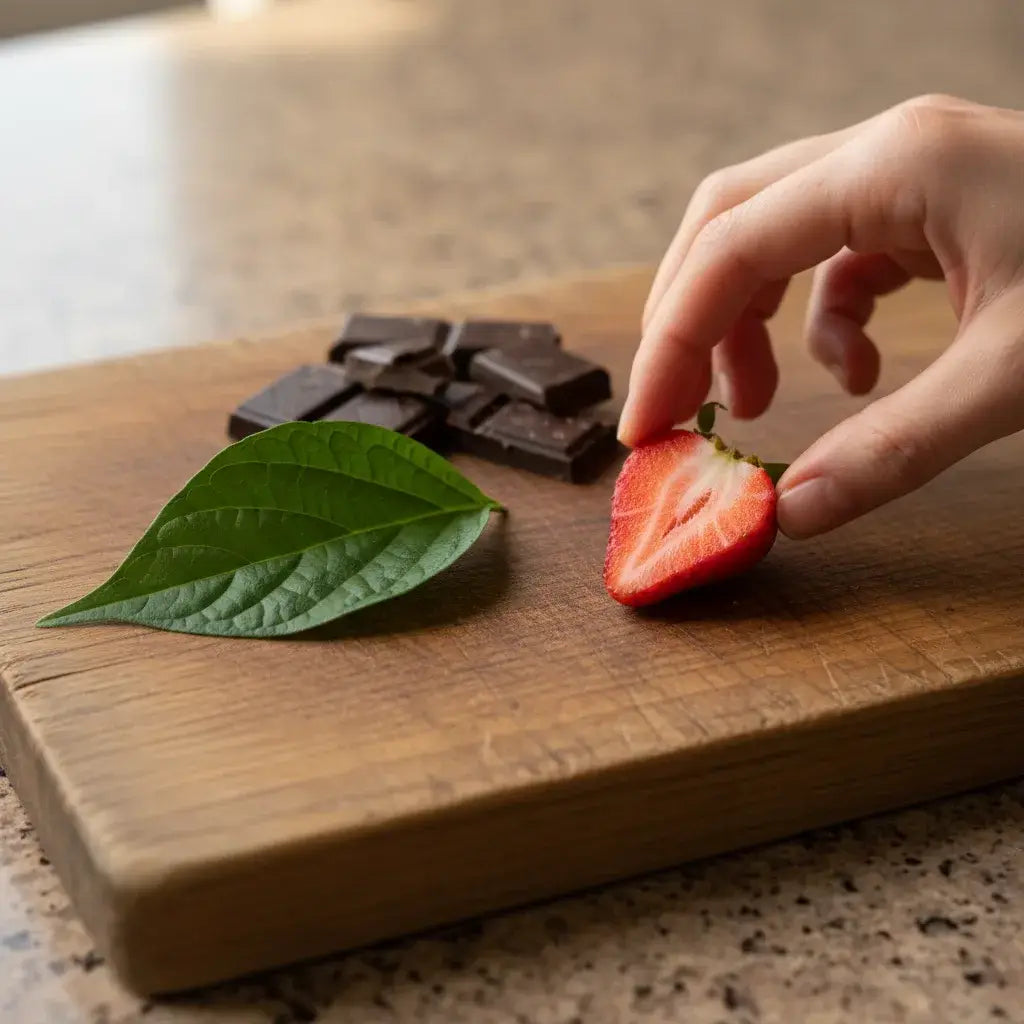
Creative Pairings: Enhancing Flavor Without Sweetness
One of the joys of gymnema experimentation is reimagining ways to enjoy naturally vibrant flavors without traditional sweeteners. Here are some suggestions:
- Herbal infusions: Combine gymnema with mint, lemongrass, or chamomile for an aromatic blend that doesn’t rely on sugar for satisfaction.
- Citrus accents: Add lemon or orange peel to offset gymnema’s earthiness and bring out a refreshing zest.
- Spiced concoctions: Ginger, cardamom, and cinnamon work beautifully with gymnema, creating a complex palate that’s comforting and layered.
Alongside gymnema, Wellness Tea Blends - Organic 4oz - Premium Herbal Infusion makes a delightful and healthful base for numerous herbal experiments, offering variety as you seek unique flavor combinations.
The Fascinating History of Gymnema Leaf in Flavor Exploration
For centuries, gymnema leaf has been appreciated in several global cultures, both for its taste-shifting properties and as part of daily rituals involving herbal teas and decoctions. Its Sanskrit name, Gurmar, translates as "destroyer of sugar," referencing the tongue-tingling change it brings. Today, gymnema is gaining recognition outside traditional roots as more people look for new flavors and experiences. Exploring gymnema leaf is a way to connect with both ancient wisdom and modern curiosity.
Trying blends such as Papaya Leaf Tea - Organic 24/2g Tea Bags or exploring a gift set of herbal teas broadens your sensory adventure and lets you embrace diverse global traditions.
Embracing a Journey of Taste with Gymnema Leaf
Ultimately, gymnema’s greatest appeal lies in the sensory adventure it offers. Engaging with this herb unlocks new ways to enjoy familiar foods and beverages, highlighting the richness of flavor beyond overt sweetness. Through thoughtful preparation, mindful tasting, and creative culinary play, beginners and flavor seekers alike can discover just how surprising and enjoyable gymnema’s place in the world of taste can be.
FAQs:
- How does gymnema leaf influence the taste of sweet foods and drinks?
Gymnema leaf contains gymnemic acids that temporarily block sweet taste receptors on the tongue. After trying gymnema tea or extract, foods normally perceived as sweet may taste neutral or less flavorful for a short period, making it a unique tool for sensory exploration.
- What are some easy ways for beginners to sample gymnema’s taste effects?
For first-time explorers, starting with gymnema tea or a small piece of dried leaf is recommended. Tinctures can also be sampled in tiny amounts. Afterward, tasting something sweet like a grape or a sip of juice highlights gymnema’s impact on sweetness perception.
- What does gymnema leaf taste like on its own?
Gymnema leaf features a mild, earthy taste with subtle bitterness and herbaceous notes. Its natural flavor is less dominant compared to stronger herbs, making it suitable for blending in teas or culinary pairings with citrus or spice.
- Can gymnema be incorporated into everyday recipes?
Yes, gymnema powder or dried leaf can be added in small amounts to herbal tea blends, salad dressings, or as a subtle accent in baked goods. Its flavor pairs well with ginger, citrus, or other aromatic herbs.
- How long do the taste-modifying effects of gymnema leaf last?
The effects are typically temporary, lasting between 30 minutes to an hour, depending on the preparation and quantity. Normal sweetness perception returns as the compounds leave the taste buds.
Author Name:
Herbal Goodness Editorial Team
Author Bio:
The Herbal Goodness Editorial Team specializes in holistic health and superfoods, blending science and nature to educate and empower our community.
References:
Introducing Graviola to Young Taste Buds: Fun, Family-Friendly Flavor Exploration
Graviola in the Classroom and at Home: Creative Activities to Teach Kids About Tropical Plants