Guava Leaf Tea Pricing Guide: Factors, Value & Smart Buying Tips

Introduction
Guava leaf tea has found a devoted following among wellness enthusiasts and tea lovers alike, celebrated for its earthy aroma and gentle flavor. If you’re searching for guava leaf tea prices near you, you may notice a striking range—from economical packets at local markets to premium organic options online. What’s behind these price variations? Understanding what really drives guava leaf tea prices can help you make more informed, mindful purchases at farmers’ markets, health food stores, or trusted online shops. This guide walks you through the essential factors impacting cost and quality so you can confidently compare options and select a guava leaf tea that aligns with your preferences and values.
Fresh vs. Dried Guava Leaves: A Major Price Factor
One of the most significant influences on guava leaf tea pricing is whether the leaves are fresh or dried. Here’s why that distinction matters:
Fresh Guava Leaves:
- Usually harvested locally and sold quickly, often at farmers’ markets
- Short shelf life, requiring fast turnover and frequent restocking
- May command a lower price initially but can cost more per serving (due to higher water weight and perishability)
- Often considered by tea purists for their vibrant color and aroma
Dried Guava Leaves:
- Lost moisture through drying, making product lighter and longer-lasting
- Easier to store, ship, and portion for daily use
- Often available in larger quantities or pre-portioned bags, tea sachets, or loose-leaf formats
- May be priced higher per ounce but offer more cups per bag or jar
When comparing fresh versus dried, consider how quickly you’ll use the tea and your personal preference for flavor and convenience. Some shoppers enjoy sourcing fresh leaves for homemade teas, while others prefer the shelf-stability and ease of dried varieties. You might also find value in exploring our organic herbal teas if you’re a regular tea brewer.
The Importance of Organic Certification and Sourcing
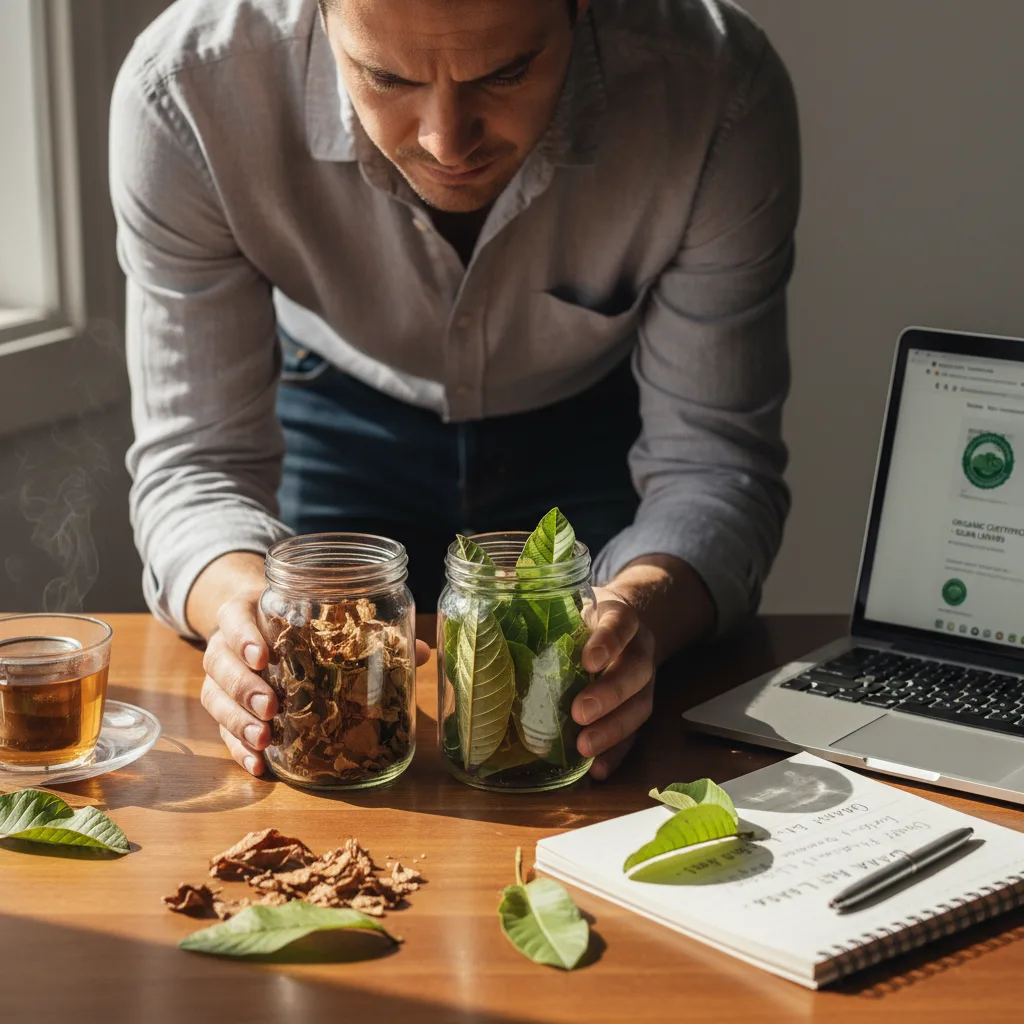
Organic Certification is a meaningful driver of guava leaf tea prices. Certified organic guava leaves are cultivated under strict guidelines that restrict the use of synthetic chemicals and encourage sustainable farming. This process:
- Requires third-party audits, increasing production costs
- Often supports smaller-scale farmers who invest in soil health and biodiversity
- May produce leaves with subtler, more natural flavor profiles
Conventional Guava Leaf Tea can be produced more inexpensively, sometimes at larger scale, and is widely accessible at supermarkets or commercial tea sections.
When deciding between organic and traditional options, it’s not just about health. Many shoppers consider the environmental impact and the story behind their tea. If you’re seeking a balance of purity and value, Guava Leaf Tea - Organic - Tea 24/2g - Caffeine-Free is a strong certified organic choice.
Harvest Timing: How and When Leaves Are Picked Matters
The moment when guava leaves are harvested also shapes the final cost. Factors include:
- Seasonality: Leaves picked during peak growth periods often contain the freshest aroma and sometimes command higher prices.
- Labor Intensity: Manual picking or selective harvesting can cost more, which is reflected in the product price.
- Local vs. Distant Sourcing: Locally harvested leaves might be fresher and priced higher to support area growers. Imported leaves, especially those shipped dried in bulk, can sometimes offer savings but may differ in freshness.
Not all sellers show harvest timing information on labels, but asking at farmers’ markets or reading product descriptions online can yield insights into what you’re paying for. At times, regional blends like Herbal Tea Trio - Guava, Hibiscus & Avocado Bundle – Refreshing Tea Collection introduce unique flavors and highlight sourcing transparency.
Packaging: Bulk, Bags, or Boutique?
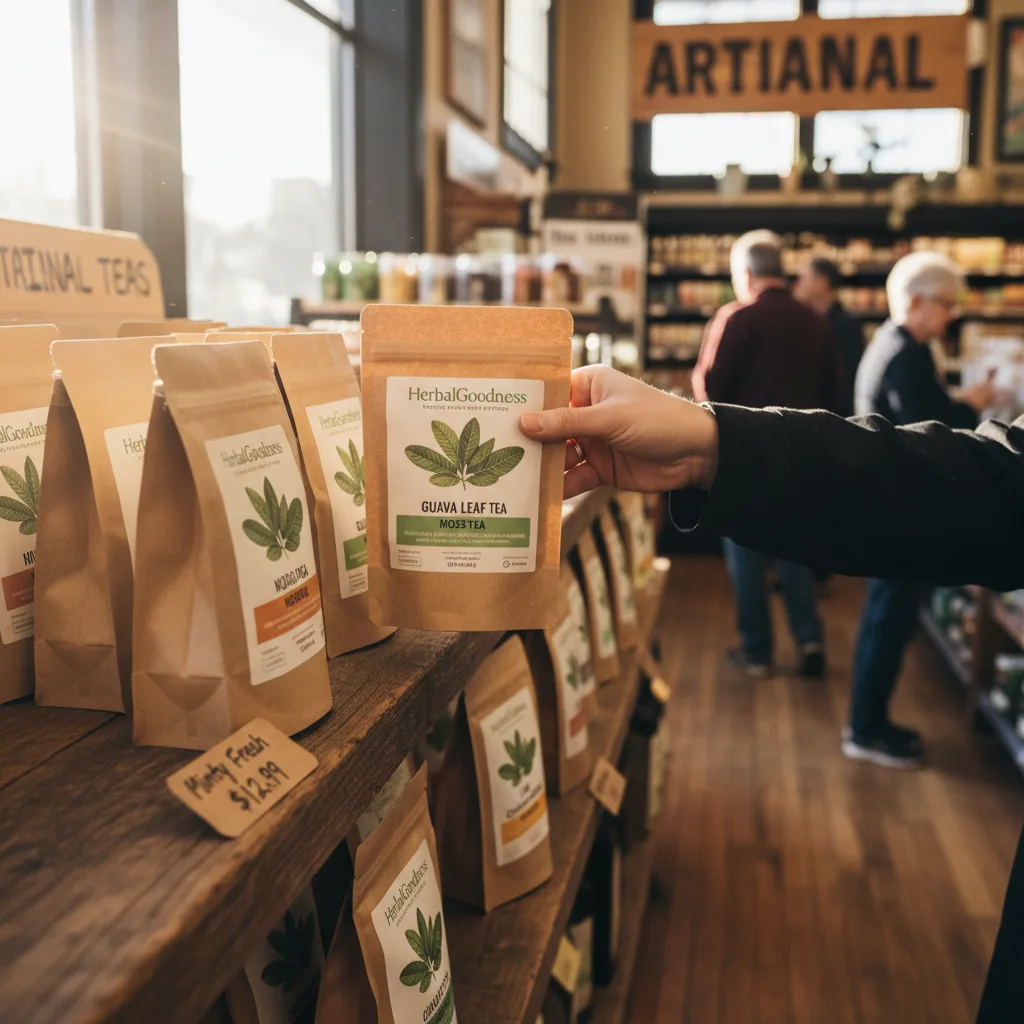
Guava leaf tea comes packaged in numerous ways, and these choices impact both price and perceived value:
- Bulk Loose Leaf: Often provides the best value per ounce, favored by daily tea drinkers
- Tea Bags/Sachets: Offer convenience and mess-free preparation, but price per serving may be slightly higher
- Glass Jars or Boutique Packaging: Small-batch brands may use eco-friendly packaging, reusable containers, or artisan labeling—all of which can add to the shelf appeal (and cost)
When shopping, consider your tea routine: If you make single servings, sachets may suit you. If you brew in large batches or want to cut down on waste, our Bulk Herbs collection offers flexibility and cost advantages. Those exploring unique packaging can also find value in Guava Leaf - Organic 1oz 15X Liquid Extract - Immunity & Herbal Health, which supports convenient dosing with a liquid extract format.
Small-Batch vs. Mass Market: Scale, Quality, and Price
Not all guava leaf tea is produced equally. The scale of production can strongly affect both the price and uniqueness of the final product:
Small-Batch Producers:
- Often focus on quality, selecting leaves by hand and taking care with drying and packaging
- May collaborate with local growers and offer unique blends (sometimes pairing guava with other herbs)
- Prices can be higher, but many consumers believe they’re supporting a more sustainable, transparent supply chain
Mass Market Brands:
- Rely on volume, machinery, and wide distribution networks
- Products may be more uniform and consistent, often at lower price points
- Typically found at large supermarkets or chain health food stores
Your choice depends on what matters most: price, traceability, exclusive flavors, or supporting independent growers. The Herbal Tea Gift Set – Wellness Tea Gift Variety Collection - Organic 24 Teabags is an example of a curated small-batch selection, elevating the experience of herbal tea discovery and gifting.
Shopping Venues: Where You Buy Shapes Price and Value
Guava leaf tea can be found in a variety of local and online settings. Each source has its own pricing dynamics:
Farmers’ Markets:
- Offer the chance to buy directly from growers
- Prices may reflect freshness and direct-to-consumer transparency
- You can ask questions about how the tea was harvested and prepared
Health Food Stores & Boutiques:
- Stock curated selections, often sourced from small or regional brands
- Organic and artisanal options may take priority, but expect higher prices due to curation and limited inventory
Online Marketplaces:
- Endless variety, from direct-from-farm listings to mass-produced brands
- Easier to compare prices, read user reviews, and discover bulk discounts
- Shipping costs and delivery time should be factored into total price
Local shops may offer an in-person experience and instant gratification, while online listings provide competitive pricing and greater selection. Those aiming for optimal value might turn to Papaya Leaf Tea - Organic 24/2g Tea Bags as an affordable, convenient alternative to guava leaf tea.

Practical Tips for Comparing Guava Leaf Tea Options
To shop wisely, keep these practical tips in mind when comparing guava leaf tea:
- Check Weight and Serving Size: Compare prices by weight (ounces or grams), not just the package price. Some teas may appear cheaper but offer fewer servings.
- Read Ingredient Lists: Look for 100% guava leaf, unless you prefer blends. Watch for fillers or added flavors. The Herbal Tea Trio - Guava, Hibiscus & Avocado Bundle – Refreshing Tea Collection is a great blended option with ingredient transparency.
- Inspect for Organic/Harvest Details: Certifications and harvest info add transparency, supporting informed decisions. Many products, including Guava Leaf Tea - Organic - Tea 24/2g - Caffeine-Free, list certifications clearly.
- Ask About Sourcing: At markets, don’t hesitate to ask how and where the leaves are grown. Sellers often appreciate informed customers.
- Balance Freshness and Convenience: Bulk dried tea may win on value, while local fresh leaves connect you to regionally grown food.
- Consider Packaging Sustainability: Compostable bags or refillable jars may matter if you’re environmentally conscious. Consider our Bulk Herbs collection for lower-waste packaging.
- Read Reviews and Brand Stories: Online, focus on verified buyer experiences for real-world impressions.
Sustainability, Ethics, and Community Impact
For shoppers intent on supporting sustainable and community-oriented agriculture, guava leaf tea can be a meaningful purchase. Choosing options:
- Produced using fair labor standards
- Packaged with minimal plastic
- Grown with respect for biodiversity
offers broader value beyond your own cup of tea. Exploring eco-conscious producers and blends, such as the Herbal Tea Gift Set – Wellness Tea Gift Variety Collection - Organic 24 Teabags, helps you align purchases with your personal ethics.
By asking a few extra questions and understanding the story behind each bag or jar, you not only evaluate price but also align your purchases with your values.
Summary: Shopping with Confidence
Understanding what determines the cost of guava leaf tea—from preparation methods to certification, scale, and point of purchase—empowers you to make mindful, value-driven choices. Whether you source from local markets or browse for the best deals online, remembering these factors takes the guesswork out of smart shopping. As interest in guava leaf tea continues to grow, paying attention to the details behind the price tag means you get both quality and peace of mind.
FAQs:
- What usually causes guava leaf tea prices to vary so much?
Guava leaf tea prices depend on factors like fresh versus dried leaves, organic certification, harvest timing, packaging, and whether the tea is produced in small or large batches. Local sourcing and specialty formats can also cause price differences.
- Is organic guava leaf tea always more expensive?
Often, yes. Organic guava leaf tea requires more rigorous farming and certification, which increases costs. However, many consumers choose organic for its environmental and farming standards.
- Are fresh guava leaves better than dried?
It depends on your preference. Fresh leaves offer a vibrant aroma but are highly perishable. Dried leaves store longer, are easier to use, and may yield more servings per purchase.
- Where can I find small-batch or locally produced guava leaf tea?
Farmers’ markets and health food stores are great places to find locally crafted or small-batch guava leaf tea. You can also search for regional brands online that highlight their sourcing and preparation methods.
- How do I compare guava leaf tea options online?
Check for ingredient purity, weight per package, certifications, user reviews, and shipping policies. Comparing price per ounce and reading about brand sourcing helps gauge overall value.
- Why does packaging style affect guava leaf tea price?
Eco-friendly, glass, or boutique packaging raises production costs and shelf appeal, often resulting in a higher product price compared to standard tea bags or loose packaging.
Author Name:
Herbal Goodness Editorial Team
Author Bio:
The Herbal Goodness Editorial Team specializes in holistic health and superfoods, blending science and nature to educate and empower our community.
References:
Introducing Graviola to Young Taste Buds: Fun, Family-Friendly Flavor Exploration
Graviola in the Classroom and at Home: Creative Activities to Teach Kids About Tropical Plants