Exploring Popular Immune-Associated Herbs: Traditions, Forms, and Everyday Uses

Interest in herbal wellness continues to grow as people seek natural options to support everyday vitality and well-being. Among the diverse world of botanicals, certain immune-associated herbs have stood the test of time, celebrated both in traditional systems and contemporary households. This guide introduces several widely used herbs—such as echinacea, elderberry, astragalus, and reishi—highlighting their traditions, flavor profiles, preparation insights, and easy ways to incorporate them into your daily routine. Whether you're new to herbal living or looking to expand your knowledge, discover how to make these herbs a flavorful and simple part of your day.
The Enduring Role of Immune-Associated Herbs in Wellness Traditions
For centuries, communities around the globe have turned to specific herbs as part of seasonal rituals and daily habits. These plants, valued for their distinctive characteristics, continue to have a role in holistic approaches to everyday balance. Today, they come in various accessible forms, making it easier than ever to explore their flavors and uses at home or on the go.
Origins and Cultural Significance
- Echinacea: Native American communities have long valued echinacea, especially for its vibrant purple petals and spiny cone. Historical traditions highlight its use in teas, tonics, and wellness practices during certain seasons.
- Elderberry: Elderberry shrubs have deep roots in European and North American folk traditions. Known for their striking clusters of dark berries, elderberry preparations historically appeared in family kitchens, including syrups, cordials, and jams.
- Astragalus: Astragalus membranaceus, a central figure in several East Asian traditions, is well regarded as a life-supporting root and often found in broths and long-simmered teas.
- Reishi: With a polished, reddish cap and woody texture, reishi mushrooms (Ganoderma lucidum) hold a revered spot in ancient Asian texts, celebrated for their association with harmony and longevity.
Common Product Forms: Teas, Tinctures, Powders, and Capsules
The modern herbal market offers a variety of formats, each with its own advantages and preparation methods. This versatility makes it easy for individuals to find options that suit personal tastes and lifestyles.
Herbal Teas and Decoctions
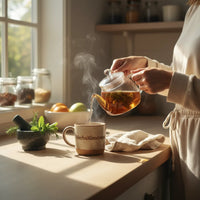
- Flavor: Echinacea teas often feature mild grassy notes, sometimes blended with lemon or mint for a smoother finish. Elderberry tea carries a rich, tart sweetness, balancing well with cinnamon or ginger. Astragalus root, when simmered, results in a pleasant, earthy flavor that integrates easily into soups. Reishi tea, however, is distinctly bitter and is frequently steeped with cacao or licorice root for depth.
- Preparation Tips: For roots and mushrooms, consider longer simmering to extract beneficial compounds. Most powdered or dried herbs can be steeped for 5 to 15 minutes, but those with tougher plant material, like astragalus or reishi, benefit from 30–60 minutes on low heat.
Enjoying these classic teas may remind you of products such as Soursop Leaf Tea Graviola Leaves - Organic 24/2g Tea Bags - Immunity & Cell Renew, which offer convenience and quality for your daily ritual.
Tinctures and Liquid Extracts
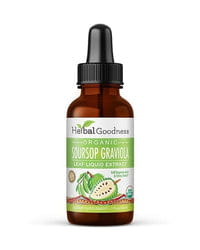
- Convenience: Tinctures distill the essence of herbs using alcohol or glycerin, offering flexibility. Just a dropperful can be added to water, tea, or juice, making them travel-friendly and easy to dose according to personal preference. Liquid herbal extracts like Soursop Leaf Graviola Extract - - Organic 15X Liquid Extract - Cell Renew & Immunity simplify adding botanicals to your routine.
Powders and Capsules
- Integrating into Recipes: Powders deliver concentrated herbal goodness and can be blended into smoothies, sprinkled over yogurt, or stirred into hot drinks. Reishi and astragalus powders, in particular, are well-suited for mixing into coffee or homemade energy bites.
- Capsules: For those seeking simplicity or a neutral flavor, Graviola Soursop Leaf Extract – 10X 60/600mg Capsules - Cell Renew & Immunity capsules offer a taste-free, pre-measured alternative that easily fits into existing routines.
Flavor Profiles and How to Use Herbs in Everyday Life
Incorporating immune-associated herbs into your lifestyle can be both enjoyable and creative. Each herb brings a unique flavor and tradition to the table, encouraging exploration and variety.
Echinacea: How to Enjoy This Classic Herb
- In Teas: Brew echinacea with a slice of lemon and a touch of honey for a gently aromatic infusion perfect for afternoon breaks.
- In Smoothies: Add a dash of echinacea powder to fruit smoothies for an easy herbal twist.
- In Syrups: Prepare simple herbal syrups by simmering echinacea with ginger and sweetening lightly with agave or maple syrup—the result can be drizzled over pancakes or added to sparkling water.
For a convenient way to try herbal teas, look for curated options such as the Herbal Tea Gift Set – Wellness Tea Gift Variety Collection - Organic 24 Teabags.
Elderberry: A Versatile Berry for Kitchens Everywhere
- Homemade Syrups: Elderberry syrup is a favorite in many households, easily combined with warm water, tea, or used as a topping for yogurt and oatmeal.
- Berry Teas: Brew elderberries with spices like cinnamon, cloves, and orange peel for a warming beverage.
- Jams and Baked Goods: Incorporate elderberry into homemade jams or bake into muffins for extra flavor bursts.

Astragalus: Root Traditions in Everyday Cooking
- Broths and Soups: Drop a piece of dried astragalus root into simmering broths, allowing its mild taste to infuse stews, soups, or even rice.
- Tea Blends: Brew astragalus alongside goji berries or licorice root for a supportive and grounding drink. This practice can be extended with other roots or immune-boosting botanicals like those found in our Bulk Herbs collection.
- Powdered Mixes: Add astragalus powder to your morning oatmeal or blend into a protein shake.
Reishi Mushroom: Integrating an Ancient Mushroom into Modern Life
- Mushroom Lattes: Reishi powder is increasingly popular as a nourishing addition to lattes, pairing well with cacao or vanilla for a smooth taste.
- Evening Teas: Enjoy reishi tea in the evening, perhaps blended with ginger or lemongrass to temper its bitterness. For a broader spectrum of adaptogens, Mushroom Blend - Organic 1oz 15X Liquid Extract - Adaptogens & Brain Power offers a blend for creative herbal drinks.
- Savory Dishes: Stir reishi powder into soups, stir-fries, and even homemade granola bars for an earthy boost.
Practical Tips for Trying Immune-Associated Herbs
Making herbs a part of your routine is simple with a little planning and willingness to experiment. Here are some practical pointers for seamless integration:
Sample, Don't Overwhelm
Start with single-herb preparations to become familiar with new flavors. Gradually mix and match as you find combinations you enjoy.
Mind Supporting Ingredients
Complement your herbs with citrus, fresh ginger, mint, or mild spice blends. Not only do these additions offer balance, but they can elevate the overall experience.
Consistent, Enjoyable Habits
Choose a time of day that naturally fits with your schedule—such as morning tea, mid-afternoon snacks, or evening relaxation. Consistency helps create a ritual that’s pleasurable and easy to maintain. Capsules such as Blood Platelet Plus - 60/600mg 20X Strength Capsule - Platelet Boost are excellent for those who prefer routine supplementation.
Pay Attention to Sourcing
Opt for high-quality, sustainably harvested herbs from established suppliers. Certified organic or responsibly wildcrafted offerings often indicate care in growing and processing, ensuring a more satisfying final product.
Discovering New Blends and Creative Uses
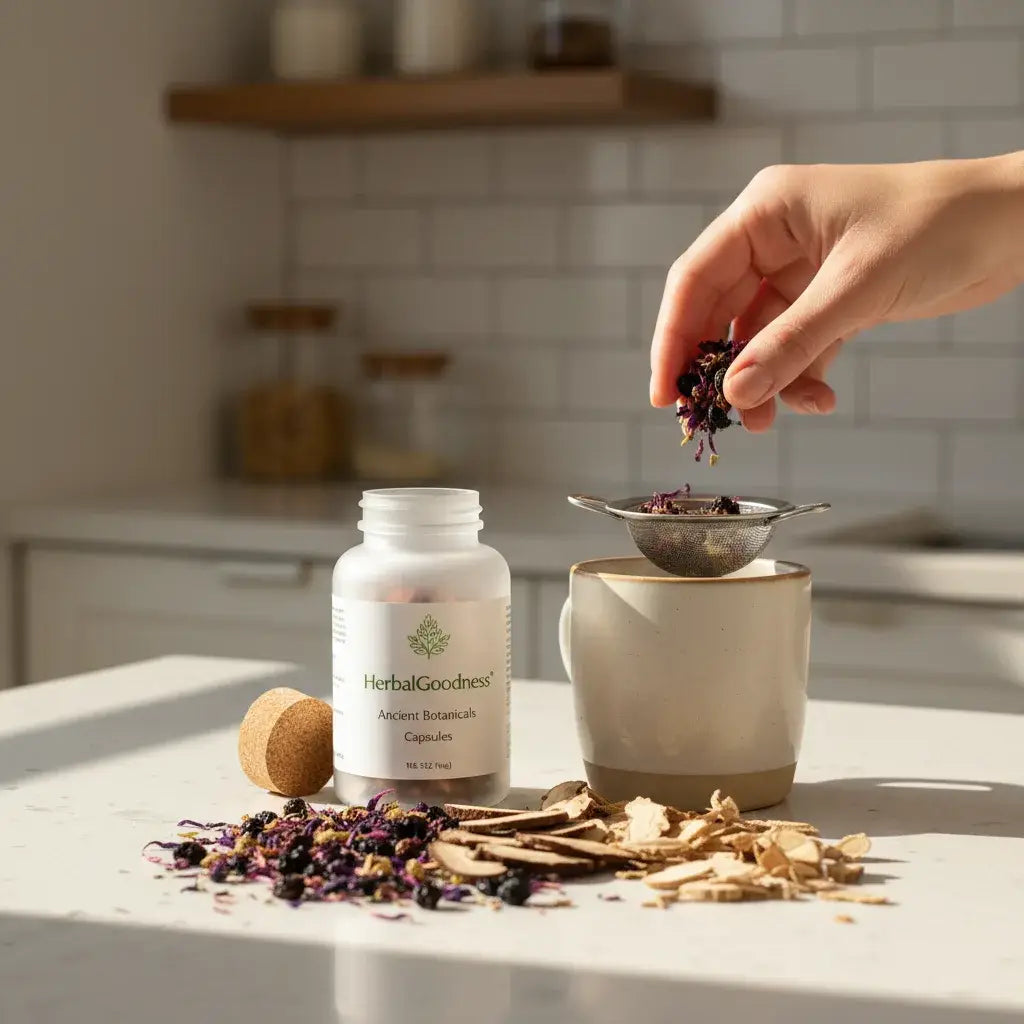
The world of herbs is filled with opportunity for culinary and beverage exploration. While the basics of teas and tinctures are well known, don’t hesitate to innovate your own blends at home:
- Try cold infusions with herbs like elderberry or echinacea during hot weather
- Mix powders into homemade energy balls or protein bars for a grab-and-go snack
- Craft sparkling beverages with herbal syrups and seltzer
- Experiment with savory recipes by infusing broths or dressings with astragalus or reishi, or even adding Sea Moss - Raw Dried from St Lucia - 8oz Bag - Nature's MultiVitamins for a boost of nutrients.
Navigating Quality and Selection: What to Look For
Choosing herbal products requires a discerning eye. Here’s how you can shop wisely:
Read Ingredient Lists
Look for pure, simple ingredient panels that list only the herb, its botanical name, and, where applicable, the extraction method. Avoid unnecessary fillers or artificial additives. Bulk options like our organic herbal teas can be perfect for this approach.
Transparency from Brands
Reputable brands are open about their sourcing, quality checks, and manufacturing practices. Look for clear batch numbers, third-party certifications, and accessible customer support.
Shelf Life and Storage
For best taste and potency, store herbs in airtight containers, away from heat or direct sunlight. Dried herbs, powders, and tea blends should be checked periodically for aroma and freshness.
Understanding Personalization and Taste Preferences
Not every herb will match every palate or preference. Developing your own favorites comes from sampling and listening to your senses.
- Bitterness: If you’re sensitive to bitter flavors, try reishi in small amounts or balanced with vanilla and cacao.
- Sweetness: Elderberry preparations often shine when lightly sweetened, complementing yogurt, granola, or homemade desserts.
- Mild Roots: Astragalus has a gentle, earthy profile, making it versatile for savory and sweet foods alike. This makes products featuring mild herbal blends, like Wellness Tea Blends - Organic 4oz - Premium Herbal Infusion, a good fit for experimentation.
Sustainability, Community, and Herbal Awareness
Embracing immune-associated herbs can be part of a broader connection to seasonal rhythms and community traditions. Sourcing locally grown or ethically wild-harvested herbs supports small farms and cultivators who are caretakers of botanical heritage. Sharing recipes, starting herbal learning groups, or joining online discussions are valuable ways to deepen your relationship with herbal wisdom.
Consistently exploring and savoring popular immune-associated herbs introduces you to centuries of culture, flavor, and kitchen creativity. Let your journey into herbs be guided by curiosity and a dedication to mindful sourcing, preparation, and enjoyment. As you find what resonates personally, you’ll discover a world of vibrant flavors and holistic tradition ready for daily living.
FAQs:
- What are common ways to use echinacea at home?
Echinacea can be enjoyed in teas, added to smoothies as a powder, or prepared as a syrup. It’s also available in tincture and capsule form for convenience.
- How can elderberry be incorporated into daily routines?
Elderberry is popular as syrups, teas, or baked into muffins. It's also delicious in jams and can be stirred into yogurt or oatmeal for a fruity touch.
- What is the best form of astragalus for cooking?
Dried astragalus root slices can be simmered in soups or broths, while astragalus powder easily mixes into oatmeal, shakes, or energy bars.
- How does reishi mushroom taste, and how can it be prepared?
Reishi has a strong, earthy bitterness. Many people enjoy it in teas blended with cacao or in lattes and broths to balance the flavor.
- Are teas, tinctures, or capsules better for beginners?
All forms have their advantages. Teas offer flavor, tinctures provide convenience, and capsules are taste-free. Beginners may start with teas or tinctures to explore flavors.
Author Name:
Herbal Goodness Editorial Team
Author Bio:
The Herbal Goodness Editorial Team specializes in holistic health and superfoods, blending science and nature to educate and empower our community.
Read more:
-
Soursop for Hair Care: DIY Rinses, Infused Oils, and Safe Application
-
Ashwagandha: How to Tell If It's Working and Track Subtle Wellness Sig
-
How to Shop for Liquid Hair Supplements Online: Practical Beginner’s G
-
Apricot Seeds: Safe Use, Preparation Tips, and Smart Kitchen Applicati
-
Papaya Powder vs Papaya Seeds: Key Differences, Uses, and Tips
-
Sea Moss and Lung Health: Key Compounds, Traditions, and Guidance
-
Moringa Blends 101: Flavorful Ways to Mix Leaf Extracts with Teas, Smo
-
Dried Blessed Thistle: Sourcing, Sensory Tips, and Everyday Uses Guide