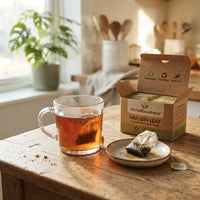
Ethical Sourcing and Transparency: A Beginner’s Guide to Choosing Mullein Tea Bags

Enjoying a warm cup of mullein tea starts long before the herbs reach your teacup. As more ingredient‑conscious consumers look for plant‑based beverages with genuine transparency, the terms “ethical sourcing” and “sustainability” appear in more places than ever—especially on tea bag labels. What does it all mean? This beginner’s guide unpacks what ethical sourcing really looks like for mullein tea bags, offering approachable ways to evaluate claims, decode labels, and ask purposeful questions. Whether you’re new to herbal teas or a seasoned sipper seeking clearer, more responsible options, understanding these basics will help you support clean practices and empowered communities.
Understanding Ethical Sourcing in Mullein Tea Bags
Ethical sourcing refers to the practices companies use to obtain their ingredients in ways that value people, planet, and process. For mullein tea bags, this means ensuring the mullein leaves were grown, harvested, and processed with respect for both farmers and the environment. Ethical sourcing aims to balance quality, working conditions, fair pay, biodiversity, and responsible resource use.
Key Principles of Ethical Sourcing:
- Fair Compensation: Farmers and workers are paid fairly for their labor and resources.
- Safe Working Conditions: Environments where safety and dignity are prioritized over profit.
- Environmental Stewardship: Farming that avoids harmful chemicals, preserves soil health, and reduces waste.
- Community Investment: Brands intentionally uplift the communities where mullein is grown, by investing in education, healthcare, or infrastructure.
In the world of herbal teas, ethical sourcing isn’t just about doing “less harm”—it’s about active care for both people and planet through every link in the supply chain. For those who also enjoy diverse plant-based infusions, options like Organic Papaya Leaf Tea | 24 Premium Bags – Caffeine-Free can complement your ethical wellness routine.
Why Transparency Matters When Choosing Mullein Tea
Transparency means openness—clear, truthful information about where mullein comes from, how it’s grown, and whose hands help it reach your shelf. In practice, transparency enables consumers to trace a product’s journey and understand its impact.
When a mullein tea company is transparent, you can usually find:
- Origin Details: Regions, cooperative names, or even farmers’ stories on the label or website.
- Processing Information: If leaves are sun-dried, air-dried, or gently handled to preserve purity.
- Ingredient Integrity: Assurance that what’s in your tea bag matches the description—ideally, 100% mullein leaf with no hidden fillers.
Transparency also allows for independent verification of claims—through certifications, supply chain documents, or direct communication with the brand. When browsing various options, opting for authentic Mullein Leaf Tea Organic 24 Bags | Respiratory & Lung Wellness Support can help you keep your own sourcing standards high.
Decoding Common Ethical Sourcing Terms on Tea Bags
Shopping for mullein tea, you’ll encounter a range of familiar and not-so-familiar ethical claims. Here’s what several of the most common terms really mean:
Fair Trade
Fair trade teas are sourced under standards that aim to guarantee safe working conditions, environmental protection, fair wages, and direct trade relationships. For mullein tea, fair trade certification suggests the farmers who grew and harvested the leaves receive fair payment, work safely, and may benefit from community development initiatives.
Traceability
Traceability means that a tea’s journey from farm to bag can be tracked at every step. Truly traceable mullein tea will include batch numbers, farm details, or QR codes directing you to an online map or farmer story. This helps ensure ethical standards are actually met throughout sourcing and production.
Farmer Partnerships
Strong supplier relationships—sometimes called direct or farmer partnerships—indicate a brand works closely with the people growing mullein. These relationships often move beyond simple transactions to involve ongoing feedback, pre‑harvest support, or long‑term contracts that help farmers plan their livelihoods. Ingredient-conscious shoppers who want supply chain accountability may also consider herbal blends such as Guava Leaf Tea Organic 24 Bags | Immunity & Gut Wellness – Caffeine-Free.
Compostable Packaging
Compostable tea bag materials are designed to break down into natural elements when disposed of in a commercial or home compost. This goes beyond recyclable and biodegradable packaging by ensuring less waste in landfills and cleaner disposal options. Look for specific compostable certifications or clear details about proper disposal. If minimizing environmental impact is important to you, options like Bamboo Leaf Tea 24 Bags | Nature's Silica – Collagen & Biotin Support often use plant-based, earth-friendly packaging.
Environmental Practices: What to Look for in Mullein Tea Bags
Consumers interested in sustainable mullein tea have more options than ever. Some key questions and label terms can help you judge a brand’s environmental ethos:
- Organic or Regenerative Claims: Organic mullein tea is cultivated without synthetic pesticides or herbicides. Regenerative claims may indicate a focus on improving soil health, conserving water, or restoring habitats.
- Low‑Impact Packaging: Many ethical brands offer plastic‑free, unbleached, or certified compostable tea bags and boxes. This reduces pollution and supports eco‑friendly disposal.
- Small Batch or Single‑Origin: Small‑batch or single‑origin teas often reflect intentional sourcing and provide better opportunities for transparency and community accountability.
If you’re seeking a curated introduction to eco-conscious blends, a Organic Herbal Tea Trio – Build-Your-Own Bundle | Mix & Match Any 3 USDA Organic Herbal Teas & Save 20% is a smart, flexible place to start.

Reading and Interpreting Tea Labels for Supply Chain Clarity
Labels are your first window into a brand’s values and sourcing strategy. Here’s how to read labels with a curious, critical eye:
- Check for Certification Seals: Logos from reputable organizations (like Fair Trade, Rainforest Alliance, USDA Organic) commonly support a brand’s ethical claims.
- Find Origin Transparency: Quality brands often print country, region, or even farm(s) of origin, signaling a willingness to share sourcing details.
- Look for Packaging Details: Words like “compostable,” “plastic-free,” or “plant-based” show a broader environmental commitment.
- Notice Ingredient Listing: Pure, single‑ingredient mullein leaf is often a positive sign. Be wary of unnecessary fillers or vague terms. Herbal blends like Soursop Leaf Tea | Organic Graviola 24 Bags | Soursop Tea Benefits for Immunity & Wellness also often display clear ingredient lists and sourcing transparency.
Questions Curious Shoppers Can Ask About Mullein Tea Sourcing
Making more ethical choices sometimes means going a step further and asking questions—either in‑store, by email, or through social channels. Consider these sample questions:
- Can you tell me where the mullein in these tea bags is grown and who produces it?
- What certifications does your mullein tea carry, and what do they mean in practice?
- Are your tea bags compostable? What materials are used?
- How are farmers or growers supported beyond fair pay?
- Do you use regenerative or organic farming practices?
Brands deeply committed to ethical sourcing and transparency are generally happy to provide clear answers.

The Value of Supporting Transparent and Ethical Tea Brands
Choosing mullein tea bags from transparent, ethical sources supports global well-being. It empowers farming communities, rewards responsible environmental behaviors, and encourages sustainable supply chains. For ingredient-minded shoppers, the value goes beyond individual health to echo larger social and environmental ideals.
A transparent mullein tea company often invites customers to become part of the journey. By prioritizing clear labels, authentic stories, and open communication, these brands foster a culture where quality and responsibility truly matter. Ingredient-conscious choices, even at the entry-level, can inspire bigger changes in the world of herbal teas. If you’re seeking a plant-forward supplement beyond the tea bag, consider Mullein Leaf Organic 15X Liquid Extract | Respiratory & Lung Wellness to support your respiratory wellness goals.

Summary: Empowering Your Mullein Tea Choices
Ethical sourcing and transparency are more than buzzwords when it comes to mullein tea bags—they reflect a commitment to honoring every person and process involved in delivering real, plant-based wellness. By familiarizing yourself with the language of ethical sourcing, checking for trusted certifications, and asking thoughtful questions, you can make mindful, responsible choices every time you steep a cup of mullein tea.
FAQs:
- What does ethical sourcing mean for mullein tea bags?
Ethical sourcing in mullein tea bags refers to practices that prioritize fair compensation, sustainable farming, safe conditions, and transparency throughout the supply chain. This ensures the tea is produced with respect for both people and the environment.
- How do I know if a mullein tea is ethically sourced?
Check for third-party certifications like Fair Trade or USDA Organic, clear origin information, and transparent sourcing details on the brand’s label or website. Asking direct questions can also help clarify their practices.
- Why is compostable packaging important for mullein tea bags?
Compostable packaging reduces landfill waste and supports eco-friendly disposal. Choosing mullein tea bags made from compostable materials lowers your environmental footprint and supports sustainable practices.
- What is the difference between fair trade and traceable mullein tea?
Fair trade mullein tea is certified to ensure producers receive fair wages and safe working conditions. Traceable mullein tea can be tracked at every stage, often providing more information about the tea’s exact origin and journey.
- Can I ask a tea company about their sourcing practices?
Yes. Ethical and transparent brands welcome questions about sourcing, packaging, and farmer support. Look for companies that provide clear, honest answers about how their mullein tea is grown and processed.
- What are some key labels to look for on ethical mullein tea bags?
Look for recognized certifications such as Fair Trade, Rainforest Alliance, or USDA Organic, along with terms like ‘compostable,’ ‘plant-based,’ or ‘single-origin’ for additional transparency and environmental responsibility.
Author Name:
Herbal Goodness Editorial Team
Author Bio:
The Herbal Goodness Editorial Team specializes in holistic health and superfoods, blending science and nature to educate and empower our community.
References:
Introducing Graviola to Young Taste Buds: Fun, Family-Friendly Flavor Exploration
Graviola in the Classroom and at Home: Creative Activities to Teach Kids About Tropical Plants
Why Social Impact Matters in Plant-Based Wellness