





Do Papaya Seeds 'Get Rid of Worms'? How to Evaluate Herbal Claims Online

Do Papaya Seeds 'Get Rid of Worms'? How to Evaluate Herbal Claims Online
In today’s wellness landscape, social media is flooded with bold claims—none more viral lately than the idea that papaya seeds can ‘get rid of worms’. If you’ve spent time scrolling through TikTok or Instagram, you’ve likely seen videos filled with dramatic testimonials, before-and-after photos, and homemade mixtures promising quick results. But how do you separate fact from fiction? This guide teaches you to approach these trending topics with a critical eye, spotlighting practical steps for evaluating herbal claims about papaya seeds and their supposed effects on worms. We’ll focus on media literacy, science assessment, and safe ways for curious readers to verify information.
Why Papaya Seeds and Worms Became a Viral Wellness Topic
Origins of Papaya Seed Worm Claims
The popularity of natural remedies has pushed papaya seeds into the spotlight, with many platforms echoing that they’ve been “traditionally used” in some cultures for digestive wellness. Posts often reference ancient practices or snippets from small studies, sometimes stretching cultural wisdom into modern miracle cures. The controversy has become a case study for how herbal trends spread—and why careful evaluation is more important than ever.
The Role of Social Media in Shaping Beliefs
Platforms like TikTok, Instagram, and YouTube accelerate the reach of wellness narratives. Algorithms favor content that’s sensational and viral, not necessarily accurate. Often, one striking story sparks hundreds of copycat posts, creating a feedback loop that feels like consensus. But a social following doesn’t replace a scientific foundation. Understanding how these trends catch fire is the first step in being a savvy wellness consumer.
Spotting Red Flags in Herbal Health Claims
Not every health claim is created equal. Here are some signs that a post about papaya seeds and worms may be stretching the truth or skipping vital context:
1. Overly Dramatic or Absolute Language
- Phrases like “miracle cure,” “guaranteed results,” or “doctors hate this trick” are classic red flags.
- Posts making broad promises with little evidence likely deserve skepticism.
2. Lack of Source or Vague References
- Genuine wellness advice is grounded in reliable research or real-world experience, not just personal anecdotes or hearsay like “It worked for me!”
- Phrases like “studies show” or “experts say” should always be followed by direct, reputable sources.
3. No Mention of Risks or Limitations
- Reliable content addresses safety, possible side effects, and when to consult a professional.
- Any claim that skips these discussions may be oversimplified.
4. Use of Anonymized or Stock Testimonials
- Real scientific findings rarely rely on stock photos or anonymous quotes as proof. Critical readers should expect real details and transparency.
How to Assess Herbal Claims: A Step-by-Step Guide
Being health-literate online means knowing where to look and how to analyze what you find. Use the following steps to assess the credibility of any papaya seed worm claim you encounter.
Step 1: Identify the Type of Source
- Is it a peer-reviewed scientific study, a news article, a personal blog, or a social post? Each has a different level of credibility.
- For complex claims, seek out government, university, or established health organizations.
Step 2: Check for Peer-Reviewed Evidence
- Peer-reviewed studies are research articles vetted by other experts in the field before publication. These often form the backbone of trustworthy advice.
- Case reports, animal studies, or test-tube experiments are early stages; they do not carry the weight of large, well-designed human studies.
Step 3: Read Beyond the Headline
- Headlines are written to grab attention, not to inform completely.
- Always dive into the full text: Does the article or post explain where the information comes from? Are limitations, sample sizes, and methods discussed?
Step 4: Consider Study Size and Design
- Sample Size: Was the study conducted on a handful of individuals or a large, diverse group?
- Study Design: Was it observational, interventional, randomized, or blinded? These details matter for understanding what the results actually suggest.
- Length of Study: Short-term results can be quite different from long-term outcomes.
Step 5: Look for Multiple Sources
- One small study is usually not enough. Reputable claims are echoed by multiple, independent resources over time.
- Scientific consensus evolves—check for reviews and meta-analyses, which summarize large bodies of research.
Understanding How Scientific Claims Evolve in Herbal Wellness
“Traditionally Used” vs. Scientifically Proven
You may notice “papaya seeds have been traditionally appreciated for digestive support.” That means there’s a history of use in traditional or folk practices rather than contemporary research fully validating these roles for everyone.
Traditional uses offer valuable context, but modern science often requires wider testing and rigorous studies before drawing broad conclusions.
The Difference Between In Vitro, Animal, and Human Studies
- In Vitro: Performed with cells in a petri dish. Results may not translate directly to the human body.
- Animal Studies: Conducted on non-human subjects. Helpful but not decisive for human wellness.
- Human Clinical Trials: The gold standard—but must be well-designed and published in reputable journals.
Papaya seeds have been studied in various settings, but claims about eliminating worms come mostly from early-stage or animal research. Large-scale, controlled human trials are limited or ongoing.
If you’re curious about digestive health benefits from papaya-based products, consider the broader spectrum of herbal options. For example, Papaya Leaf Extract - Organic 1oz 15X Liquid - Blood Platelet is formulated for general wellness and may support gut function in line with traditional uses, though not specifically as a proven anti-parasitic.

Questions to Ask Before Trying Herbal Remedies from Social Media
- What type of evidence supports this claim?
- Is the information coming from a peer-reviewed study, or is it anecdotal?
- Has the safety been addressed? Are possible side effects mentioned?
- Are there recommendations to consult a professional before use?
- Does the post link to original or independent research?
Practicing “pause and verify” can save you time, money, and risk—especially with remedies that circulate widely online. When considering supplements for digestive wellness, Papaya Seed Powder - 60/600mg Capsules - Gut & Colon Cleanse offers a convenient, standardized way to add these ingredients under the guidance of a professional.
Reputable Sources to Consult for Herbal Information
Where to Begin Your Research
- National Institutes of Health (NIH), especially the Office of Dietary Supplements
- Medical university websites and publications
- Trusted nonprofit health organizations
- Health professionals familiar with both modern science and traditional uses
These groups regularly update their findings and do not rely on testimonials or hype.
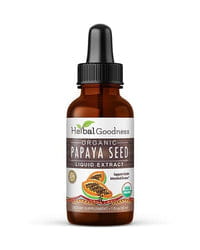
For those seeking liquid options, Papaya Seed - Organic 1oz 15X Liquid Extract - Colon & Gut Cleanse aligns with the tradition of digestive support, yet should be considered as part of an informed, holistic approach rather than a miracle solution for parasites.

How to Discuss Herbal Claims with Your Clinician
Approach your healthcare provider with specific questions:
- “What do you know about papaya seeds and their traditional uses?”
- “Are there any recent, large-scale studies on this topic?”
- “What are the potential risks or interactions for me?”
If your practitioner is unsure, request referrals or recommendations for evidence-based resources. They may also recommend other blends, such as Body Detox with Papaya Seed - Organic 1oz 15X Liquid Extract - Intestine & Gut Cleanse, designed to support overall gut cleansing based on herbal traditions.
How to Interpret Popular Headlines About Herbal Remedies
Common Headline Tactics
- Engaging headlines may suggest bold results, but they often oversimplify or exaggerate the study’s real findings.
- Look for reputable journalism that includes quotes from established clinicians, summaries of the research, and statements about what’s yet to be proven.
Best Practices for Readers
- Always seek the “fine print”—does the story mention sample size, study design, or conflicting results?
- Notice who is quoted: Are they recognized in the field, or paid to endorse products?
Safe Next Steps for Curious Readers
If you’re interested in learning more about papaya seeds or any other popular herbal remedy:
- Start with reputable science and official guidelines.
- Avoid jumping into protocols based solely on viral videos or trends.
- If you’re curious about trying an herbal product, discuss it with a health professional first, especially if you have unique wellness concerns or use other supplements.
- Document your source whenever sharing tips with family or friends.
When personalizing your wellness journey, products offering digestive and gut support, such as Papaya Leaf Extract - Capsules 600mg - 10X Strength, may be considered as a complement to your research, in collaboration with your healthcare provider.
Final Thoughts: Practicing Media Literacy in the Wellness World
Social media offers an exciting window into global traditions and new research, but not everything viral is valid. Papaya seeds and worms is just one example of how herbal claims move from tradition to trend. With a little critical thinking and smart questioning, you’ll know how to navigate wellness information with confidence.
FAQs:
- Are papaya seeds scientifically proven to eliminate worms?
Most claims about papaya seeds and worms come from preliminary or traditional sources. While some early-stage research explores their properties, there is not enough large-scale, peer-reviewed human data to confirm broad effects. It’s important to consult reputable sources and a healthcare professional before trying any remedy.
- What are the risks of relying on viral wellness advice?
Viral advice can sometimes overlook important safety details, share incomplete summaries of research, or use testimonials without science. Relying solely on social trends may increase the chance of misunderstanding, disappointment, or exposure to possible side effects.
- How do I know if a health claim is trustworthy?
Check for peer-reviewed research, clarity about sample size and study design, transparent discussion of risks, and whether multiple independent sources confirm the claim. Be cautious with absolute statements and anonymous testimonials.
- What questions should I ask my healthcare provider about papaya seeds?
You can ask about the evidence for papaya seeds, their traditional uses, possible risks, interactions with other supplements, and whether new research has emerged. Your provider may help you find reputable resources for further reading.
- Where can I find reliable information about herbal remedies?
Start with recognized institutions like the National Institutes of Health, medical university publications, and professional healthcare practitioners trained in both modern and traditional perspectives.
- Do testimonials or before-and-after photos count as evidence?
While personal stories can be interesting, they do not replace findings from controlled clinical research. Testimonials alone should not be the basis for making health decisions.
Author Name:
Herbal Goodness Editorial Team
Author Bio:
The Herbal Goodness Editorial Team specializes in holistic health and superfoods, blending science and nature to educate and empower our community.
References:
Introducing Graviola to Young Taste Buds: Fun, Family-Friendly Flavor Exploration
Graviola in the Classroom and at Home: Creative Activities to Teach Kids About Tropical Plants
Share this
Popular posts


FAQs
1. What are the main benefits of drinking bamboo leaf tea?
Drinking bamboo leaf tea supports hydration, relaxation, skin wellness, and antioxidant balance.
2. What is bamboo leaf extract used for?
It’s used for general body wellness, skin elasticity, hair and nail support, and overall vitality.
3. Can bamboo leaf help with skin care and body wellness?
Yes, bamboo leaf is rich in silica and antioxidants, which promote healthy skin, strong nails, and a youthful glow.
4. What forms of bamboo leaf are available?
You can find dried bamboo leaf, powder, extract, drops, oil, and bamboo leaf green tea.
5. Are there any side effects of bamboo leaf?
Bamboo leaf is generally safe when consumed in moderation. Always consult your healthcare provider before starting any new herbal supplement.