Decaf vs. Naturally Caffeine-Free: A Shopper’s Guide to Buying Truly Caffeine-Free Guava Leaf Tea
When shopping for a soothing afternoon cup, many people look for teas that are easy on the nerves and friendly to evening routines. The question of caffeine content is central, especially for those committed to truly caffeine-free choices like guava leaf tea. But not all “caffeine-free” teas are created equal, and confusing labels can complicate your search for the right blend. Understanding the difference between decaffeinated teas and those that are naturally caffeine-free helps you make confident buying decisions and avoid surprises. Let’s explore what sets these options apart, how to read labels for hidden caffeine, and the steps to choosing authentic caffeine-free guava leaf tea.
What Does Decaf vs. Naturally Caffeine-Free Really Mean?
When you see “decaf” on a box of tea, you might assume it contains no caffeine at all. However, "decaf" actually refers to a process in which most— but not all—caffeine is removed from naturally caffeinated ingredients. By comparison, herbs like guava leaf are naturally caffeine-free, meaning they never contained caffeine in the first place.
Decaffeinated Tea: Understanding the Process
- Source ingredients: Usually black, green, or oolong tea leaves, which naturally contain caffeine
- Decaf process: Physical or chemical methods extract most but not all caffeine; small traces often remain
- What remains: Up to 2–3% of the caffeine content can be left after decaffeination
Naturally Caffeine-Free Herbs
- Source plants: Herbs such as guava leaf, chamomile, rooibos, and peppermint
- Natural state: No caffeine present in the leaves or flowers being used for tea
- What you get: A beverage free from caffeine, no additional processing required
Knowing this difference is crucial if you are sensitive to caffeine, wish to avoid it for lifestyle reasons, or are seeking premium, truly caffeine-free teas.
Reading Labels: Caffeine Content and Ingredient Pitfalls
Labels are often your first line of defense when selecting a truly caffeine-free guava leaf tea. Not all labeling is straightforward, and even teas labeled “caffeine-free” may contain trace amounts, especially if blended with decaf or other ingredients.

What Labels Can (and Can’t) Tell You
- “Caffeine-Free” generally refers to herbal teas with no natural caffeine
- “Decaffeinated” means most caffeine has been removed, but not all
- “Low Caffeine” or “Reduced Caffeine” indicates some caffeine remains
Hidden Caffeine in Blends
Blended teas can add confusion. Guava leaf is naturally caffeine-free, but blends with green, black, or mate leaves may introduce caffeine—even if the blend is mostly herbal. Always check the full ingredient list:
- Single-ingredient teas: Best for certainty; 100% guava leaf, for example
- Herbal blends: Review each listed herb or tea; caffeine sources may be present
- “Natural flavoring” sometimes means added extracts—if derived from caffeinated sources, these could contribute caffeine
Why Certifications and Quality Seals Matter When You Buy
Certifications aren’t just marketing—they are trustworthy indicators of sourcing and ingredient integrity. Third-party marks such as “USDA Organic,” “Non-GMO Project Tested,” or “Certified Caffeine-Free” can offer additional peace of mind. Buying from established brands with transparent labeling, such as Herbal Goodness, can make it easier to shop with confidence.
Certifications to Look For
- Certified Organic: Indicates agricultural practices support natural plant characteristics
- Non-GMO Project: Ensures non-genetically modified ingredients
- Caffeine-Free Seal: Some reputable organizations certify absence of caffeine in finished products
Not every tea will feature all certifications, but those that do often provide clear documentation and ingredient traceability. For best quality caffeine-free guava leaf tea, seek these logos on the package.
Understanding Ingredient Lists: How to Spot True Caffeine-Free Guava Leaf Tea
The ingredient list is the most reliable place to confirm what’s inside your tea. Here’s how to decode ingredient panels when shopping or ordering online:
- Look for single-ingredient teas: The only ingredient should be “guava leaf” (or “Psidium guajava leaf”)
- Blends should be transparent: Each herbal or botanical used is listed individually
- No tea leaves (Camellia sinensis): If you see black or green tea listed, caffeine is likely present
- No yerba mate, cocoa shells, or guarana: These ingredients add natural caffeine
If you wish to buy or shop online for truly caffeine-free guava leaf tea, search for ingredient transparency on product pages and ask vendors for clarification if information is missing.
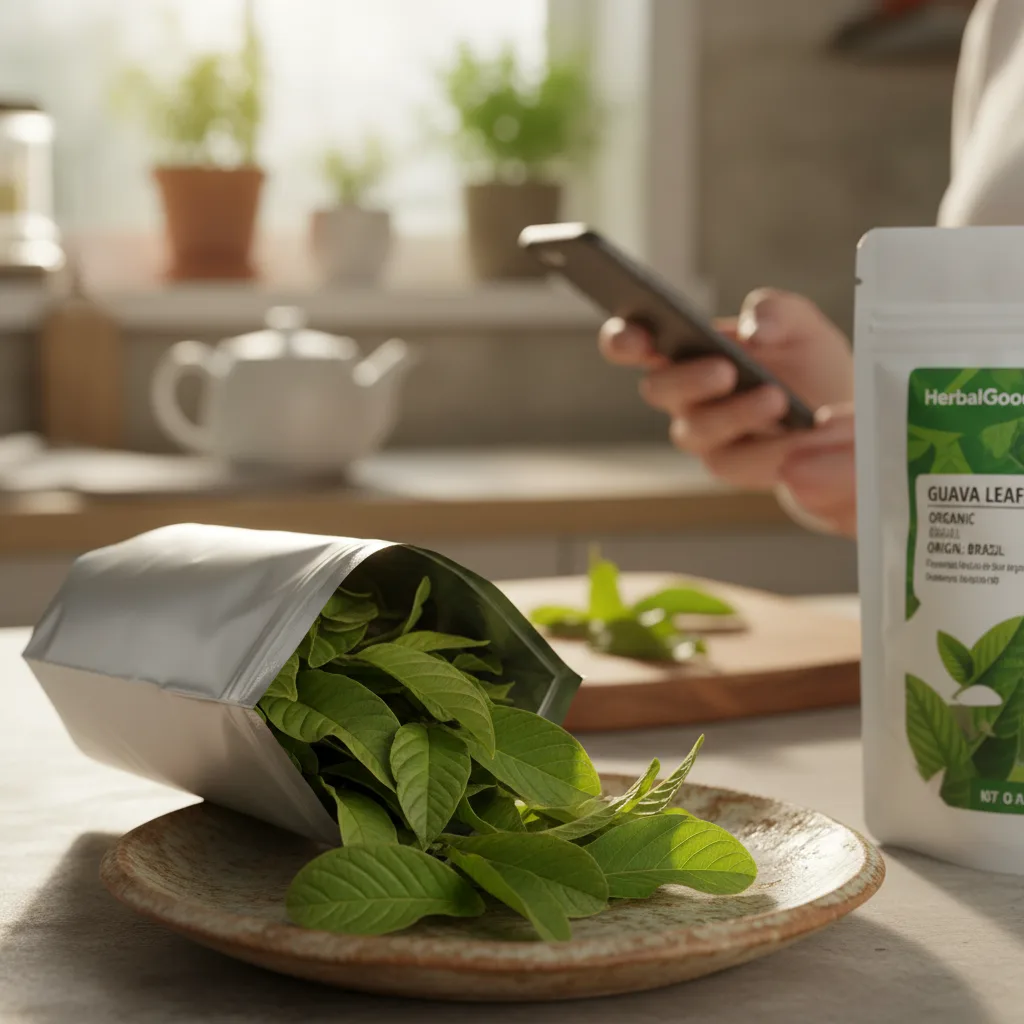
Packaging and Labeling: Red Flags and Smart Shopping Tips
Clever packaging can sometimes hide key details. Protect yourself by scrutinizing packaging claims, especially when searching for premium caffeine-free tea for sale.
Red Flags and What to Watch Out For
- Vague terms: “Herbal blend,” “wellness infusion,” or “energy-support” may mask inclusion of caffeinated components
- Small print: Decaf teas may mention “contains small amounts of caffeine” in fine print
- Out-of-date certifications or seals: Ensure certifications are current and authenticate by checking brand websites
Smart Shopping Tips
- Examine packaging language and symbols: Look for plain, direct statements like “100% naturally caffeine-free”
- Request lab reports or third-party verification: Some reputable brands offer detailed compositional reports
- Search for origin information: Where and how the guava leaves were sourced contributes to product transparency and premium quality
Why Guava Leaf Tea Is a Naturally Caffeine-Free Choice
Guava leaf tea stands apart as a naturally caffeine-free herbal beverage. The guava plant (Psidium guajava) produces no caffeine in its leaves, making it a pure option for those sensitive to stimulants or seeking peaceful, uninterrupted relaxation. When produced as a single-ingredient herbal tea, guava leaf tea offers simplicity and transparency shoppers can trust.
Key Benefits of Choosing Natural Caffeine-Free Over Decaf
- Reliable absence of caffeine: No chemical removal processes
- Pure botanical profile: Preserves natural plant compounds
- Ideal for any time of day: From morning ritual to nighttime wind-down
Identifying the Best Quality Caffeine-Free Guava Leaf Tea for Sale
Shopping for guava leaf tea involves more than just price or convenience. Consider these criteria when selecting premium, certified caffeine-free options:
- Sourcing: From reputable farms with ethical harvesting practices
- Production method: Careful drying and packaging to preserve freshness
- Third-party testing: Verifies absence of caffeine and contaminants
- Transparent labeling: Ingredient, origin, and certification details are easy to find
Herbal Goodness and similar trusted brands are known for prioritizing these standards when producing single-ingredient, naturally caffeine-free teas.

Understanding Certifications and Laboratory Testing for Caffeine Verification
Some suppliers and brands will display laboratory test results indicating caffeine content—even below measurable thresholds for truly caffeine-free products. A certificate of analysis can be a valuable tool if absolute assurance is a priority for you. Ask about this documentation when you order or buy online, especially if caffeine-sensitivity guides your shopping choices.
A Checklist for Buying Truly Caffeine-Free Guava Leaf Tea
As you browse shelves or shop online for the best quality guava leaf tea, keep this checklist handy:
- Look for “100% guava leaf” in the ingredients
- Avoid blended teas unless every ingredient is listed and confirmed caffeine-free
- Seek third-party certifications—organic, non-GMO, or caffeine-free verification
- Read the label for “decaf,” “reduced caffeine,” or vague herbal blend descriptors
- Check the brand’s website for lab results or detailed product transparency
When you tighten your focus on these specifics, you’re empowered to make fully informed caffeine-free choices and enjoy guava leaf tea with peace of mind.
FAQs:
- What is the difference between decaf and naturally caffeine-free teas?
Decaf teas start as naturally caffeinated (like black or green tea) and undergo a process to manage most caffeine, but may still contain traces. Naturally caffeine-free teas, such as guava leaf tea, come from plants that never contained caffeine, so there’s none present from the start. If you seek truly caffeine-free tea, opt for naturally caffeine-free options.
- How can I be sure my guava leaf tea is truly caffeine-free before buying?
Check the ingredient list—choose products that are 100% guava leaf with no added tea leaves, yerba mate, or other caffeine sources. Look for certified caffeine-free labeling, and if in doubt, ask brands for lab verification or third-party certifications.
- Do blends or flavored teas contain hidden caffeine?
Yes, some blends labeled as 'herbal' may combine guava leaf with green, black, or mate tea leaves, which contain caffeine. Always read the full ingredient list to spot any ingredients that naturally include caffeine.
- Are there trusted certifications to look for on caffeine-free guava leaf tea?
Yes, certifications like 'Certified Organic,' 'Non-GMO Project Tested,' and seals that say 'Certified Caffeine-Free' or similar can provide assurance. These certifications demonstrate ingredient purity and support informed purchasing.
- What are some red flags to watch for when shopping for caffeine-free guava leaf tea?
Vague terms like 'decaf blend,' unclear labeling, lack of ingredient transparency, or claims about 'reduced caffeine' are red flags. Always seek detailed labels and current certifications to ensure you’re buying truly caffeine-free tea.
- Can packaging or label claims be misleading when searching for caffeine-free teas?
Yes, packaging may highlight 'all natural' or 'decaf' even if small caffeine amounts remain. Only a fully transparent ingredient list and relevant certifications guarantee a genuinely caffeine-free purchase.
- Where can I buy premium, truly caffeine-free guava leaf tea?
Premium guava leaf tea that is naturally caffeine-free can be found at specialty stores or reputable online retailers that prioritize ingredient sourcing, transparent labeling, and third-party testing. Look for brands with a track record of quality and clarity.
Author Name:
Herbal Goodness Editorial Team
Author Bio:
The Herbal Goodness Editorial Team specializes in holistic health and superfoods, blending science and nature to educate and empower our community.
References:
Introducing Graviola to Young Taste Buds: Fun, Family-Friendly Flavor Exploration
Graviola in the Classroom and at Home: Creative Activities to Teach Kids About Tropical Plants