Dandelion Root Supplement Labels Explained: Standardized Extracts, Ratios & Carriers
Understanding Dandelion Root Supplement Labels: A Plain-English Introduction
Reading a supplement label can feel like deciphering a foreign language, especially if you’re new to natural wellness products like dandelion root. With terms like "standardized extract," "4:1 ratio," and various unfamiliar carriers or fillers, figuring out what’s actually in the bottle can be overwhelming. Thankfully, you don’t need a chemistry degree—just a little insight into what these terms mean and how they relate to your supplement’s quality, safety, and taste. This guide will empower you to make informed choices when evaluating dandelion root supplement labels, ensuring you're confident the next time you shop.
Why Dandelion Root Labels Are Unique
Dandelion root has a long history of appreciation in traditional herbal practices, and it’s now a popular ingredient in capsules, teas, tinctures, and powders. Because it’s consumed in so many forms, supplement labels for dandelion root contain details that can vary widely. Each wording on the label—from how the root was processed to which carrier was used—offers important clues about the supplement’s source, potency, flavor, and overall quality. Taking the time to compare label transparency is particularly helpful if you want to find herbs with clean sourcing or targeted compounds, such as those found in Dandelion Root Liquid Extract - Organic 1oz - Detox & Liver.
Extraction Methods: Water, Alcohol, and Glycerin—What’s the Difference?
The Basics of Extraction
When you see “dandelion root extract” on a label, it means that the active compounds in the root have been pulled out ("extracted") using a liquid solvent. The most common extraction methods for dandelion root involve water, alcohol, or glycerin. Each brings out different properties in the final product. Exploring different extraction options is also relevant with supplements like Papaya Leaf Extract - - Organic 16oz 15X Liquid Extract, which use similar labeling terminology.
Water-Based Extraction
Water extracts yield a product similar to strong herbal tea. This method is often used for capsules or teas and is valued for pulling out water-soluble nutrients. Water extractions typically have a milder flavor and are the foundation for most traditional herbal teas.
Alcohol-Based Extraction
Alcohol, often in the form of ethanol, is a powerful solvent. It can unlock more of the root’s phytochemicals—compounds that may not be as water-soluble. Alcohol-based tinctures generally offer a more robust, concentrated flavor and often have a longer shelf life because alcohol acts as a preservative. Tinctures such as Black Seed Oil 8oz - Cold-Pressed Liquid - Immunity & Wellness illustrate the value of understanding these solvent choices for shelf stability.
Glycerin Extraction
Vegetable glycerin is a gentle, sweet-tasting solvent that doesn’t contain alcohol, making it a popular choice for kids or anyone sensitive to alcohol. Glycerin extracts tend to be less intense in flavor and are sometimes used in liquid dandelion root drops. However, they may not draw out as broad a range of phytochemicals as alcohol.
Why the Extraction Method Matters
- Taste: Alcohol extracts are more pungent; glycerin is sweet; water is neutral or slightly bitter.
- Shelf Life: Alcohol preserves the longest, followed by glycerin; water-based products have shorter shelf lives.
- Compound Profile: Some compounds are more soluble in one solvent than another, affecting what’s actually delivered.
What “Standardized Extract” Means (and Why It’s on the Label)
Defining "Standardized"
“Standardized extract” is a labeling term that’s become common in herbal supplements, including dandelion root. This means the extract has been measured in a lab for a specific amount of a given compound (like "x% chicoric acid" in dandelion), and each batch is adjusted to meet that standard. In the herbal supplement industry, standardization is as much about maintaining consistent results as it is about transparency, an approach also taken with some pure herbal formulas like Dandelion Root Liquid Extract - Organic 1oz - Detox & Liver.
Why Companies Standardize Extracts
- Consistency: Herbal products are naturally variable. Standardizing ensures you receive the same amount of an active constituent every time.
- Transparency: It provides buyers with clear information about what is present.
- Quality Assurance: It gives an added layer of testing and validation to the product.
What Standardization Doesn’t Mean
It doesn’t mean the supplement is “stronger” or “more effective”—only that each batch matches the label’s stated compound percentage. Whole root, non-standardized products are also common, especially in traditional wellness culture. This distinction is found in bulk ingredient choices, such as Bulk Herbs & Roots - Organic 4oz Bags - Herbal Tea, where the emphasis is often on tradition rather than standardized composition.
Spotting Standardization on Labels
Look for lines such as “Standardized to 4% flavonoids” or “Standardized dandelion root extract (Taraxacum officinale), supplying 5% chicoric acid.” The percentage refers to the concentration of the specified compound, not the whole root.
Decoding Extract Ratios on Dandelion Root Products
What Are Extract Ratios?
When a dandelion root supplement claims “4:1” or “10:1” extract, it’s showing the concentration level compared to the original raw plant material. A “4:1” extract means four parts of whole dandelion root were used to make one part of extract.
How Does Ratio Affect the Supplement?
- Potency: Higher ratios suggest a more concentrated extract, but this isn’t always a guarantee of more active compounds—just concentration.
- Flavor & Bulk: Higher ratios mean less actual plant material per dose, which can affect taste and texture.
- Serving Size: More concentrated extracts require smaller servings to match what you’d get from a lower ratio product.
Key Takeaway on Ratios
A higher extract ratio signals more concentrated material but doesn’t always mean more of the beneficial compounds you want. Actual active constituent percentages (from standardization) give better insight into the product’s profile. Reviewing these numbers can be especially helpful if you are comparing with trusted supplements, such as Papaya Leaf Extract Blood Support - 10X 60/450mg Capsules - Blood Platelet.
Carriers and Fillers: Why They’re There and What to Watch For
What Is a Carrier?
A carrier is an ingredient added to the supplement to help deliver the dandelion extract or make it easier to process. In dandelion root supplements, common carriers include:
- Vegetable Glycerin: Provides texture and mild sweetness to liquid extracts.
- Water: Used in teas, capsules, powders, and for thinning liquid products.
- Alcohol: As a liquid or tincture base.
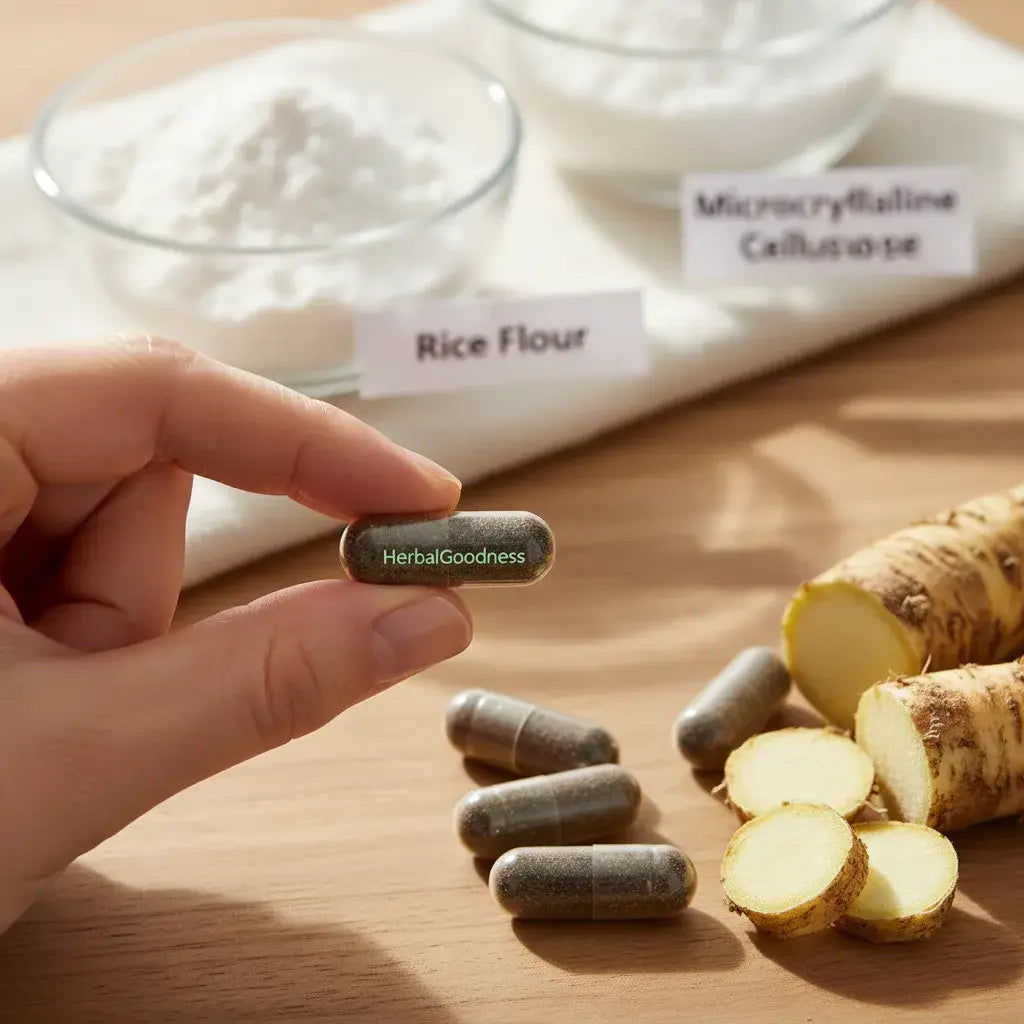
- Maltodextrin or Rice Powder: Added to powders and capsules, helps prevent clumping.
- Cellulose: Used as a capsule shell or to keep powdered extracts free-flowing.
Are Carriers Bad?
Not necessarily. Carriers often serve functional and safety purposes. However, if you prefer a minimal-ingredient supplement or avoid specific substances due to dietary needs, scan this section closely. For example, products like Dandelion Root Liquid Extract - Organic 1oz - Detox & Liver clearly list carriers and excipients, supporting ingredient transparency.
Fillers and Additives
Fillers, like magnesium stearate or silica, are sometimes used in capsules to aid manufacturing. These are generally considered inert and safe in small amounts but can be omitted by brands focused on purity or minimal processing. This is often seen in simple whole-herb teas, such as Soursop Leaf Tea Graviola Leaves - Organic 24/2g Tea Bags - Immunity & Cell Renew, where ingredient lists are intentionally short.
Certifications and Third-Party Testing: Which Matters Most?
The Role of Certifications
Credible certifications can help you identify higher-quality dandelion root supplements:
- USDA Organic: Indicates the dandelion used was cultivated without synthetic pesticides or fertilizers.
- Non-GMO Project Verified: Assures no genetically modified organisms are present.
- Vegan or Vegetarian: Specifies that all ingredients are plant-based.
- Gluten-Free: Certified to exclude gluten-containing grains.
Third-Party Testing Explained
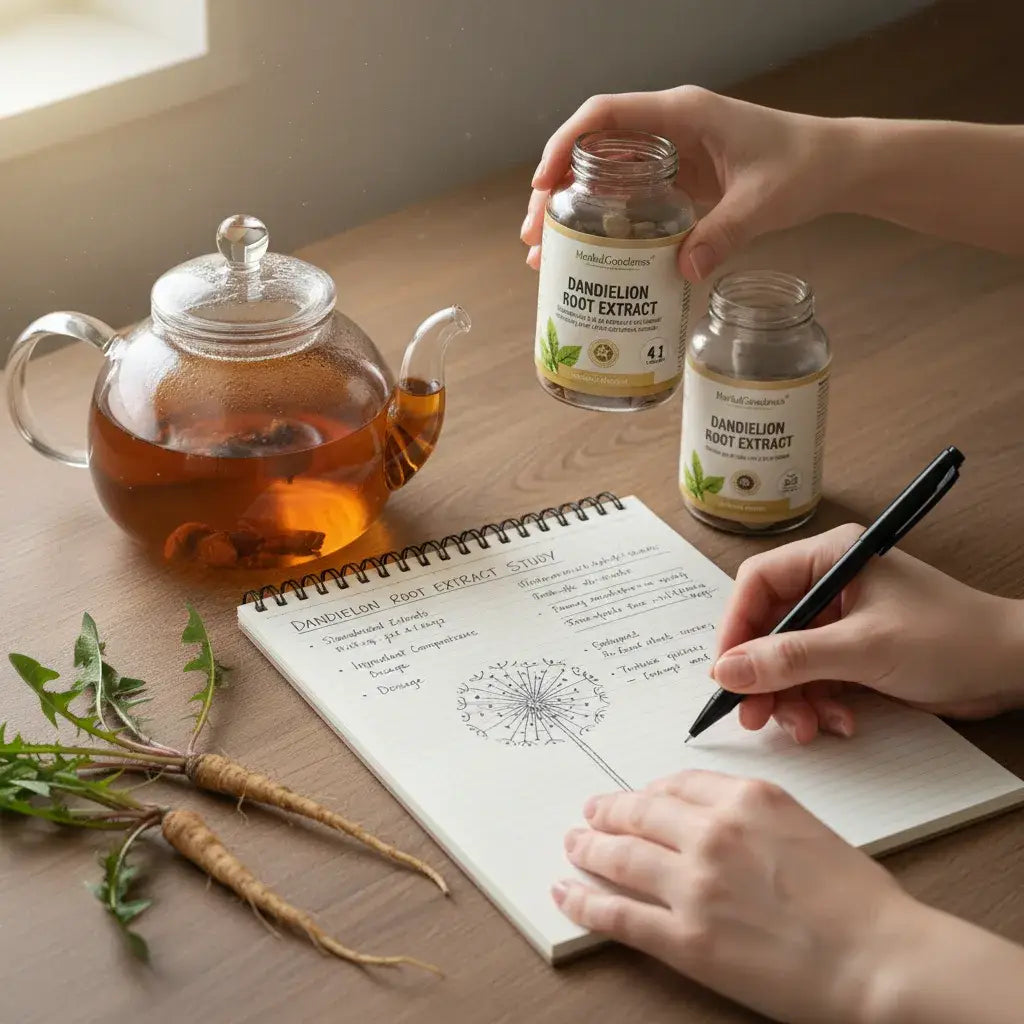
Look for labeling that notes “third-party tested” or “independent lab tested.” This means an outside laboratory has checked the product for quality, purity, and the quantities of claimed ingredients. Products with third-party verification offer an extra layer of reassurance, since the results aren’t self-reported by the manufacturer. For those seeking lab-verified purity, consider supplements with specific third-party testing, common among leading products like Papaya Leaf Extract - - Organic 16oz 15X Liquid Extract.
What Should Buyers Prioritize?
- Certifications that matter most to your personal or ethical standards
- Third-party or independent lab testing for purity and accurate labeling
- Transparent sourcing and ingredient lists that are easy to understand
Sourcing Transparency: From Field to Bottle
What Transparent Sourcing Means
Some dandelion root supplement labels will indicate where the root was grown, how it was harvested, and additional details about sustainability or fair trade practices. This transparency allows consumers to make informed choices based on environmental, ethical, or local-support priorities. You’ll often find thoughtful sourcing in herbal teas and dried bulk herb choices, such as Bulk Herbs & Roots - Organic 4oz Bags - Herbal Tea.
Why Sourcing Details Matter
- Ethical Considerations: Certifications can highlight fair labor and sustainable harvesting.
- Environmental Impact: Organic and wildcrafted sources typically report lower environmental footprints.
- Freshness & Flavor: Knowing the region of origin can hint at distinctive taste and aroma profiles.
How Label Terms Relate to Form, Flavor, Shelf Life, and More
Every phrase on a dandelion root supplement label tells a part of its story:
- Extraction method hints at concentration, taste, and shelf stability.
- Standardization and extract ratios suggest how consistent and potent each serving may be.
- Carriers and fillers contribute to product form, texture, and dietary suitability.
- Certifications and test results offer peace of mind about safety and ethical choices.
When shopping, align your priorities—whether taste, shelf life, purity, or sourcing—with the terms on the label. This way, you're empowered to make choices that best fit your needs.

Summary: Demystifying Your Dandelion Root Supplement Experience
Understanding supplement labels doesn’t require expert-level knowledge. With a little practice, you can make sense of standardized extracts, ratios, carriers, and certifications to pick a dandelion root product that aligns with your personal values and wellness goals. Paying attention to these terms can help you find higher-quality, more suitable options and enjoy the benefits that dandelion root is traditionally valued for.
FAQs:
- What does 'standardized extract' mean on a dandelion root supplement label?
A 'standardized extract' is one where the manufacturer has measured and adjusted the extract to ensure it contains a specific, consistent percentage of a particular compound, such as a certain kind of phytochemical. This provides predictable potency from batch to batch, but doesn’t necessarily mean the product is stronger—just more consistent.
- How do extract ratios like 4:1 or 10:1 affect my dandelion root supplement?
Extract ratios indicate the concentration of dandelion root in your supplement. A 4:1 ratio means four parts raw root were used for one part extract. Higher ratios may mean a more concentrated product, but it's important to check for actual standardized compound percentages for the fullest picture.
- Are carriers and fillers in dandelion root supplements bad for me?
Carriers such as water, alcohol, or glycerin serve important roles in extraction and preservation. Fillers help with manufacturing and texture. Most are considered safe; however, if you follow specific diets or prefer minimal ingredients, check labels to avoid substances you wish to limit.
- Why do some dandelion root supplements have third-party certifications?
Third-party certifications, like USDA Organic or independent lab testing, ensure the supplement meets certain standards for purity, sourcing, or ingredient claims. These certifications offer added buyer reassurance and may reflect higher transparency and quality controls.
- Does how the dandelion root supplement is extracted change the taste or shelf life?
Yes, extraction methods influence both flavor and shelf stability. Alcohol-based extracts tend to be bold in flavor and preserve the product longer, whereas water extracts are milder and glycerin extracts are sweet but may have a shorter shelf life.
- What should I look for first when comparing dandelion root supplement labels?
Prioritize standardized potency (if desired), transparency in sourcing, extraction method, relevant dietary certifications, and whether there is independent testing. These factors will help you pick a supplement that aligns closest with your values and expectations.
Author Name:
Herbal Goodness Editorial Team
Author Bio:
The Herbal Goodness Editorial Team specializes in holistic health and superfoods, blending science and nature to educate and empower our community.
References:
Introducing Graviola to Young Taste Buds: Fun, Family-Friendly Flavor Exploration
Why Social Impact Matters in Plant-Based Wellness