





Dandelion Root and Kidney Health: How to Understand Research Effectively

Introduction
The interest in traditional botanicals like dandelion root has surged, especially for those wanting to understand its value in wellness approaches traditionally associated with kidney function. When we read about herbs such as dandelion root and kidney health, it’s easy to encounter impressive claims, but knowing how to evaluate research behind these statements is vital. This article provides a primer on reading and assessing studies related to dandelion root and its connection to kidney wellness, discussing different types of evidence, key considerations, and smart safety questions. Whether you’re new to herbal research or seeking to make more informed choices, this guide will help you navigate the world of botanical evidence with confidence.
Demystifying Herbal Research: An Overview
Understanding evidence about plants like dandelion root starts with differentiating the major types of research. Each offers insight of varying rigor — knowing the differences empowers you to weigh claims wisely.
Traditional Use and Anecdotes
Dandelion root has a long history of traditional use, appreciated in various cultures for its role in herbal teas and natural wellness. While anecdotal reports provide initial clues about how people have valued dandelion root, they represent personal stories and experiences rather than structured research. These accounts are important, but their findings can't be generalized as scientific evidence.
Key Points:
Traditional use offers cultural context but does not replace systematic research.
Laboratory and Preclinical Studies
Much of the initial scientific investigation into botanicals like dandelion root begins in the laboratory. These studies test dandelion root extracts on cell cultures or animals, exploring underlying plant compounds and physiological processes. Such work helps scientists hypothesize the root’s potential effects in the body and uncover mechanisms, for example, how antioxidants found in dandelion root interact with cells.
However, lab findings can’t always be directly applied to people. The complexity of the human body and differences between laboratory settings and real-life conditions often mean subsequent research on humans is needed.
Human Clinical Studies
The gold standard in herbal research is the human clinical study, which observes the effects of a botanical like dandelion root in a structured, controlled environment. These can range from small pilot studies to larger randomized controlled trials. While these studies are important for drawing stronger conclusions, they are less common for botanicals than for pharmaceuticals due to regulatory, financial, and ethical considerations.
Summary of Evidence Types:
- Anecdotal evidence: Personal accounts/tradition
- Lab and animal studies: Process-focused, exploratory
- Clinical (human) studies: Highest standard, often limited in scope
Key Steps to Reading Studies on Dandelion Root and Kidney Health
Assessing the quality of a dandelion root study requires more than reading abstracts. Consider these core steps:
1. Identify the Study Design
Start by checking whether the study is observational or experimental, and whether it was conducted on humans, animals, or cells. Each design has strengths and limitations:
- Observational: Records natural use and outcomes without intervention. Useful for hypothesis generation.
- Experimental: Actively administers dandelion root; more likely to reveal potential cause-and-effect.
- Population: Human, animal, or in vitro (cells)—results vary widely in applicability.
2. Review Sample Size and Duration
A study observing just a handful of participants for a few days is less likely to provide reliable insights than well-controlled, long-term research involving more participants. Short-term findings may miss longer-term patterns or subtle changes.
3. Examine Dosage and Formats
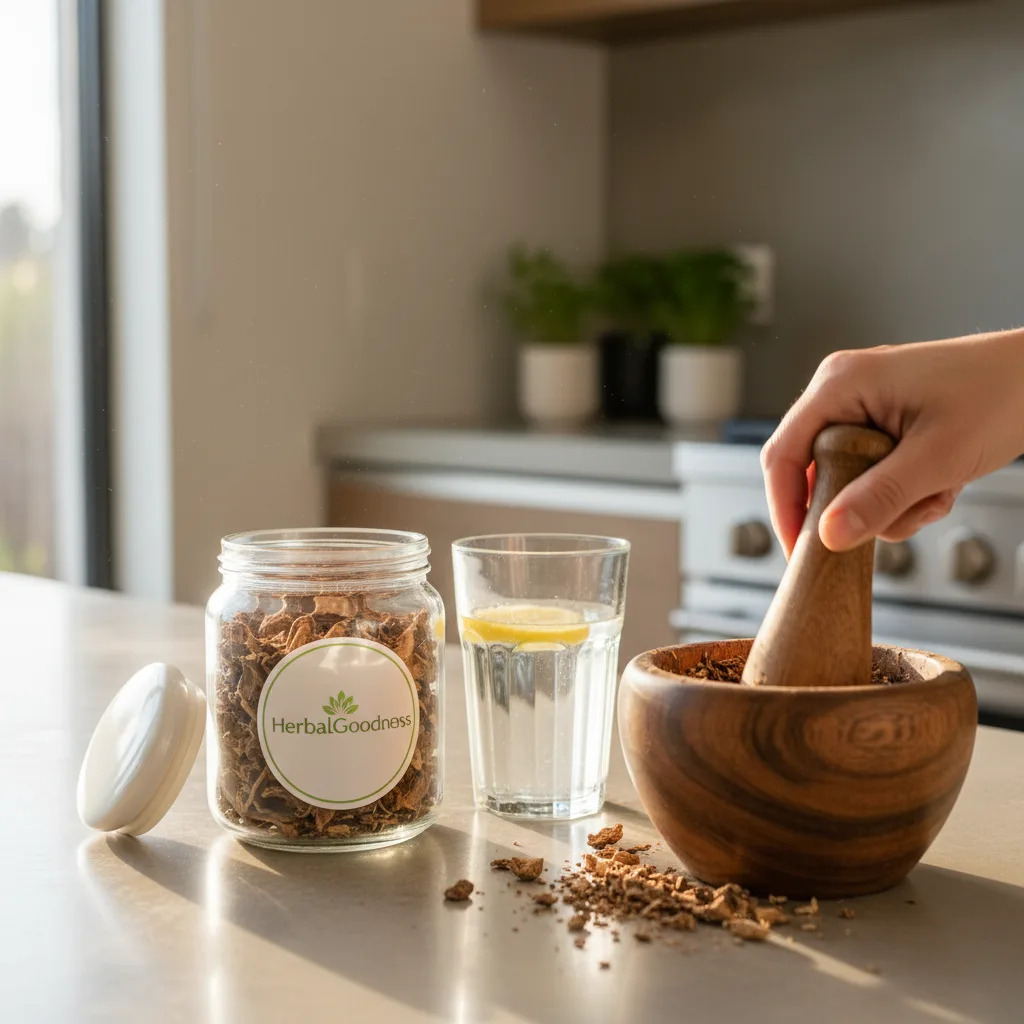
It’s vital to notice how dandelion root was prepared and administered—capsules, teas, or extracts—and at what amounts. Real-world usage might differ substantially from laboratory practice. This is also where brand standards and sourcing practices, such as those followed by Herbal Goodness, become contextually relevant, as they influence quality and consistency across studies.
4. Analyze the Outcomes Measured
Studies may look at a range of outcomes—from the movement of fluids to antioxidant activity. Consider whether the reported outcomes address the questions you’re curious about regarding wellness and kidney function, and whether the endpoints are meaningful for lifestyle choices.
5. Understand the Statistical Significance
Statistical significance indicates the likelihood that a result is not due to chance, but significance does not always equal practical relevance. Even if a finding is statistically strong, it may not translate to real-life impact.
6. Inspect Conflict of Interest and Funding Sources
Who funded the research? Was it an independent academic endeavor, or did a particular company sponsor the study? Transparency about funding and potential conflicts of interest helps you interpret results more critically.
Interpreting What Dandelion Root Studies Can and Cannot Tell You
Limitations of Animal and Laboratory Studies
While animal models and cell-based work provide critical insights about how dandelion root's phytonutrients might interact within a biological system, these results often differ when applied to complex human systems. It is important to approach findings from animal studies with curiosity but not to assume direct transferability to humans.
Contextualizing Human Studies
When human research on dandelion root and kidney health is available, it might involve small sample sizes or specific populations not representative of broader groups. Consider the details: Are subjects healthy adults, older individuals, or an entirely different group? How were wellness outcomes measured? Did the study control for lifestyle or dietary factors?
Piecing Together the Whole Evidence Picture
One single study rarely provides definitive answers. Peer-reviewed reviews, which pool multiple findings, are more likely to reflect the weight of current knowledge. Equally, the absence of robust clinical data does not necessarily negate years of traditional use, but adds a layer of caution to your consideration.

Practical Safety Questions When Reading About Dandelion Root
Safety is a vital factor when reviewing any botanical study, especially for botanicals with long tradition like dandelion root. Here are a few thoughtful questions to consider:
- Who participated in the research? Were there any populations excluded (e.g., pregnant individuals, children, those using other botanicals)?
- Were there any reported side effects or adverse responses? Responsible studies will note both positive and negative findings.
- How was the product sourced or standardized? Differences in preparation or quality can influence results and safety profiles.
- What is the duration of use in the study? Short-term trials may not capture full safety information related to prolonged use.
For those seeking alternatives or complementary options in their wellness journey, products such as Break those Stones Baby! - 2fl.oz - Kidney & Detox offer blends designed with kidney health in mind. Similarly, the Stone Breaker Chanca Piedra - 15X Liquid Extract - Kidney Health is formulated to support natural kidney function and may be considered by those interested in botanicals traditionally used for this purpose.
Making Sense of Herbal Research as a Curious Consumer
Taking an evidence-based approach doesn’t mean dismissing the traditional knowledge behind dandelion root, but instead, layering the richest available information to make personal wellness choices. Keep in mind:
- Evidence exists on a spectrum—from anecdote to rigorous human research.
- Laboratory results generate important hypotheses, but don’t always predict human experience.
- Differences in product quality, preparation, and usage patterns matter profoundly.
- A cautious, open-minded approach is wise when evaluating new research.
Herbal Goodness is committed to supporting transparent, informed wellness decisions by encouraging the evaluation of both scientific literature and longstanding traditional practices. Embracing blended knowledge allows for empowered choices on your wellness path.
A Smart Approach to Herbal Study Evaluation
When next encountering a claim about dandelion root and kidney health, use this checklist for mindful evaluation:
- What type of study is it (anecdotal, animal, in vitro, clinical)?
- Who funded and conducted the research?
- How long did the study last? How many participants?
- Were the findings statistically significant? Are they meaningful for your personal goals?
- How was dandelion root sourced, prepared, and dosed?
- Did the authors discuss safety and limitations?
Responsible interpretation can also benefit from looking at the composition or function of other natural products. For instance, examining detox-focused formulas such as the 15 Day Detox Capsules 60ct (600mg) may further illustrate how ingredients work in concert to support wellness routines.
By asking these questions, you can responsibly interpret headlines and draw your own conclusions about dandelion root’s role in traditional wellness approaches.
Empowering Your Research Journey
As herbal research continues to grow, being a savvy reader provides reassurance and a stronger voice in conversations about wellness. You needn’t be a medical professional to approach studies thoughtfully—curiosity, careful questioning, and balanced interpretation go a long way.
Remember: while studies can illuminate possibilities, wellness is a personal journey informed by many layers of knowledge, including modern science, traditional wisdom, and mindful observation.

FAQs:
- What makes dandelion root research challenging to interpret?
Dandelion root studies often use various preparations, populations, and endpoints, which can lead to varying results. Differences in study design, sourcing, and scale add to the challenge, so examining multiple types of evidence is helpful.
- Can traditional use of dandelion root substitute for scientific studies?
Traditional practices offer valuable context and firsthand knowledge, but they don’t replace systematic investigation. Blending traditional wisdom with modern research provides a fuller understanding.
- Why are most herbal studies conducted on animals or in labs?
Human trials can be costly, complex, and regulated, so initial research typically takes place in laboratory or animal models to explore potential effects and safety before moving to human studies.
- How important is the type of dandelion root preparation in studies?
The preparation—such as extract, tea, or capsule—can influence results, as different formats may contain varying concentrations or ratios of plant compounds. Noting preparation helps interpret findings accurately.
- What should I look for in a trustworthy herbal study?
Consider transparency in study methods, sample size, duration, controls, disclosure of funding, and balanced reporting of both strengths and limitations. Peer review and reproducible methods add credibility.
- Is it normal for herbal studies to show mixed results?
Yes. Herbal studies often feature diverse methods, populations, and measurements. Mixed results highlight the importance of reviewing the entire body of evidence and not relying on a single study.
- How can I use research findings for my wellness journey?
Use them as a guide to inform thoughtful decisions, pairing evidence with personal experience and, if needed, discussing with a qualified professional to tailor choices to your preferences.
Author Name:
Herbal Goodness Editorial Team
Author Bio:
The Herbal Goodness Editorial Team specializes in holistic health and superfoods, blending science and nature to educate and empower our community.
References:
A World Map of Adaptogenic Herbs: Origins & Traditions
Share this
Popular posts


FAQs
1. What are the main benefits of drinking bamboo leaf tea?
Drinking bamboo leaf tea supports hydration, relaxation, skin wellness, and antioxidant balance.
2. What is bamboo leaf extract used for?
It’s used for general body wellness, skin elasticity, hair and nail support, and overall vitality.
3. Can bamboo leaf help with skin care and body wellness?
Yes, bamboo leaf is rich in silica and antioxidants, which promote healthy skin, strong nails, and a youthful glow.
4. What forms of bamboo leaf are available?
You can find dried bamboo leaf, powder, extract, drops, oil, and bamboo leaf green tea.
5. Are there any side effects of bamboo leaf?
Bamboo leaf is generally safe when consumed in moderation. Always consult your healthcare provider before starting any new herbal supplement.