Chanca Piedra: How to Evaluate Online Claims and Herbal Information

Curiosity about chanca piedra often leads to a maze of articles, product descriptions, and bold headlines across the internet. With a legacy of traditional use and growing popularity, chanca piedra is frequently spotlighted in natural wellness circles. Yet, sorting trustworthy information from marketing hype can be challenging. Learning how to evaluate online claims about chanca piedra helps readers make confident and considered decisions before trying a new herbal preparation. This guide offers practical steps—free of technical jargon—so you can navigate online content with clarity and insight.
Making Sense of Chanca Piedra Headlines Online
Every day, catchy headlines about herbs like chanca piedra flood news feeds and health blogs. How do you tell which deserve your attention? Start by considering the purpose behind the headline. Is it to inform, attract views, or generate sales?
Spotting Sensationalism vs. Substance
-
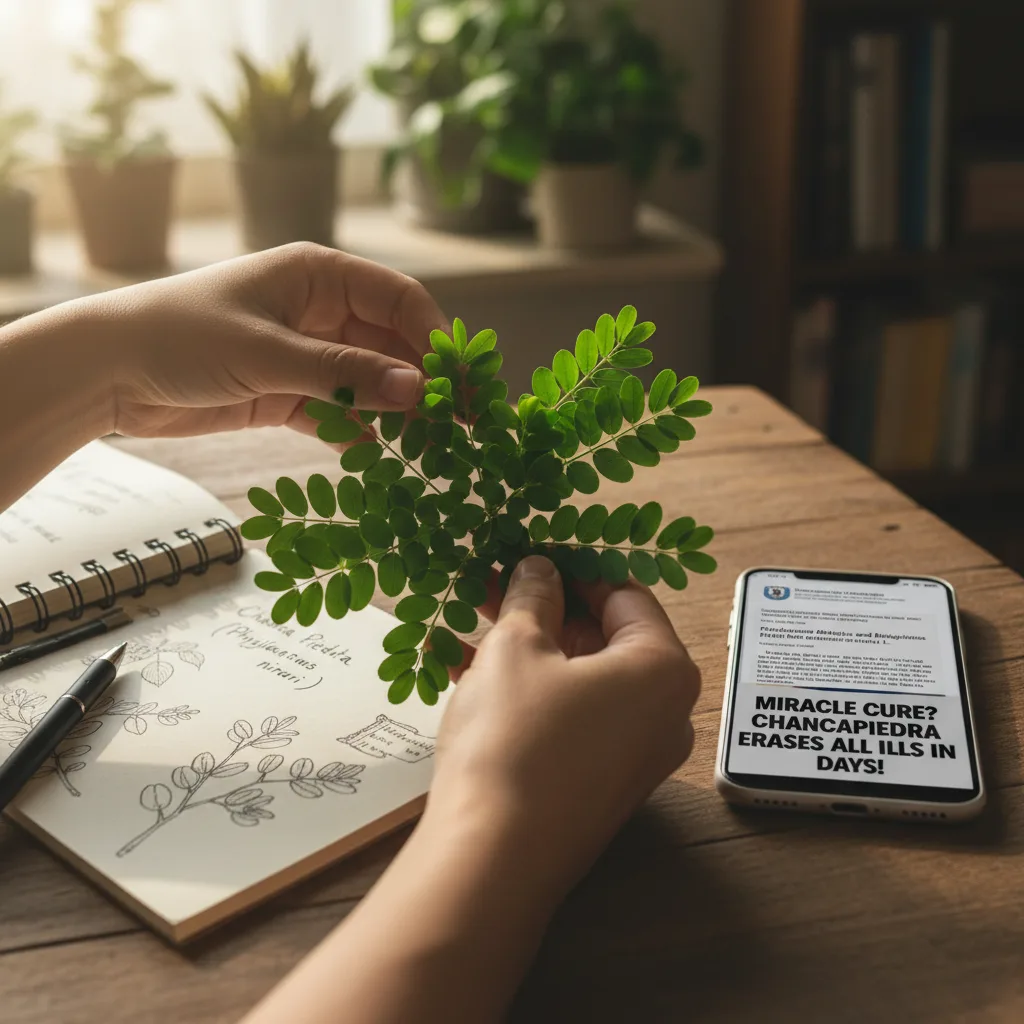
Sensational Headlines: Look for language that exaggerates, such as "miracle herb" or "nature's answer to…" These often promise more than they can reasonably provide.
-
Substantive Headlines: Effective headlines will name chanca piedra and indicate a balanced approach, such as "Research Explores Unique Properties of Chanca Piedra." These suggest a focus on sharing knowledge or discussing recent findings rather than making dramatic promises.
Before clicking, pause and ask:
- Is the headline using extreme or urgent language?
- Does it mention sources or research?
- Does it make promises or simply introduce a topic?
Evaluating the tone of a headline is a useful first filter for the quality of the content that follows.
Understanding the Difference Between Anecdotes and Evidence
Even within trustworthy media, stories about chanca piedra may include a mix of personal experiences and references to studies. Both have value but play different roles in conveying information.
What Is an Anecdote?
Anecdotes are personal stories—someone describing how chanca piedra was a part of their wellness journey. These stories are meaningful but do not represent broader patterns or universal outcomes. They offer encouragement but shouldn't be mistaken for scientific consensus.
What Counts as Evidence?
- Observational Studies: These look for patterns, such as how people using chanca piedra describe their experiences, without controlling all variables.
- Laboratory Studies: These test extracts of a plant like chanca piedra in carefully controlled environments to understand how various compounds behave.
- Traditional Use References: This includes citing how herbalists or local communities have valued chanca piedra over time.
When reading an online claim, check if it clearly labels information as traditional, anecdotal, or based on structured research. Responsible sources note the origin and limitations of their information.
Common Red Flags in Herbal Product Claims
The world of online herbal products is growing, and so are marketing strategies. Before considering a new form of chanca piedra, look for the following caution signs to help distinguish substance from sales tactics.
Red Flag 1: Overstated Benefits
Be wary of any product or article that guarantees specific outcomes or uses forbidden words related to health status or outcomes. Responsible brands and authors use language like “traditionally valued for” or “commonly appreciated,” steering clear of absolute promises.
Red Flag 2: Missing or Vague Sourcing Information
Quality matters in herbal preparations. Trustworthy sources will:
- Name the plant using its scientific and common name (e.g., Phyllanthus niruri, chanca piedra).
- Indicate where their plant material is grown.
- Provide clear information about extraction methods and ingredient quality.
Red Flag 3: Lack of Transparency About Formulation
Is it clear what part of the plant is used? Are ingredients, serving sizes, and preparation methods described? If not, it's best to pause.
Red Flag 4: Absence of References or Citations
Educational content about chanca piedra should cite traditional references, reputable studies, or authoritative herbal guides. Articles without any references may lack a solid basis.
Asking Smart Questions Before Trying Chanca Piedra
Empowerment starts with asking the right questions. Before adding any herbal ingredient to your wellness routine, consider the following:
- What is the source and quality of the chanca piedra? Look for specifics, such as wild-harvested or organically grown. You might also find value in examining ingredient standards found in Papaya Leaf Extract 16oz – Organic 15X Liquid Papaya Leaf Herbal Supplement for comparison.
- How is the herb prepared? Is it a loose-leaf tea, a liquid extract, or a capsule? The method of preparation can influence which plant properties are present. Those curious about capsules may want to review how products like Stone Breaker Chanca Piedra - Capsules 10X Extract 60/600mg - Kidney Health present their formulation details.
- Who is sharing the recommendation? Is the content creator an herbalist, a wellness writer, or a marketer? Reputable sources are transparent about their qualifications.
- Does the content distinguish between traditional use and modern research? Consider if claims are rooted in tradition, current research, or both. Many trusted brands provide clear distinctions in their educational materials.
- Is there a way to check referenced sources or suggested reading? The ability to follow up on cited research or articles helps confirm the reliability of the advice.
Reading Ingredient Lists and Product Descriptions Critically
When reading a product’s description—whether on a website or a package—take a closer look at the details provided.
Ingredient Clarity
- Look for full botanical names and specific plant parts mentioned (e.g., leaf, stem). Products like Stone Breaker Chanca Piedra - 15X Liquid Extract - Kidney Health often highlight transparency in their plant sourcing and part selection.
- Assess supporting ingredients, as some products blend chanca piedra with other botanicals or inactive ingredients. These should be clearly identified.
Preparation Method
- Is the preparation standardized or does it use traditional extraction techniques? Reading about the process can give clues about attention to quality and adherence to tradition.
- Do they discuss concentration? Details like "10:1 extract" reveal more about how potent a preparation may be. For instance, Papaya Leaf Extract - Capsules 600mg - 10X Strength provides measurable extract ratios in its description.
Brand Transparency (Including Herbal Goodness)
Reputable companies like Herbal Goodness typically provide information about sourcing, purity, lab testing, and sustainable harvesting practices. When brands openly discuss these aspects, it signals a commitment to consumer trust and product integrity—attributes valued by thoughtful consumers.

Decoding Language: Safe, Traditional, and Cautious Communication
Online content should communicate the breadth of traditional use without crossing into unsupported or impermissible territory. Look for language that signals care, such as:
- "Traditionally used by herbalists in regions where chanca piedra grows natively."
- "Appreciated for its unique combination of plant compounds."
- "Long incorporated into wellness routines among certain communities."
Such phrases reflect the plant’s history and qualities without making unfounded claims.
Why Quality and Source Matter With Herbal Preparations
Plant identity, sourcing practices, and careful preparation make a difference. Not all chanca piedra is cultivated or processed with the same intention or standards. For those monitoring source and preparation, inspecting options like the Papaya Leaf Extract Blood Support - 10X 60/450mg Capsules - Blood Platelet may provide perspective, especially when quality and lab testing are priorities.
- Wild-Harvested or Cultivated Ethically: Some herbalists favor wild-harvested plants, while others choose organic cultivation. Either way, clear sourcing practices help support consumer confidence.
- Testing and Purity: Reputable producers subject their ingredients to quality controls, sometimes mentioning third-party verification or lab analysis for purity and integrity. You will often see this highlighted with formulas such as Stone Breaker Chanca Piedra - 15X Liquid Extract - Kidney Health, which disclose their attention to processing and verification.
- Sustainable Practices: Ethical companies consider their impact on the environment and communities. Sustainable harvest and fair production contribute to better products and long-term plant availability.

Understanding these differences empowers you to be thoughtful and informed about your herbal choices.
Putting It All Together: Confident Herbal Decision-Making
Sorting through information about chanca piedra online becomes easier with practice. By:
- Reading headlines thoughtfully
- Distinguishing between story and evidence
- Identifying red flags
- Asking smart questions
- Examining ingredient and sourcing details
- Appreciating careful language use
You become a more confident participant in your wellness journey. Not only does this approach help protect your interests, but it also encourages more honest conversations among online communities, brands, and herbal advocates.
FAQ: Making Sense of Chanca Piedra Information
How can I tell if an online article about chanca piedra is trustworthy?
Look for balanced language, clear sourcing, transparency about preparation methods, and references to reputable sources or traditional uses. Beware of articles that use urgent or exaggerated claims and lack citations. Reviewing established supplement brands such as those producing Papaya Leaf Extract - Organic 1oz 15X Liquid - Blood Platelet can provide helpful benchmarks for transparency.
What’s the difference between a personal story and scientific evidence when learning about chanca piedra?
Personal stories (anecdotes) offer individual experiences but do not guarantee wider trends. Scientific evidence includes structured studies or referenced traditional practices and is generally more reliable for broad insights. Educational brands sometimes distinguish these perspectives clearly, as seen with Stone Breaker Chanca Piedra - Capsules 10X Extract 60/600mg - Kidney Health.
What are some red flags I should watch for in online herbal product listings?
Red flags include unclear sourcing, exaggerated outcome promises, vague ingredient lists, and missing references or context for the information shared. Often, detailed descriptions for Papaya Leaf Extract 10X - 600mg Capsule - Platelet & Digestive Aid illustrate the kind of transparency to expect.
Why does it matter whether chanca piedra is wild-harvested or cultivated?
Sourcing practices impact both the plant’s quality and sustainability. Good sourcing can reflect care for the environment, the community, and the final product’s integrity. Always review how companies like Herbal Goodness present their approach in items such as Papaya Leaf Extract Blood Support - Organic 1oz 15X Liquid Extract - Platelet Health.
Do product formats make a difference in chanca piedra’s qualities?
Yes. Traditional liquid extracts, teas, powders, and capsules may contain varying concentrations and combinations of plant compounds. Reading about preparation methods helps ensure you are making the right choice for your needs. The extract types seen in Stone Breaker Chanca Piedra - 15X Liquid Extract - Kidney Health or Papaya Leaf Extract 16oz – Organic 15X Liquid Papaya Leaf Herbal Supplement can help guide these choices.
How do I approach herbal claims responsibly without technical training?
Follow these steps: pause at sensational headlines, look for transparent sourcing and preparation details, appreciate language grounded in tradition, and seek out cited references whenever possible.
Where can I learn more about evaluating herbal information online?
Reputable academic institutions, herbalist organizations, and government health agencies often provide free education on herbal literacy and how to interpret claims critically.
Ready to Make Informed Choices?
Seeking knowledge is a powerful step towards a thoughtful herbal approach. Use these strategies as you explore more educational materials on chanca piedra and other botanicals, and continue developing your confidence as a conscious herbal wellness consumer.
FAQs:
- How can I tell if an online article about chanca piedra is trustworthy?
Look for balanced language, clear sourcing, transparency about preparation methods, and references to reputable sources or traditional uses. Beware of articles that use urgent or exaggerated claims and lack citations.
- What’s the difference between a personal story and scientific evidence when learning about chanca piedra?
Personal stories (anecdotes) offer individual experiences but do not guarantee wider trends. Scientific evidence includes structured studies or referenced traditional practices and is generally more reliable for broad insights.
- What are some red flags I should watch for in online herbal product listings?
Red flags include unclear sourcing, exaggerated outcome promises, vague ingredient lists, and missing references or context for the information shared.
- Why does it matter whether chanca piedra is wild-harvested or cultivated?
Sourcing practices impact both the plant’s quality and sustainability. Good sourcing can reflect care for the environment, the community, and the final product’s integrity.
- Do product formats make a difference in chanca piedra’s qualities?
Yes. Traditional liquid extracts, teas, powders, and capsules may contain varying concentrations and combinations of plant compounds. Reading about preparation methods helps ensure you are making the right choice for your needs.
- How do I approach herbal claims responsibly without technical training?
Follow these steps: pause at sensational headlines, look for transparent sourcing and preparation details, appreciate language grounded in tradition, and seek out cited references whenever possible.
- Where can I learn more about evaluating herbal information online?
Reputable academic institutions, herbalist organizations, and government health agencies often provide free education on herbal literacy and how to interpret claims critically.
Author Name:
Herbal Goodness Editorial Team
Author Bio:
The Herbal Goodness Editorial Team specializes in holistic health and superfoods, blending science and nature to educate and empower our community.
References:
Herbal Medicine: Biomolecular and Clinical Aspects – National Center for Biotechnology Information