Cat’s Claw Extract Prices and Availability: Key Factors to Know First

When shopping for cat’s claw extract online, you may notice prices rising and falling, or certain brands becoming unavailable at times. If you’ve ever wondered why these changes occur, the answer comes down to a combination of sourcing, harvesting seasons, plant species, processing differences, certification standards, and logistics hurdles. Informed shoppers know that these aren’t just random fluctuations—each factor directly shapes both the sticker price and how easily you can find a high-quality cat’s claw extract from reputable sources. Let’s take a closer, plain-English look at what really drives cat’s claw extract prices and availability online, and how you can make choices that serve your wellness goals and values.
Understanding Cat’s Claw Extract: The Basics Impacting Price
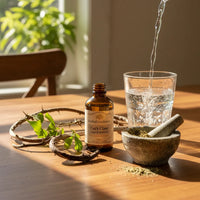
Before diving into the specific price influencers, it’s important to understand what cat’s claw extract is. Cat’s claw (Uncaria tomentosa) is a climbing vine traditionally found in the Amazon rainforest, long valued for its natural plant compounds. Extracts are produced by isolating bioactive components from the bark or root, resulting in various forms—liquid, powder, or capsule. But every bottle or jar of cat’s claw extract on the market represents many decisions, natural influences, and processes that together shape the final price and availability.
Wild-Harvest Seasonality: Why Timing Affects the Cost
Natural Harvest Cycles
Cat’s claw is predominantly wild-harvested from rainforest regions. Unlike crops cultivated on a set seasonal calendar, wild plants depend on unpredictable environmental factors. Rainfall, temperature, and the plant’s natural growth cycles dictate when it can be responsibly harvested. In some years, weather conditions support abundant harvests; in others, the yield is limited due to drought, storms, or conservation restrictions. Less harvest means less raw supply, impacting both wholesale and retail price points.
Sustainable Sourcing Practices
Responsible wild-harvesters aim to minimize ecological impact by only collecting mature vines and allowing younger plants to thrive. While these efforts help protect the environment, they can result in smaller harvests and occasional shortages, especially as sustainable sourcing becomes more widely adopted. If you notice certain cat’s claw extracts labeled as wild-harvested or sustainably sourced becoming less available, seasonal and ecological practices are likely factors. For those who value sustainable options, products with organic or Fair Trade certifications often ensure thoughtful wildcrafting along with clearer traceability than generic herbal goods.
Cat’s Claw Species and Plant Part: What Really Matters for Price
Different Species, Different Markets
Most cat’s claw extracts on the global market originate from Uncaria tomentosa, but a closely related species, Uncaria guianensis, is sometimes used. The chemical profiles and traditional uses of these species vary slightly, and some suppliers may command premium prices for extracts that highlight wild forest U. tomentosa. When comparing products, always check the species listed—products with verifiable sourcing and precise identification often cost more but may align better with traditional values.
Bark vs Root: Sourcing Influence
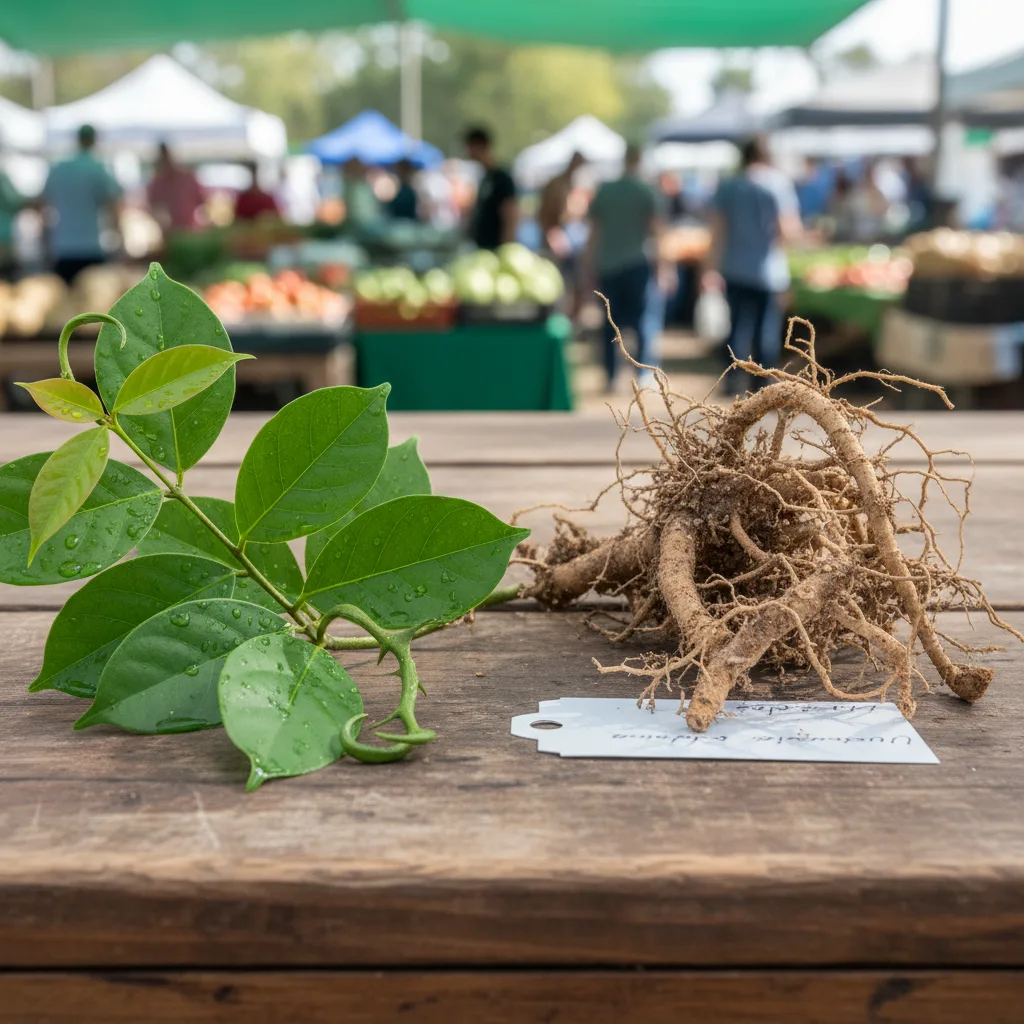
Extracts can be made from bark, root, or a blend of both. Many traditional uses focus on the inner bark. However, harvesting bark must be done with care to avoid harming the plant; root harvesting usually yields smaller quantities since the plant cannot regrow as readily. These supply constraints can raise pricing, particularly for strictly bark- or root-based extracts. If you are interested in other traditionally-valued rainforest botanicals, the Soursop Leaf Graviola Extract - Organic 15X Liquid Extract - Cell Renew & Immunity offers a comparative approach to plant sourcing and harvesting.
Processing and Purity: The Cost and Value of Clean Cat’s Claw Extracts
Extraction Methods Matter
Producing cat’s claw extract involves several steps: harvesting, cleaning, drying, extracting, and testing. Gentle extraction processes, like low-heat liquid extraction or ethanol-free methods, might yield smaller batches or require more time and specialized equipment. Brands focused on maintaining native plant compounds may charge more for extracts produced this way, reflecting the added labor and equipment costs. If you consult listings for Papaya Leaf Extract 16oz – Organic 15X Liquid Papaya Leaf Herbal Supplement, you’ll see similar attention to gentle extraction, which helps preserve beneficial compounds.
Purity and Contamination Controls
Some cat’s claw extracts are certified organic or non-GMO, while others are tested rigorously for heavy metals, solvents, or agricultural residues. Third-party verification and certifications (for example, USDA Organic or independent lab testing) involve extra steps but add assurance for purity-conscious shoppers. The more extensive the testing and certification, the higher the cost of goods sold, which is reflected in the full retail price. High transparency standards are also observed in options like Papaya Leaf Extract Blood Support - 10X 60/450mg Capsules - Blood Platelet, demonstrating that this approach is valued across premium botanicals.
Certifications and Quality Seals: What They Add to Cat’s Claw Extract Cost
Organic Certifications
Obtaining organic certification for wild-harvested herbs requires careful documentation and compliance with regulatory standards. This process is labor-intensive and often involves regular inspections from certifying bodies. Extracts labeled as organic may cost more, but the investment supports traceability and environmental stewardship. As with cat’s claw extract, products that showcase third-party validation are generally favorites among careful shoppers.
Fair Trade and Social Responsibility
Some extracts feature Fair Trade or similar certifications, which guarantee that wild-harvesters and processors receive equitable compensation. Meeting these standards entails additional costs and oversight, making these certified extracts more expensive but potentially more ethical and sustainable.
Supply Chain and Logistics: The Hidden Drivers of Online Availability
Shipping Constraints from Rainforest Regions
Most cat’s claw is grown far from major industrial centers. The logistics of moving raw plant material out of remote rainforest locations involve riverboats, trucks, and sometimes customs clearing. Global events, natural disasters, or geopolitical shifts can delay shipments—limiting stock, especially among specialty or boutique brands.

Global Demand and Market Trends
Growing interest worldwide in plant-based wellness products sometimes unexpectedly increases demand. Spikes in popularity can lead to temporary shortages or higher prices, until wildcrafting and supply chains catch up. Conversely, when demand is low, stock may become easier to find but prices can stabilize or even decrease. Keeping an eye on market movements in related products, such as Blood Platelet Plus - 60/600mg 20X Strength Capsule - Platelet Boost, helps informed shoppers anticipate availability trends.
Spotting Realistic Cat’s Claw Extract Listings Online
What to Look For in Listings
- Clear Species Information: Does the product specify Uncaria tomentosa or another species?
- Harvest or Production Dates: Products with recent harvest dates or clear batch information indicate fresher stock.
- Certifications: Look for visible, third-party certifications such as organic, Fair Trade, or independent testing.
- Ingredient Transparency: Trustworthy brands list exactly which plant part is used and extraction method.
- Batch Size and Origin: Small-batch or niche-extracted products may be priced higher but offer clearer traceability.

Avoiding Unrealistic Bargains
If a cat’s claw extract seems significantly cheaper than its competitors, consider why: Is it missing certifications or detailed sourcing information? Lower-priced listings may cut costs in wild-harvesting, testing, or third-party verification. Educated comparison helps spot realistic pricing and quality. The pricing of Papaya Leaf Extract - 1oz - Organic - 15X Liquid - Blood Platelet is shaped by similar transparency and testing standards, which are worth seeking out.
Planning Smart, Non-Salesy Purchases of Cat’s Claw Extract
Monitoring for Restocks and Seasonal Changes
Cat’s claw extract availability may fluctuate with the wild-harvest calendar. If a preferred product is out of stock, waiting until after traditional harvest times may boost selection. Signing up for brand restock notifications—without rushing into sales-heavy environments—can help you plan future purchases more calmly. Even for other wellness botanicals, such as Guava Leaf - Organic 15X Liquid Extract - Immunity & Herbal Health, seasonal trends can influence availability.
Prioritizing Your Values and Needs
Instead of purchasing based solely on price, consider certifications, tested sourcing, and extraction methods that align with your standards. For some, organic certification and fair-trade practices matter most; for others, it’s the use of a particular species or plant part. Transparency in listings is key. Many shoppers look for brands that prioritize both testing and origin clarity, as seen in the approach for cat’s claw extract.
Herbal Goodness and Informed Selection
Brands like Herbal Goodness often highlight their commitments to pure, clean, and responsibly sourced botanical extracts. When evaluating a brand, look for both what they promise and what they openly document—deep sourcing transparency, public test results, and origin stories can all signal commitment beyond the label. Other Herbal Goodness options, such as Moringa Leaf Extract - Organic 15X Liquid Extract - Immunity & Wellbeing, exemplify this trust-oriented approach for plant-based wellness.
Education Empowers Confident Choices
The more you learn about the influences driving cat’s claw extract prices and availability, the stronger your position as a shopper. By checking for species, harvest timing, processing methods, certifications, and supply chain details, you can select products that meet your standards—without falling for marketing hype. Wise, well-informed choices benefit not just individual shoppers, but also the communities and environments at the heart of the cat’s claw harvest.
As you explore the world of cat’s claw extract, take the time to learn about sourcing, seasonality, and certification to make choices that truly reflect your values and needs.
FAQs:
- Why do cat’s claw extract prices change throughout the year?
Cat’s claw extract prices can fluctuate due to wild-harvest seasonality, weather conditions in the rainforest, and supply chain disruptions. Limited harvest periods or transportation challenges may reduce availability and increase costs at certain times.
- Does the species of cat’s claw affect the price or quality?
Yes. Extracts from Uncaria tomentosa are often priced differently than those from Uncaria guianensis. Species impact both pricing and traditional values, with clear sourcing information typically commanding higher prices.
- How do certifications like organic or Fair Trade influence cost?
Certifications involve additional steps for documentation, inspection, and verification, which can raise production costs. Certified organic or Fair Trade cat’s claw extracts may be more expensive but usually offer greater transparency and oversight.
- Are cheaper cat’s claw extracts less trustworthy?
Not always, but very low prices may reflect less rigorous sourcing, limited quality testing, or absence of certifications. It’s important to check for clear labeling, transparency, and third-party verification when evaluating lower-priced options.
- What’s the best way to find reputable cat’s claw extract online?
Look for detailed product listings that include species, plant part used, extraction method, certifications, and harvest information. Brands that prioritize transparency and share batch information are more likely to offer high-quality products.
- Does organic certification guarantee clean cat’s claw extracts?
Organic certification supports traceability and stricter oversight but is one of several quality indicators. Comprehensive third-party testing and full label transparency further support confident purchasing decisions.
- How can I plan my purchase to avoid stock shortages?
Monitor brands for harvest updates and traditional restocking periods. Being aware of seasonality and signing up for restock notifications can help ensure timely, considered purchases.
Author Name:
Herbal Goodness Editorial Team
Author Bio:
The Herbal Goodness Editorial Team specializes in holistic health and superfoods, blending science and nature to educate and empower our community.
References:
Why Social Impact Matters in Plant-Based Wellness