Buying Oregano Oil from Abroad: Understanding Labels and Global Standards

If you’ve explored the world of oregano oil, you may have noticed a dizzying variety of options available from all over the globe. Shopping online or traveling abroad can reveal different brands, labels, and formulations, raising smart questions for the health-conscious and curious. This primer guides you through the essential differences in labeling, concentration, and international rules, so you can make informed decisions when considering oregano oil from outside your home country.
Exploring Oregano Oil Labels Across Borders
Oregano oil is a concentrated botanical extract long valued in a variety of traditions, but its labeling can differ greatly from country to country. If you’re comparing oregano oil internationally, understanding these label elements is the first step toward a confident choice.
Carvacrol Percentage: What Does It Mean?
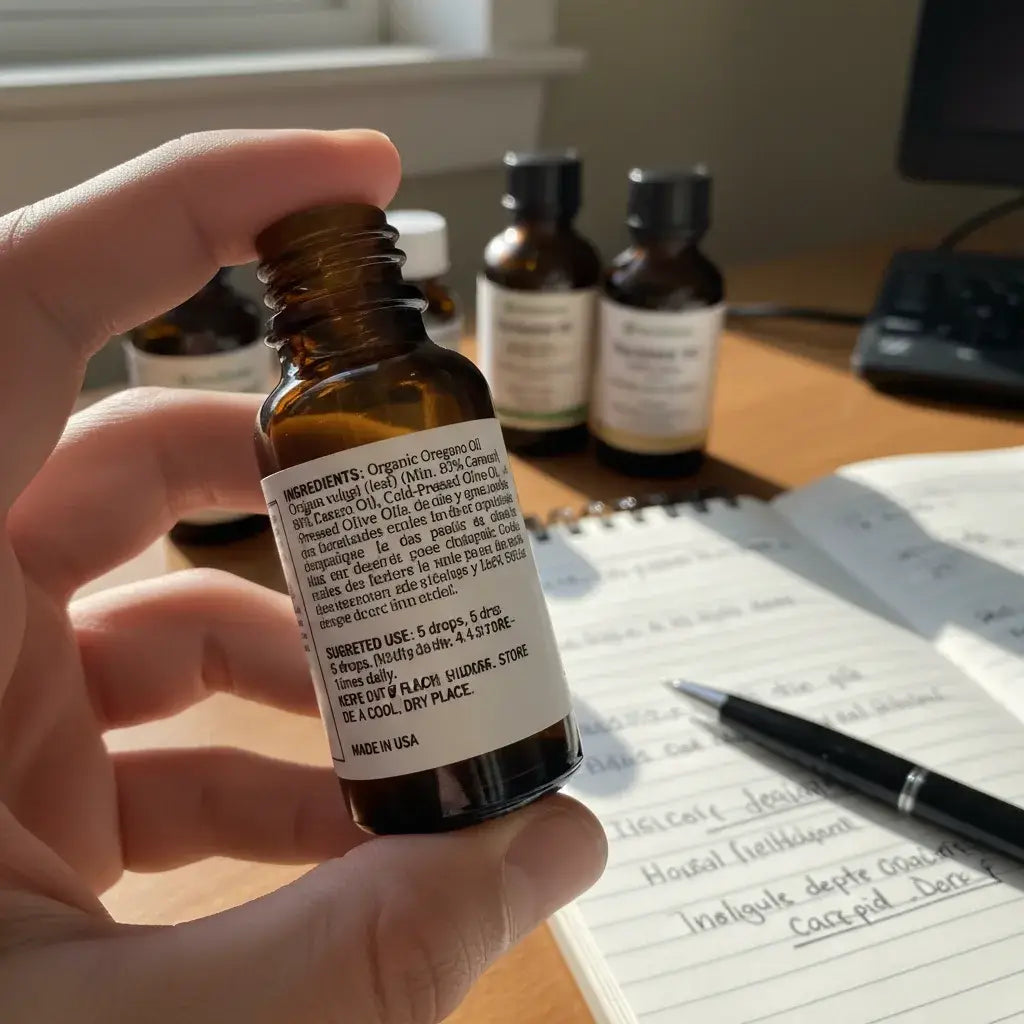
One of the most common details you’ll see is the carvacrol percentage, prominently featured on oils from Europe, North America, and Asia. Carvacrol is a naturally occurring compound found in oregano essential oil, often appreciated for its aromatic profile and traditional uses. A product may advertise “80% carvacrol,” but this figure isn’t standardized by global authorities. In one country, carvacrol percentage might refer to the portion of the oil’s total content; in another, it could reflect only the volatile fraction or even be calculated after certain dilutions. Understanding this variance is crucial: two bottles marked “80% carvacrol” from different countries might not be directly comparable.
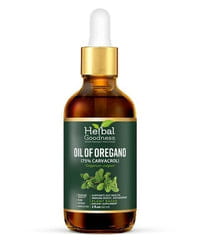
As with products such as Oil of Oregano (75% Carvacrol) - 2oz Liquid - Immunity, reading the specifics on the label—and verifying any supporting lab documentation—adds transparency to your purchase.
Chemotype: A Botanical Identifier
Some oregano oils feature a chemotype identification—such as Origanum vulgare “CT carvacrol”—which references the plant’s unique chemical profile. Chemotype labeling is particularly common in Europe, where it denotes species and predominant compounds, helping buyers understand whether the oil comes from high-carvacrol or high-thymol plants. Not every region emphasizes chemotype on labels, but learning to spot this term can clarify the characteristics of the oil you’re considering.
For those seeking additional immune-supportive botanicals, comparing oregano oil chemotypes with extracts like Soursop Leaf Graviola Extract - - Organic 15X Liquid Extract - Cell Renew & Immunity can broaden your choices when researching plant-based wellness globally.
Food Grade vs. Aromatherapy: Terms with Specific Meanings
Perhaps the most confusing distinction for international shoppers is between products labeled as “food grade,” “therapeutic grade,” or “aromatherapy use only.” These terms mean different things depending on regional regulatory guidelines:
- Food grade (U.S., Canada, some EU): Indicates that the oil complies with local regulations for flavor use or supplement formats. In North America, “food grade” oregano oil might be standardized for use as a flavor extract.
- Aromatherapy (Europe, Australia): Often denotes essential oil intended for external or atmospheric use, not culinary. In some countries, oils labeled “aromatherapy” must not be ingested, while in others, the label means the oil hasn’t undergone the purity testing required for supplemental formats.
- Therapeutic grade: This term is not an official descriptor in most regions and may be used for marketing. Always check for third-party lab analysis or certifications, rather than relying on the term alone.
Getting familiar with these categories helps narrow your search, especially if you’re looking for oregano oil with a specific use in mind. Those interested in dietary uses may also want to look at plant extracts designed for internal consumption, such as Papaya Leaf Extract - - Organic 16oz 15X Liquid Extract, which clearly states its formulation and use.
Concentration Conventions: Potency, Purity, and Mixing
When browsing oregano oil from abroad, you might notice differences in how concentration is expressed. Understanding these conventions helps you compare products side by side.
Pure Essential Oil vs. Diluted Blends
Oregano oil comes in two primary forms:
- Pure essential oil: This is 100% oregano oil, typically highly concentrated and intensely aromatic. Often labeled with the botanical source (like Origanum vulgare), this oil is usually intended for aromatic or topical use in very small dilutions.
- Diluted oil or extract: Many products are pre-blended with a carrier oil, such as olive oil, to adjust potency and make handling easier. Labels may say “25% oregano oil in organic extra virgin olive oil,” indicating the proportion of essential oil to carrier. Some regions, particularly the U.S. and Canada, favor these diluted or blended presentations for certain applications.
A similar logic applies when assessing blends of other potent botanicals, including the Blood Platelet Plus - 60/600mg 20X Strength Capsule - Platelet Boost, where concentration and carrier ingredients are crucial for evaluating product strength.

Reading Concentration on International Labels
- Europe and the U.K.: Percentage or ratio is often based on essential oil content in the finished product.
- Asia and Middle East: Product labels might use volume-percentage or highlight traditional extraction ratios.
- North America: Both percentage and milligram-per-serving are common, especially on supplement-style bottles.
Remember: Concentration alone doesn’t determine suitability—look for additional information such as recommended applications, carrier oil types, and ingredient transparency. When comparing oregano oil with standardized blends, products like Oil of Oregano (75% Carvacrol) - 2oz Liquid - Immunity can serve as a consistent benchmark for labeling clarity.
Regulations and Terms: Country-by-Country Nuances
International oregano oil products are regulated differently depending on their intended use and origin. Shoppers should be aware of notable distinctions, especially if considering an online purchase or overseas shipment.
North American Standards
In the U.S. and Canada, oregano oil may be categorized as a flavor extract, essential oil, or dietary supplement. Labels often provide directions for use, purity, and supplement facts. Agencies like the FDA and Health Canada set guidelines for labeling but do not usually certify or test essential oils themselves. This mirrors many guidelines used for other dietary supplements, including Papaya Leaf Extract Blood Support - 10X 60/450mg Capsules - Blood Platelet, where users can expect a high level of ingredient transparency.
European Union and U.K. Rules
The European Union and the U.K. set strict regulations on labeling claims, ingredient listing, and permitted usage. “Food supplement” status requires specific disclosures and purity standards, and many products are sold “for external use only” unless otherwise indicated.
Asian and Global Perspectives
Countries in Asia, the Middle East, and Latin America may have their own traditional uses and labeling systems. In some markets, language around purity, extraction methods, and even cultural considerations (such as “wild-crafted” or “traditionally harvested”) becomes part of the labeling.
Common Regulatory Terms Explained
- Natural or wild-crafted: Signals the plant was grown or foraged in a non-farmed environment, but specifics can vary.
- Certified organic: Follows the organic certification standards of the producing country—which may differ from those in your country.
- Third-party tested: Indicates some independent verification, but details about the scope and standards of testing might not be consistent globally.
Shipping, Customs, and Packaging: Things to Know Before Ordering Internationally
More people than ever are shopping across borders. However, international shipments bring their own considerations when it comes to botanical extracts like oregano oil.
Packaging Differences Around the World
- Volume and container type: European and North American producers typically use dark glass bottles (5–30 mL for pure oil, larger for diluted), while some Asian brands may use plastic for blended oils. Check for tamper-evident seals and ingredient transparency.
A commitment to proper packaging can be seen with Herbal Goodness products such as Oil of Oregano (75% Carvacrol) - 2oz Liquid - Immunity, which utilize sealed bottles for freshness during transit.
- Instructions: Packaging languages may vary. It is helpful to look for labels in English or a language you understand, or request a digital translation from the supplier before purchasing.
Customs and Shipping Regulations
- Declared contents: Most countries require accurate description and declaration of essential oils for customs clearance. Some may restrict the import of botanicals or require special handling, especially for “food grade” products.
- Taxes and duties: Oregano oil might attract different taxes or import fees depending on classification—as a supplement, essential oil, or culinary ingredient.
- Transit times and storage: Consider that longer shipping times may affect the integrity and potency of the oil, especially during extreme temperatures or prolonged customs inspections. Check that the packaging—much like what you receive with Soursop Leaf Graviola Extract - - Organic 15X Liquid Extract - Cell Renew & Immunity—offers adequate protection.
Responsible Purchasing from Abroad
- Review documentation: Ask for product specification sheets, certificates of analysis, or ingredient lists when available.
- Check for local regulations: Research whether your own country places limits on importing essential oils, or if specific forms/formats (like concentrated oils) are regulated. Packages such as Papaya Leaf Extract - Organic 1oz 15X Liquid - Blood Platelet illustrate clear compliance and ingredient listing.
- Look for user reviews and reputable suppliers: International purchases require extra scrutiny. Seek out retailers with transparency, clear return policies, and positive references.
Comparing Oregano Oil Products: Practical Tips for Shoppers
With all these variables in play, comparing oregano oil options internationally becomes much more manageable with a consistent checklist in mind. Focus on these key areas:
- Examine the concentration: Match up the “pure,” “diluted,” or carvacrol percentage details based on equivalent ounces or milliliters. You may find it useful to compare these details to multi-use herbal supplements like Blood Platelet Plus - 60/600mg 20X Strength Capsule - Platelet Boost, where every milligram counts.
- Read the usage instructions: Identifying if the oil is labeled for culinary, aromatherapy, or topical use can help you gauge its intended safety.
- Look for ingredient transparency: Prefer brands that list the botanical species, extraction method, and any carriers or additives.
- Assess label claims with care: Terms like “therapeutic grade” or “100% pure” may be meaningful or simply marketing—verify with supporting information.
- Verify packaging and shipping details: Ensuring secure, uncontaminated, and compliant packaging helps protect both quality and your investment. An approach mirrored in well-packaged offerings like Papaya Leaf Extract - - Organic 16oz 15X Liquid Extract.
Understanding these details empowers you to navigate the global marketplace for oregano oil, no matter where you choose to source your product.
Navigating International Oregano Oil Markets: Responsible Exploration
Buying oregano oil abroad is an exciting journey into diverse plant traditions, extraction methods, and cultural perspectives. By learning the labeling language, recognizing concentration conventions, and being aware of international regulations, you put yourself in the best position to make thoughtful, informed choices. Whether you seek the aromatic experience, culinary tradition, or botanical heritage of oregano oil, a little research goes a long way toward satisfaction and responsible sourcing.
FAQs:
- What does 'carvacrol percentage' mean on oregano oil labels?
Carvacrol percentage indicates the proportion of carvacrol, a primary plant compound found in oregano oil. However, labeling standards for percentage calculations may vary across countries, so products with similar numbers might not be identical in concentration or composition.
- How do I know if an oregano oil is 'food grade' or 'aromatherapy' only?
Check the label language and instructions. 'Food grade' typically means the oil complies with regional standards for use in food or supplements. 'Aromatherapy' designations are intended for external or aromatic use only; always refer to regulatory terminology from your country and the country of origin.
- Can international shipping impact oregano oil quality?
Yes, extended shipping times or extreme temperatures can affect the integrity of oregano oil. Opt for suppliers that package oils in protective bottles with sealed closures, and track international shipping for safe transit.
- Are certifications like 'organic' or 'third-party tested' the same worldwide?
These certifications follow the rules of the issuing country, so an 'organic' certification from one country may represent different criteria than those in another. Review product documentation and ask for details if needed.
- Is it legal to import oregano oil for personal use?
Import rules depend on your home country and the classification of oregano oil in its regulations. Some countries place restrictions on concentrated oils, supplements, or food flavorings. Always check local import guidelines before purchasing.
- How do I compare the potency of oregano oil from different countries?
Focus on both carvacrol percentage and whether the oil is pure essential oil or blended with a carrier. Use common measurement units when comparing, and seek out supporting information like certificates of analysis or ingredient lists.
Author Name:
Herbal Goodness Editorial Team
Author Bio:
The Herbal Goodness Editorial Team specializes in holistic health and superfoods, blending science and nature to educate and empower our community.