Buying Mullein Leaf Extract Online: Label Secrets & Quality Checks

Buying Mullein Leaf Extract Online: Label Secrets & Quality Checks
Finding the right mullein leaf extract for your wellness journey can feel like navigating a maze of unfamiliar terms and competing product claims. If you’re interested in exploring mullein leaf for its traditional reputation in supporting bronchial comfort and clarity, you need more than slick marketing—you need clarity. This guide demystifies what to look for when buying mullein leaf extract online, focusing on label language, extraction methods, and practical quality checks to empower shoppers just like you.
Decoding Mullein Leaf Extract Labels: What Really Matters?
A well-made mullein leaf extract can be a valued addition to a holistic regimen supporting clarity in daily breathing. But what do all those numbers, ratios, and buzzwords mean on the bottle? Let's break them down so you know exactly what you’re considering before you click “add to cart.”
How to Read Extract Ratios
On many mullein products, you’ll see numbers like "10:1" or "4:1." These figures represent the extract ratio, indicating how much raw mullein plant material was used to make the final concentrated product.
- Example: A 10:1 ratio means 10 parts mullein leaf were used to create one part extract powder or liquid.
- Why It Matters: Higher ratios often indicate more concentration—but not always better quality. Look for extracts from reputable companies that clearly state their extraction process.
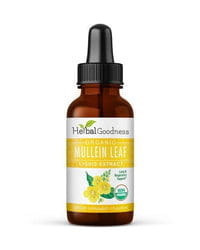
By reading extract ratios alongside other factors, you’ll be better equipped to find options which suit your needs. Some herbal supplements, such as Mullein Leaf - Organic 15X Liquid Extract - Respiratory & Lung Health, prominently share this detail, making comparisons easier.
Understanding “Standardized” Extracts
"Standardized" on a mullein label means a consistent, guaranteed concentration of certain naturally occurring plant compounds—like saponins or flavonoids.
- Benefits: Consistency from batch to batch.
- Watch Out: Not all standardized extracts disclose which compounds are measured, or their amounts. Genuine brands clearly state details.
When reviewing herbal products—whether for bronchial support or other concerns—look for clear standardized information and transparent quality assurance steps, as seen in products like Lungs and Respiration - 15X Liquid Extract - Respiratory.
Types of Solvents Used in Extraction
Solvents help draw out beneficial compounds from mullein leaves. Commonly used options include:
- Ethanol (Grain Alcohol): Traditional and effective, preserves many compounds.
- Water: Gentle, produces a less concentrated extract.
- Alcohol-Free Solvents (like glycerin or vinegar): Suitable for those avoiding alcohol—but may yield a different profile of plant constituents.
Tip: Trustworthy brands state the solvent type, strength, and origin (such as "organic cane alcohol"). If these details are missing or unclear, that's a sign to investigate further.
Comparing Tinctures vs. Alcohol-Free Mullein Extracts
Not all mullein extracts are created equal. Understanding the difference between tinctures and alcohol-free options helps match a product to your preferences.
Mullein Tinctures: Time-Tested Tradition
- Features: Mullein tinctures typically use a mix of alcohol and water to extract a broad spectrum of compounds from the leaf.
- Pros: High bioavailability and shelf stability.
- Cons: Not suitable for those avoiding alcohol or with alcohol sensitivities.
If you prioritize shelf stability and classic herbal preparation, an option like Mullein Leaf - Organic 15X Liquid Extract - Respiratory & Lung Health may be an excellent fit for your routine.
Alcohol-Free Mullein Extracts: Gentle Alternatives
- Features: Use solvents like organic vegetable glycerin or apple cider vinegar instead of alcohol.
- Pros: Kid-friendly, suitable for those who abstain from alcohol.
- Cons: May have a gentler taste and shorter shelf life; possible differences in plant compound profile and absorption.
It’s helpful to compare these options with other non-alcohol, plant-based alternatives, such as Bamboo Leaf Tea – 24/1.5g Tea Bags - Nature's Collagen & Biotin, which also prioritizes gentle, clean extraction approaches.
Which Is Better?
- The “best” choice depends on your philosophy, lifestyle, and taste. Some prefer traditional alcohol-based tinctures for their storied legacy, while others choose alcohol-free for specific dietary reasons.
- Whichever you pick, a detailed label and responsive manufacturer are key indicators of trustworthiness.
Checking for Third-Party Lab Testing: Why Purity Counts
One of the most reliable ways to assess mullein extract quality is through third-party lab testing—a must-have for conscious shoppers.
What a Third-Party Lab Report Means
- Independence: Lab tests are conducted by an external facility, not the company itself.
- Transparency: Reports should confirm the product's identity, purity, and absence of contaminants like heavy metals, pesticides, or residual solvents.
- Availability: Look for brands that make test results readily available (on their website or by request).
This commitment to transparency is shared by other leading herbal wellness brands. For example, high-potency products like Papaya Leaf Extract - Organic 1oz 15X Liquid - Blood Platelet also highlight third-party lab testing and transparent ingredient sourcing.
How to Interpret a Lab Report
- Identity: Confirms the botanical name (for mullein look for "Verbascum thapsus") and part used (leaf specifically for bronchial support interest).
- Purity: Screens for contaminants.
- Potency: Measures concentrations of key compounds, if standardized.
A reputable company welcomes questions about testing and can provide documentation. If a seller is vague or cannot provide information, consider that a red flag.

Sourcing and Quality: Spotting Red Flags and Green Lights
Not all mullein is harvested or processed with the same care. Sourcing transparency is a hallmark of premium herbal products.
What to Ask Before You Buy
- Where is the mullein grown? U.S., European, or certified organic farms are usually ideal.
- Is it wildcrafted or cultivated? Wildcrafted describes plants ethically harvested from nature—ensure it’s sustainable and not at risk of overharvesting.
- Is it certified organic? Organic certification reduces the risk of unwanted pesticides or chemicals.
- Are excipients or fillers listed? Look for minimal additional ingredients beyond the mullein, solvent, and possibly a natural preservative.
- How is the extract stored and shipped? Proper storage (like amber glass bottles) preserves the quality and potency of botanical extracts.
Red Flags Indicating Lower-Quality Mullein Extract
- No clear company or farm information
- No mention of testing or certificates of analysis
- “Proprietary blend” listed without specifics
- Artificial additives or preservatives
- Unrealistically low prices (often a sign of shortcuts or dilution)
You may wish to contrast your mullein options with pure, traceable blends such as Sea Moss - Raw Dried from St Lucia - 8oz Bag - Nature's MultiVitamins, which highlights both sourcing and quality standards.
Green Lights That Signal a Quality Product
- Transparent sourcing and batch tracking
- Clear labeling on concentration, ratio, and solvent
- Comprehensive third-party testing
- Responsive customer support
- Straightforward answers to ingredient and process questions
Label Language Decoded: Common Terms and What They Mean for Shoppers
Shopping for mullein online, you’ll come across a host of buzzwords. Here’s a glossary to keep handy:
- Full Spectrum: Extracts aiming to capture the broadest range of mullein's natural compounds.
- Standardized: Indicates guaranteed levels of certain plant phytochemicals.
- GMP-Certified: Adherence to Good Manufacturing Practices, reflecting a higher standard of product consistency and safety.
- Alcohol-Free: Extracted with non-alcohol solvents such as glycerin, ideal for kids or those avoiding alcohol.
- Non-GMO: Ingredients are not genetically modified—a bonus for many health-conscious buyers.
- Vegan-Friendly: Contains no ingredients sourced from animals.
Understanding these can help you match a product to your values and needs. Sometimes, you may prefer a multi-botanical approach, for which Blood Platelet Plus - 60/600mg 20X Strength Capsule - Platelet Boost offers another example of detailed labeling and clarity in the supplement space.

Five Simple Questions to Ask Before Purchasing Mullein Leaf Extract
For those wanting a quick checklist, consider these questions essential as you explore your options:
- What plant part is used (leaf, flower, or root)? For bronchial support, leaf is preferred.
- What is the extraction ratio? Is it clearly stated?
- Which solvent is used, and is the product alcohol-free if needed?
- Are third-party lab results available for the current batch?
- Where and how is the mullein sourced or grown?
A quality-focused company welcomes curious, informed shoppers and thoughtful questions.
Making an Informed Choice: Why Diligent Shopping Matters
Your wellness choices are an investment in your overall vitality. Navigating the world of mullein extracts with a discerning eye helps ensure you select products that reflect care, authenticity, and transparency.
It’s all too common to encounter vague or incomplete product listings online. With the knowledge from this guide, you can confidently assess extraction ratios, distinguish between tincture and alcohol-free extract benefits, interpret lab reports, and spot red flags in sourcing claims. Always look beyond the sales pitch, letting curiosity and caution guide your decision.
In addition to mullein, looking for botanical blends with a reputation for transparency—like Bamboo Leaf Tea – 24/1.5g Tea Bags - Nature's Collagen & Biotin—may give you peace of mind about your choice.
Summary Checklist: What to Look for in Mullein Leaf Extract
- Clear extraction ratio and solvent stated
- Organic or wildcrafted sourcing disclosed
- Third-party lab testing provided and current
- Minimal, plant-focused ingredient list
- Transparent answers from the seller
Choosing mullein is about aligning with your goals, values, and wellness aspirations—one well-labeled bottle at a time.
FAQs:
- What does an extract ratio like 10:1 mean on mullein leaf extract labels?
An extract ratio such as 10:1 means that 10 parts of fresh or dried mullein leaf were used to create one part of the final concentrated extract. This number reflects the level of concentration, but quality depends on the extraction process and the integrity of the raw material, not just the ratio alone.
- Is there a difference between mullein tinctures and alcohol-free extracts?
Yes. Mullein tinctures are typically made with alcohol and water, offering a broad range of plant constituents and good shelf life. Alcohol-free extracts use solvents like vegetable glycerin or vinegar, which suit those avoiding alcohol, but may have a different flavor and shelf stability.
- Why is third-party lab testing important for mullein leaf extract?
Third-party lab testing provides objective confirmation of a product's identity, purity, and absence of contaminants. It helps ensure transparency and supports your confidence in the supplement’s quality and safety.
- How can I spot a quality mullein extract when shopping online?
Look for clear ingredient lists, transparent sourcing, valid extract ratios, details on the solvent used, organic or wild harvest credentials, and the availability of third-party lab results. Reputable brands readily answer questions and share documentation.
- What questions should I ask a seller before purchasing mullein extract?
Key questions include: Which plant part is used? What is the extraction ratio and solvent? Are lab results available for the batch? Where is the mullein sourced? Are there any fillers or synthetic ingredients?
- Are higher extract ratios always better when choosing a mullein supplement?
Not necessarily. A higher extract ratio indicates more plant material was used, but this doesn't always mean higher quality. The raw mullein's health, the extraction process, and purity testing are equally important factors.
- How do I know if a mullein leaf extract is organic or wildcrafted?
Quality producers will state organic or wildcrafted status on the label and often have certifications or traceable sourcing information available. If you cannot find this information easily, ask the seller directly.
Author Name:
Herbal Goodness Editorial Team
Author Bio:
The Herbal Goodness Editorial Team specializes in holistic health and superfoods, blending science and nature to educate and empower our community.
References:
Introducing Graviola to Young Taste Buds: Fun, Family-Friendly Flavor Exploration
Graviola in the Classroom and at Home: Creative Activities to Teach Kids About Tropical Plants
Why Social Impact Matters in Plant-Based Wellness