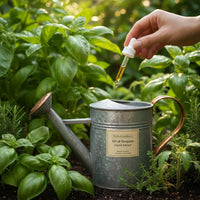
Buy or Grow? Environmental Cost of Oregano Oil Drops Online Guide

The rise of natural remedies like oregano oil appeals to those seeking both wellness and responsibility toward the planet. But as oregano oil drops become more popular and easy to order from anywhere, you might wonder: What’s the true environmental cost of clicking ‘buy’ versus making your own infused oil at home? This article takes a non-technical, practical look at the sustainability tradeoffs of both options—exploring everything from greenhouse gas emissions tied to shipping, to energy used in extraction, packaging waste, and clever ways to reduce your overall impact.
Exploring How Commercial Oregano Oil Drops Are Made and Delivered
To start weighing the environmental costs, it’s helpful to understand how oregano oil drops sold online are produced and brought to your doorstep. The commercial process involves several key steps that each carry their own sustainability factors:
Agricultural Scale: Growing and Harvesting Oregano
Most commercial oregano oil begins its journey as oregano (Origanum vulgare) grown on herb farms around the world. This farming can range from small, organic plots to large-scale, conventional fields. Large-scale agriculture can require substantial irrigation, synthetic fertilizers, and transportation of supplies. In contrast, sustainable or organic farms may use fewer chemicals and support biodiversity, though demand for bulk quantities can still have a cumulative environmental impact over large areas.
Industrial Extraction: Turning Plant to Oil
Oregano oil drops are often made using distillation or supercritical CO2 extraction—methods that intensify the plant’s aromatic compounds. These techniques require specialized equipment and significant energy input, whether to create steam or reach high pressures. This industrial scale enhances oil purity and potency but comes with a bigger energy and resource footprint versus simple kitchen infusion.
Packaging: From Factory to Consumer
Commercial oregano oil drops are typically bottled in small glass or plastic vials, often with droppers or other single-use components. Each bottle must be labeled, boxed, and packed for shipping. Even though glass is widely recyclable, production and transportation require considerable energy. Plastic elements, meanwhile, may end up in the waste stream if not recycled properly.
Shipping and Last-Mile Delivery
Perhaps the most invisible footprint is tied to how online orders travel from manufacturer to warehouse and finally to your home. Each leg of the journey—by truck, plane, or local courier—uses fossil fuels and generates carbon emissions. Faster "express" shipping usually means more emissions per bottle, as underfilled trucks and planes race against the clock. Individually shipped orders also use extra packaging.
Making Oregano Oil at Home: Local Gardens, Small Batches, and Energy Use
If you’re curious about how making oregano oil at home stacks up environmentally, the process is simpler but comes with its own factors to consider:
Sourcing and Growing Fresh Oregano
By growing oregano in your garden, on a balcony, or windowsill, you essentially eliminate long-distance transportation and reduce the need for large-scale farming inputs. Small-scale gardening also allows you to use compost and natural fertilizers, minimize waste, and even support pollinators.
But not everyone has access to outdoor space or time to grow their own. If you buy fresh oregano at a local market or grocery store, consider whether it’s organic, how far it traveled, and if it’s sold with plastic packaging—factors that shape your environmental impact.

Infusing Oil in Your Kitchen
Homemade oregano-infused oil typically involves steeping fresh oregano in a carrier oil like olive or sunflower oil. Extraction is achieved through gentle heat (sometimes just room temperature) over days or weeks—no industrial energy required. You control batch size, avoiding waste, and can use reusable glass jars.
This method produces a less concentrated oil than commercial extracts, but uses only the energy from your kitchen and time. Clean-up is minimal and any leftover plant matter can be composted. If you're already interested in supporting overall wellness with antioxidant benefits, consider complementing your efforts with products like Cell Renew 15X Liquid Extract | Immunity & Antioxidant Support.
Packaging and Storage
Household-scale infusion means you choose your own containers—reusing empty bottles or jars and skipping extra packaging altogether. Any labels or adornments are up to you. Finished oil can be stored in the fridge, avoiding preservatives and reducing waste.
Comparing Environmental Impacts: Key Factors Decoded
Weighing the sustainability differences between these two options is a matter of looking at a few consistent themes:
Emissions from Transportation
- Commercial Oregano Oil Drops: Shipping across long distances, including international transport and last-mile delivery, generates more greenhouse gas emissions per bottle—especially with small, individual orders.
- Homemade Infused Oil: Local DIY production drastically reduces or eliminates transportation emissions, especially if ingredients are sourced locally or grown at home.
Extraction Energy and Resource Intensity
- Commercial Oregano Oil Drops: Industrial extraction uses specialized equipment and generates a higher energy footprint per ounce of oil—particularly for highly concentrated products. Products aimed at supporting clean, radiant skin, such as Radiantly Good Looking - 2fl.oz - Skin & Anti-Aging, often use these precise industrial methods for maximum efficacy.

- Homemade Infused Oil: Infusion typically uses only low-level home energy (like stovetops or just passive time), resulting in much lower resource consumption per batch.
Packaging and Waste
- Commercial Oregano Oil Drops: New glass bottles, plastic droppers, labels, and boxes are produced and discarded with each purchase—potentially creating recycling challenges or landfill waste. Other products, such as Papaya Seed Powder Capsules 60ct | 600mg – Gut & Colon Cleanse Support, often address this by offering larger quantities to minimize packaging waste.
- Homemade Infused Oil: Reusing jars or bottles reduces the need for new packaging. Composting herb remnants and recycling old jars make the process nearly zero waste.

Scale and Frequency of Use
- Commercial: Buying frequently or in small bottle sizes can mean more bottles, more shipments, and more packaging cumulatively over time. Opting for multi-use products such as Radiantly Good Looking - 2fl.oz - Skin & Anti-Aging in a larger size can help reduce repeated orders and packaging waste.
- Homemade: Making small batches as needed allows you to control how much you produce and when, minimizing waste from unused portions.
Waste and Reuse Opportunities: Shifting Toward More Sustainable Habits
Regardless of which method you choose, there are creative ways to reduce the environmental cost of bringing oregano oil into your home:
- Repurpose glass bottles and jars for future batches or other kitchen uses.
- Choose bulk options if buying commercially—larger bottles or multi-packs ship more efficiently, just as Papaya Seed Powder Capsules 60ct | 600mg – Gut & Colon Cleanse Support offer shipping efficiencies.
- Compost spent oregano leaves from homemade oil to enrich your soil or garden beds.
- Request minimal packaging or group shipments if buying online.
- Share homemade oil with friends or neighbors to fully use each batch and spread environmental benefits.
Questions to Ask as a Conscious Oregano Oil Shopper
If you’re looking to make sustainability part of your decision-making when buying or making oregano oil, try asking yourself:
- Where is the oregano sourced? Local sourcing often means less transportation and fresher plants.
- Is the oil made using organic or regenerative farming?
- What type of extraction process is used, and how energy-intensive is it?
- Is the packaging recyclable or reusable? Does it use minimal materials? Consider supporting companies whose products adhere to these practices, such as Cell Renew 15X Liquid Extract | Immunity & Antioxidant Support.
- How far will my order travel to reach me?
- Can I reuse or upcycle bottles, or compost any leftovers?
- What scale do I really need—will I use up a full bottle or batch?
Making an Informed, Sustainable Choice
Ultimately, the best choice is one that aligns with your lifestyle and values. Homemade infused oil using garden-fresh oregano and reusable containers generally carries the lowest environmental footprint for most households, especially if you already have the materials and herbs on hand. Commercial drops, meanwhile, offer potency and convenience, but with a heavier overall cost from packaging and transportation. For those interested in sustainable self-care with antioxidant support, Cell Renew 15X Liquid Extract | Immunity & Antioxidant Support demonstrates how mindful sourcing and packaging can align with eco-friendly values.
The positive news? Both methods can work within a sustainable lifestyle, especially if you pay attention to the origins of your ingredients, reuse or recycle containers, and minimize waste. By thinking about these tradeoffs, you can enjoy the botanical benefits of oregano oil while contributing to a healthier planet.
Frequently Asked Questions
Question 1: Is making oregano oil at home more sustainable than buying commercial drops?
Answer: Generally, homemade oregano oil is more sustainable, especially if you grow your own herbs and reuse containers. This cuts down on transportation and packaging waste. For those who need the benefits of higher potency, products like Radiantly Good Looking - 2fl.oz - Skin & Anti-Aging can offer a practical balance if sourced and packaged responsibly.
Question 2: How can I reduce waste when buying oregano oil?
Answer: Choose larger bottles or multi-packs to cut down on packaging, reuse containers, and select products known for sustainable practices, such as Papaya Seed Powder Capsules 60ct | 600mg – Gut & Colon Cleanse Support. You can also compost used herbs to return nutrients to the soil.
Question 3: Are there commercially available alternatives that use eco-friendly packaging?
Answer: Yes, some natural wellness products like Cell Renew 15X Liquid Extract | Immunity & Antioxidant Support focus on more responsible sourcing and packaging, helping you reduce your footprint while supporting immunity and antioxidant health.
Question 4: What type of extraction is best for minimizing environmental impact?
Answer: Home infusion methods use much less energy and usually result in less waste. However, if you require maximum potency, look for products extracted with efficient methods and packaged responsibly, such as Radiantly Good Looking - 2fl.oz - Skin & Anti-Aging.
As you consider the environmental journey of your oregano oil—whether homemade or purchased—think about the sourcing, packaging, and creative ways to reduce waste for a more mindful, eco-conscious choice.
About the Author
Herbal Goodness Editorial Team
The Herbal Goodness Editorial Team specializes in holistic health and superfoods, blending science and nature to educate and empower our community.
References
Why Social Impact Matters in Plant-Based Wellness