Blood Plasma vs Platelets: Exploring Their Roles and Plant Connections
Understanding the unique components within blood provides fascinating insights into how the human body maintains balance and supports overall vitality. Two of the most crucial constituents, blood plasma and platelets, serve distinctly different—but equally important—roles in the circulatory system. Whether you're reviewing your routine lab results, exploring plant-based dietary options, or deepening your grasp of holistic wellness, learning about plasma and platelets unlocks a deeper appreciation for your body’s internal harmony. Let’s take a closer look at what makes these blood components unique, their roles in lab analyses, and how nutrition can influence overall wellbeing.
A Closer Look at Blood Components
What is Blood Plasma?
Blood plasma is a pale yellow fluid that forms the liquid foundation of the blood. Making up about 55% of total blood volume, plasma is composed primarily of water—around 90%—with the remainder consisting of proteins (such as albumin and fibrinogen), electrolytes, nutrients, and waste products. This liquid acts as a transportation medium, delivering essential substances throughout the body and assisting in overall balance.
Key Functions of Blood Plasma
- Transport of Nutrients and Waste: Plasma carries nutrients absorbed from food, such as amino acids and sugars, and distributes them to cells. It also collects metabolic waste products for removal.
- Balancing Fluids and pH: Plasma helps regulate bodily fluids, maintain electrolyte balance, and stabilize pH levels to support optimal cellular function.
- Protein and Enzyme Distribution: Proteins in plasma perform various vital roles, including supporting immune function and aiding in blood consistency and volume control.
What are Platelets?
Platelets—or thrombocytes—are small, disc-shaped cell fragments suspended in blood plasma. Unlike red or white blood cells, platelets do not carry genetic material in the same way, focusing instead on aggregation when needed.
Vital Functions of Platelets
- Blood Flow Regulation: Platelets coordinate to promote clotting at sites of injury, forming a mesh that protects blood loss during wounds.
- Rapid Response: Upon sensing tissue disruption, platelets congregate and activate within seconds, playing a critical role in maintaining vascular health.
Comparing Plasma and Platelets: Composition and Appearance
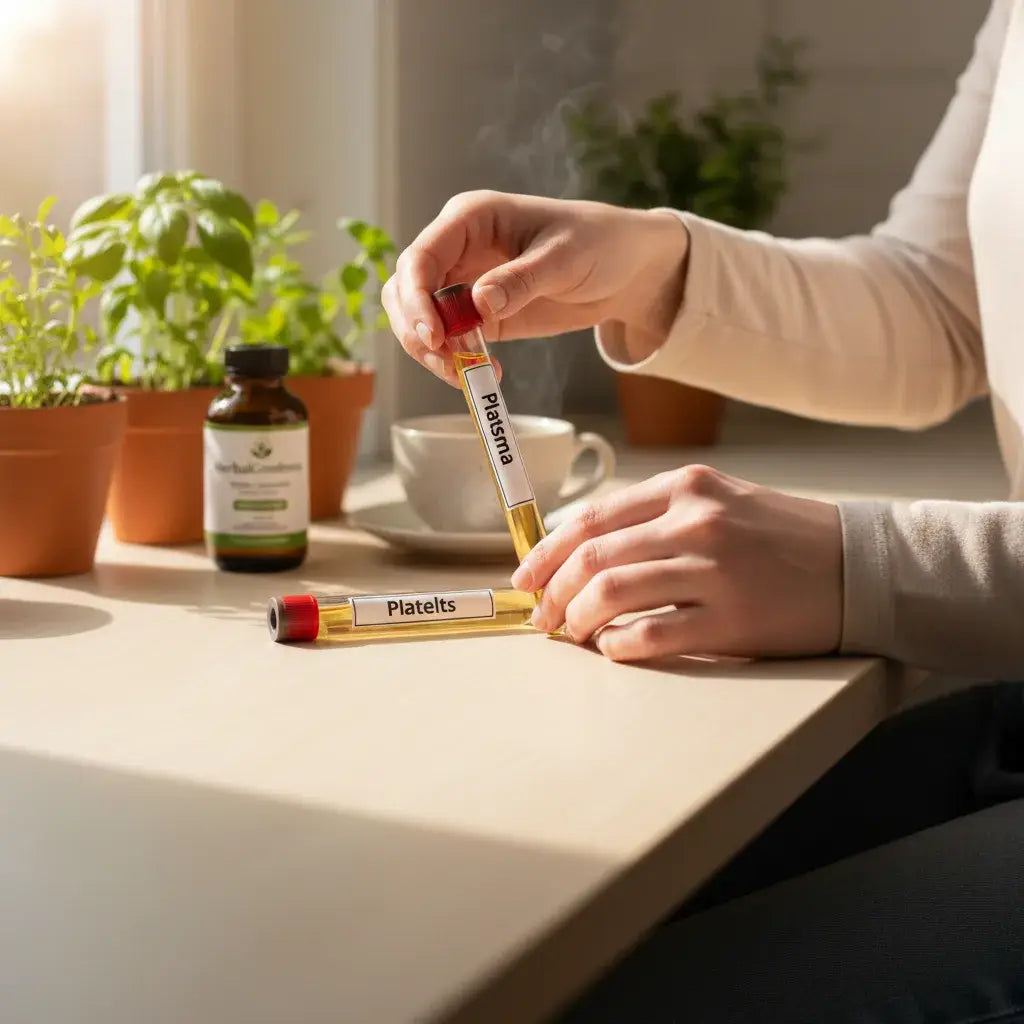
Plasma and platelets differ significantly in appearance and formation. Plasma is transparent and straw-colored, filling tubes above red-cell layers in laboratory tests. Platelets, while individually invisible to the eye, appear as a thin layer (the “buffy coat”) between the red and white cell layers in centrifuged lab samples.
- Plasma: Liquid, protein-rich, yellowish
- Platelets: Tiny, cellular fragments, forming the buffy coat
Their origins also differ: plasma develops from filtered blood, while platelets break off from precursor cells—called megakaryocytes—in bone marrow. For those especially keen to support platelet health, targeted products such as Blood Platelet Plus - 60/600mg 20X Strength Capsule - Platelet Boost have gained attention in natural wellness communities.
Lab Test Perspectives: Plasma and Platelets in Routine Checks
Blood Plasma Analysis
In standard lab tests, plasma is typically evaluated for levels of proteins, hormones, nutrients, and metabolic byproducts. Common measures might include:
- Total protein
- Albumin and globulin
- Electrolyte concentrations (e.g., sodium, potassium)
Platelet Count and Function
Platelet levels are a routine part of the complete blood count (CBC) panel. The test evaluates both the quantity and the physical attributes (like mean platelet volume), helping healthcare providers determine how well platelets are contributing to the body's internal balance.
Interpreting Results
Lab values for these blood components offer snapshots of your circulatory health. Factors such as hydration, nutrition, stress, and lifestyle can influence both plasma quality and platelet numbers from one test to another. While lab reports provide valuable data, meaningful interpretation is always best handled in consultation with a qualified healthcare professional.
Nutrition and Blood Component Harmony
Fluid Intake, Plasma, and Circulatory Support
Proper hydration is essential for maintaining healthy plasma volume. Water, herbal infusions, and mineral-rich broths all contribute to stable plasma levels, avoiding the imbalances that can occur with dehydration.
Plant-Based Foods and Their Connections
Plant-based nutrition often promotes overall circulatory wellness. Foods commonly incorporated into these discussions include:
- Leafy Greens: Rich in chlorophyll, magnesium, and phytonutrients
- Citrus Fruits and Berries: Contain vitamin C and natural antioxidants,
- Beets, Pomegranate, and Carrots: Provide natural compounds and pigments linked to wellness practices
- Nuts and Seeds: Supply essential fatty acids that contribute to balanced nutrition
These plant sources are regularly recommended for those interested in supporting general wellness. Their nutrient richness makes them an excellent addition to balanced eating habits. For an easy way to add phytonutrients, consider Papaya Leaf Extract Blood Support - 10X 60/450mg Capsules - Blood Platelet, which is crafted for blood platelet support.

Herbs in Holistic Discussions
Many traditional and modern wellness systems highlight certain herbs, such as:
- Ginger and Turmeric: Widely used in wellness communities for centuries
- Garlic and Onion: Regularly featured in both culinary and holistic recommendations
- Parsley, Cilantro, and Dandelion Leaf: Valued for their vitamin and mineral content
These botanicals have historical roots in many cultures. Incorporating herbal infusions—such as Soursop Leaf Tea Graviola Leaves - Organic 24/2g Tea Bags - Immunity & Cell Renew—may complement a nutrient-focused diet, though individual preferences and health status should always be respected.

For those who want broad-spectrum support, Papaya Leaf Extract - Organic 1oz 15X Liquid - Blood Platelet offers a liquid option for targeted nutrition.
Lifestyle Factors Impacting Blood Components
Sleep and Rest
Optimal restoration cycles, including regular sleep, are linked to internal balance and vitality. Encouraging a restful sleep environment and maintaining consistent sleep times can play a key role in supporting everyday bodily functions. Those working on sleep wellness might explore natural approaches or calming herbal blends in addition to overall lifestyle adjustments.
Mindful Movement
Routine activity, such as brisk walking, gentle stretching, or yoga, is often associated with circulatory wellbeing. Physical movement encourages healthy blood flow and may contribute to a sense of vitality. Pairing activity, daily habits, and mindful hydration is a well-known way to support general wellness for both plasma and platelets.
Mind-Body Practices
Mindfulness meditation, controlled breathing, and relaxation exercises are often discussed within holistic circles as effective practices to encourage internal balance. Such practices may be coupled with enjoying Papaya Leaf Tea - Organic 24/2g Tea Bags for a supportive, plant-centered ritual.
Key Considerations for Reviewing Lab Tests
When interpreting lab results related to plasma and platelets, keep the following practical points in mind:
- Results can fluctuate based on hydration, meals, and activity
- Laboratory reference ranges vary by testing facility
- Trends over time are usually more meaningful than single results
- Discuss any significant or persistent changes with a qualified health expert
Staying up to date with wellness tools, such as Blood Platelet with Papaya Leaf - Organic 1oz 15X Liquid Extract - Platelet & Bone Marrow, may offer targeted support alongside routine check-ins with your provider.
Being proactive and well-informed provides confidence during discussions with your healthcare provider.
Plant-Based Eating Patterns and General Wellbeing
Embracing a wide array of plant foods supports balanced nutrition. Diversity is key: including multiple colors, textures, and food types ensures broad nutrient exposure. Some individuals prioritize whole grains, legumes, vegetables, fruits, seeds, and herbal infusions as part of a routine focused on physical and mental vitality. Products such as Papaya Leaf Extract 10X - 600mg Capsule - Platelet & Digestive Aid can also fit into these wellness-focused routines, offering additional convenience and support.
Ancient Wisdom and Modern Science
Across many global traditions, plant-derived foods and herbs have an established role in daily dietary practices. Modern studies continue to explore their significance, but incorporating a variety of natural, minimally processed foods remains a time-honored approach for supporting overall wellness.
Practical Tips for Blood Wellness
- Stay hydrated: Mindfully drink water and herbal teas throughout the day
- Enjoy a spectrum of plant-based foods: Select seasonal fruits, vegetables, grains, and legumes
- Incorporate traditional herbs mindfully: Add gentle herbs and spices to recipes
- Establish daily movement habits: Find enjoyable ways to move
- Prioritize good sleep: Maintain a peaceful routine for restorative rest
- Review lab results thoughtfully: Monitor trends and consult experts as needed
Empowering oneself with knowledge and healthy lifestyle choices is a proactive step towards vitality and holistic wellness.
FAQs:
- What is the main difference between blood plasma and platelets?
Blood plasma is the liquid component of blood responsible for carrying nutrients, electrolytes, and proteins throughout the body. Platelets, on the other hand, are small cell fragments that assist in controlling bleeding and maintaining vascular integrity.
- How are blood plasma and platelets measured in routine lab tests?
Plasma is typically assessed for its protein content, electrolytes, and other soluble substances. Platelets are counted and evaluated for their size and quantity as part of a complete blood count (CBC), helping monitor blood component balance.
- Can a plant-based diet influence plasma and platelet numbers?
A plant-based eating pattern provides nutrients and hydration that contribute to overall circulatory wellness. While food choices can help sustain normal body functions, individual plasma and platelet levels are influenced by various factors.
- Which herbs are commonly discussed for supporting blood wellness?
Herbs like ginger, turmeric, garlic, onion, parsley, cilantro, and dandelion leaf are commonly highlighted in wellness circles and have been included in various culinary and traditional approaches.
- Why do plasma and platelets look different in laboratory samples?
Plasma appears as a clear yellow liquid layer above blood cells in a spun sample, whereas platelets congregate in a thin, nearly invisible buffy coat layer between red and white blood cells due to their differing densities and sizes.
- Are there lifestyle habits that support blood circulation?
Staying hydrated, eating a colorful variety of plant foods, incorporating mindful movement, and prioritizing restful sleep all contribute to overall blood circulation and wellness.
Author Name:
Herbal Goodness Editorial Team
Author Bio:
The Herbal Goodness Editorial Team specializes in holistic health and superfoods, blending science and nature to educate and empower our community.
References:
Introducing Graviola to Young Taste Buds: Fun, Family-Friendly Flavor Exploration
Graviola in the Classroom and at Home: Creative Activities to Teach Kids About Tropical Plants