Best Mullein Leaf Extract: Decoding Labels, Dosages, and Quality Markers

Curious consumers searching for the best mullein leaf extract often encounter an unfamiliar world of technical terms and supplement jargon. Words like “extract ratio,” “standardized,” or “mg per serving” fill the labels, while differing carrier ingredients such as glycerin or ethanol can make comparison feel complicated. If you’ve ever wondered how to interpret these details or what truly matters when choosing a mullein supplement, you’re not alone. This guide will clarify the meaning behind common mullein label claims—without making medical claims—so you can feel confident as you explore your options.
Understanding Mullein Leaf Extract Labels
Pick up any bottle or box of mullein leaf extract, and you’ll likely see a mix of numbers, ratios, scientific terms, and serving suggestions. These are not just marketing buzzwords; they give you important clues about what’s inside and can help you compare products more thoughtfully.
Extract Ratios Explained
One of the most common features is the extract ratio—expressed as numbers like 4:1, 10:1, or even 20:1 on the label. This ratio tells you how much raw mullein leaf was used relative to the final extract weight.
- A 4:1 extract means four parts of mullein leaf were concentrated down to one part extract.
- Higher ratios, such as 10:1 or 20:1, indicate greater concentration of plant material per unit weight.
What does this mean for you? A higher extract ratio usually delivers more of the plant’s naturally occurring compounds per serving, though other factors like extraction method also influence what ends up in the final product. Keep in mind, more concentrated isn’t always better—the intended usage, convenience, and personal preference should also guide your choice.
"Standardized" Extracts: What Does It Mean?
Some mullein extracts are described as standardized. This term refers to products that are assured to contain a consistent level of a certain compound (or group of compounds) from the mullein leaf. For instance, a label might say “standardized to 5% verbascoside.”
- Why does this matter? Standardization can help ensure potency and uniformity from batch to batch.
- It is not a guarantee of superiority, but it can be valuable if you’re seeking consistency in your herbal routine.
Non-standardized extracts, on the other hand, may vary naturally based on harvest, region, and processing. Both options have their place; some shoppers appreciate the assurance of standardization, while others prefer minimally processed, more traditional extracts.
Reading Serving Size and Mg Per Serving
You’ll also see mg per serving listed on nearly all extracts. This number tells you how much mullein leaf extract is delivered with each dose (in milligrams, or mg), or, for liquid extracts, per dropperful or teaspoon.
- When comparing mg per serving, keep the extract ratio and the format in mind. 300 mg of a 10:1 extract delivers a very different profile than 300 mg of a 1:1 (essentially dried leaf) form.
- Look for clear, transparent labeling that allows you to see both the extract ratio and exact mg per serving.
Carrier Liquids: Glycerin vs. Ethanol
Liquid mullein extracts, including tinctures, use a base liquid called a carrier to extract—and suspend—the beneficial components from the leaf. The most common carriers are glycerin and ethanol (alcohol).
- Glycerin is plant-derived, sweet, and alcohol-free, making it a gentler choice for children or those avoiding alcohol.
- Ethanol (alcohol) is a traditional solvent praised for its efficacy in extracting a wide spectrum of plant compounds. The taste is more pronounced, and alcohol-based tinctures may require extra dilution for sensitive palates.
How to decide? Base your choice on personal preferences, lifestyle factors, and any sensitivities.
Powder, Capsule, or Liquid? Understanding Format Nuances
Mullein leaf is available as:
- Powders (for smoothies or recipes)
- Capsules (pre-measured convenience)
- Liquid extracts/tinctures (rapid absorption, flexible dosing)
While the format does not necessarily indicate quality, each has practical advantages. For instance, Herbal Goodness often formulates liquid extracts that are easy to adjust for serving size, helpful for those exploring flexibility.
Comparing Mullein Extract Concentrations Wisely
It’s tempting to focus on just the biggest concentration or highest mg figure, but wise shoppers know there’s more nuance involved. Here’s how to make sense of extract comparisons:
Concentration Alone Doesn’t Tell the Whole Story
- More isn’t always better. The best mullein leaf extract for you depends on your sensitivity, wellness goals, and experience with herbal products. A strong comparison is made clearer by considering brands with transparent ingredient lists, such as Mullein Leaf - Organic 15X Liquid Extract - Respiratory & Lung Health.
- The extraction method can concentrate or exclude different compounds. Alcohol extractions may deliver a wider array of plant constituents, whereas some glycerin-based extracts can be gentler but less broad in spectrum.

Pairing Ratio With Serving Size
Pay careful attention to how the company presents extract ratio alongside serving size. For example:
- 250 mg of a 10:1 extract equals the equivalent of 2,500 mg of raw mullein per serving.
- 500 mg of a 1:1 extract equals 500 mg of raw mullein per serving.
Both offer mullein compounds, but the overall concentration and user experience will differ. For those preferring capsules, Mullein Leaf Tea - Organic 24 Tea Bags - Respiratory & Lung presents a straightforward way to enjoy mullein.
Ingredient Purity and Label Transparency
Clear labeling is an easy quality clue. Look for:
- Full botanical name (e.g., Verbascum thapsus leaf extract)
- Source country, where available
- A complete list of ingredients (including minor ones)
- Absence of unnecessary additives, fillers, or artificial colors
Trustworthy brands—like Herbal Goodness—clearly detail both what an extract is and what it isn’t. If you’re interested in a broader wellness blend, Lungs and Respiration - 15X Liquid Extract - Respiratory is a focused option.

Quality Checkpoints for Mullein Supplement Shoppers
While herbal products are not universally standardized, there are helpful benchmarks to guide thoughtful, quality-first decisions.
Responsible Sourcing and Sustainability
Ethical harvesting matters when it comes to wild plants. Mullein is abundant, yet conscientious companies will often note whether their sourcing prioritizes:
- Verified wildcrafting or responsible cultivation
- Environmental stewardship to avoid over-harvesting
Third-Party Testing & Certifications
Many shoppers now look for independent third-party lab testing to verify identity, purity, and absence of unwanted heavy metals, microbes, or pesticides. Certifications such as organic, non-GMO, or quality assurance seals may also enhance trust—but should be viewed as supporting factors, not the sole criteria. Another thoughtfully sourced option for the eco-conscious is Papaya Leaf Extract Blood Support - 10X 60/450mg Capsules - Blood Platelet for those interested in comparable label transparency.
Freshness, Storage, and Shelf Life
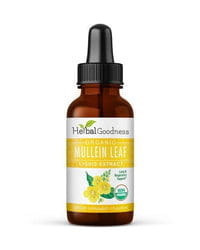
Mullein leaf’s delicate botanical compounds can be influenced by light, temperature, and time. The best mullein leaf extract is typically stored in dark glass bottles or opaque packaging, and many companies include a “best by” date to help guide your storage habits. Mullein Leaf - Organic 15X Liquid Extract - Respiratory & Lung Health comes in light-protective packaging, helping ensure freshness and shelf stability.
Making Sense of Label Language: Practical Scenarios
Let’s walk through a few examples to help put these abstract concepts into practice:
Scenario 1:
- You see a 500 mg serving of 1:1 mullein extract in a capsule. The ingredient list includes only mullein and rice flour.
- Interpretation: 500 mg of dried mullein per capsule; simple, traditional, mild potency. If you’re interested in pure ingredient capsules, an option to consider is Papaya Leaf Extract - Capsules 600mg - 10X Strength.
Scenario 2:
- Another label shows 200 mg of 10:1 liquid mullein extract in a glycerin base.
- Interpretation: Each dose is the equivalent of 2,000 mg of raw leaf; concentrated, alcohol-free.
Scenario 3:
- A product claims "standardized to 4% saponins, ethanol extraction, 150 mg per serving."
- Interpretation: Emphasizes consistency; 150 mg of extract with each serving containing a specified percentage of plant compounds, suspended in alcohol for broad-spectrum extraction.
Questions to Ask Before Choosing Your Mullein Extract
- Does the label disclose extract ratio and mg per serving in transparent, comparable terms?
- What is the extraction method—glycerin, ethanol, or other? Mullein Leaf - Organic 15X Liquid Extract - Respiratory & Lung Health is one of many liquid options that may specify method on the label.
- Are there third-party test results or certifications?
- Is the ingredient list clear, without unnecessary additives?
- How is the product stored and what is its shelf life?
- Does the brand transparently share sourcing or sustainability details?
By weighing these factors, you’re well equipped to make decisions based on facts rather than marketing messages alone. And when looking for variety with similar standards, Mullein Leaf Tea - Organic 24 Tea Bags - Respiratory & Lung provides a convenient alternative.
Why Label Literacy Empowers Better Herbal Selections
As more people explore botanical wellness, the skill of “label literacy” empowers you to choose confidently, whether you’re new to mullein or refining your supplement regimen. Understanding the story behind words like extract ratio, standardized, and mg per serving means you’ll know exactly what you’re bringing into your daily routine—free from hype and confusion.
Remember: Like any natural product, personal preference, individual needs, and quality factors all play a role. If in doubt, consult a Personal Consultation with Herbalist or Health Coach for guidance tailored to your unique context.
Frequently Asked Questions About Mullein Leaf Extract
1. What is an extract ratio, and why does it matter?
An extract ratio (like 4:1 or 10:1) indicates how much raw plant was used to produce a given amount of extract. It helps you compare the concentration and potency between different mullein products.
2. How do I know if an extract is standardized?
Standardized extracts list a specific percentage or amount of a plant compound (such as saponins or verbascoside) on the label. Check for phrases like "standardized to 5%." If there’s no mention of standardization, it’s likely a traditional extract.
3. What should I consider when comparing glycerin and ethanol-based mullein extracts?
Glycerin-based mullein extracts are alcohol-free and tend to be milder in taste, while ethanol-based tinctures may offer a broader array of plant constituents. The choice depends on your preferences and lifestyle needs.
4. Is higher concentration always better in mullein supplements?
Not necessarily. The best extract for you may depend on desired experience, sensitivity, and usage. Both mild and concentrated extracts can be appropriate, depending on individual preference.
5. How important is third-party testing for mullein extracts?
Third-party testing is a sign of transparency and a way to ensure the supplement meets quality benchmarks for identity and purity. While not mandatory, it can reassure you of the product’s integrity.
6. What else should I look for in high-quality mullein leaf extract?
Look for transparent labeling, ingredient purity, responsible sourcing, absence of unnecessary fillers, and appropriate storage details to ensure a thoughtful choice.
7. Can I combine mullein extracts with other herbal products?
You may combine mullein extracts as part of a thoughtfully balanced regimen, but always check serving guidelines and consider consulting a holistic practitioner for personalized guidance.
Explore With Confidence
Taking time to understand mullein leaf extract labels and terminology empowers you as an informed shopper. Your knowledge about extract ratios, serving sizes, carriers, and quality indicators ensures that each product choice is guided by facts and personal values—not just packaging. Continue your journey in botanical wellness by exploring labels and information with curiosity and care.
FAQs:
- What is an extract ratio, and why does it matter?
An extract ratio (like 4:1 or 10:1) shows how much raw plant was concentrated to produce the final extract. It helps you compare product potency and choose the format that matches your needs.
- How do I know if an extract is standardized?
Standardized extracts will state a percentage or amount of a specific plant compound on the label. Look for details like "standardized to 5%." Non-standardized products usually omit these specifics.
- What should I consider when comparing glycerin and ethanol-based mullein extracts?
Glycerin-based extracts are alcohol-free and milder in taste, while ethanol-based tinctures can extract a broader range of plant components. Choose based on lifestyle needs and personal preferences.
- Is higher concentration always better in mullein supplements?
Not always. The best concentration depends on your desired experience and personal sensitivity, as well as practical factors like serving size and usage frequency.
- How important is third-party testing for mullein extracts?
Third-party testing boosts confidence in product identity and purity but isn’t mandatory for all shoppers. It can reassure those valuing transparency and quality verification.
- What else should I look for in high-quality mullein leaf extract?
Transparent labels, pure ingredients, responsible sourcing, absence of fillers, and clear storage and expiration details are all hallmarks of thoughtfully crafted products.
- Can I combine mullein extracts with other herbal products?
You can incorporate mullein extracts into a balanced herbal regimen, but always review serving guidelines and consider discussing with a holistic practitioner if needed.
Author Name:
Herbal Goodness Editorial Team
Author Bio:
The Herbal Goodness Editorial Team specializes in holistic health and superfoods, blending science and nature to educate and empower our community.
References:
Herbal Supplement Quality – National Institutes of Health
Botanical Extracts: Definitions and Label Information – American Botanical Council