Bamboo Leaves & the Planet: Sustainable Harvesting & Ecosystem Impact

Bamboo Leaves & the Planet: Sustainable Harvesting & Ecosystem Impact
Bamboo leaves have captured the attention of wellness seekers and eco-conscious consumers, not just for their traditional uses but for their reputation as one of the most sustainable plant resources on the planet. Yet, what does “sustainable bamboo” actually mean—especially when it comes to the leaves used in teas, powders, and supplements? This beginner’s guide answers that question by exploring how bamboo harvesting and farming practices influence soil vitality, biodiversity, and community well-being. Along the way, you’ll learn simple questions to guide your choices and how regenerative approaches set the gold standard for eco-friendly plant-based wellness.
The Role of Bamboo in Modern Plant-Based Wellness
Bamboo is far more than just a fast-growing grass. In recent years, its leaves have found their way into a range of herbal products, valued for their smooth taste and history of traditional use. But beyond their wellness appeal, bamboo leaves also play a major role in conversations about the environmental footprint of herbal ingredients. Understanding bamboo through an ecological lens helps us appreciate both its benefits and responsibilities.
What Sets Bamboo Apart?
- Remarkably Rapid Growth: Bamboo can outpace most plants, reaching maturity in three to five years. This makes it a renewable resource when managed wisely.
- Minimal Input Requirements: It often grows well without heavy use of fertilizers or synthetic chemicals.
- Carbon Absorption: Bamboo is celebrated for its ability to absorb carbon dioxide, making it a helpful addition to efforts toward climate resilience.
Sustainable Bamboo Harvesting: What It Looks Like
The environmental impact of bamboo leaves begins not with the end product but at the source. How bamboo is harvested can make all the difference for the land, plants, and people involved.
Selective Cutting and Rotational Harvesting
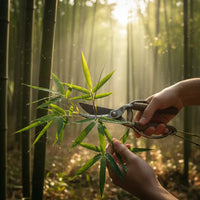
Sustainable bamboo harvesting usually means selective cutting—removing mature stems and leaves while leaving younger shoots undisturbed. This practice:
- Encourages natural regeneration
- Preserves root systems (preventing erosion)
- Supports ongoing habitat for surrounding wildlife
In contrast, aggressive clear-cutting or harvesting without a plan can compact the soil, disrupt water cycles, and reduce plant diversity. If you’re considering adding bamboo wellness products to your daily rituals, learning about responsible plant-based ingredients can help ensure your choices nurture both body and planet.
Timing Harvests for Ecosystem Health
Bamboo’s growth cycle is seasonal. Ethical harvesters work with this rhythm—choosing specific periods when cutting has minimal impact on reproductive cycles and adjacent plant communities.
Why it matters:
- Protects habitat for birds, insects, and small mammals that rely on bamboo stands
- Reduces stress on individual plants, safeguarding long-term viability
Sustainable Farming Practices: Beyond Quick Growth
While bamboo’s fast growth is commonly touted as eco-friendly, the story is detailed. Farming practices, from land use to cultivation methods, profoundly shape the plant’s impact.
Regenerative Agriculture and Bamboo
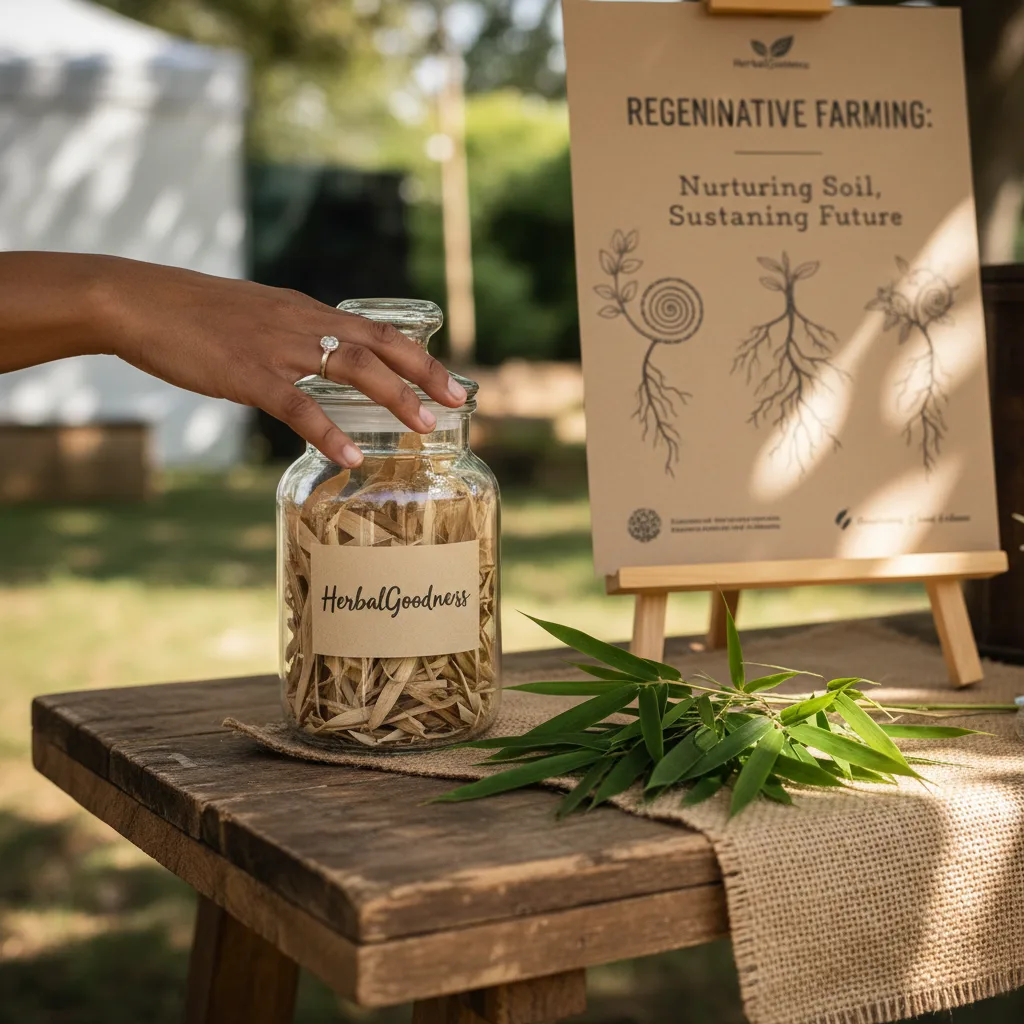
Regenerative bamboo farming goes beyond “no harm” and actively heals the landscape. Practices include:
- Agroforestry: Integrating bamboo with native trees and plants, fostering polycultures that support soil health
- No-Till or Low-Till Cultivation: Disturbing the soil as little as possible keeps underground ecosystems thriving
- Organic Principles: Use of natural fertilizers, compost, and pest management, avoiding synthetic chemicals
For those interested in combining sustainability with taste and wellness, exploring options like Bamboo Leaf Tea – 24/1.5g Tea Bags - Nature's Collagen & Biotin is a flavorful introduction to responsible, eco-minded botanicals.
Soil Health and Water Conservation
Bamboo’s root systems are masterpieces of nature, holding soil in place and helping retain moisture. Sustainable growers may:
- Use mulch to maintain soil moisture
- Avoid over-irrigation, preserving local water tables
- Periodically test soil to monitor and protect its structure and nutrient levels
Selecting products that are mindful of these issues, such as a liquid bamboo leaf extract, supports cultivation practices that uphold the planet’s integrity.
Biodiversity: The Big Picture
Healthy bamboo farms support—not displace—local biodiversity. This can mean:
- Leaving undisturbed patches of native vegetation around bamboo groves
- Planting pollinator-friendly borders
- Monitoring and protecting habitat for local wildlife
Key takeaway: Thoughtful bamboo farmers consider the ecosystem as a whole, treating leaf harvest as just one chapter in a cyclical relationship with the land.
Ethical Sourcing and Fair-Harvest Considerations
Sustainability isn’t only about the environment. Harvesting bamboo leaves thoughtfully also considers the well-being of the communities growing and processing them.
Supporting Local Communities
Responsible bamboo sourcing involves:
- Ensuring fair wages and safe working conditions for all harvesters
- Respecting traditional knowledge around bamboo care and use
- Encouraging community leadership in land management decisions
If you value supporting rural economies, look for Papaya Leaf Extract Blood Support - 10X 60/450mg Capsules - Blood Platelet, which also focuses on ethical ingredient sourcing for wellness blends. This approach aligns with the need for transparency and lasting change in plant-based wellness.
Certifications and Transparency
While not every responsible supplier will have the same certifications, some common labels to look for include:
- Organic certification (limits use of chemical inputs)
- Fair Trade (supports labor rights and fair compensation)
- Sustainability seals from recognized environmental bodies
Transparency is just as important as certification. The best brands are open about who grows their bamboo and how it’s processed. Those seeking to amplify social impact and support innovative industry change can also explore herbal blends like the Graviola, Hibiscus, Bamboo Herbal Tea Trio – Bundle (3 Packs).
The Environmental Footprint of Bamboo Leaf Ingredients
Choosing bamboo leaves grown with care helps minimize negative impacts and nurtures the positive possibilities of plant-based wellness.

Key Questions to Ask When Sourcing Bamboo Leaf Ingredients
If you’re curious about the bamboo products you consume or sell, here are vital questions to consider:
- Where was the bamboo grown?
- Sourcing from regions with strong environmental governance adds credibility.
- What farming practices are used?
- Was the bamboo part of a regenerative or polyculture system, or grown in a monoculture plantation?
- How are leaves harvested?
- Are mature leaves selectively picked, or is clear-cutting involved?
- Are organic or sustainable certifications in place?
- Even if not certified, transparent disclosures matter.
- What is the role of local communities?
- Are harvesters empowered and compensated fairly? Is their well-being considered in business decisions?
Small Choices, Big Impact
Bamboo leaves sourced from ecological and ethical systems can help preserve:
- Soil health and resilience
- Watershed vitality
- Biodiversity at all levels
- Livelihoods for rural communities
Choosing brands supporting regenerative agriculture, such as Bamboo Leaf - Organic 1oz 15X Liquid Extract - Nature's Collagen & Biotin, extends the benefits to both consumers and the natural world.
Regenerative Bamboo: The Gold Standard
Some farms and collectives around the world are pioneering regenerative bamboo models—transforming degraded land into vibrant, multi-species ecosystems and providing benefits for both nature and people.
Practical Features of Regenerative Bamboo Farms:
- Mixed planting with fruit or nut trees (enhancing food security)
- Rainwater harvesting and natural fertilizer cycling
- Training programs for local growers and youth
- Monitoring systems for ongoing ecological health
Those seeking a diverse herbal tea experience may want to discover options like the Graviola, Hibiscus, Bamboo Herbal Tea Trio – Bundle (3 Packs), which brings together botanicals grown with environmental care.

Why Regenerative Bamboo Matters for Plant-Based Wellness Enthusiasts
If you’re passionate about plant-based living and herbal wellness, your curiosity about how ingredients are grown and harvested is a powerful tool. Seeking out bamboo leaves from regenerative and ethical sources:
- Ensures your wellness rituals have a lower environmental impact
- Supports farming communities and revitalizes landscapes
- Encourages the entire herbal wellness industry to move toward transparency and responsibility
The path to regenerative, sustainable bamboo is ongoing, and every question, conversation, and conscious choice helps create positive momentum.
Making Conscious Choices: Simple Steps for Beginners
You don’t have to be a botanist or a sustainability expert to make informed decisions about bamboo leaves. Here are some easy steps for anyone new to the subject:
- Look for clear sourcing information on product packaging or company websites
- Ask questions—many customer care teams are happy to discuss farming, harvesting, and certifications
- Prioritize transparency and educational brands that share not just what’s in a product but how it’s made and who is involved
- Share what you learn—conversations with friends or online communities can amplify positive change
Expanding your palate with eco-friendly teas or herbal blends contributes to industry transparency, especially when choosing herbal tea blends that spotlight sustainable sourcing.
The Future of Bamboo Leaves and Sustainable Wellness
With its rapid growth and historical role in diverse cultures, bamboo will likely remain at the forefront of sustainable botanicals. The evolution of mindful, regenerative bamboo farming and harvesting benefits everyone—from the earth beneath our feet to wellness enthusiasts across the globe.
FAQs:
- Why is bamboo considered a sustainable resource?
Bamboo's rapid growth and ability to thrive with minimal chemical inputs make it an excellent renewable resource. Its resilience allows for frequent harvesting without exhausting the plant, and its root systems prevent soil erosion—factors that contribute to overall sustainability.
- What does regenerative bamboo farming mean?
Regenerative bamboo farming involves practices that restore soil health, protect biodiversity, and contribute positively to local ecosystems and communities. Methods may include agroforestry, organic inputs, and integrating bamboo into diverse natural landscapes, supporting both environmental and social health.
- How can I identify sustainably sourced bamboo leaves?
Look for clear sourcing information, sustainable certifications, or direct disclosures from brands regarding their farming and harvesting practices. Brands committed to sustainability are often transparent about their supply chains and may highlight partnerships with regenerative farms or local communities.
- Does harvesting bamboo leaves harm the environment?
When conducted selectively and in sync with nature’s cycles, bamboo leaf harvesting can be quite gentle on the land. Issues typically arise when harvesting becomes too aggressive, involves clear-cutting, or disregards the health of the greater ecosystem.
- How does bamboo farming impact local communities?
Ethical bamboo farming can support rural economies, provide stable income, and empower local traditions of stewardship. It is important that harvesters are treated fairly, paid ethical wages, and involved in decisions for long-term sustainability.
- What should I ask when buying bamboo leaf products?
Ask about where and how the bamboo was grown, whether sustainable or organic practices are followed, and how communities are supported. Inquiring about harvesting methods and any certifications can provide greater transparency.
Author Name:
Herbal Goodness Editorial Team
Author Bio:
The Herbal Goodness Editorial Team specializes in holistic health and superfoods, blending science and nature to educate and empower our community.
References:
Introducing Graviola to Young Taste Buds: Fun, Family-Friendly Flavor Exploration
Graviola in the Classroom and at Home: Creative Activities to Teach Kids About Tropical Plants