

Bamboo Leaf Extract for Scalp Microbiome: Science Explained
Understanding the scalp microbiome is key to making sense of many new approaches to scalp health. As researchers turn their attention to the microscopic world living on our skin and hair, one question keeps coming up: how do we know what really makes a difference? Bamboo leaf extract is a great example of a topical botanical ingredient that often enters the scientific conversation. In this beginner-friendly guide, you’ll discover what the scalp microbiome is, what researchers look for in their studies, and how bamboo leaf extract fits into this scientific dialogue—all so you can better understand what’s behind the claims you see on store shelves.
What Is the Scalp Microbiome?
The scalp microbiome refers to the community of microorganisms—mainly bacteria, yeasts, and fungi—that naturally live on the surface of the scalp. This microscopic ecosystem is unique to every person, and, much like the gut microbiome, its balance is influenced by factors like genetics, environment, and how we care for our hair. Scientists have found that a healthy scalp microbiome is typically characterized by a diverse and stable mix of beneficial microbes. When this balance is disrupted, the scalp may behave differently, which is why researchers want to understand how various ingredients affect it.
How Is the Scalp Microbiome Measured by Scientists?
Sample Collection Techniques
To measure the scalp microbiome, scientists typically collect small samples from the scalp surface using swabs, tapes, or rinses. These samples are then analyzed using advanced techniques, such as DNA sequencing. This allows researchers to identify which species are present and in what proportions.
Key Research Endpoints
When studying the scalp microbiome, researchers often focus on a handful of key parameters:
- Microbial balance: Identifying changes in the mix of bacteria and fungi.
- Sebum production: Measuring how much natural oil the skin creates.
- pH levels: Monitoring any shifts in scalp acidity.
- Barrier markers: Observing indicators related to the scalp’s protective barrier, such as moisture retention and protein changes.
These endpoints offer insights into how a particular product or ingredient may influence the scalp environment over time. Botanical supplements that support the body’s natural defenses, like Soursop Leaf Graviola Extract 15X Liquid | Organic Cell & Immunity, may also play a role in general wellness, which can impact scalp and hair health on a broader scale.
Why Botanicals Like Bamboo Leaf Extract Are of Interest in Scalp Studies
Topical botanicals, including bamboo leaf extract, are increasingly popular in scalp and hair formulations. Researchers are interested in these ingredients for several reasons:
- Rich composition: Bamboo leaf extract is valued for being a source of bioactive compounds, such as silica, polyphenols, and flavonoids, which are traditionally appreciated for their antioxidant properties.
- Potential for supporting balance: Some botanical ingredients are examined for their potential to help maintain or support a favorable environment on the skin surface, supporting a healthy microbiome.
- Consumer demand: There is a strong interest in plant-based, multifunctional ingredients in personal care, and products like Bamboo Leaf Tea 24 Bags | Nature's Silica – Collagen & Biotin Support offer a way to incorporate these botanicals into daily routines.
Due to these factors, bamboo leaf extract frequently appears in scientific discussions and experimental formulas aimed at studying the effects on the scalp microbiome.
Types of Studies Used to Understand Bamboo Leaf Extract’s Role
1. Laboratory (In Vitro) Studies
In vitro studies are conducted outside living organisms—typically in petri dishes or flasks—where scientists add bamboo leaf extract to samples of bacteria or skin cells. This helps them observe any interactions between the extract and microbes found on the scalp. While these experiments are important for early insights, results from lab studies are not always directly transferable to real-life scalp conditions.
2. Ex Vivo Research
Ex vivo methods study samples taken from the scalp—like skin sections or hair follicles—and expose them to bamboo leaf extract in controlled conditions. This approach allows researchers to see how the extract might work when it comes in contact with actual scalp tissue, providing a step closer to real-world relevance compared to in vitro studies.
3. Human Observational and Pilot Studies
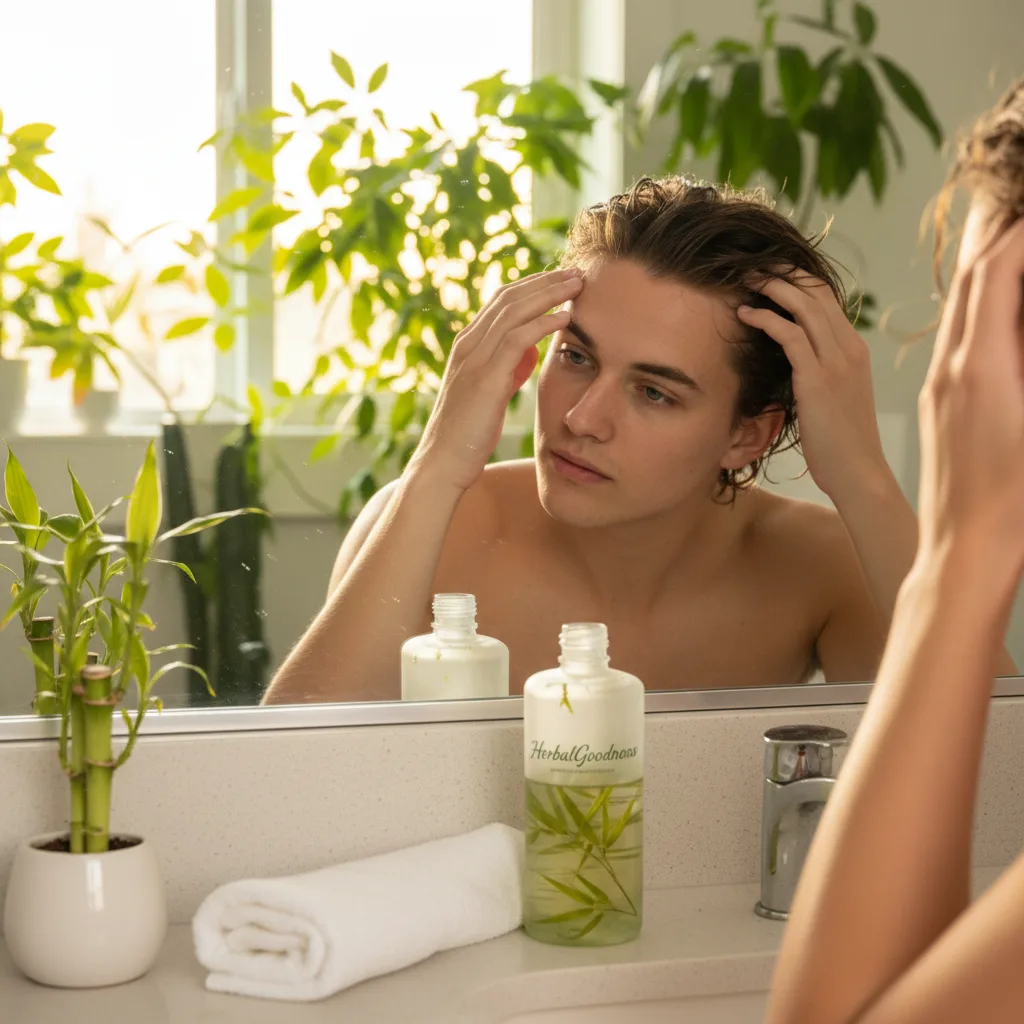
Ultimately, many questions can only be answered by observing real people. In observational or pilot tests, participants may use shampoos, masks, or serums containing bamboo leaf extract. Researchers then measure microbial balance, scalp pH, sebum, or other barrier markers before and after the trial period. For those looking to support scalp health with botanicals, incorporating Bamboo Silica + Biotin Hair Growth Extract | 15X Liquid | Natural Hair & Follicle Support into routine care might provide practical benefits observed in small-scale studies.
Why Study Types Matter
Each study type provides a different level of insight:
- In vitro: Suitable for identifying possible effects or mechanisms.
- Ex vivo: Useful for understanding potential activity on scalp tissue.
- Human observational: Most valuable for gauging practical impact on people.
However, no single study can give all the answers. Multiple research methods help build a more complete picture of how an ingredient functions in context.
Study Endpoints: What Do Scientists Actually Measure?
Digging deeper, studies investigating bamboo leaf extract and the scalp microbiome commonly examine:
Microbial Diversity and Balance
Researchers use DNA sequencing to assess both the range (diversity) and proportion (balance) of microbial species present. Noticeable shifts in these metrics after using an ingredient like Bamboo Leaf Organic 15X Liquid Extract | Silica, Collagen & Biotin can signal its impact—favorable or otherwise—on the scalp ecosystem.
Scalp Barrier Function
Beyond microbes, the scalp’s physical barrier acts as a shield. Studies may monitor barrier markers that relate to hydration, lipid content, or protein structure. This shows whether an ingredient is gentle or supportive to scalp wellness. For replenishing benefits from within, Raw Sea Moss 8oz Bag | St. Lucia Wildcrafted – Nature's Multivitamin is known for its mineral content, which can be a valuable dietary complement to topical botanicals.
Sebum and pH Levels
Sebum (the scalp’s natural oil) plays a complex role in microbial balance. Too little or too much sebum may alter which microorganisms thrive. Similarly, pH changes can influence which species predominate. When testing bamboo leaf extract, researchers often check these endpoints to see if it maintains typical values.

Practical Use Considerations
All results must be interpreted in view of real-world application—frequency of use, product formulation, and individual differences are all important to consider.
How to Interpret Scalp Product Claims—A Consumer’s Guide
With so many scalp care products highlighting their natural, science-backed ingredients, it’s natural to wonder: what should you look for in a credible claim? Here are key questions to ask as you read labels or browse scientific discussions:
Has the Ingredient Been Studied in the Intended Use?
Check whether bamboo leaf extract—or any featured ingredient—has been observed in the context you care about (e.g., leave-on serum vs. rinse-off shampoo). Study context influences practical relevance. For those interested in botanical blends, sipping Bamboo Leaf Tea 24 Bags | Nature's Silica – Collagen & Biotin Support could accompany your topical hair routine.
What Type of Study Supports the Claim?
Does the claim reference lab (in vitro), ex vivo, or observational human research? Each has strengths and limitations. Human observational studies often carry the most real-world weight, though early lab research is also valuable.
Which Endpoints Were Measured?
Look for claims based on measurable changes to the scalp environment—microbial balance, sebum levels, pH, and barrier markers—rather than vague outcomes. This makes the science more transparent and relevant to your own care choices.
Are Results Described Transparently?
Credible brands and researchers will share specifics about how measurements were taken and what changes were seen. General promises without details may not tell the full story.
Is There Discussion of Individual Differences?
Scalp microbiomes are unique. If a product or study acknowledges variation among users, it suggests an honest, thoughtful approach. In choosing products, considering those based on transparent ingredient sourcing and focus—like Bamboo Silica + Biotin Hair Growth Extract | 15X Liquid | Natural Hair & Follicle Support—is a proactive step.
Where Does Bamboo Leaf Extract Fit Into the Scientific Conversation?
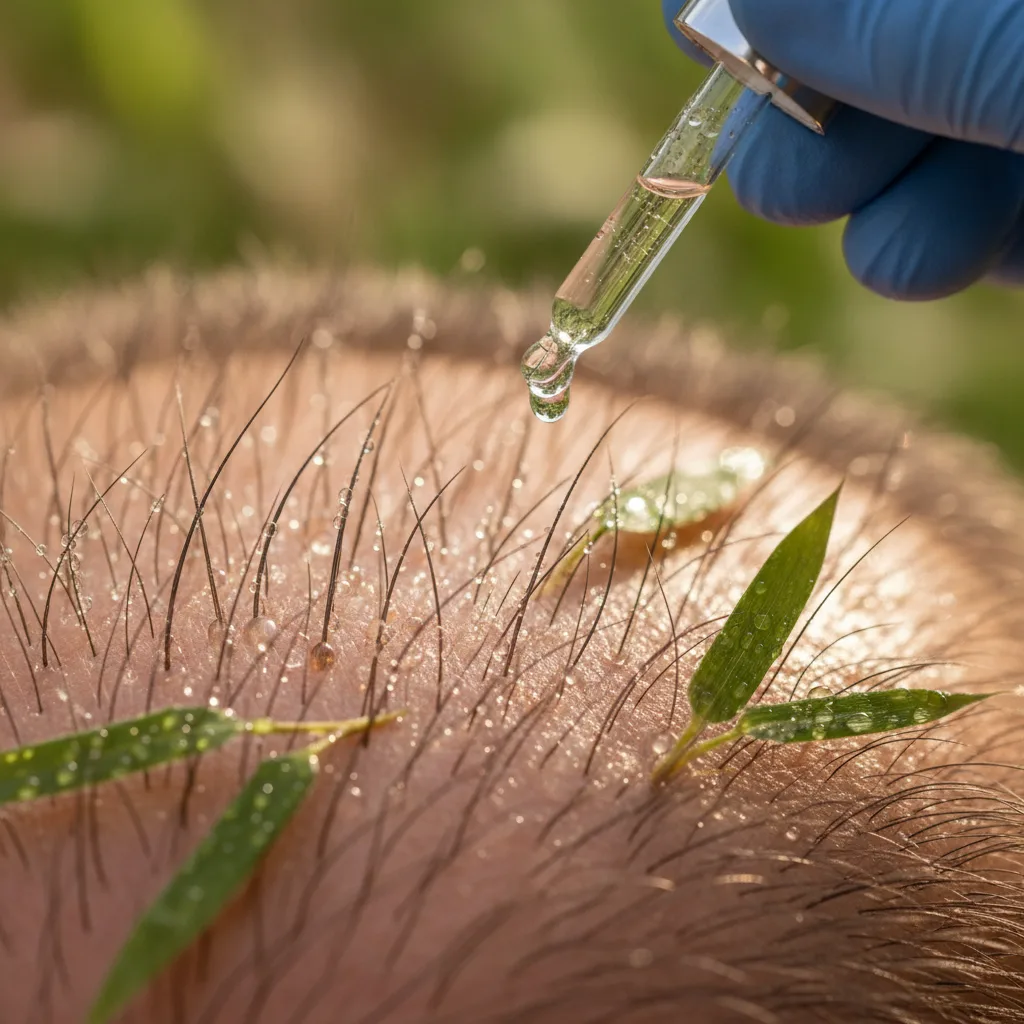
Bamboo leaf extract is seen by researchers as a promising botanical for scalp care due to its content of polyphenols and silica, among other compounds. Current studies are mostly in vitro or ex vivo, focusing on its effects on microbial communities, antioxidant activity, and the physical barrier of the scalp. The inclusion of bamboo leaf extract in observational studies is growing, where researchers and brands are interested to learn how everyday use may shape microbial patterns or support a comfortable scalp environment.
It’s important to remember that while bamboo leaf extract shows up regularly in research discussions, the quality of evidence depends on the study design, endpoints measured, and transparency of reporting. Critical thinking and an understanding of the scientific process empower consumers to make well-informed decisions about scalp care products featuring botanicals like Bamboo Leaf Organic 15X Liquid Extract | Silica, Collagen & Biotin.
What to Ask When Choosing a Scalp Product Featuring Bamboo Leaf Extract
When you see bamboo leaf extract listed in scalp formulas, consider asking these questions:
- What type of studies has the ingredient been included in (lab, ex vivo, or with real people)?
- Were microbial balance, sebum, pH, or barrier markers assessed?
- How does the product describe its sourcing or quality?
- Does the brand reference independent research, or only internal tests?
- Is the claim transparent about what was measured and observed?
Being curious about how scalp botanicals are studied, interpreted, and reported helps you prioritize formulas that back up their claims with credible science. And as research on the scalp microbiome continues to grow, so too will our understanding of ingredients like Bamboo Leaf Tea 24 Bags | Nature's Silica – Collagen & Biotin Support, putting more useful knowledge in the hands of consumers.
Frequently Asked Questions
Question 1: What is the scalp microbiome and why is it important?
Answer: The scalp microbiome is the unique community of microorganisms living on the surface of your scalp, including bacteria, fungi, and yeasts. Its balance is vital for scalp and hair wellness. A disrupted microbiome may relate to issues like dryness, excess oil, or discomfort. Supporting overall wellness with plant-based products such as Soursop Leaf Graviola Extract 15X Liquid | Organic Cell & Immunity may also have a positive impact on your body’s ecosystems.
Question 2: How do researchers test the effects of botanicals like bamboo leaf extract on the scalp?
Answer: Researchers use laboratory (in vitro), ex vivo, and human observational studies to test the effects of botanicals. They assess microbial balance, sebum levels, pH, and barrier markers before and after using an ingredient like Bamboo Leaf Organic 15X Liquid Extract | Silica, Collagen & Biotin to measure practical impact.
Question 3: Are there any topical or ingestible products with bamboo leaf extract?
Answer: Yes, Bamboo Leaf Tea 24 Bags | Nature's Silica – Collagen & Biotin Support offers bamboo leaf as a daily beverage, while Bamboo Leaf Organic 15X Liquid Extract | Silica, Collagen & Biotin is a focused liquid option. Both integrate well with scalp and hair wellness routines.
Question 4: What are key factors when choosing botanicals for scalp care?
Answer: Look for transparency in study type, ingredients, and sourcing quality. Prefer products featuring bamboo leaf extract with researched endpoints like microbial balance or barrier markers, such as Bamboo Silica + Biotin Hair Growth Extract | 15X Liquid | Natural Hair & Follicle Support. Individual scalp differences also play a role.
Question 5: Can incorporating dietary botanicals benefit scalp and hair health?
Answer: Yes, consuming minerals and antioxidants from sources like Raw Sea Moss 8oz Bag | St. Lucia Wildcrafted – Nature's Multivitamin may support the body’s wellness infrastructure, complementing the topical use of plant-based scalp products.
Question 6: Do scalp microbiome studies guarantee results for everyone?
Answer: No, results depend on individual scalp types, genetics, and lifestyle. Using products like Bamboo Leaf Tea 24 Bags | Nature's Silica – Collagen & Biotin Support is one way to incorporate botanicals, but effects may vary.
If you're exploring scalp care products that use botanicals like bamboo leaf extract, understanding the research behind these ingredients can help you make more thoughtful choices. Stay curious, consider the study design and endpoints, and look for transparent information as you select what’s best for your scalp.
About the Author
Herbal Goodness Editorial Team
The Herbal Goodness Editorial Team specializes in holistic health and superfoods, blending science and nature to educate and empower our community.
References
Oregano Oil vs. Black Seed Oil: Sensory & Sourcing Guide


FAQs
Drinking bamboo leaf tea supports hydration, relaxation, skin wellness, and antioxidant balance.
It’s used for general body wellness, skin elasticity, hair and nail support, and overall vitality.
Yes, bamboo leaf is rich in silica and antioxidants, which promote healthy skin, strong nails, and a youthful glow.
You can find dried bamboo leaf, powder, extract, drops, oil, and bamboo leaf green tea.
Bamboo leaf is generally safe when consumed in moderation. Always consult your healthcare provider before starting any new herbal supplement.