





Ashwagandha Liquid Extract Labels: Supplement vs Food vs Cosmetic

Ashwagandha has become a popular choice for those seeking botanical support – but when you shop for ashwagandha liquid extract online, you might notice a surprising fact: different products are labeled (and regulated) in very different ways. Is ashwagandha a dietary supplement, a food ingredient, or a cosmetic? Why do some products use certain claims or avoid others? For consumers, the difference isn’t always obvious. This guide breaks down label language and regulations in plain English, helping you decode what’s really in your cart – so you can make informed decisions on your wellness journey.
Understanding the Main Categories: Supplement, Food, and Cosmetic
When shopping for ashwagandha liquid extracts online, you’ll usually see them fall into three broad regulatory categories:
- Dietary Supplements
- Food Ingredients
- Cosmetics
Each of these categories is overseen by the FDA (Food and Drug Administration) in the United States, but the rules—and what manufacturers are allowed to say or promise—can be quite different. Knowing the basics of these categories will help you feel more confident shopping online and reading labels.
What Makes an Ashwagandha Product a Dietary Supplement?
Ashwagandha is best known in the U.S. as a dietary supplement, typically listed as a liquid extract, capsule, or powder. Dietary supplements are regulated under the Dietary Supplement Health and Education Act (DSHEA) of 1994. Products in this category must follow very specific labeling practices and ingredient standards.
Dietary Supplement Ashwagandha Products Must:
- List the words "dietary supplement" on the label
- Include a Supplement Facts panel with serving size and active ingredients
- Be intended for internal consumption (swallowing, not topical use)
- Specify Suggested Use or Dosage information
- Avoid claims that suggest use for medical conditions or specific results (instead, you’ll see statements about supporting general wellness)
What You’ll See on the Label:
- Brand and product name (e.g., Ashwagandha Extract | Organic Root Liquid – Stress, Energy & Mood)
- “Dietary Supplement” clearly listed
- Supplement Facts label
- List of ingredients (including solvents, natural flavors, etc.)
- Standard disclaimer: “These statements have not been evaluated by the FDA…”
Claims You Might See (and Why):
- “Supports stress management”
- “Promotes relaxation”
- “Traditionally used for vitality”
These statements are structured to fit the supplement regulations. U.S. law prohibits supplement brands from making disease or drug-like claims. Look for cautious, general benefit language when the product is regulated as a supplement.
If you're interested in complementary botanical support, explore the Soursop Leaf Graviola Extract 15X Liquid | Organic Cell & Immunity for further supplement options.
What About Ashwagandha as a Food Ingredient?
Some brands offer ashwagandha in forms intended as a food or drink additive—think herbal elixirs, teas, or smoothie boosters. Food products are also regulated by the FDA but must follow different guidelines than supplements.
Food Ashwagandha Products Must:
- Use a Nutrition Facts panel, not a Supplement Facts panel
- Specify that the ashwagandha is part of a food or beverage, not dosed like a supplement
- Avoid the word “supplement” or any medical-sounding language
What You’ll See on the Label:
- “Ingredients” list with ashwagandha included
- Nutrition Facts with standard nutrition info (calories, carbs, etc.)
- Serving suggestion, such as “add one teaspoon to a smoothie”
Claims You Might See (and Why):
- “Herbal ingredient for drinks or cooking”
- “Add to your favorite beverages”
- Rarely, brands may reference traditional culinary use
If you appreciate the versatility of botanical extracts, adding an herbal boost to smoothies or teas can be as simple as using Organic Papaya Leaf Extract 16oz | 15X Liquid – Best Value Size or similar food-focused options. Knowing this, you can distinguish a “food” label by the lack of Supplement Facts and the focus on culinary preparation.
When Is Ashwagandha Regulated as a Cosmetic?
While uncommon, some ashwagandha extracts are used in topical beauty or personal care products—such as creams, balms, or serums. When ashwagandha is for external use on skin, the FDA considers it a cosmetic. This leads to different labeling requirements and legal claims compared to supplements or foods.
Cosmetic Ashwagandha Products Must:
- List ingredients, in descending order of quantity
- Include directions for intended use (e.g., “apply to clean skin”)
- Avoid any claims about internal effects or body function
- Focus on cosmetic benefits only (appearance, feel, or scent)
What You’ll See on the Label:
- Words like “serum,” “cream,” or “balm”
- Ingredient list without a Supplement Facts or Nutrition Facts panel
- Claims about moisturizing, soothing, or toning skin
Claims You Might See (and Why):
- “Nourishes skin”
- “For a radiant glow”
- “With herbal botanical extract”
If a product is labeled for cosmetic use, avoid consuming it or treating it as a supplement. For those searching for skin-focused botanicals, Herbal Papaya Bath Soap | 2 Bars/3.5oz – Natural Skin Cleanse & Glow is a dedicated personal care product designed for external use.
Why the Category Matters When Buying Online
Shoppers might see ashwagandha liquid extracts labeled as a supplement on one product page, a food ingredient on another, or even find ashwagandha in a cosmetic product. Understanding these distinctions is more than just a labeling exercise—it determines the claims you can rely on, how to use the product, and what quality standards the manufacturer must follow.
- Supplements: Intended to be consumed for general wellness
- Foods: Culinary ingredient, not dosed as a supplement
- Cosmetics: Only for external application, never for consumption
Misunderstanding the category can lead to confusion or misuse, especially when ordering online from unfamiliar sources. Each regulatory path tells you what you’re getting and how it can (and cannot) be legally promoted. Brands that supply ingredient transparency, such as those offering Blood Platelet Support with Papaya Leaf | Organic 15X Liquid Extract, make it easier for shoppers to identify a product's intended use.
Decoding Label Language: What to Look for Before You Buy
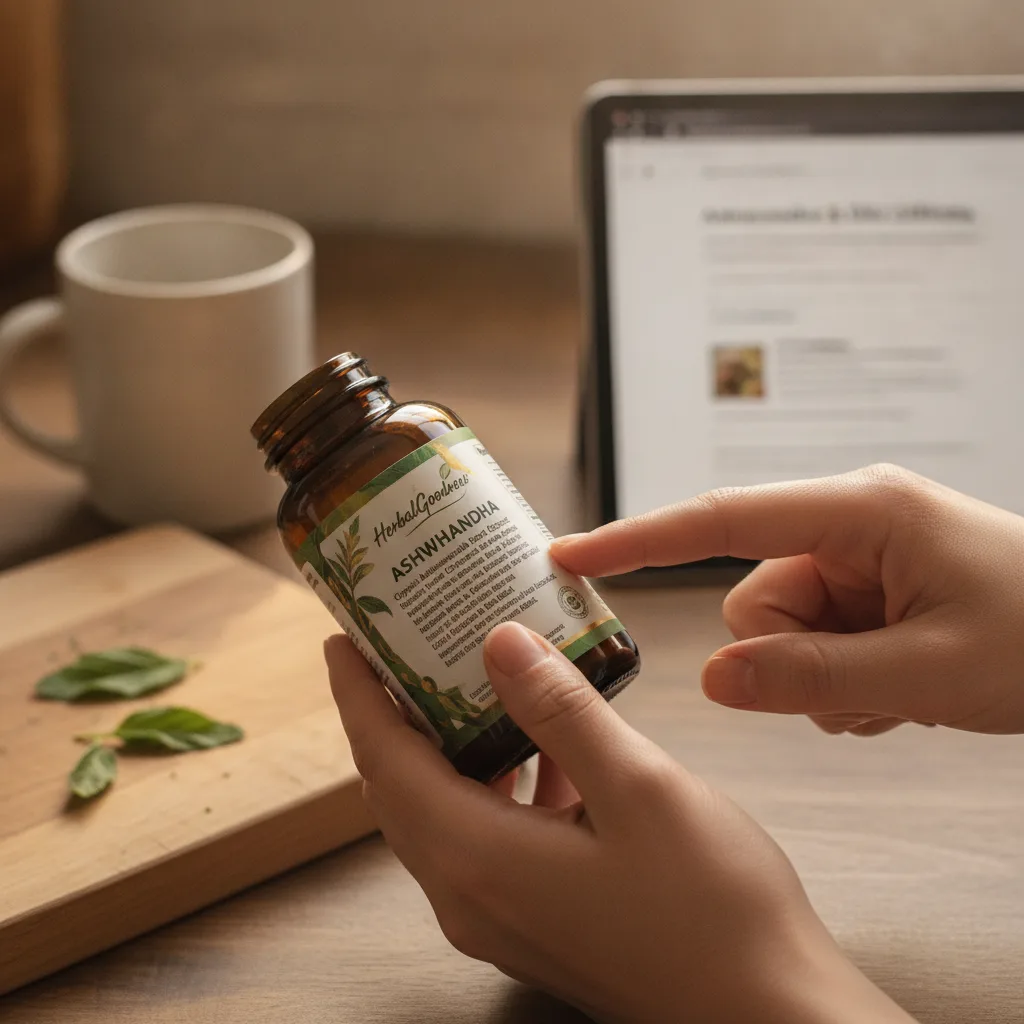
Read labels and product descriptions carefully. Here are some practical tips to identify which regulatory category your ashwagandha liquid extract falls under:
- Look for “Dietary Supplement” language: If you see “Take one dropper by mouth,” “Dietary Supplement,” or a Supplement Facts label, you’re looking at a supplement.
- Check for “Nutrition Facts” and food-based suggestions: If usage directions talk about “mixing in tea or smoothies,” look for the Nutrition Facts panel and simple ingredient list. This indicates a food ingredient.
- Spot “Cosmetic” or external use wording: If the label says “For topical use” or “Apply to skin,” and lists ashwagandha among other skin-focused botanicals, it’s a cosmetic product.
Manufacturers that follow good practices will use clear and appropriate language, helping you as a consumer make smart choices.
How Allowable Claims Differ by Category
One of the most telling signs of a supplement, food, or cosmetic product is the specific benefit statements brands are legally allowed to use:
- Dietary Supplements: May discuss general structure or function benefits (e.g., “supports relaxation”), but must include a legal disclaimer.
- Foods: May describe flavor, culinary history, or nutritional value, but cannot use supplement-style claims.
- Cosmetics: Focus strictly on topical effects like skin feel or appearance—no internal or medical-related claims.
Label claims are tightly regulated. If you see any that seem too good to be true, consider it a potential red flag. Products with clear claims, truthful descriptions, and strong quality indicators—such as Ashwagandha Extract | Organic Root Liquid – Stress, Energy & Mood—are easier to trust.
Simple Questions Shoppers Can Ask Before Buying Ashwagandha Liquid Extract Online
With so many marketing terms and product formats, it helps to ask direct, practical questions as you compare ashwagandha products in your online search.
-
Is this product intended for internal use, external use, or both?
-
Reliable brands will answer clearly and direct you to appropriate product formats, whether that's liquid extracts or topical options like Herbal Papaya Bath Soap | 2 Bars/3.5oz – Natural Skin Cleanse & Glow.
-
Does the product carry a Supplement Facts or Nutrition Facts label?
-
This tells you if it’s a supplement or food. For example, nutrition-focused products such as Organic Papaya Leaf Extract 16oz | 15X Liquid – Best Value Size follow the proper protocols for food ingredients.
-
Are there clear instructions for use?
-
Supplements should give a suggested serving by mouth; foods suggest culinary use; cosmetics guide external application.
-
What specific claims are made on the label or page?
-
Look for general “wellness” claims in supplements, culinary suggestions in foods, and appearance-related phrases in cosmetics. For immune and cell health support, Soursop Leaf Graviola Extract 15X Liquid | Organic Cell & Immunity makes claims within allowable supplement boundaries.
-
Is there a disclaimer about the FDA’s role?
-
Supplements must use the standard disclaimer about statements not being evaluated by the FDA. Lack of this can signal improper labeling. Trusted sellers make this information clear across their wellness and adaptogen products.
-
Does the company provide a full ingredient list and manufacturer information?
-
Transparency is a positive sign, regardless of category. This is why all reputable product lines, including ashwagandha extracts and Blood Platelet Support with Papaya Leaf | Organic 15X Liquid Extract, offer clear labeling.
-
Are there third-party certifications, such as Non-GMO or organic?
-
While not required by the FDA, reputable brands (like Herbal Goodness) often highlight these to indicate quality sourcing and practices.
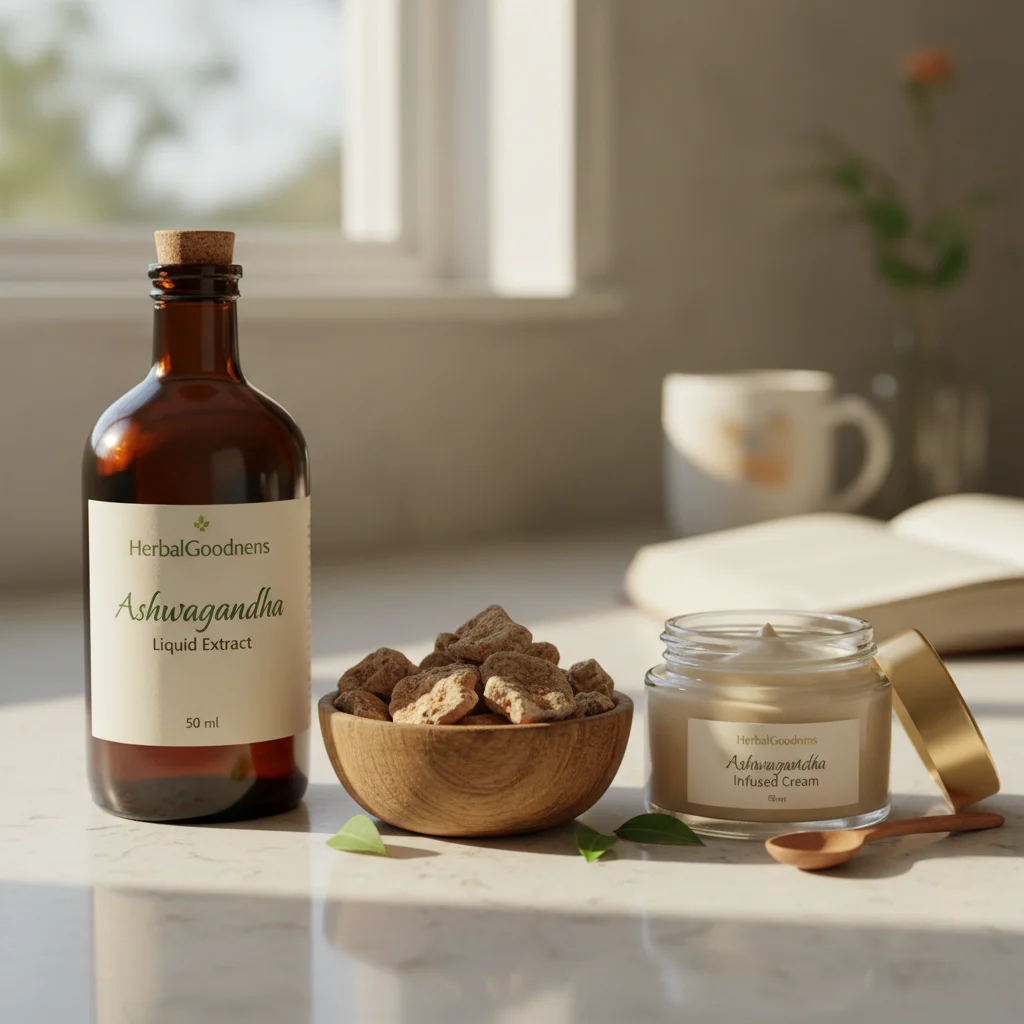
Asking these questions helps you avoid confusion and supports informed, confident choices when buying ashwagandha liquid extract online.
The Importance of Trusted Sources and Quality Standards
Online shopping makes comparing ashwagandha products easy, but it also increases the importance of buying from sources that clearly state their category, ingredient sourcing, and quality practices. A brand that offers transparent answers to your label-related questions is more likely to align with your values and priorities.
Whether you’re exploring ashwagandha supplements, food ingredients, or cosmetics, understanding the regulatory signals—and what’s legally allowed on the label—empowers you to find the product that fits your needs, intention, and preferences. If you seek comprehensive support, look for products with clear regulatory adherence, such as those in the Ashwagandha Extract | Organic Root Liquid – Stress, Energy & Mood family.

Whether you prefer a dietary supplement, culinary ingredient, or topical solution, the right knowledge makes selection simple, transparent, and safe.
Summary: Decode Labels, Find What Fits Your Wellness Journey
Navigating the array of ashwagandha liquid extracts online can feel overwhelming at first, but with a plain-English understanding of the core categories—dietary supplements, food ingredients, and cosmetics—you’ll know exactly what to look for. Pay attention to label language, claims, usage instructions, and the presence of Supplement Facts, Nutrition Facts, or ingredient lists. Asking smart questions and seeking clarity from trusted brands such as Herbal Goodness further secures your path to confident online shopping.
By understanding how ashwagandha liquid extract is categorized and labeled, you can make thoughtful decisions rooted in knowledge and clarity, supporting your individual wellness goals in a way that feels safe, informed, and truly right for you.
Frequently Asked Questions
Question 1: How do I know if my ashwagandha extract is a supplement, food, or cosmetic?
Answer: Check the label for specific panels: 'Supplement Facts' for supplements, 'Nutrition Facts' for foods, and ingredients/directions for external use for cosmetics. Clear indicator phrases help, and reputable supplements such as Ashwagandha Extract | Organic Root Liquid – Stress, Energy & Mood display these properly.
Question 2: Can I add ashwagandha extract to my smoothie?
Answer: If it's categorized as a food ingredient and shows a Nutrition Facts panel, yes. For example, Organic Papaya Leaf Extract 16oz | 15X Liquid – Best Value Size shows the right type of use for food preparations.
Question 3: What claims should I look for on an ashwagandha supplement?
Answer: Look for wellness-related claims such as 'supports stress management' or 'promotes relaxation.' Avoid products making medical or disease treatment claims. Products like Soursop Leaf Graviola Extract 15X Liquid | Organic Cell & Immunity are good examples of compliant label claims.
Question 4: Are personal care products with ashwagandha safe to eat?
Answer: No, cosmetic products such as Herbal Papaya Bath Soap | 2 Bars/3.5oz – Natural Skin Cleanse & Glow are for external use only and should not be ingested.
Question 5: Does FDA approval mean an ashwagandha product is safe?
Answer: The FDA does not 'approve' supplements or foods before they go to market—brands must comply with labeling and safety standards. Trusted products including Blood Platelet Support with Papaya Leaf | Organic 15X Liquid Extract provide disclaimers and transparency.
Question 6: What if a label has no facts panel or usage instructions?
Answer: Approach with caution. Always look for a Supplement Facts or Nutrition Facts panel and clear directions for use, which reputable brands provide.
Question 7: Can I use dietary supplements for food preparation?
Answer: Supplements are designed for use as indicated on the label (usually to be taken by mouth at a specific dose), not typically for culinary uses. Stick to food-labeled products for cooking or beverages.
Decoding ashwagandha label language and regulations is a smart step in your wellness journey. Know what to ask and look for, so you can shop with confidence and find the product format that fits your personal needs best.
About the Author
Herbal Goodness Editorial Team
The Herbal Goodness Editorial Team specializes in holistic health and superfoods, blending science and nature to educate and empower our community.
References
Introducing Graviola to Young Taste Buds: Fun, Family-Friendly Flavor Exploration
Graviola in the Classroom and at Home: Creative Activities to Teach Kids About Tropical Plants
Why Social Impact Matters in Plant-Based Wellness
Share this

Popular posts


FAQs
1. What are the main benefits of drinking bamboo leaf tea?
Drinking bamboo leaf tea supports hydration, relaxation, skin wellness, and antioxidant balance.
2. What is bamboo leaf extract used for?
It’s used for general body wellness, skin elasticity, hair and nail support, and overall vitality.
3. Can bamboo leaf help with skin care and body wellness?
Yes, bamboo leaf is rich in silica and antioxidants, which promote healthy skin, strong nails, and a youthful glow.
4. What forms of bamboo leaf are available?
You can find dried bamboo leaf, powder, extract, drops, oil, and bamboo leaf green tea.
5. Are there any side effects of bamboo leaf?
Bamboo leaf is generally safe when consumed in moderation. Always consult your healthcare provider before starting any new herbal supplement.