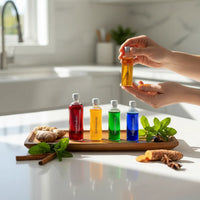
What’s Really Inside Organic Liquid Gut Support Extracts?

Curious about what’s inside an organic liquid gut support extract, how they’re made, or how to decode their labels? If you’ve just discovered herbal liquid extracts for digestive wellness, you’re not alone—these concentrated, plant-based liquids may seem mysterious at first glance. Understanding key quality factors, ingredient choices, and proper usage can empower you to make informed decisions as you shop for a gut support extract that aligns with your values and preferences.
In this beginner-friendly guide, we’ll open up the bottle, demystify the terminology, and shed light on label language. You’ll walk away understanding how organic liquid gut support extracts are crafted, what you’re actually consuming, and how to spot the details that matter (beyond the marketing hype).
How Organic Liquid Gut Support Extracts Are Made
One of the most fascinating aspects of any liquid herbal extract is the process used to draw beneficial plant compounds from botanical sources. For digestive support, functional herbs and botanicals are often chosen for their gentle properties and centuries-old traditional use.
The Extraction Process: Bringing Plant Benefits Into Liquid Form
To turn whole plants into a usable liquid form, the extraction process uses a liquid medium—called a solvent—to separate desired plant compounds from less-soluble matter like fiber, waxes, or resins. The resulting liquid contains concentrated essence of the plant, easily measurable and ready for internal use after proper dilution.
Some of the most common extraction methods you’ll see on a label include:
Alcohol Extraction
- Often called tinctures
- Uses food-grade ethanol as a solvent
- Draws out both water- and alcohol-soluble compounds
- Creates a longer-lasting and more shelf-stable extract
Glycerin Extraction
- Called glycerites
- Uses vegetable glycerin, often from coconuts or non-GMO soy
- Yields a sweet-tasting, alcohol-free option
- Good for those wishing to avoid alcohol
Water Extraction
- Also known as decoctions or infusions
- Uses hot or cold purified water as a solvent
- Extracts mainly water-soluble components
- Often used for gentle or child-friendly formulas
Each method influences the final extract’s taste, shelf life, and concentration profile. Many manufacturers blend these methods for a balanced spectrum of plant benefits. As you shop for a gut support extract, consider your preference around taste, alcohol content, and plant part extraction.
What’s Actually In The Bottle?
Once you understand the extraction method, it’s time to break down what’s inside—beyond the buzzwords. The ingredient list and Supplement Facts panel tell a story about quality, purity, and the extract’s overall character.
Herbs and Botanicals
- The backbone of your extract; look for botanicals long valued for digestive health, such as ginger root, fennel seed, or slippery elm bark.
- Labels should note the part of the plant used (e.g., root, leaf, seed) and whether the source is certified organic. Popular herbal extracts that support gut wellness include Organic Papaya Leaf Extract 16oz | 15X Liquid – Best Value Size and Soursop Leaf Graviola Extract 15X Liquid | Organic Cell & Immunity, which both provide robust digestive benefits.
Carriers and Base Liquids
- Alcohol (ethanol), vegetable glycerin, or water, as noted above—sometimes in combination.
- Non-GMO and organic sourcing are common quality signals. For those seeking an alcohol-free experience, options like Belly Bliss Liquid Extract | Natural Digestive Support & Gut Comfort use naturally sourced carriers for a gentler taste profile.
Additional Ingredients
- Some formulas may include natural flavors, organic apple cider vinegar (for taste and preservation), or a gentle sweetener like organic stevia.
- Avoid extracts with artificial preservatives, synthetic additives, or unnecessary colorings.
Organic and Non-GMO Certifications
- Only products labeled “USDA Organic” or similar third-party certifications can guarantee organic sourcing and standards.
- A “non-GMO” claim suggests the ingredients were produced without genetic engineering—a signal many conscious consumers seek alongside organic.
Decoding Extract Concentration and Label Terms
Liquid herbal extracts are available in a range of concentrations, which can sometimes confuse new shoppers. Often, you’ll see ratios and standardization descriptors on the bottle. Here’s what those mean:
Understanding Herb-to-Solvent Ratios
- A ratio like 1:1, 1:5, or 1:10 tells you how much raw herb was used relative to the solvent. For example, a 1:1 extract is made with one part herb per every one part solvent—resulting in a more concentrated product than a 1:10 extract, which uses more liquid to dilute the botanicals. If you want potent support, choose liquid extracts with stronger ratios such as Body Detox Papaya Seed 15X Liquid Extract.
- A smaller number before the colon generally indicates a stronger, more concentrated extract.
What “Standardized” Means On A Label
- Standardization refers to adjusting every batch to deliver a consistent level of a specific plant compound. For example, a product might guarantee “5% gingerols.”
- While not always essential, standardization is valued for consistency but may rely on some processing to isolate or concentrate certain plant constituents.
Choosing The Best Quality: What To Look For
- Seek clear ingredient lists with no hidden fillers
- Look for organic, non-GMO, and allergen-free claims relevant to your priorities
- Research the company—responsible sourcing matters
Practical Tips: Tasting, Diluting, and Storing Your Extract
Organic liquid gut support extracts are versatile and easy to use, but a few tips can help you get the most from every bottle.
How To Taste-Test A New Extract
- Place a suggested dose under your tongue for a few seconds to gauge flavor and aftertaste
- Consider diluting in a small glass of water or herbal tea for milder taste and easy sipping. Try pairing your extract with a soothing herbal beverage such as Organic Papaya Leaf Tea | 24 Premium Bags – Caffeine-Free.
- Note any potent flavors—alcohol-based extracts may taste more intense compared to glycerin or water bases
Safe Dilution and Mixing
- Always follow label directions for serving size
- For those preferring less intensity, mix your dose into 4–6 ounces of water, juice, or a smoothie. Some find Body Detox Papaya Seed | Organic 15X Liquid Extract for Gut convenient to blend into their daily routine.
- Avoid hot liquids, which can impact some fragile plant compounds
Storage and Shelf Life
- Alcohol-based tinctures usually have the longest shelf life (often several years)
- Glycerin and water-based extracts may need refrigeration after opening
- Keep all herbal extracts away from direct sunlight and high heat for best preservation. A shelf-stable option like Organic Papaya Leaf Extract 1oz | 15X Liquid – Trial & Travel Size is also ideal when you’re traveling.
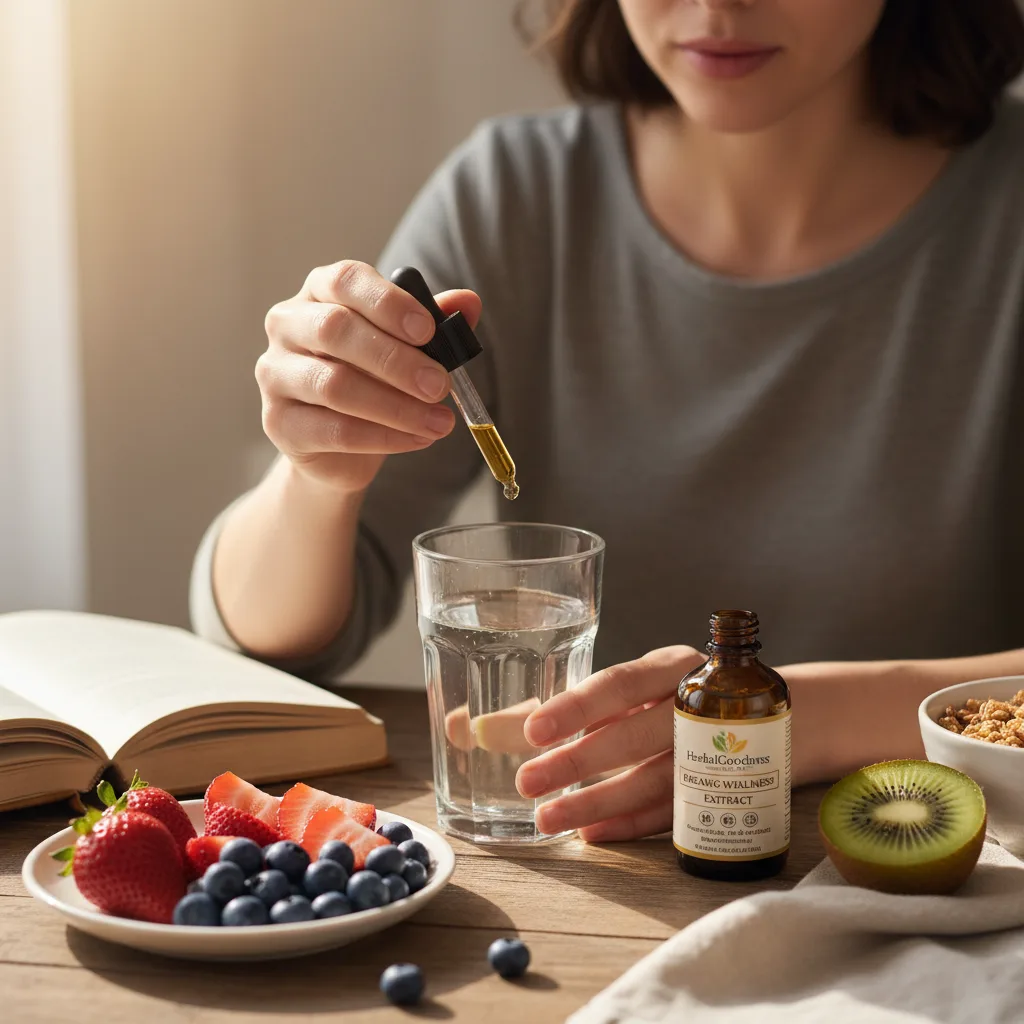
How To Read and Interpret Gut Support Extract Labels
Standing in the supplement aisle or browsing online, the supplement facts panel may seem overwhelming at first. Here’s a simple tip-sheet to help:
Key Elements to Check On The Label
- ‘Supplement Facts’ or ‘Nutrition Facts’ panel: Look for the serving size, list of active herbal ingredients, and daily value (if provided)
- Extraction method: Tells you if the base is alcohol, glycerin, or water
- Herb ratios: Indicates relative potency; e.g. 1:2 is concentrated, 1:5 is milder
- Organic and non-GMO marks: These logos provide confidence in ingredient sourcing. For gut wellness, labels on products like Papaya Leaf Blood Support | Organic 15X Liquid Extract ensure clear traceability.
- Manufacturing details: Trusted companies include their contact info and batch/lot numbers
Transparency in Labeling Practices
Herbal extract makers who value transparency will disclose not just which herbs are included, but where they’re sourced, the exact extraction process, and the solvents used. Look for products where every ingredient (including carrier liquids and flavors) is explained clearly. Leading herbal brands, like Herbal Goodness, focus on ingredient purity and traceability as part of their commitment to quality.
What Does “USP Tested” or “Third-Party Tested” Mean?
While not every label carries these terms, seeing third-party verification on a liquid gut support extract means an independent lab or organization has reviewed quality, purity, and label accuracy. This is another sign of best quality, though not all reputable products carry these statements.

Making Informed Choices: Aligning Labels With Your Wellness Goals
When shopping for a liquid gut support extract, the right choice depends on your personal health philosophies, dietary restrictions, and values. Here are a few guiding questions to consider:
- Do you want a truly organic solution? Look for “USDA Organic” and confirm all listed herbs are certified. Organic Papaya Leaf Extract 16oz | 15X Liquid – Best Value Size displays clear organic certifications and robust ingredient sourcing.
- Does alcohol content matter to you? Opt for glycerin or water-based options when avoiding alcohol.
- Are you seeking a particular plant or blend for tradition, flavor, or digestive comfort? Check the specific botanicals and their order on the label. Options like Belly Bliss Liquid Extract | Natural Digestive Support & Gut Comfort are tailored for gentle digestibility.
Researching the transparency and reputation of brands like Herbal Goodness can also add assurance as you compare different extracts for sale.

Summing Up: A Gentle, Informed Approach to Gut Support Extracts
Understanding how organic liquid gut support extracts are made—and what’s in the bottle—helps create trust and confidence in your wellness choices. By familiarizing yourself with extraction methods, carrier liquid options, concentration terminology, and real organic certifications, you can confidently read labels, evaluate options, and align your purchase with your needs.
As you explore these plant-based concentrates, don’t hesitate to reach out to responsible herbal brands, ask questions, and trust your instincts. Whether sampling a new formula or storing an old favorite, a little know-how goes a long way to getting the most from your gut support extract journey.
FAQs:
- What does organic certification mean for liquid gut support extracts?
Organic certification, such as the USDA Organic seal, means the ingredients are grown and processed according to strict standards without synthetic chemicals or genetically engineered organisms. This ensures the herbal extract in your bottle is sourced from plants that align with organic farming values.
- How do I know if an extract contains alcohol or is alcohol-free?
Check the supplement label for solvents or carriers listed. Alcohol-based (ethanol) extracts are labeled as tinctures, while alcohol-free options typically use vegetable glycerin or purified water as their base. Both are commonly used for quality gut support extracts for sale.
- What does a 1:5 or 1:1 extract ratio indicate?
This ratio shows how much raw herb was used compared to liquid solvent. A 1:1 ratio is more concentrated, using equal parts herb and liquid, while a 1:5 contains more solvent per amount of herb. This helps you compare quality and strength when you shop for herbal extracts.
- Do liquid gut support extracts need to be refrigerated?
Alcohol-based extracts usually do not need refrigeration, but glycerin or water-based formats may require it after opening. Always check the bottle’s storage instructions to maintain freshness and shelf life for your premium organic extract.
- Are all gut support extracts non-GMO?
Not necessarily. Look for a ‘non-GMO’ label or certification to ensure the herbs and carrier liquids were produced without genetic engineering. Many shoppers seeking best quality gut support extracts choose non-GMO as part of their standards.
- Is it safe to combine gut support extracts with hot beverages?
It's generally better to mix your extract with cool or room-temperature liquids. Hot beverages can affect the flavor and may degrade some plant compounds. Dilute as recommended on the label for the best experience.
Author Name:
Herbal Goodness Editorial Team
Author Bio:
The Herbal Goodness Editorial Team specializes in holistic health and superfoods, blending science and nature to educate and empower our community.
References:
Introducing Graviola to Young Taste Buds: Fun, Family-Friendly Flavor Exploration
Graviola in the Classroom and at Home: Creative Activities to Teach Kids About Tropical Plants