How to Check Botanical Identity When Ordering Pleurisy Root Online

Shopping for authentic pleurisy root online can be confusing, especially with so many products labeled with similar-sounding names, varied descriptions, and inconsistent photos. As a buyer focused on quality and accurate sourcing, understanding how to verify the botanical identity of pleurisy root (also known as butterfly weed) is key. This guide walks you through step-by-step checks for reading product descriptions, interpreting scientific names, reviewing images, and spotting red flags — so you can order pleurisy root with confidence, avoid common look-alikes, and recognize the characteristics of premium products, whether they're for personal herbal use or as a trusted kitchen staple.
Understanding Pleurisy Root: Botanical Basics for Shoppers
Before you order pleurisy root, it's important to get familiar with its true identity. Pleurisy root refers specifically to Asclepias tuberosa, a North American native plant long appreciated in traditional wellness systems. Unlike broad generalizations or other herbs with similar names, Asclepias tuberosa is the only plant officially recognized as pleurisy root in botanical references and herbarium records.
Key checks:
- Botanical name: Always look for Asclepias tuberosa listed in full.
- Common names: Pleurisy root is also called orange milkweed, butterfly weed, and Canada root. But only Asclepias tuberosa is the genuine botanical species.
- Family: It belongs to the Apocynaceae (dogbane) family.
Understanding these naming conventions sets the foundation for verifying identity and avoiding substitutes.
Decoding Scientific Names and Labeling Clues
Why the Right Name Matters When You Buy Pleurisy Root
Scientific or Latin names are a universal language for plants. When you shop for pleurisy root online, always check for Asclepias tuberosa on the label, description, or listing. This helps you distinguish the real herb from similar-sounding or unrelated products.
- Full format: A genuine listing will show the name Asclepias tuberosa (sometimes italicized or in parentheses).
- Misleading variations: Products labeled simply “milkweed” can refer to many species, some of which have very different properties or are not suitable for herbal use.
- Lack of a scientific name: If a listing omits a botanical name, consider it a red flag for product accuracy.
How Herbarium References Help Confirm Identity
Many reputable sellers or informational pages will reference herbarium records — collections of pressed, documented plant specimens. When a product notes its scientific reference or herbarium source, it’s a promising sign of authenticity and attention to species detail.
Spotting Herbal Look-Alikes: Know the Common Substitutes
The single biggest pitfall in ordering pleurisy root online is mistaking look-alikes or common substitutes for the authentic root.
Common Substitutes and How to Tell Them Apart
- Other Milkweeds: Asclepias incarnata (swamp milkweed) and Asclepias syriaca (common milkweed) are sometimes offered as “pleurisy root,” but are botanically distinct. Their scientific names will differ.
- Bupleurum: Occasionally, products labeled vaguely as “pleurisy root” may actually contain Bupleurum species, which are unrelated and have a very different traditional use.
- Generic ‘Herbal Root’ Mixes: Be wary of blended root products unless each botanical is clearly listed.
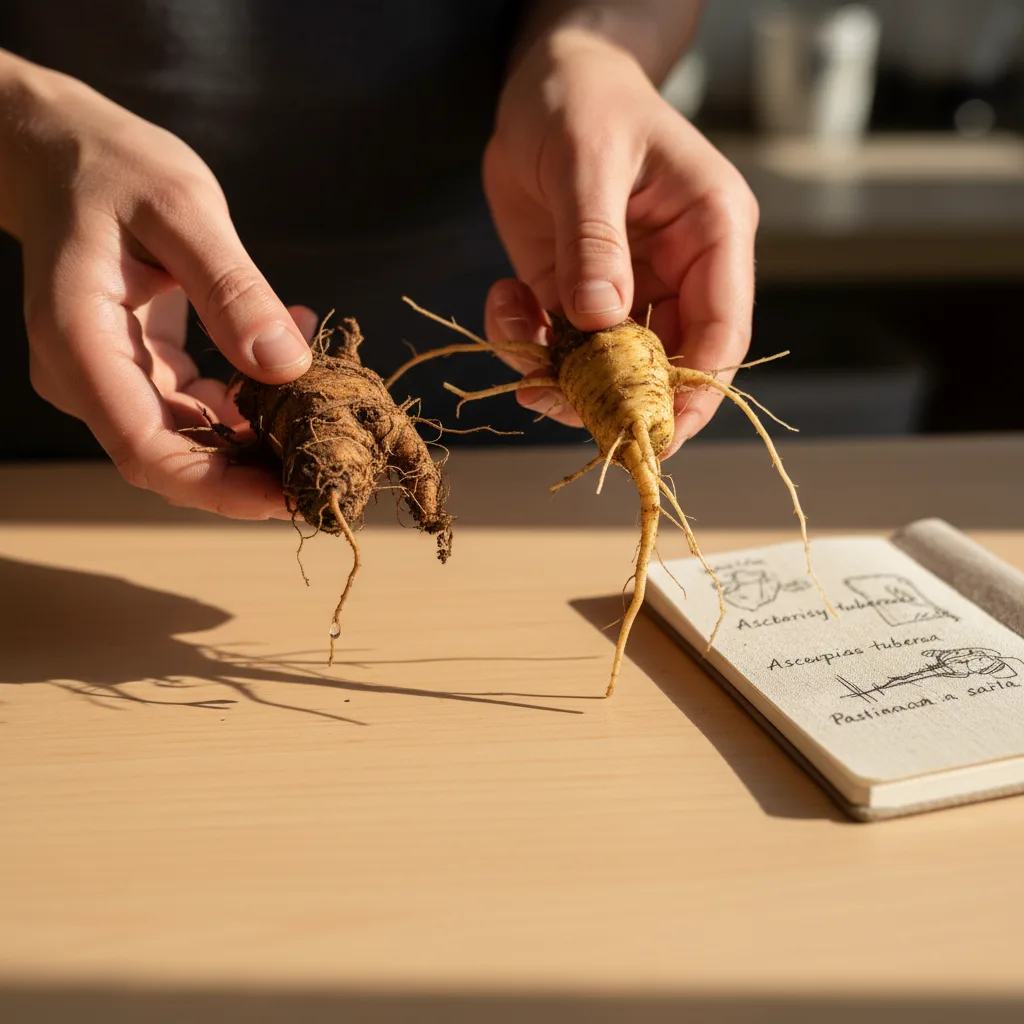
Appearance clues: True pleurisy root is characterized by a bright orange flower cluster if pictured whole, and the dried root typically appears as light to medium tan slices or pieces.
If you're searching for trustworthy bulk herbal options for making your own herbal blends or teas, consider our Bulk Herbs collection, which clearly lists every botanical included and emphasizes transparency—a quality mirrored in any authentic pleurisy root search.
Reading Product Descriptions Like a Pro
When you order pleurisy root, a quality product listing should make it easy to confirm what you’re buying.
What to Look for in Listings
- Botanical name: Asclepias tuberosa should be front and center.
- Plant part: Only the root is traditionally used as pleurisy root. Avoid listings selling “leaf,” “stem,” or “whole plant” unless explicitly described.
- Sourcing information: Harvest region or country of origin can indicate authenticity — pleurisy root is native to North America.
- Product format: Whether you’re seeking pleurisy root powder, cut & sifted root, or an extract, clear format description helps you shop with confidence.
- Processing details: Information about wildcrafted, organic, or ethically harvested practices signals a focus on quality.
For those interested in extracts, Dandelion Root Organic Liquid Extract | Liver & Detox Wellness provides a good model for clarity and transparency in herbal liquid product descriptions, so look for similar details when evaluating pleurisy root.
Sample Checklist for Buyers
- Does the product label or description clearly state Asclepias tuberosa?
- Is the part used identified as “root”?
- Are there photos of the dried root, plant, or packaging?
- Is the harvest region indicated (preferably North America)?
- Are there any ambiguous names or blends?
If you answer “yes” to most of these, you’re likely viewing a quality pleurisy root product.
Examining Photos and Packaging Details Online
Using Images to Tell True Pleurisy Root from Imitators
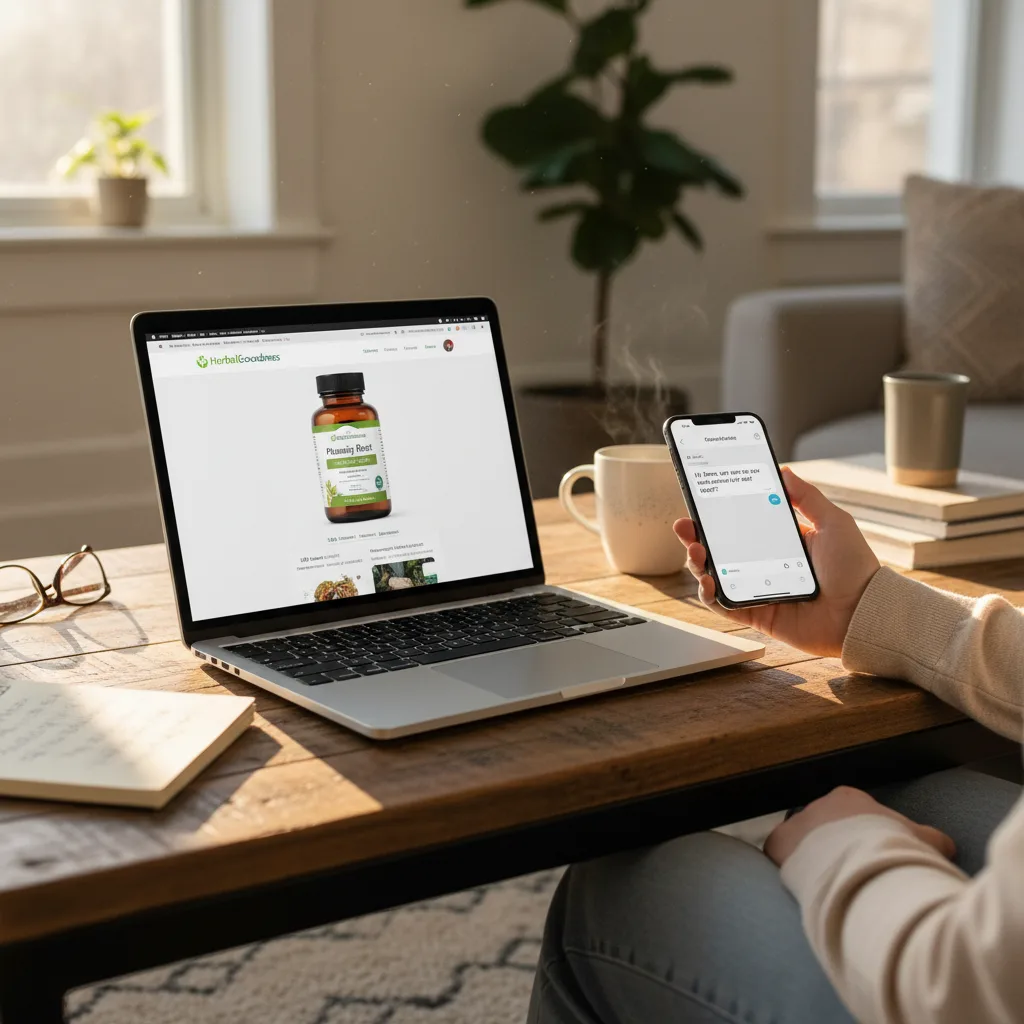
Because many online listings now include multiple images, take time to observe:
- Distinctive orange flowers (butterfly weed’s hallmark) in whole-plant images
- Appearance of dried root: Light tan color, fibrous, often sliced or shredded
- Label close-ups: Ensure Asclepias tuberosa is on the packaging
Compare these features with trusted herbal reference images if available. If a product shows generic brown powder or does not confirm its species visually, that’s a cue to ask the seller for clarification.
If you're shopping for DIY options or want more flexibility in your herbal routine, bulk dried roots—like our Bulk Herbs collection—can help ensure you get precisely the botanical part and source you’re seeking.
Packaging Transparency: Information that Inspires Trust
- Lot numbers, harvest date, or batch codes indicate traceability
- Supplier or company info on the label allows for verification if needed
- Certifications or third-party testing are additional bonuses though not always present in every quality product
For those looking for allergy-friendly and reliably tested options, a product such as Raw Sea Moss 8oz Bag | St. Lucia Wildcrafted – Nature's Multivitamin displays clear sourcing and processing info, demonstrating transparency—echoing standards you should apply to pleurisy root shopping as well.
Questions to Ask Sellers Before You Buy Pleurisy Root
Reputable distributors and brands expect well-informed questions. Here are practical prompts you might use:
- Can you provide a photo of the actual product?
- What is the country or region of harvest?
- Is this product 100% Asclepias tuberosa root?
- How is the root processed and packaged?
- Are herbarium or scientific references available for this batch?
Clarifying these points demonstrates your commitment to high standards and helps ensure you receive genuine pleurisy root.
For those interested in additional wellness or detox herbs, Dandelion Root Organic Liquid Extract | Liver & Detox Wellness showcases how reputable brands provide transparency, which is just as important for pleurisy root.
Common Red Flags in Online Listings
How to Avoid Product Confusion and Low-Quality Sources
Ordering pleurisy root online is easier when you recognize signals that a product may not meet quality or authenticity standards:
- Missing or incorrect botanical names: Vague or incorrect scientific names are a top warning sign.
- No clear plant part listed: Avoid products that don’t state “root” or use misleading terms.
- Listings with only generic or stock photos: Demand authentic images of the actual plant part you’re purchasing.
- Overblown claims: Be skeptical of products promising exaggerated results, as genuine pleurisy root is valued for its tradition — not for miracles.
- Too-low pricing: If the price is far below market range, it may be a sign of adulteration or substitution.
To minimize the chance of confusion, always consider sellers who offer clear batch codes, transparent origin info, and label specifics—similar to established products like Raw Sea Moss 8oz Bag | St. Lucia Wildcrafted – Nature's Multivitamin.
Trusting Premium, Transparent Sources
Brands like Herbal Goodness, known for clear labeling, country of origin details, and attention to sourcing, help buyers make informed decisions. Seek out sellers who prioritize botanical transparency, provide verifiable product details, and welcome customer queries. Even when shopping through trusted platforms, rely on your checklist — botanical name, plant part, region, photo, and processing information. If you are looking for inspiration for transparent listing, check the format of Dandelion Root Organic Liquid Extract | Liver & Detox Wellness or our Bulk Herbs collection.
Building Confidence as a Botanical Customer
Learning how to verify pleurisy root before you buy empowers you to shop for the best quality without confusion. Whether you’re an experienced herbalist or trying pleurisy root for the first time, using the above strategies — from reading scientific names to inspecting product photos and questioning sellers — will make your purchase experience smoother and more secure. With mindfulness and the right consumer tools, finding authentic pleurisy root online is both approachable and rewarding.
FAQs:
- What is the correct botanical name for true pleurisy root?
The correct botanical name for true pleurisy root is Asclepias tuberosa. Always look for this specific scientific name on product labels when you order or buy pleurisy root online to ensure authenticity.
- How can I spot a pleurisy root look-alike in online listings?
Watch for listings that use milkweed as a general name or display different scientific names like Asclepias incarnata or Bupleurum species. Compare plant part, photos, and country of origin to confirm you are buying real Asclepias tuberosa root.
- Why does the part used matter when buying pleurisy root?
Only the root part of Asclepias tuberosa is traditionally valued as pleurisy root. Products labeled with leaf, stem, or whole plant may not deliver the same qualities or heritage, so confirm the label specifies 'root.'
- What clues on packaging suggest good botanical sourcing?
Premium pleurisy root products usually display the full botanical name, plant part used, and a harvest region from North America. Packaging with lot numbers or company info can also help verify a transparent, quality source.
- How should I ask a seller for more information about pleurisy root?
You can ask for a close-up photo of the dried root, confirmation of the scientific name (Asclepias tuberosa), and harvest region. Reputable sellers will provide details openly, helping you buy with confidence.
- What red flags mean I should avoid a pleurisy root product?
Avoid products with missing or vague botanical names, unclear plant parts, only generic photos, or unusually low prices. These could indicate look-alikes or low-quality sourcing.
- Is it safe to order pleurisy root online if I follow these checks?
Following these steps greatly increases your chances of getting authentic pleurisy root. Always review the label, botanical name, and seller transparency to shop safely for premium quality.
Author Name:
Herbal Goodness Editorial Team
Author Bio:
The Herbal Goodness Editorial Team specializes in holistic health and superfoods, blending science and nature to educate and empower our community.
References:
Introducing Graviola to Young Taste Buds: Fun, Family-Friendly Flavor Exploration
Graviola in the Classroom and at Home: Creative Activities to Teach Kids About Tropical Plants
Why Social Impact Matters in Plant-Based Wellness