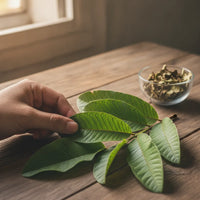
How to Interpret Organ-Targeted Claims About Guava Leaves: Understanding the Facts

When people ask, “Which organ are guava leaves good for?”, they are tapping into a long tradition of associating plant remedies with targeted parts of the body. This question reflects both curiosity and a desire to make informed choices about wellness. However, terms like “good for the liver” or “supports digestion” can easily be misunderstood, especially when it comes to separating traditional beliefs from current scientific research. Learning how to interpret these organ-focused claims helps you stay better informed, safer, and more empowered in your wellness journey.
Guava leaves have been celebrated in various cultures for centuries. They’re valued for their unique blend of plant compounds, or phytochemicals, and often promoted for specific organ-related benefits. But what do these claims really mean? What is the source—the tradition, the science, or marketing? And, most importantly, how can you critically evaluate such claims with confidence and clarity?
Why People Ask About Specific Organs: The Appeal of Targeted Benefits
The question “Which organ are guava leaves good for?” is rooted in the desire for targeted wellness solutions. People want to know if an herb or supplement will benefit a particular area, such as the liver, digestive system, or skin. This comes from:
- Traditional herbal frameworks that connect plants to specific bodily systems.
- Marketing that emphasizes targeted claims to attract certain consumers.
- A natural wish for simple answers to complex wellness questions.
Understanding where organ-targeted language comes from is the first step in making informed decisions. Many of these claims trace back to:
- Traditional use: Passed down through generations, these are stories and practices based on observations—not always on rigorous testing.
- Early research: Sometimes, small studies highlight possible effects in a lab setting or with animals, but results may not fully apply to humans.
Recognizing the difference helps set realistic expectations and avoid confusion.
Guava Leaves and Their Traditional Organ Associations
Guava leaves are often linked to certain organs due to their long history in herbal traditions around the world.
Common Traditional Associations:
- Digestive system: Guava Leaf Tea Organic 24 Bags | Immunity & Gut Wellness – Caffeine-Free is frequently enjoyed to support the digestive process, sometimes as a tea or infusion.
- Liver: In some traditions, guava leaves are believed to promote liver wellness or function, which is reflected in a range of herbal products targeting overall wellness.
- Skin: The topical use of guava leaves has a history in folk practices as part of self-care routines.
It is important to remember that traditional use is not the same as scientific validation. Historic patterns can be revealing and interesting, but they don’t provide the same kind of evidence as clinical research.
Main Phytochemicals in Guava Leaves Explained Simply
Phytochemicals are natural compounds found in plants that may influence how the body works. Guava leaves are rich in several key phytochemicals, each with properties that have attracted research attention.
Notable Compounds:
- Quercetin: A natural substance in many fruits and vegetables; in guava leaves, quercetin is long valued for its antioxidant characteristics.
- Tannins: These compounds can create an astringent taste and are commonly appreciated for their role in supporting occasional wellness.
- Flavonoids: A wide group of naturally occurring compounds, flavonoids are present in guava leaves and are often discussed in the context of overall plant defense and wellness.
While research is ongoing, it’s important to recognize the distinction between laboratory or animal studies and what has been observed in humans. The presence of these compounds doesn’t automatically equate to direct, targeted organ effects.

Current Research Evidence: Reading Between the Lines
Much of the buzz around guava leaves comes from both interest in their phytochemicals and early-stage studies. Some research explores how plant compounds might work in a controlled setting. However, when claims connect guava leaves to specific organs, here’s what you should know:
- Most scientific studies are preliminary: They may focus on isolated compounds, not whole guava leaves.
- Animal or cell studies aren’t always applicable to humans: Effects observed in the lab might not replicate in people.
- Human research is limited: Existing human studies on guava leaves tend to have small sample sizes and may focus on general wellness indicators, not direct organ effects.
These limitations highlight the importance of critical thinking. It’s wise to look for the type of study (e.g., lab, animal, or human trial), who conducted it, and whether it has been repeated by independent groups. If you review ingredient lists, Guava Leaf Organic 15X Liquid Extract | Immunity & Gut Wellness offers transparency about the plant part and preparation method, which can help in evaluating these claims for yourself.
How to Evaluate Organ-Targeted Claims: A Step-by-Step Guide
To make sense of claims that connect guava leaves to digestive, liver, or other organ benefits, adopt a thoughtful and inquisitive approach:
Step 1: Identify the Source of the Claim
- Is it a traditional practice, a lab study, or a human trial?
- Does the source reference folklore, early-stage research, or clinical trials?
Understanding the basis for the claim helps clarify its meaning and how much weight to give it.
Step 2: Scrutinize Study Types and Research Details
- Lab or Animal Studies: Indicate potential, but not guaranteed outcomes for humans.
- Human Trials: Carry more weight, but size, design, and independence matter.
- Review Numbers: Are the studies small, single-location, or preliminary? Or are there larger, peer-reviewed trials?
Step 3: Read Product Labels with Care
When a product highlights “liver support” or “good for the digestive system,” check:
- The actual ingredients and parts of the plant used (e.g., leaf, root). Products such as Organic Papaya Leaf Extract 16oz | 15X Liquid – Best Value Size state both the concentration and plant source.
- If claims are based on tradition, research, or both.
- Whether the manufacturer provides third-party quality verification.
- That there are no unverified promises or overstated outcomes.
Brands like Herbal Goodness may provide detailed descriptions of sourcing, manufacturing, and traditional background, helping you evaluate product integrity.
Step 4: Practice Safe, Informed Conversations
Before using any new herbal supplement—especially with organ-specific intentions—it’s wise to bring your questions to a qualified clinician. Consider sharing:
- The specific guava leaf products or formats you’re interested in (such as extracts, teas, or capsules). Both Guava Leaf Tea Organic 24 Bags | Immunity & Gut Wellness – Caffeine-Free and Guava Leaf Organic 15X Liquid Extract | Immunity & Gut Wellness are examples.
- Any concerns or questions about how the product fits with your individual needs.
- Your understanding of both traditional use and current research evidence.
This approach fosters collaboration, safety, and smarter choices for your wellness routine.

Label Language: Decoding Common Words and Phrases
Organ-targeted language can be subtle or direct. Here’s what to look for and how to interpret it:
- “Traditionally used for…” signals history, not proven effect.
- “Supports”— a broad term, generally non-specific and compliant with labeling standards.
- “Clinically studied”— check if this means the whole product, a single ingredient, or just a compound in isolation.
Always be cautious of labels that imply guaranteed results or make absolute promises. Reliable brands will clarify the context of their claims. Organic Papaya Leaf Extract 16oz | 15X Liquid – Best Value Size provides clear communication and complete labeling so shoppers can be more empowered.
Tradition vs. Science: Knowing the Difference
It’s easy to see why traditional practices are appealing—they carry the weight of centuries of use and deep cultural meaning. But traditions and science ask different questions:
- Tradition shares knowledge accumulated by experience and observation over generations.
- Science investigates specific outcomes, mechanisms, and safety through structured research methods.
Both contribute valuable perspectives. An informed consumer recognizes where they overlap, where they differ, and why both can matter in making a personal decision.
Practical Questions to Ask When Considering Guava Leaves for Specific Organs
Before adding any guava leaf product to your routine based on organ-focused claims:
- What sources support the claim (tradition, research, or marketing)?
- Has the research been done in humans, and on the whole leaf or isolated compounds?
- How does the product label communicate benefits—are they specific or general? Guava Leaf Organic 15X Liquid Extract | Immunity & Gut Wellness discloses full details for transparency.
- Has the product been reviewed by third-party organizations for purity and quality? Brands providing Organic Papaya Leaf Extract 16oz | 15X Liquid – Best Value Size often display these assurances publicly.
- Am I consulting with health professionals who can help me make a safe, informed choice?

These questions help ensure you’re not relying solely on what you see on a label or in advertising.
Safe and Thoughtful Steps for Wellness Seekers
Ultimately, learning how to interpret organ-targeted claims about guava leaves—or any herbal ingredient—boils down to:
- Seeking information from diverse and credible sources
- Separating tradition from proven research
- Asking the right questions before choosing products
- Prioritizing open, informed discussion with healthcare professionals
Herbal Goodness and other reputable brands value safety, clarity, and customer empowerment. By staying curious, careful, and fact-focused, you can navigate the world of organ-targeted herbal claims with confidence.
Frequently Asked Questions
Question 1: What are guava leaves traditionally used for?
Answer: Guava leaves are frequently associated with digestive support, liver wellness, and sometimes skin care. Herbalists often recommend options like Guava Leaf Tea Organic 24 Bags | Immunity & Gut Wellness – Caffeine-Free for gentle digestive support.
Question 2: How do I know if a guava leaf product is trustworthy?
Answer: Check detailed ingredient descriptions, look for transparent labeling, and seek third-party verification. Products such as Guava Leaf Organic 15X Liquid Extract | Immunity & Gut Wellness and Organic Papaya Leaf Extract 16oz | 15X Liquid – Best Value Size prioritize these qualities.
Question 3: Can I use guava leaves for liver health?
Answer: Tradition often associates guava leaves with liver wellness. However, scientific evidence is limited. To support liver function, consult with a healthcare provider and review product info such as Guava Leaf Organic 15X Liquid Extract | Immunity & Gut Wellness for clarity.
Question 4: Is guava leaf tea better than extract?
Answer: The choice between tea and extract depends on your goals and preferences. Tea, such as Guava Leaf Tea Organic 24 Bags | Immunity & Gut Wellness – Caffeine-Free, offers a gentle approach, while extracts provide concentrated compounds.
Question 5: What should I look for on guava leaf product labels?
Answer: Look for clear language about traditional vs. scientific claims, transparency regarding the plant part used, and details about purity. Options like Organic Papaya Leaf Extract 16oz | 15X Liquid – Best Value Size and Guava Leaf Organic 15X Liquid Extract | Immunity & Gut Wellness offer comprehensive labeling.
Question 6: Are there other herbal options for digestive support?
Answer: Yes, products such as Organic Papaya Leaf Extract 16oz | 15X Liquid – Best Value Size are popular choices for digestive and overall wellness in addition to guava leaf products.
Question 7: How should I discuss guava leaf supplements with my doctor?
Answer: Bring product labels, details on supplements like Guava Leaf Organic 15X Liquid Extract | Immunity & Gut Wellness, and your personal wellness goals. This helps facilitate informed, safe conversations.
If you’re curious about the role guava leaves might play in your wellness routine, take time to examine the evidence, read labels carefully, and discuss your options with a qualified professional to make informed, confident choices.
About the Author
Herbal Goodness Editorial Team
The Herbal Goodness Editorial Team specializes in holistic health and superfoods, blending science and nature to educate and empower our community.
Related Articles
Best Organic Guava Leaf Tea: 8 Questions to Ask Before You Buy
Choosing Organic Guava Leaf Liquid Extract for Beverage Formulation
Guava Liquid Extract Buying Guide: 15X, Carriers & COAs Online
How to Read Guava Leaf Tea Reviews About Digestion Before Buying