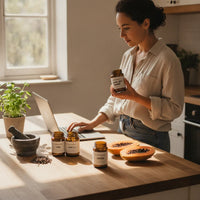
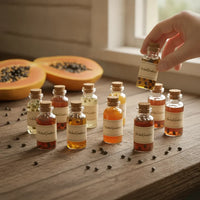
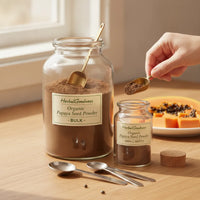
Best Papaya Seed Powder Exfoliant: Microbeads vs Botanicals

Curious about what makes a good facial scrub—and why papaya seed powder keeps appearing in natural exfoliant recipes? You're not alone. Many people are searching for gentle, effective ways to care for their skin while also reducing their environmental impact. As a plant-based ingredient, papaya seed powder is gaining attention for its unique texture and eco-friendly edge. In this guide, we dive deep into how papaya seed powder compares to plastic microbeads and other botanical exfoliants, focusing on what makes an exfoliant safe, effective, and earth-friendly. Discover tips on recognizing high-quality papaya seed powder for your DIY routines and learn how to read labels with a more discerning eye.
Understanding Papaya Seed Powder: What Sets It Apart as an Exfoliant
Papaya seed powder is made by drying and grinding the seeds from ripe papayas. As a plant-based exfoliant, it offers a distinctive grit and feel on the skin. Unlike synthetic exfoliants, which often rely on plastic particles or abrasives, papaya seed powder is entirely biodegradable. This means when it rinses down the drain, it doesn’t contribute to the persistent microplastic pollution that plagues many waterways.
The granules of papaya seed powder are typically fine but irregularly shaped. This irregularity means they provide gentle, even friction across the skin’s surface. Grit texture is key: particles that are too sharp or too large may scratch the outer layer of the skin, while overly fine or uniform particles might not deliver enough exfoliating benefit.
Papaya seeds have traditionally been appreciated for their natural enzymes and antioxidant content, but in powder form for topical use, it’s really the gentle abrasion—rather than any enzyme activity—that delivers the exfoliation. This subtle mechanical process removes dull surface cells, leaving skin feeling smoother and refreshed. Those seeking even more skin support often look to complementary products such as Radiantly Good Looking - 2fl.oz - Skin & Anti-Aging, which blends into routines focused on healthy skin.
How Particle Size and Texture Influence Exfoliation
When evaluating exfoliants, particle size and shape matter. Scrubs with very large, coarse grains (like walnut shell powders or unrefined salts) can feel harsh and potentially irritate delicate facial skin. On the other hand, powders like papaya seed are milled to a fine (typically sand-like) consistency.
Why the Grit Matters
- Skin Safety: Finer, rounded particles are less likely to cause microscopic tears in the skin.
- Smooth Application: Even dispersal in a mask or scrub formula helps prevent harsh patches.
- Customizable Effect: You can adjust the level of exfoliation in DIY recipes by altering the ratio of papaya seed powder—using less for milder exfoliation or more for a boost.
Comparatively, many plastic microbeads (formerly common in facial cleansers and body scrubs) offered a perfectly smooth, round shape, but their synthetic origin raised significant environmental and regulatory concerns.

Environmental Differences: Papaya Seed Powder vs. Microbeads
One of the biggest questions facing exfoliant buyers today: Does my skincare harm the planet? Microbeads, which are tiny, non-biodegradable plastic spheres, have been restricted or banned in many regions due to their persistence in aquatic environments. These plastic particles can accumulate in wildlife and are now recognized as a major pollution threat.
Papaya seed powder, as a plant-based material, quickly breaks down after disposal. This makes it a smart choice for anyone seeking an exfoliant option that doesn’t add to the microplastic burden. Additionally, papaya seed powder is a byproduct of fruit processing—repurposing a material that might otherwise go to waste. This holistic view lines up with broader sustainability goals in natural skincare. Choosing botanically based solutions such as Organic Papaya Seed Powder 4oz | Gut Cleanse & Digestive Support aligns your skincare with broader environmental principles.
How Botanical Exfoliants Stack Up
Other botanical options—such as ground apricot shells, rice bran, or oat flour—similarly offer biodegradable grit. Each brings its own advantages, but papaya seed powder stands out for the balance it strikes between texture, effectiveness, and environmental compatibility. For those wanting to round out their skin routine, consider products with natural extracts such as Radiantly Good Looking - 2fl.oz - Skin & Anti-Aging, which contains targeted botanicals.
Recap: Environmental Standpoints
- Microbeads: Persistent plastic, linked to waterway pollution, banned in many countries
- Papaya Seed Powder: Plant-based, biodegradable, utilizes a byproduct, low-impact
- Other Botanicals: Generally plant-sourced and biodegradable, though some (like nutshells) may be rougher on skin
Comparing Botanical Scrubs: Texture, Origin, and Practical Use
To understand where papaya seed powder fits among natural scrubs, consider the following:
- Texture: Papaya seed powder is usually sand-like and less abrasive than ground nuts or shells.
- Origin: Derived as a secondary product from edible papaya fruit, making it resource-efficient.
- DIY Versatility: Easily blends into face masks, cleansers, or body scrubs.
- Allergen Awareness: Less likely for major sensitivities but always test a small area if using a new botanical product.
While apricot shells and walnut powders are both plant-based, they often contain rougher edges and larger granules, which could be too intense for some skin types. Plant-based flours (like oat) are softer, providing minimal abrasion and working well for extra-sensitive skin.
Papaya seed powder sits between these extremes, providing non-aggressive exfoliation suitable for most routines. A comprehensive skin approach might include options like Bamboo Leaf 15X Liquid Extract – Silica, Collagen & Biotin, noted for its blend of beauty-enhancing botanicals.
Simple DIY Uses of Papaya Seed Powder for Exfoliation
Using papaya seed powder at home opens up options for customizing your self-care routine without extra chemicals or synthetic agents. Here are gentle ways to integrate it as a natural exfoliant:
Easy Papaya Seed Powder Scrub Recipe (Non-Medical)
- Ingredients:
- 1 teaspoon papaya seed powder
- 2 teaspoons yogurt or aloe vera gel (for dilution and slip)
- Few drops of your preferred carrier oil (optional for extra glide)
- Instructions:
- Combine all ingredients in a small bowl.
- Gently massage onto clean, damp skin for 1–2 minutes.
- Rinse thoroughly with water and pat dry.
Tip: Adjust the amount of papaya seed powder to alter the grittiness—less for more delicate areas or first-time use. Use up to once a week for best results, and always patch test if trying a new ingredient.
This simple preparation allows you to avoid unnecessary fillers and fragrances. By making your scrub, you get transparency on every ingredient. If you’re interested in digestive or skin-focused benefits internally, Papaya Seed Powder Capsules 60ct | 600mg – Gut & Colon Cleanse Support may be worth considering.

Customizing Texture and Use
- Blend with honey, yogurt, or floral water for a different experience.
- Use as a gentle foot or hand scrub in combination with nourishing oils.
- Create single-use batches to keep things fresh and hygienic.
If you prefer to streamline your glow-focused routine, incorporating Radiance Boost 15X Liquid Extract | Skin Beauty & Glow Support can offer botanical support for a luminous complexion in tandem with topical exfoliation.
What to Look for on Papaya Seed Powder Labels
When browsing for papaya seed powder to use as a topical exfoliant, paying attention to product labeling helps ensure safety and the intended quality.
Key Label Language and What It Means
- Pure, Single Ingredient: Look for papaya seed powder with no added fillers or fragrances, especially if making your own scrubs.
- For External Use: Ensure the product is stamped suitable for topical application rather than only internal consumption. Some papaya seed powders are milled and processed exclusively for food use, and may not meet cosmetic safety or quality standards.
- Particle Size Details: Fine-grind or cosmetic-grade labels offer reassurance the powder is gentle enough for skin.
- Source and Processing: Indications like “cold-milled,” “organically farmed,” or “sustainably sourced” point to higher standards in harvesting and manufacturing. Brands such as Herbal Goodness share transparency about how their plant materials are sourced and processed.
- Batch and Expiry Information: Always check packaging for current batch information and best-before dates, especially when using any botanical ingredient in skincare.

Summing Up: Choosing a Nature-Inspired Exfoliant
If you’re transitioning away from synthetic scrubs or plastic microbeads, papaya seed powder provides an appealing eco-friendly choice. Its unique sand-like texture, gentle abrasion, and botanical origin make it well suited for both beginners and experienced DIY skincare enthusiasts. By making mindful choices—and understanding what label language really means—you can build a self-care routine that feels good for both your skin and the planet.
The broader movement toward plant-based exfoliants not only benefits your skincare routine but also supports sustainability goals. Selecting reputable brands like Herbal Goodness for your papaya seed powder ensures quality, ethical sourcing, and peace of mind as you experiment with new topical recipes. Always introduce new exfoliants gradually and listen to your skin for the best experience.
FAQs:
- What is papaya seed powder exfoliant used for in skincare?
Papaya seed powder exfoliant is commonly used to gently remove dull surface cells, leaving skin feeling smoother. Its plant-based particles provide light abrasion for topical recipes or homemade scrubs.
- How does papaya seed powder compare to plastic microbeads?
Papaya seed powder offers grit and effectiveness similar to microbeads, but is biodegradable and eco-friendly. Microbeads are synthetic plastics, now heavily restricted due to environmental impact.
- What makes a natural exfoliant safe for skin?
The safety of a natural exfoliant depends on particle size, shape, and material purity. Finer, rounded botanical particles—like cosmetic-grade papaya seed powder—are less likely to irritate skin.
- How do I choose papaya seed powder for topical use?
Look for pure, single-ingredient papaya seed powder labeled 'for external use' with fine or cosmetic-grade particle sizing. Check for current batch information and sustainable sourcing.
- What are some easy DIY ideas for using papaya seed powder as an exfoliant?
Mix papaya seed powder with yogurt or aloe gel for a gentle face scrub. Adjust the amount for desired texture. Always do a patch test and use once weekly for best results.
- Are botanical exfoliants better for the environment than microbeads?
Yes. Botanical exfoliants like papaya seed powder quickly biodegrade and reduce waste. Microbeads are persistent plastics that contribute significantly to waterway pollution.
- Can papaya seed powder be used on all skin types?
Papaya seed powder is generally suitable for most skin types when used in moderation. Adjust the amount for sensitivity and always introduce gradually into your routine.
Author Name:
Herbal Goodness Editorial Team
Author Bio:
The Herbal Goodness Editorial Team specializes in holistic health and superfoods, blending science and nature to educate and empower our community.
References:
Introducing Graviola to Young Taste Buds: Fun, Family-Friendly Flavor Exploration
Graviola in the Classroom and at Home: Creative Activities to Teach Kids About Tropical Plants