Choosing the Right Papaya Seed Powder Online: Grades, Uses, and Smart Tips

Shopping for papaya seed powder online opens a world of possibilities in the kitchen, bathroom, and even the garden. But with so many product grades, processing styles, and label jargon out there, finding the right one for your intended use can feel overwhelming. Whether you want to create vibrant culinary dishes, experiment with natural skincare, or enrich your compost, knowing the difference between food-grade, cosmetic-grade, and garden-use papaya seed powder is essential. This clear, approachable guide will demystify those categories and provide practical steps for making confident choices whenever you browse online marketplaces or specialty herb shops.
Understanding Papaya Seed Powder Grades: Food, Cosmetic, and Garden
Papaya seed powder comes in several grades, each designed for specific uses. Getting clear on these differences helps ensure quality and safety for your intended purpose.
Food-Grade Papaya Seed Powder
Food-grade papaya seed powder is processed and handled according to strict hygiene and safety standards. It's intended for human consumption, whether as a raw ingredient or in prepared foods. Key features include:
- Sourced from mature, high-quality papaya fruits
- Processed in food-safe facilities (often with certification)
- Tested for contaminants and purity
- Clearly labeled as food-grade
This powder typically has a peppery, slightly bitter flavor reminiscent of black pepper, making it a unique seasoning for salads, dressings, and marinades. For those who want food-grade formulated convenience for supporting gut health, Papaya Seed Powder Capsules 60ct | 600mg – Gut & Colon Cleanse Support offer a practical solution.
Cosmetic-Grade Papaya Seed Powder
Cosmetic-grade papaya seed powder is selected and ground specifically for topical application in skincare routines. It's commonly found as an exfoliant in scrubs or facial masks. Distinctions include:
- Finely milled for gentle abrasion
- Processed to minimize allergens or irritants
- May be sterilized or heat-treated
It's not intended for consumption, so it may skip some food safety steps or contain botanicals blended for skin appeal. Texture tends to be finer and gentler on the skin compared to food-grade versions. If you're seeking formulas dedicated to skin health, Radiantly Good Looking - 2fl.oz - Skin & Anti-Aging is crafted for topical application and overall skin nourishment.
Garden-Use Papaya Seed Powder
Garden-use, or agricultural-grade, papaya seed powder is generally used for composting or as a soil amendment. It's the least refined type and prioritizes plant compatibility over human or skin safety. Hallmarks include:
- Minimal processing—often just sun-dried and coarsely ground
- May contain fruit residues or other plant material
- Not tested or treated for pathogens relevant to humans
Although ideal for garden beds, it should not be eaten or used in cosmetic preparations. Those interested in holistic gardening can also explore options like our Bulk Herbs collection for plant-based garden enrichment.
Papaya Seed Powder Processing: Raw, Roasted, and Micronized
Processing type is just as important as grade, impacting the flavor, texture, and final application of papaya seed powder.
Raw Papaya Seed Powder
This version is created by drying and grinding unroasted papaya seeds. It's sought after for:
- Retaining natural enzymes and phytonutrients
- Providing a robust, slightly pungent taste
- Common in food-grade and cosmetic formulas
Raw powders are typically more aromatic and retain the original characteristics of the seeds.
Roasted Papaya Seed Powder
Here, seeds are toasted before grinding, creating a distinct flavor and making the powder less intense. Characteristics are:
- Milder, nuttier taste
- Smoother texture
- Reduced bitterness
Roasted powder can be used as a culinary spice or in some topical applications, especially where a gentler aroma is preferred. If digestive support is your goal, consider 15 Day Detox Capsules | Papaya Enzyme & Papaya Seed Powder | Natural Full-Body Cleanse, containing papaya seed powder and enzymes for cleansing complexes.
Micronized Papaya Seed Powder
Micronization is an ultra-fine grinding process. This produces a soft, nearly powdery texture:
- Ideal for facial scrubs and masks (cosmetic-grade)
- Blends easily without gritty feel
- May also occur in high-end food-grade products for dispersing into beverages or dressings
Understanding which process matches your goals supports more satisfying and effective results, whether in recipes, skincare, or gardening.
How Processing Affects Flavor, Texture, and Use
Each combination of grade and processing method delivers a unique product experience:
- Food-grade, raw: Bold, peppery flavor—excellent in savory dishes
- Food-grade, roasted: Subtler, milder notes—suitable for general spice use
- Cosmetic-grade, micronized: Delicate, even powder for gentle exfoliation
- Garden-use, raw or coarse: Useful as a natural addition to compost or direct garden application
Matching the grind and grade ensures safety and satisfaction. For instance, a coarse, garden-use powder wouldn’t provide the pleasant texture needed in a facial scrub, and a highly micronized cosmetic powder isn’t needed for compost. Pure powder fans looking for the most versatile applications may gravitate toward Organic Papaya Seed Powder 4oz | Gut Cleanse & Digestive Support for food-grade and gut-focused needs.
Reading Online Papaya Seed Powder Labels Like a Pro
Online shopping requires extra attention to detail. Here’s what to check before adding any papaya seed powder to your cart:
- Grade: Ensure the listing explicitly states "food-grade," "cosmetic-grade," or "garden-use."
- Processing Type: Look for “raw,” “roasted,” or “micronized” in the description.
- Intended Use: The product description should align with your goals (cooking, skincare, or gardening).
- Certifications: Seek out indicators like USDA Organic, non-GMO, or other independent verifications for food or cosmetic powders.
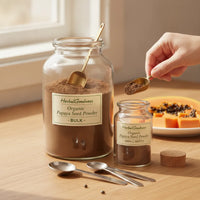
- Country of Origin and Sourcing: Reliable brands, such as Herbal Goodness, specify where and how their papaya seeds are harvested.
- COA (Certificate of Analysis): For food and cosmetic applications, reputable sellers frequently offer a COA to guarantee quality, purity, and safety. This is a mark of transparency.
- Ingredient List: Pure papaya seed powder should have only one item listed unless noted blends (e.g., for skincare).
- Expiration or Batch Date: Freshness is key, especially for culinary and topical uses.

Key Questions to Ask Before You Buy Papaya Seed Powder Online
Experienced shoppers reach out with specific questions, especially when purchasing from marketplace vendors or specialty herb shops. Top inquiries include:
- Is this product certified food/cosmetic/garden grade?
- Can I see the latest COA or third-party lab test?
- Are there any additives, fillers, or blending agents?
- How fine is the powder? Does it match my intended use?
- When was the powder packed? How should it be stored?
Reputable brands usually welcome these questions. Clear responses signify quality-controlled, trustworthy offerings. Support for COA (Certificate of Analysis) verification and ingredient lists is a sign of a brand's transparency and commitment to safety.
Flavor, Texture, and Application: What to Expect
Papaya seed powder’s character is shaped by both grade and grind. Here’s a practical cheat sheet for realistic expectations:
- Cooking (food-grade):
- Raw: Sharp, black-pepper bite; best in small amounts on salads or savory mains.
- Roasted: Toasty and mellow; easier to blend into spice mixes.
- Skincare (cosmetic-grade):
- Micronized: Creamy, soft powder; gentle and smooth in DIY scrubs.
- Standard grind: Slightly grittier for extra exfoliation.
-
Gardening (garden-use):
- Coarse grind: Mix into compost, soil, or garden beds as an organic amendment.

The best results come from matching the product exactly to your purpose. Those on a cleansing regimen might add Body Detox Papaya Seed | Organic 15X Liquid Extract for Gut for concentrated gut support alongside powder applications.
Spotting Reliable Sources and Certifications
Not all online listings give the same confidence. Here’s what distinguishes top sellers and trusted platforms, including specialty herb shops and well-established wellness companies:
- Transparency: Full ingredient list, processing details, and batch information.
- Certification Badges: Prominent display and easy verification (clickable certificates).
- Clear Use Directions: Explicit labeling for food, cosmetic, or garden use.
- Easy Access to COAs: Documents posted with the listing or provided on request.
Brands like Herbal Goodness are known to detail the entire supply chain, demonstrating careful selection and trusted quality, which matters most for food and skincare options. If you're interested in a broader approach to digestive health, Organic Papaya Seed Extract 15X Liquid | Gut & Colon Cleanse Support offers an alternative delivery for those favoring liquid formats.

Navigating Common Online Shopping Mistakes
A quick click can lead to mismatched products if you overlook a few details. These tips will help you avoid disappointment:
- Don’t substitute garden-use powder for cooking or skin: It may contain residual plant matter or lack safety testing.
- Avoid unlabeled or ‘multipurpose’ varieties: They may not adhere to any specific safety or processing standard.
- Watch for artificial additives: Food and cosmetic grades should be as pure as possible.
- Double-check third-party seller credentials: Look for established brands with traceability—don’t hesitate to ask about source, grade, and lab tests.
- Read customer reviews critically: Focus on reviews that specifically mention the use case you’re interested in.
Summary: Making the Best Choice for Your Needs
By understanding the crucial differences between food-grade, cosmetic-grade, and garden-use papaya seed powder—as well as how raw, roasted, and micronized processes shape your experience—you can confidently choose the right option for your cooking, personal care, or gardening projects. Paying attention to labels, certifications like USDA Organic, country of origin, and COA availability creates a smarter and safer shopping experience. Each grade and grinding method serves a unique purpose, so consider your end goal and ask detailed questions before you buy. Whether experimenting in the kitchen, formulating scrubs, or nurturing your plants, a little knowledge goes a long way when selecting papaya seed powder online.
Empower your holistic living journey—explore top-quality, purpose-matched papaya seed powders for food, skincare, or gardening, always pairing your purchase with research, label reading, and a few smart questions for the best possible results.
FAQs:
- How do I know if papaya seed powder is food-grade when shopping online?
Look for explicit labels stating 'food-grade,' check if the listing includes certifications (like USDA Organic), ask the seller for a Certificate of Analysis (COA), and ensure the product is processed for human consumption.
- Can cosmetic-grade papaya seed powder be used in food?
No, cosmetic-grade papaya seed powder is processed for topical application and may lack the safety testing required for edible use. Always use food-grade powder for cooking.
- What does 'micronized' papaya seed powder mean, and when should I choose it?
Micronized papaya seed powder is ground to an ultra-fine texture. It is ideal for gentle facial or body scrubs due to its smoothness but is also useful in specialty foods or beverages where a fine powder is preferred.
- Why is the Certificate of Analysis (COA) important for papaya seed powder?
A COA verifies purity, safety, and processing standards, especially for food and cosmetic grades. It demonstrates transparency and gives buyers confidence that the product meets quality requirements.
- Are there risks in using garden-use papaya seed powder in cooking or skincare?
Yes. Garden-use powder is not processed or tested to the standards needed for human or cosmetic use, and may contain contaminants or rough textures unsuitable for those applications.
- How do I match the right papaya seed powder to my intended use?
Check the grade (food, cosmetic, garden) and the processing method (raw, roasted, micronized). Food-grade is safe to eat, cosmetic-grade is gentle for skin, while garden-use is for soil or compost only.
Author Name:
Herbal Goodness Editorial Team
Author Bio:
The Herbal Goodness Editorial Team specializes in holistic health and superfoods, blending science and nature to educate and empower our community.
References:
Introducing Graviola to Young Taste Buds: Fun, Family-Friendly Flavor Exploration
Graviola in the Classroom and at Home: Creative Activities to Teach Kids About Tropical Plants
Why Social Impact Matters in Plant-Based Wellness