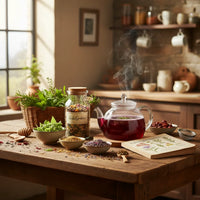
A Beginner’s Guide to the Most Palatable Herbal Teas with Flavor Tips

Herbal tea is more than just a warm beverage—it can be a gateway to discovering new flavors, relaxation moments, and simple, healthy rituals. For newcomers, choosing what to try first and learning how to brew it can feel overwhelming with so many varieties and traditions. This friendly beginner’s guide leads you through some of the most palatable herbal teas, what each tastes like, and how to tailor your brewing for maximum enjoyment. You'll also find easy blending and tasting strategies, plus a two‑week plan to start building your own tea rotation with simplicity and delight.
Exploring the Most Palatable Herbal Teas for Newcomers
Why Start with Palatable Herbal Teas?
When you’re new to herbal tea, the wide range of flavors—from floral and fruity to earthy and spicy—can be exciting, but also intimidating. The most palatable teas are those celebrated for their gentle, familiar, or pleasantly sweet notes, making them ideal starting points for your journey. Preferences differ, but many find these approachable herbal teas easy to love:
- Peppermint: Crisp, cooling, and naturally sweet. Peppermint tea is uplifting without bitterness and works well hot or cold.
- Chamomile: Mellow and soft, chamomile has apple-like undertones and a honeyed aroma. It’s well regarded for its calming character.
- Rooibos: This South African herbal tea is naturally caffeine-free, offering a sweet, nutty, and slightly vanilla-like flavor. It’s gentle and smooth—easy for sensitive palates.
- Lemon Balm: Bright and citrusy with fresh herbal notes, lemon balm brings gentle zest without sharpness or sourness.
- Hibiscus: Known for its vivid ruby color, hibiscus tea carries a tart cranberry-like punch with floral undertones. Add a little honey and it transforms from tangy to lusciously juicy.
One unique herbal favorite for beginners is Soursop Leaf Tea | Organic Graviola 24 Bags | Soursop Tea Benefits for Immunity & Wellness, which brings a mild, slightly fruity flavor and is packed with wellness benefits. If you’re looking to expand your collection, exploring a Herbal Tea Trio – Build-Your-Own Bundle | Mix & Match Any 3 USDA Organic Herbal Teas & Save 20% lets you sample popular varieties with ease.
When to Sip: Pairing Flavors with Moods and Moments
Part of the delight of herbal tea is finding the right cup for your current mood or time of day. Here’s how to pair popular beginners’ teas with the moments they suit best:
- Peppermint: Perfect for clarity in the morning or a refreshing caffeine-free boost in the afternoon.
- Chamomile: Soothing for winding down in the evening—ideal as a bedtime ritual.
- Rooibos: Versatile and gentle enough for any hour, it’s a cozy choice for relaxing breaks.
- Lemon Balm: Lively yet calming, enjoyed mid-day or in the afternoon as a stress-free pick-me-up.
- Hibiscus: Zesty and revitalizing, it’s a great alternative to juice—cooling over ice for warmer days.
You might also enjoy building your own Organic Herbal Tea Gift Set | 24 Teabags Wellness Collection, which makes picking a calming or energizing blend easy any time of day.
Decoding Herbal Tea Flavor Profiles: What to Expect
Understanding what each tea is likely to taste like can remove the uncertainty from those first steeps. Here are the hallmarks of each beginner-friendly herbal tea:
Peppermint Tea
- Taste: Crisp, cool, almost sweet, with a straightforward minty zing.
- Aroma: Fresh, invigorating mint.
- Body: Light and clean, never heavy or drying.
Chamomile Tea
- Taste: Delicate, slightly sweet, reminiscent of apple and honey.
- Aroma: Floral and fruity, soothing to the senses.
- Body: Silky, calm, and soft on the palate.
Rooibos Tea
- Taste: Rounded, slightly earthy, with notes of vanilla, caramel, and even a touch of nuttiness.
- Aroma: Warm, earthy, sometimes gently sweet.
- Body: Full for an herbal tea, almost creamy when brewed longer.
Lemon Balm Tea
- Taste: Lively citrus, subtly sweet and softly herbal.
- Aroma: Lemon zest with underlying herbal freshness.
- Body: Bright and light, with a cleansing quality.
Hibiscus Tea
- Taste: Tangy, tart like cranberry or pomegranate, with a hint of floral brightness.
- Aroma: Fruity and fresh, inviting and slightly sweet.
- Body: Bold and vibrant, especially enjoyable over ice.
Organic Hibiscus Tea 24 Bags | Heart Health & Antioxidant Wellness brings a refreshingly tart, vibrant cup and delivers recognized antioxidant support. Pairing these classic flavors with newcomers like Soursop Leaf Tea | Organic Graviola adds even more variety to your herbal lineup.

Brewing Tips for Better Herbal Tea Experiences
Getting the most from your herbal tea relies on more than just hot water. Adjusting a few simple brewing variables can reveal richer, smoother flavors and help you avoid bitterness or unexpected notes.
Choosing Leaf Cut vs. Tea Bags
Loose herbal teas (sometimes called ‘leaf cut’) often deliver fresher, more complex flavor. You’ll notice both aroma and taste are fuller. For greater flexibility, you can also choose from a wide selection of our organic herbal teas to blend or brew single-flavor cups at home.
Tea bags are convenient and consistent—ideal for speed or if you’re brewing at work. For best results, look for unbleached, whole-leaf tea bags with no artificial flavoring.
Water Temperature and Steep Time: Getting It Just Right
Herbal teas are forgiving, but a few general guidelines help produce the most balanced cup:
- Peppermint: 200°F–212°F, steep 5–7 minutes.
- Chamomile: 200°F, steep 5–7 minutes. Avoid boiling for too long to keep bitterness at bay.
- Rooibos: 212°F (rolling boil), steep 5–10 minutes. Longer time draws out deeper sweetness.
- Lemon Balm: 200°F, steep 5–7 minutes.
- Hibiscus: 205°F, steep 4–6 minutes. More time boosts tartness; less keeps it mellow.
Tips to soften bold flavors: If a brew is too intense, simply add a little more hot water or steep for a shorter time on your next cup.
Easy Blending Tricks to Personalize Your Cup
New herbal tea drinkers sometimes encounter flavors that are surprising or intense. Luckily, blending is an easy and creative solution:
- Mix with Familiar Flavors: Blend peppermint with rooibos for a minty dessert; combine chamomile and lemon balm for a tranquil evening blend.
- Soften Tartness: Add dried fruit or a splash of honey to hibiscus or lemon balm tea.
- Cool and Sweeten: Enjoy tart or bold teas over ice with fresh mint, citrus slices, or berries.
- Touch of Spice: Add cinnamon or a pinch of ginger to rooibos for gentle warmth.
Experimenting with blends lets you customize your flavors without getting overwhelmed by strong herbal notes. Products like the Herbal Tea Trio Bundle | Guava, Hibiscus & Avocado – 3 Organic Packs make it easy to find and mix new favorites.

A Simple Two-Week Herbal Tea Tasting Plan
Trying too many new teas at once can leave you confused about what you like. Ease into your tea journey by following this two-week beginner’s tasting plan, designed to discover favorites without pressure:
Week One: The Gentle Foundations
- Day 1: Peppermint—Try it pure, focus on the clean, minty sensation.
- Day 2: Chamomile—Enjoy the soft sweetness and notice the floral aroma.
- Day 3: Rooibos—Sip slowly, noting vanilla and caramel undertones.
- Day 4: Lemon Balm—Feel the brightness and delicate citrus.
- Day 5: Hibiscus—Start with a short steep to explore tart fruitiness.
- Day 6: Blend of chamomile and peppermint—Balanced sweetness and cool mint.
- Day 7: Mix and match your favorite from the week, try on ice or with honey.
Week Two: Experiment and Personalize
- Day 8: Rooibos plus cinnamon—Notice the gentle spiced lift.
- Day 9: Lemon balm with a slice of orange—Bright and juicy.
- Day 10: Hibiscus over ice, lightly sweetened—Refreshing and vibrant.
- Day 11: Chamomile with lemon balm—Smooth and mellow.
- Day 12: Peppermint plus rooibos—Desserty and restorative.
- Day 13: Try your favorite from week one at a different water temp or steep time.
- Day 14: Reflect on your journaled notes—Do you prefer floral, minty, sweet, or tart?
Keeping your selection varied is as easy as trying different teas from the Herbal Tea Trio – Build-Your-Own Bundle.
Tip: Keep a simple tea journal beside your kettle. Write down tasting notes for each cup—just a few words like “uplifting,” “soothing,” or “fruity”—to help track what you like most.
Building Your Custom Herbal Tea Rotation
Once you’ve explored these foundational flavors, it becomes easier to choose what to stock in your pantry or sample next. A good beginner’s rotation may include:
- One bright, zesty tea (lemon balm)
- One soothing tea (chamomile)
- One invigorating tea (peppermint)
- One sweet and satisfying tea (rooibos)
- One fun, tangy tea (hibiscus)
Switching these throughout the day keeps your tea ritual interesting and reduces palate fatigue, letting you look forward to each cup. With each round of tasting, adjust your rotation to favor blends and single teas that suit your evolving taste.

Including Soursop Leaf Tea | Organic Graviola 24 Bags is an excellent way to broaden your flavor portfolio and support overall wellness.
Sourcing and Enjoying Quality Herbal Tea
Choose reputable sources like Herbal Goodness for vibrant, clean herbal teas. Factors like organic growing practices, clear labeling, and transparent sourcing add to your experience, ensuring you taste the true character of each herb.
Loose leaf options often feature richer flavors and let you experiment with your own blends, while high-quality tea bags bring convenience for travel or work. For a larger supply, consider our Bulk Herbs collection to make your own infusions and blends.
Keeping your teas stored in airtight containers, away from strong odors, preserves their freshness and aroma. When you need something already curated, look to options like the Herbal Tea Trio Bundle | Guava, Hibiscus & Avocado or a Herbal Tea Trio – Build-Your-Own Bundle.
However you choose to brew and enjoy, remember the heart of the herbal tea journey: Each cup is an invitation to discover, relax, and savor new experiences in a way that feels effortless, guided by your own preferences.
Frequently Asked Questions
Question 1: Which herbal tea is best for absolute beginners?
Answer: Peppermint and chamomile are top choices for those new to herbal tea because of their gentle flavors and relaxing effects. You can also explore the Herbal Tea Trio – Build-Your-Own Bundle for a starter sampling.
Question 2: Are there herbal teas that support immunity and wellness?
Answer: Yes, teas like Soursop Leaf Tea | Organic Graviola 24 Bags and Organic Hibiscus Tea 24 Bags | Heart Health & Antioxidant Wellness are known to support immune and antioxidant wellness.
Question 3: Is loose leaf better than tea bags for beginners?
Answer: Loose leaf often offers fresher and more complex flavors. However, beginners benefit from the convenience of tea bags. Try a variety with our organic herbal teas.
Question 4: What is a great gift for someone getting into herbal teas?
Answer: An Organic Herbal Tea Gift Set | 24 Teabags Wellness Collection is ideal—it provides variety and is beautifully packaged.
Question 5: How can I create my own herbal blends at home?
Answer: Start with classic options like our Bulk Herbs collection or the Herbal Tea Trio Bundle | Guava, Hibiscus & Avocado – 3 Organic Packs and mix to your flavor preference.
Question 6: Is hibiscus tea too tart for beginners?
Answer: Hibiscus tea is naturally tangy. Many beginners enjoy Organic Hibiscus Tea 24 Bags by adding honey or blending it with sweeter herbs.
Question 7: How do I keep my herbal teas fresh?
Answer: Store teas in airtight containers away from heat and strong odors. Buying in bulk, such as Bulk Herbs & Roots Online, also helps you portion and store properly.
Ready to discover your favorite herbal tea? Use this guide to start your tasting journey—one approachable cup at a time.
About the Author
Herbal Goodness Editorial Team
The Herbal Goodness Editorial Team specializes in holistic health and superfoods, blending science and nature to educate and empower our community.
Related Articles
Naturally Caffeine-Free Herbal Teas: How to Choose the Best Ones
Best Organic Herbal Tea Bundles: Compare Cost Per Cup Before You Buy
How to Choose the Best Organic Tea in India: Guide to Certifications, Sourcing, and Flavor
What Happens If I Drink Hibiscus Water Daily? An Evidence-Aware Guide